
George III Carver Chairs
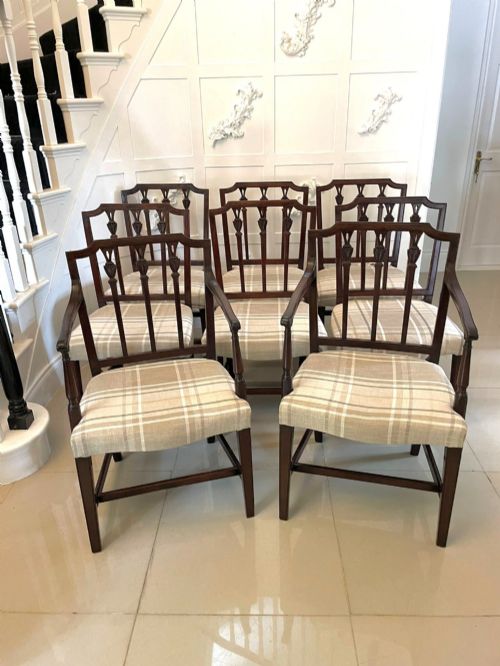
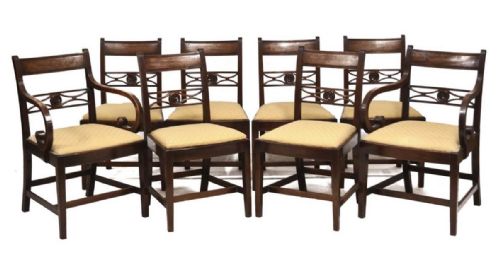
George iii carver chairs are robust mahogany seating pieces from the Georgian era designed to anchor a formal dining table with authority.
What george iii carver chairs are
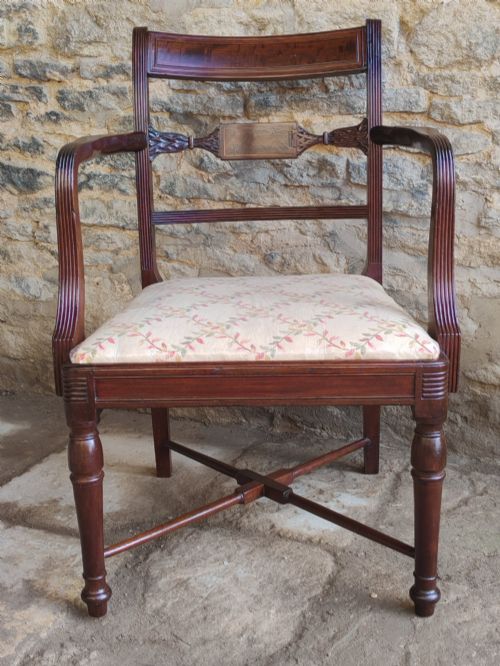
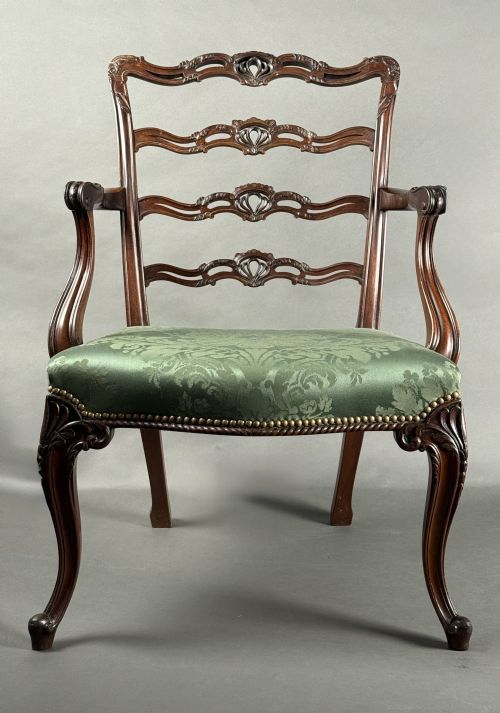
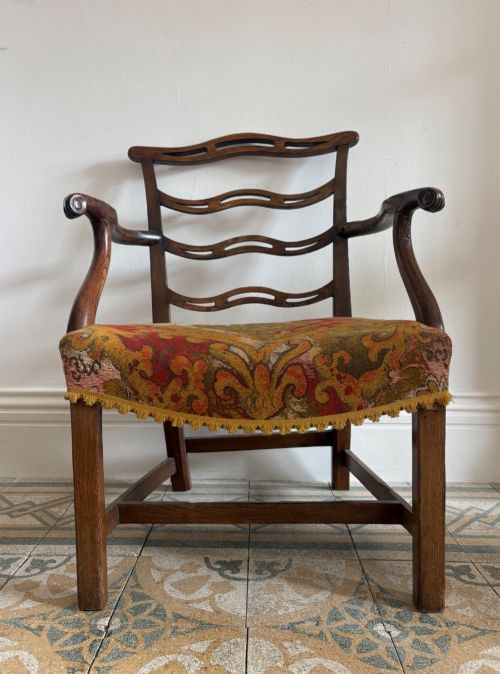
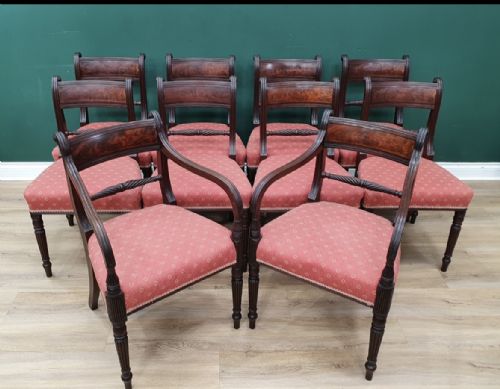
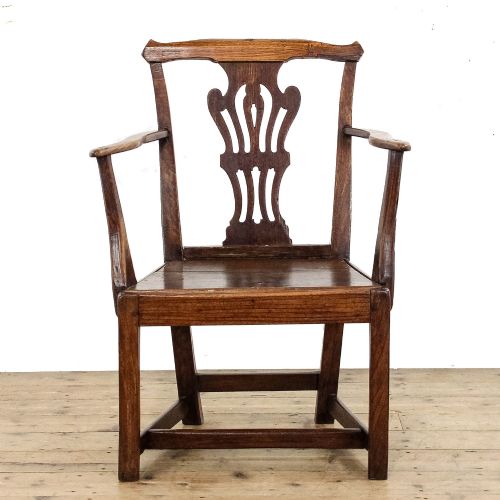
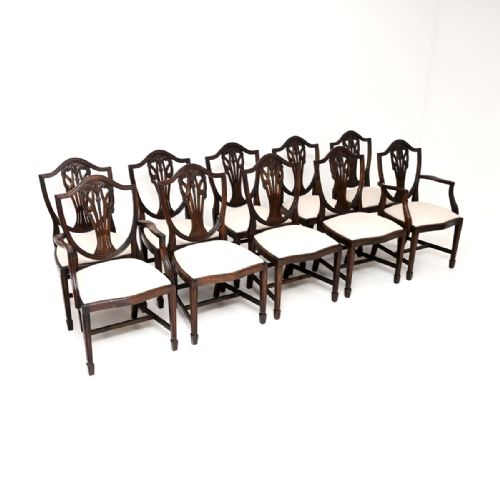
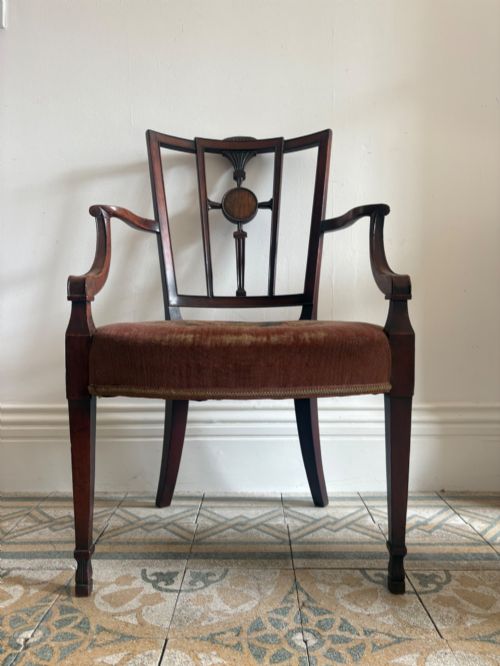
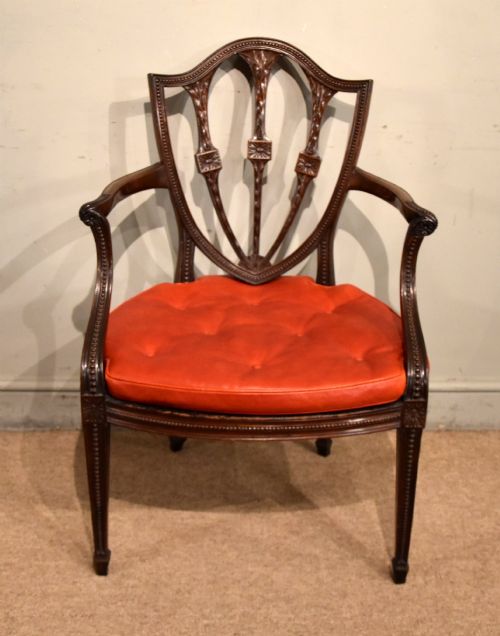
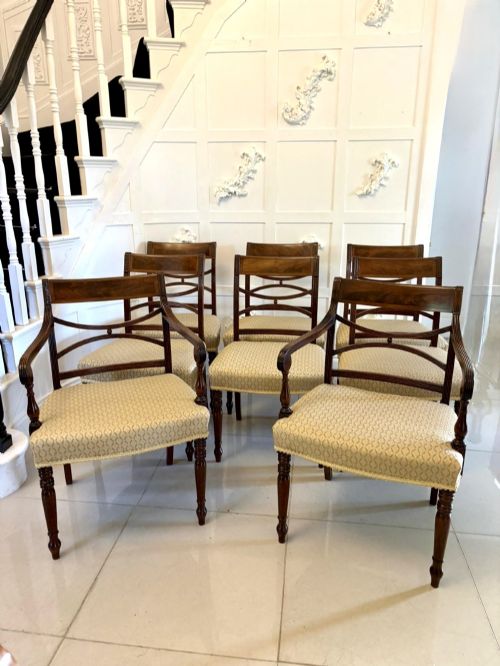
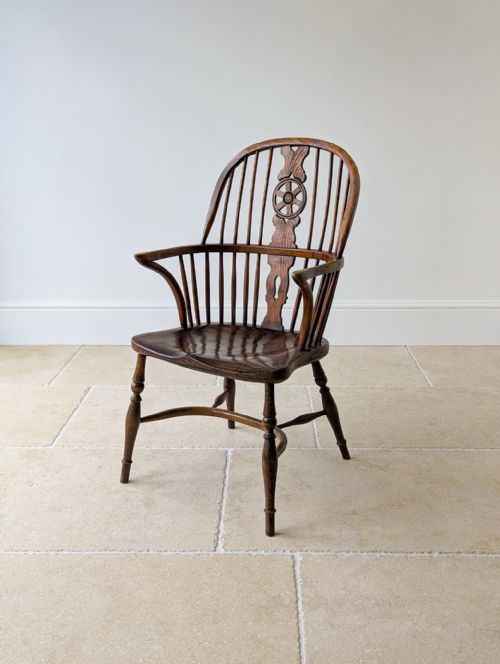
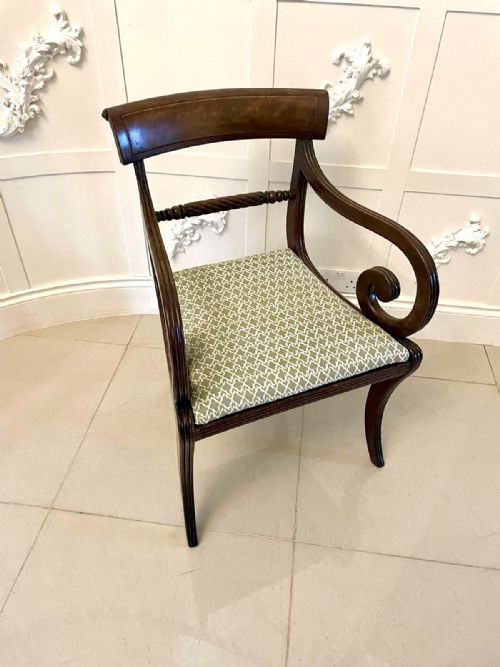
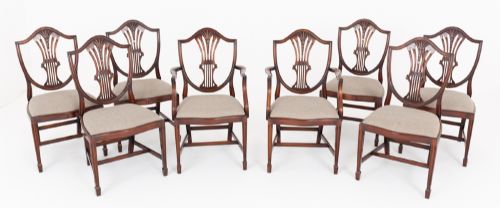
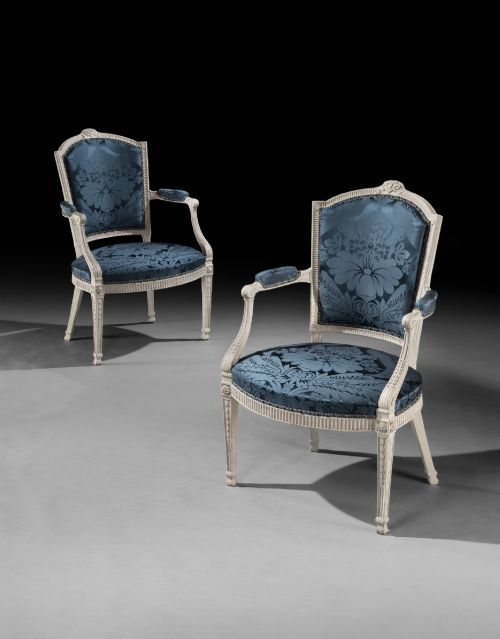
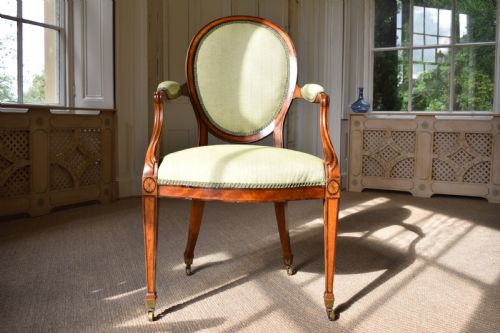
The pieces listed on this page encompass styles such as Chippendale and Sheraton alongside vernacular interpretations in elm and oak. Most examples take the form of elbow chairs featuring upholstered drop-in seats covered in fabric, damask, or tapestry.
Originating in the Georgian period, these carver chairs reflect the evolving domestic habits of the era through sturdy timber frames and considered joinery. They provide both the structural presence of a dining armchair and the refined carving associated with the reign of George the Third.
How they were made
Cabinetmakers constructed these frames using solid timber such as mahogany, oak, and elm, relying on traditional mortise and tenon joinery to ensure lasting stability. Selected woods were shaped by hand, utilising chisels and planes to achieve defined crest rails and sweeping arm supports.
Upholstered elements incorporate textile coverings like damask fabric and tapestry secured over webbed frames, sometimes finished with brass details. The integration of carved wood and textile upholstery required both precision woodworking and skilled upholstery techniques.
Retail Price Guide 2026
Typical UK retail prices for george iii carver chairs, calculated from the Sellingantiques database of over a million retail prices indexed since 2003. This retail price guide relies exclusively on Sellingantiques data; no external sources or auction records are used, so the figures do not describe the wider market.
What varies in quality
The distinction between standard examples and superior pieces rests upon the crispness of the carved details and the selection of timber figures. Richly grained mahogany and deeply articulated foliage carvings separate master workshop production from straightforward vernacular manufacturing.
Proportional harmony and the integrity of the original frame structure dictate the standing of a carver chair. Refined proportions in the arm supports and back splats denote a higher tier of eighteenth-century craftsmanship.
The George III Carver Chairs Glossary
- Carver chair
- An armchair, typically placed at the head of a dining table, featuring wooden arms integrated into the seating design. These sturdy chairs provided added comfort during long meals in Georgian dining rooms.
- Mahogany
- A dense, durable tropical hardwood favoured by eighteenth-century cabinetmakers for its deep colour and resistance to warping. It took fine carving exceptionally well and defined the aesthetic of formal British furniture.
- Damask fabric
- A reversible figured textile traditionally woven on a jacquard loom, frequently utilised for upholstery on formal seating. Its patterned surface added texture and colour to Georgian interiors.
- Chippendale
- A distinguished eighteenth-century design style associated with the London cabinetmaker Thomas Chippendale, characterised by elaborate fretwork and ribbon-back splats. Pieces in this manner show exceptional sculptural ambition in wood.
- Vernacular
- Regional furniture produced by local tradesmen using accessible native timbers like elm and oak rather than imported hardwoods. These utilitarian items served everyday domestic functions with honest construction.
Frequently Asked Questions
What is a carver chair?
A carver chair is an armchair traditionally positioned at either end of a dining table, distinguished by wooden arms that match the surrounding dining chairs. These pieces offered senior diners additional support and status during meals.
In the Georgian period, they were built with sturdy timber frames and upholstered drop-in seats to balance comfort with formal architectural presence.
How do I identify George III furniture?
George III furniture is identified by stylistic markers from the late eighteenth century, including classical motifs, disciplined proportions, and the prevalent use of solid mahogany. Cabinetmakers of this era drew inspiration from Palladian architecture and subsequent neoclassical revivals.
Examining the underside joinery and timber grain helps confirm the eighteenth-century origins of these pieces.
Can I use antique carvers daily?
These timber armchairs are structurally robust and designed for practical use, provided the joints remain sound and the upholstery is well maintained. Many owners incorporate them into modern dining arrangements or as desk seating.
Regular care and sensible placement away from direct heat sources ensure these eighteenth-century chairs withstand everyday domestic life.
What woods were used for carvers?
Formal carver chairs were predominantly made from imported mahogany, which allowed for sharp carving and deep polishing. Regional or vernacular workshops utilised native timbers such as elm and oak for sturdy construction.
The choice of wood often indicates whether a piece originated in a sophisticated urban workshop or a provincial cabinetmaker's shop.