
George III Carved Chair
A george iii carved chair brings solid mahogany, classical lines and crisp joinery straight into a room.
George III Carved Chair
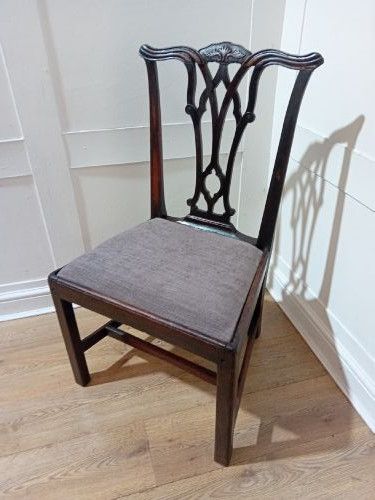
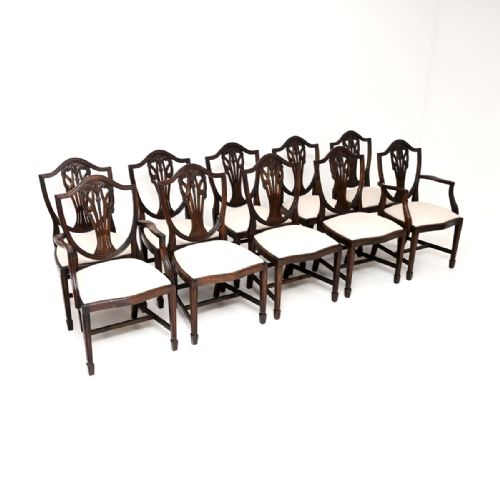
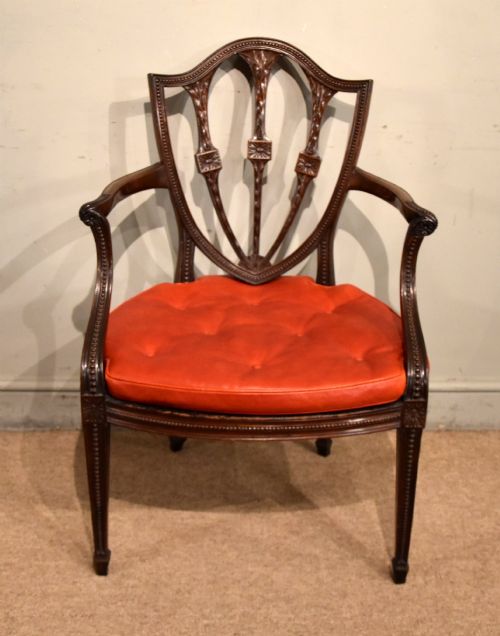
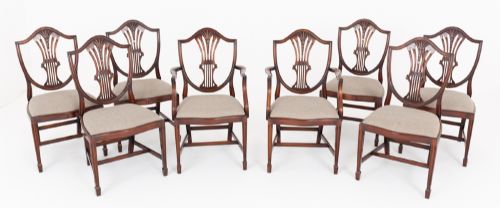
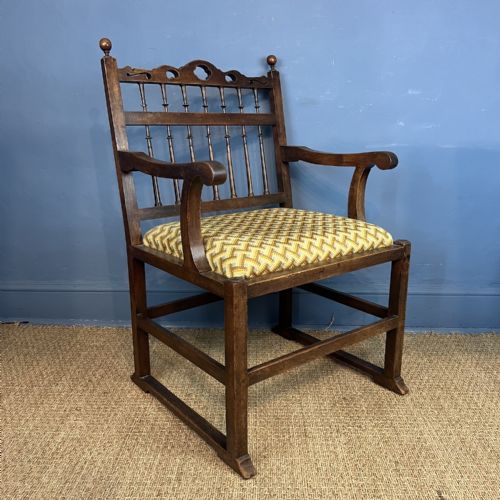
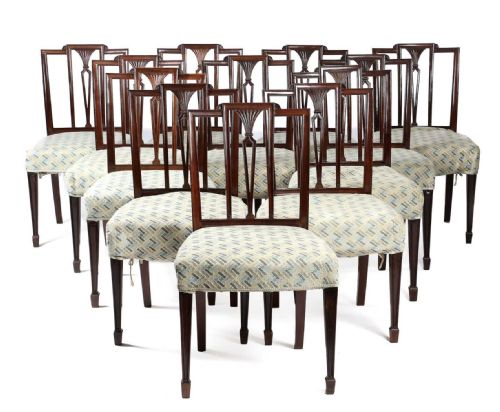
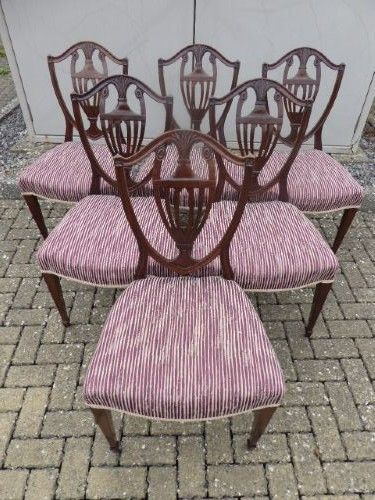
The version most commonly met on this page is the single side chair or armchair in mahogany, often featuring carved details on the splat or shield back and dating from the eighteenth century.
Pieces span from authentic eighteenth-century examples to later nineteenth-century revivals and early twentieth-century interpretations utilising traditional designs.
Materials and Technique
Makers relied principally on dense timbers such as mahogany, walnut, and oak, alongside occasional decorative elements in giltwood, painted finishes, and yew wood.
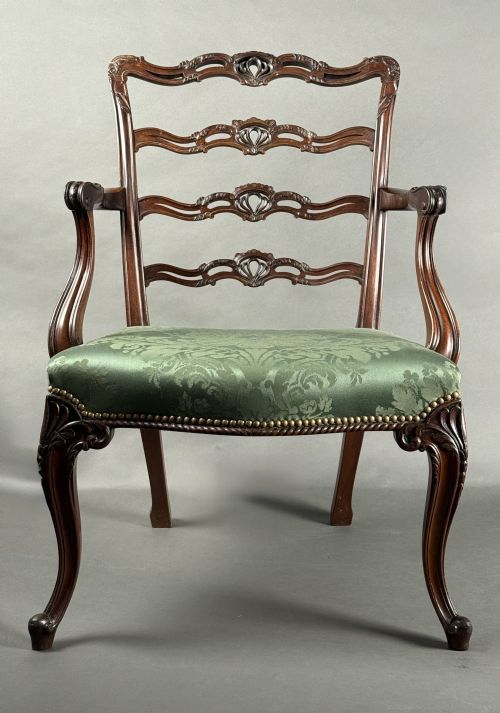
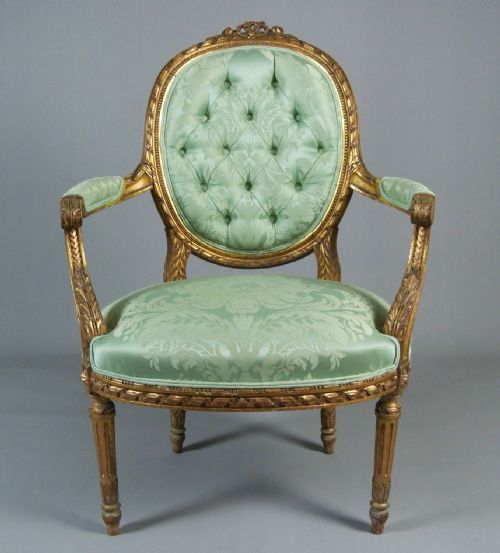
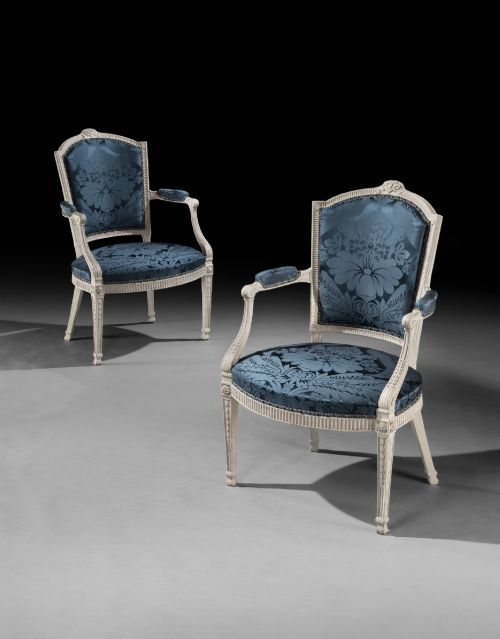
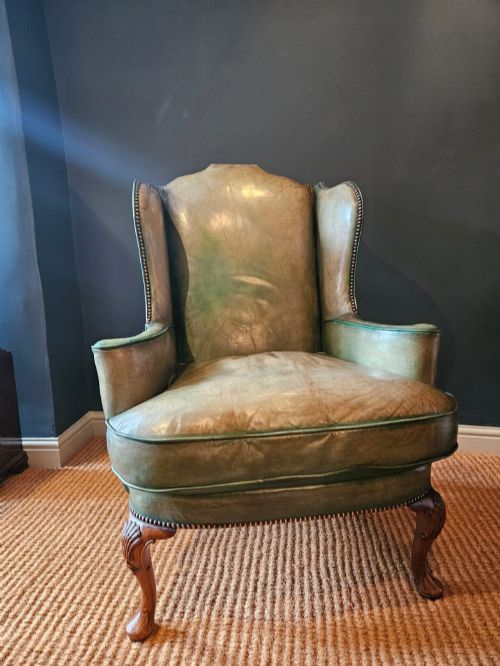
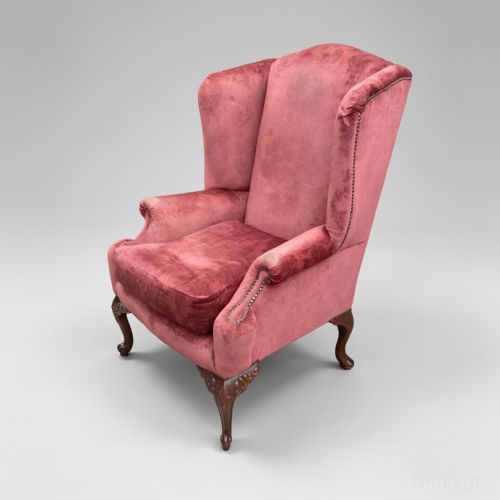
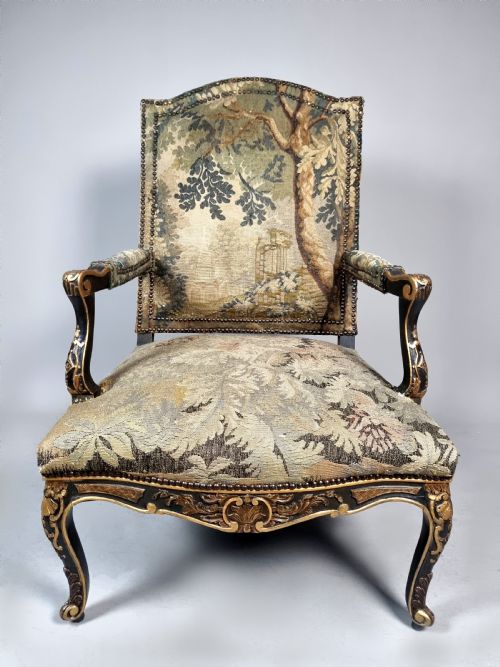
Joinery techniques combined mortise and tenon frames with hand-carved ornamentation on splats, rails, and cabriole legs, occasionally incorporating brass details and traditional upholstery materials like leather, damask, and fabric.
One curious piece in the archive is a dedicated drunkards chair designed with a generous seat for steadying revelers.
Craftsmanship and Proportion
Quality rests in the crispness of the hand-carving and the integrity of the timber framing, where sharper relief work and well-figured wood distinguish finer workshop output from simpler production.
Proportion and structural balance dictate the distinction between standard utilitarian seating and pieces executed to specific designer patterns or commissioned for important libraries and dining rooms.
Thomas Chippendale·Alex Campbell·Robert and John Linnell·Gillows
The George III Carved Chair Glossary
- Shield back
- A chair back shaped like a classic heraldic shield, popularised during the late eighteenth century. This design often incorporates pierced splats and delicate carving.
- Gainsborough chair
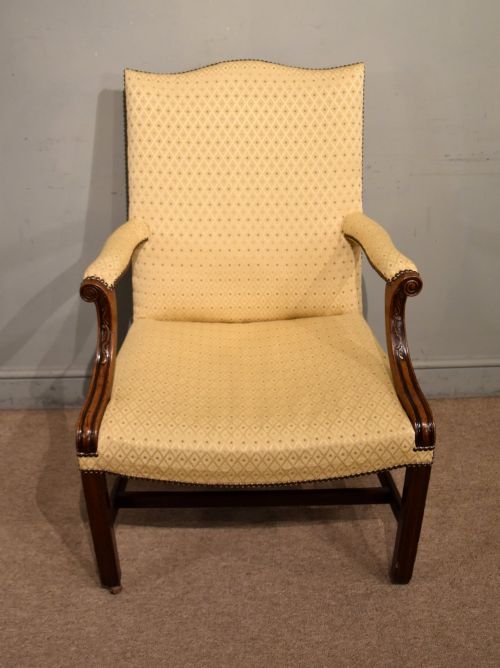
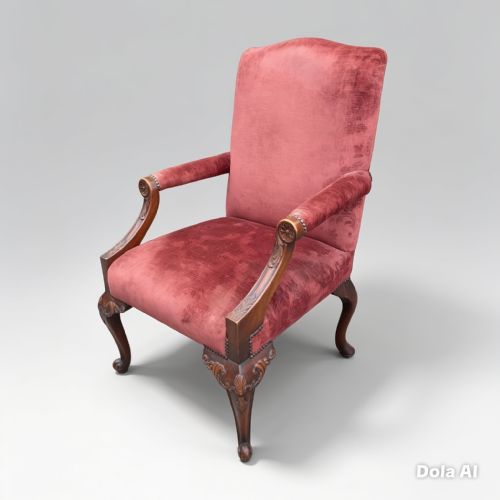
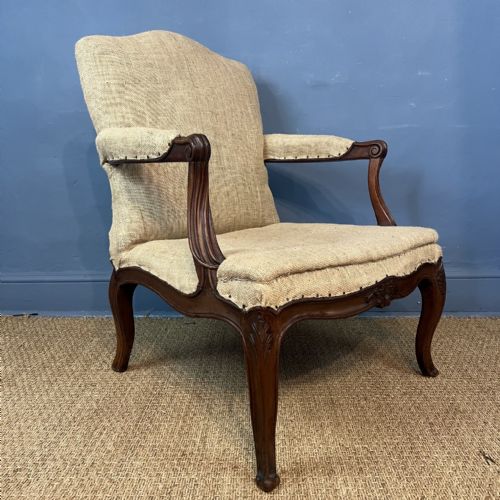
- A wide, upholstered armchair with open padded arms, short legs, and a square back. It was designed for reading and writing desks.
- Cabriole leg
- A furniture leg that curves out in a convex arc and tapers inward in a concave arc, ending in a pad or claw foot. It reflects classical influences common in Georgian design.
- Hall chair
- A rigid wooden seat intended for entrance halls, frequently featuring a solid carved back and painted or sculptural heraldic motifs. These pieces were rarely upholstered.
- Corner chair
- A seating form designed to fit into room angles, featuring a diagonal seat plan and a curved back rail supported by turned columns.
George III Carved Chair: Frequently Asked Questions
How do I spot an eighteenth-century original?
Examine the timber shrinkage, hand-cut joinery, and the wear patterns on the feet and seat rails. Eighteenth-century pieces show distinct tool marks and patination that later revivals lack.
Compare the timber density and the crispness of the carving against documented examples from the same period to confirm authenticity.
Where should I place a Gainsborough chair?
A Gainsborough chair sits comfortably beside a desk, in a library, or as an accent seat in a living room. Its open arms and compact upholstered frame allow it to occupy less visual space than a heavy wingback.
Keep the chair away from direct heat sources and strong sunlight to protect the timber finish and the fabric upholstery.
How do I care for antique mahogany wood?
Dust the wood regularly with a dry, soft cloth and apply a traditional beeswax polish sparingly to maintain the natural sheen. Avoid silicone-based sprays, which can penetrate the grain and damage the finish.
Maintain a stable room humidity to prevent the timber from drying out or the frame joints from loosening over time.