

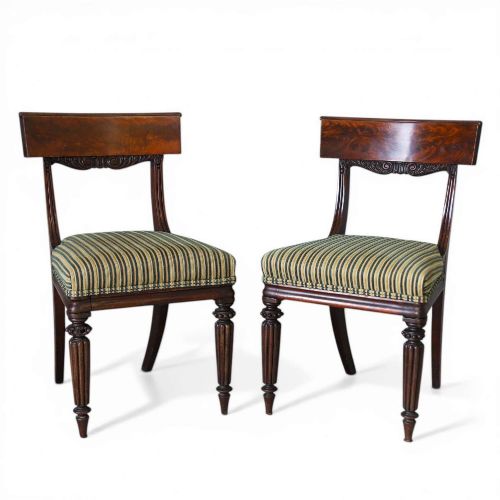
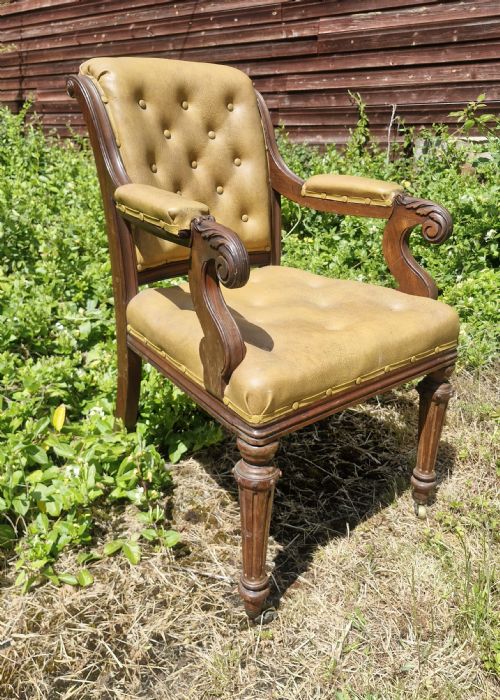


Fluted Leg Mahogany Chairs
Fluted leg mahogany chairs bring structural elegance and rich timber tone to a room, offering enduring seating shaped by centuries of cabinet-making tradition.
Fluted Leg Mahogany Chairs
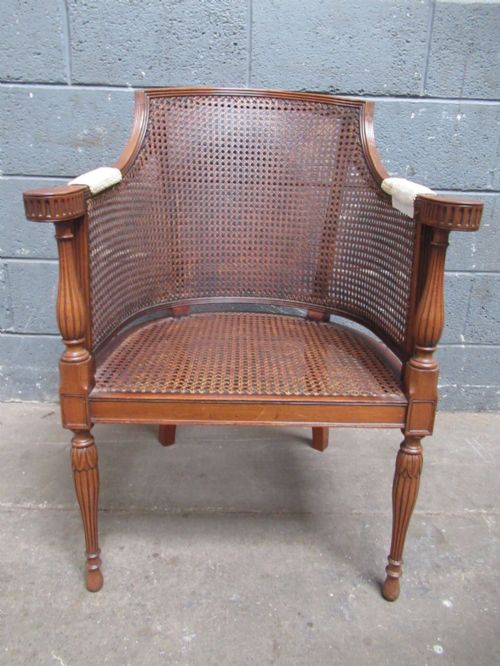
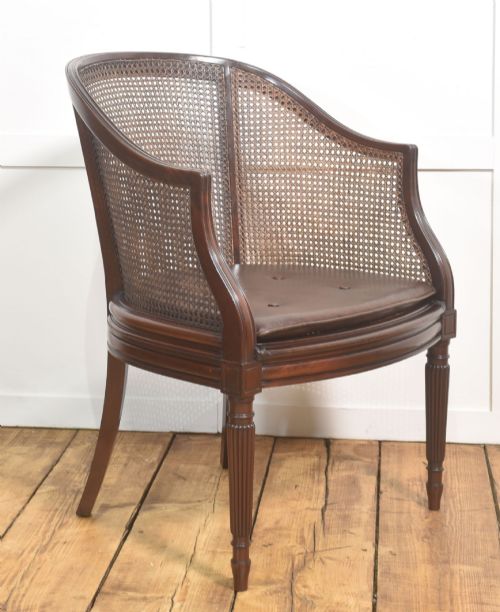
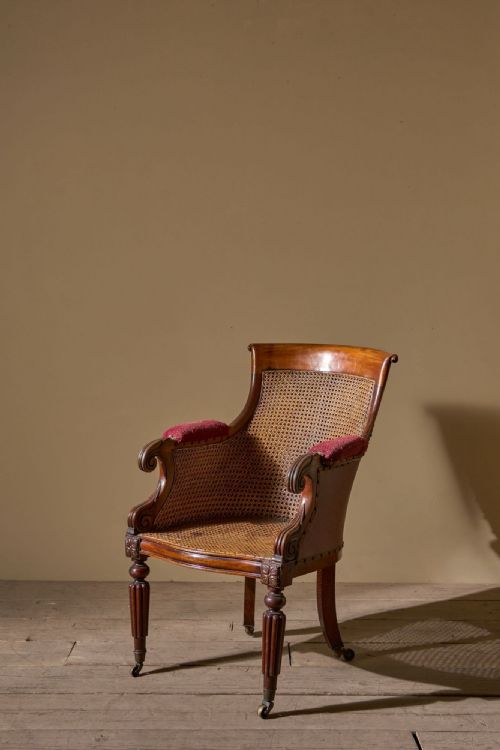
Fluted leg mahogany chairs encompass dining chairs, armchairs, and side chairs spanning the Georgian, Regency, and Victorian periods. These seating options emerge primarily in dining sets and library pairs, showcasing classic timber frames.
The most common examples encountered on this page stem from the 19th Century and Regency eras, alongside later revivals from the Edwardian period and the 1930s. They appear in forms ranging from bar back and lyre back dining chairs to tub armchairs and hall chairs.
Materials and Construction
Makers shaped these pieces primarily from solid mahogany, occasionally incorporating rosewood for distinct colour variation or brass for inlay detail. Cane, leather, and various upholstery fabrics feature heavily as seating inserts and pad coverings.
Cabinet-makers carved the timber manually, turning upright supports and cutting flutes directly into the wood grain. Frames were joined using traditional mortise and tenon methods to ensure structural longevity.
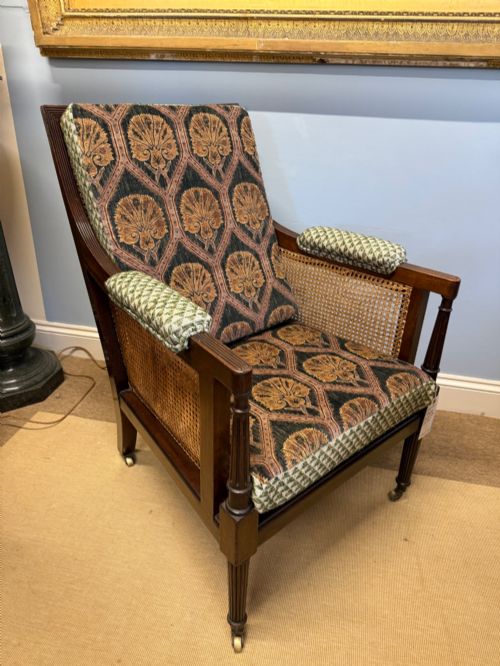
Some library armchairs feature barrel backs designed originally to block cold draughts in large country house rooms.
Assessing Quality and Craftsmanship
Quality rests in the crispness of the timber carving and the architectural proportion of the frame. Pieces produced by established workshops exhibit tighter joinery and more refined surface finishes.
The choice of secondary woods and the integrity of original cane or upholstery webbing distinguish finer examples from standard production. Horn and brass details, where present, reveal the precision applied during assembly.
Gillows·John Linnell
The Fluted Leg Mahogany Chairs Glossary
- Fluting
- Vertical parallel grooves carved into the surface of a leg or column. This decorative technique originates from classical architecture and lightens the visual weight of heavy timber.
- Mahogany
- A durable tropical hardwood prized for its deep reddish-brown tone and stable grain. It accepts fine carving and polishes to a smooth finish.
- Bergere
- An enclosed upholstered armchair with wooden framing and cane sides or back panels. It provides an open yet supportive seat.
- Bar back
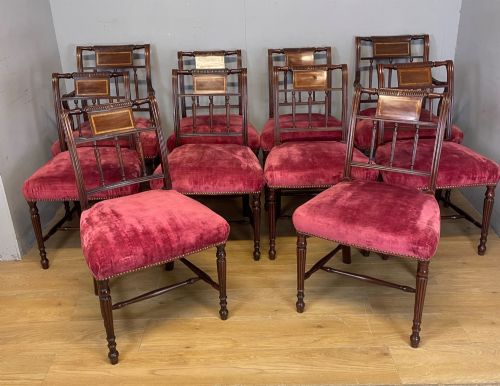
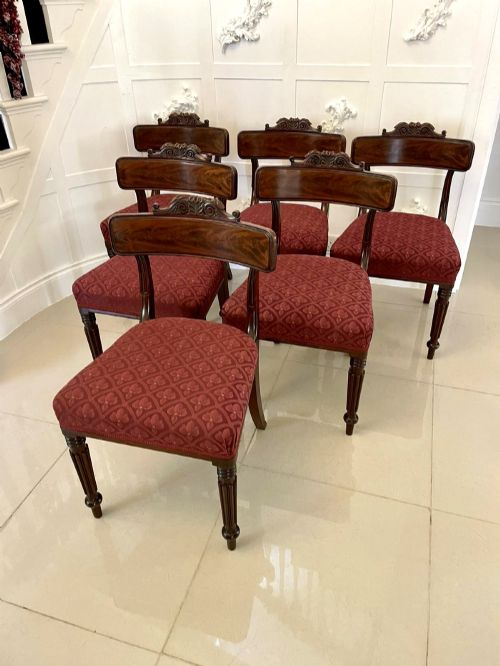
- A chair design featuring a horizontal top rail shaped like the curved bar of a harness. This style appears frequently on dining seating from the Regency and William IV periods.
- Lyre back
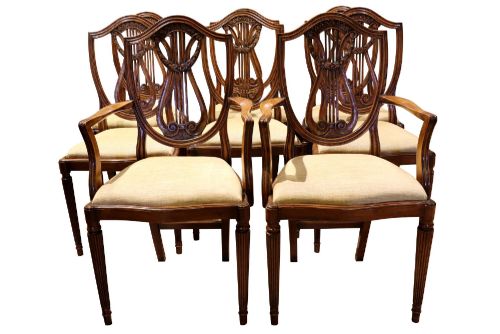
- A chair splat shaped in the outline of a musical lyre. It gained popularity during the neoclassical and Regency revivals.
Fluted Leg Mahogany Chairs: Frequently Asked Questions
How do I care for mahogany chair frames?
Clean the timber surfaces periodically with a soft, dry cloth to remove dust. Avoid harsh chemical polishes and keep the wood away from direct heat sources.
Condition the timber occasionally with traditional wax to maintain the natural lustre of the grain. Check joinery gently over time to ensure stability remains firm.
Can these chairs be used around a modern dining table?
These seating forms integrate well with contemporary dining settings through their classic timber warmth and slender vertical proportions. Their varied heights and seat depths complement diverse table designs.
Measure the clearance beneath your table apron to ensure the armchairs or carvers slide underneath comfortably. Mixing single side chairs with matching armchairs adds traditional character to a modern room.
What is the difference between a side chair and a carver chair?
Side chairs lack armrests and possess narrow frames intended primarily for placement around a dining table or against a wall. They offer compact seating without side obstruction.
Carver chairs feature integrated armrests and typically stand at the head of a dining table or function as desk and library seating. Their wider proportions provide additional physical support.
How do I identify Regency period seating?
Regency pieces often display classical neoclassical motifs, including sabre legs, brass inlay, and reeded or fluted woodwork. The timber tends to exhibit rich figuring and deep red tones.
Look for structural cues such as integrated back rails and restrained carving that departs from the heavier ornamentation of later Victorian items.