

George III Candle Table
These george iii candle table pieces are compact timber stands designed to hold light near a chair or bed, offering both practicality and period character.
George III Candle Table
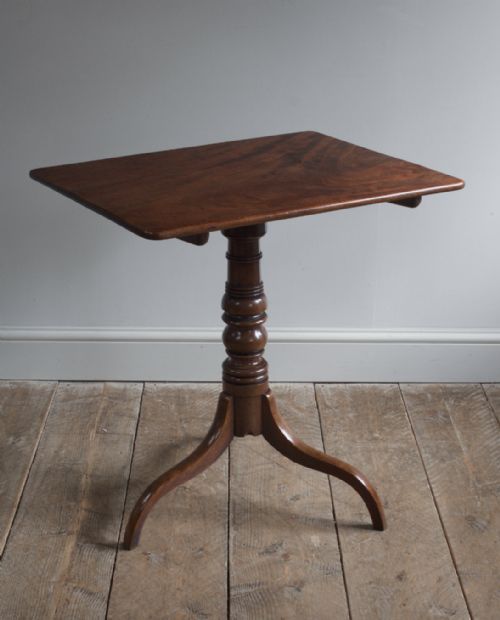
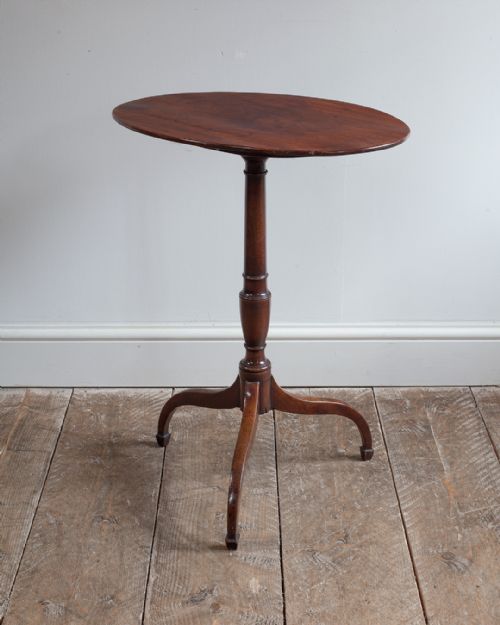
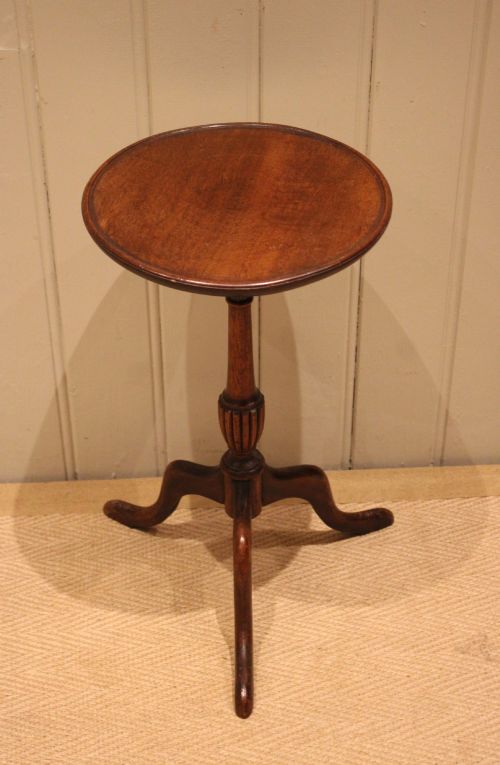
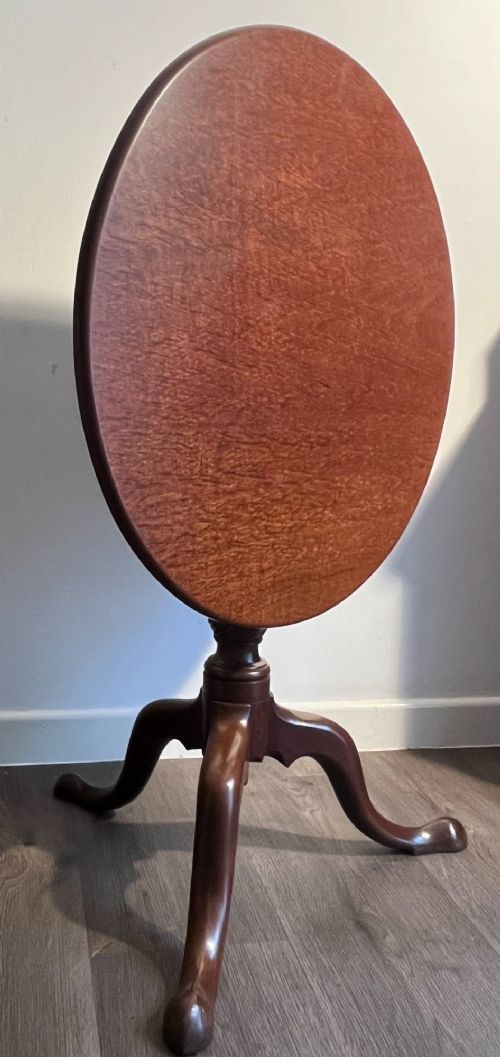
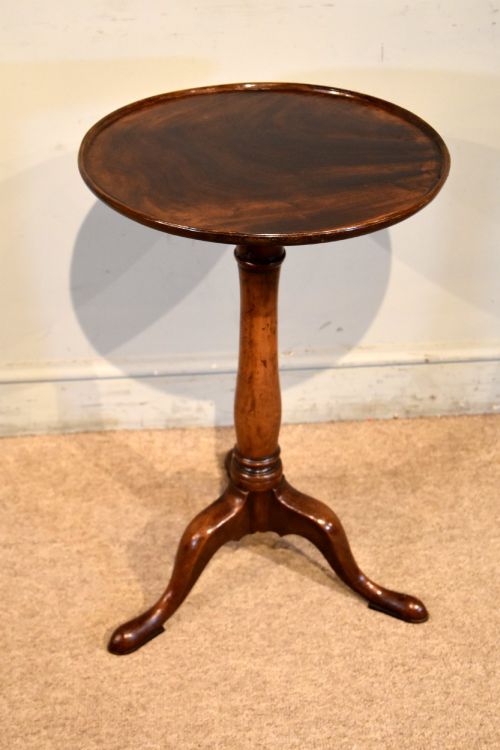
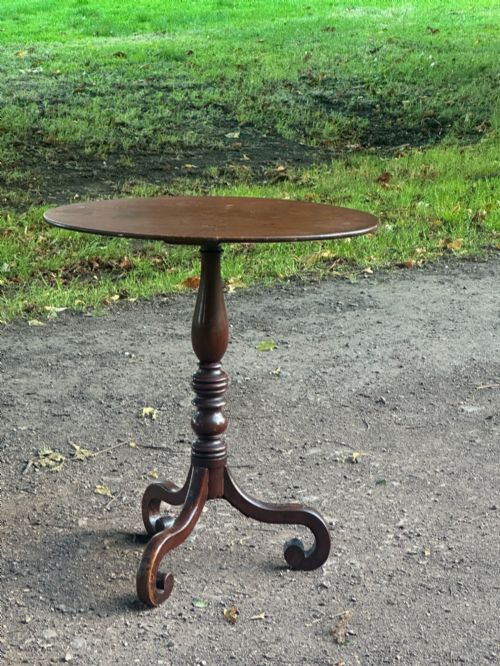
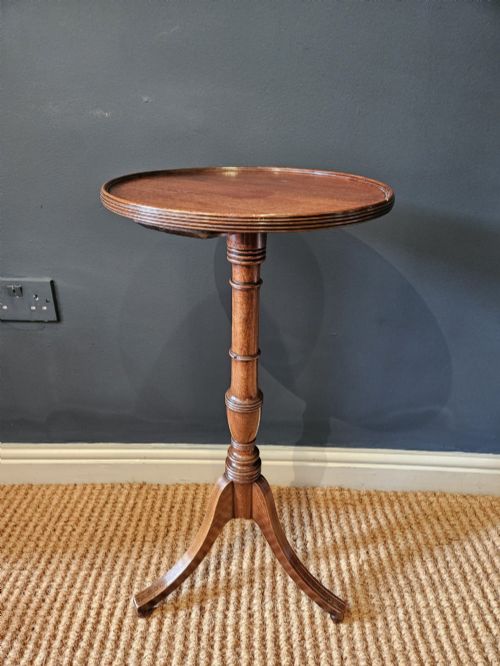
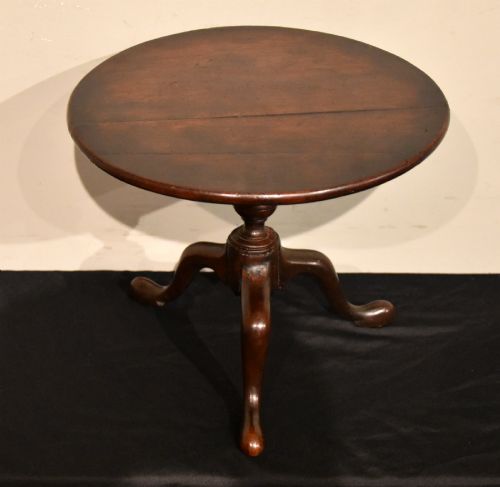
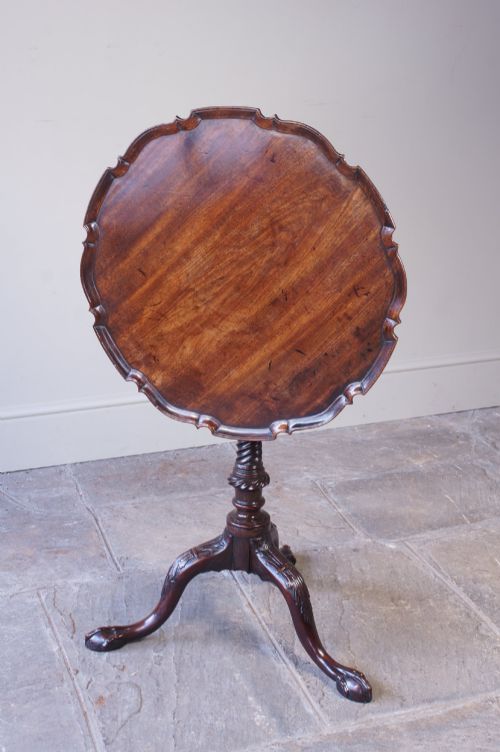
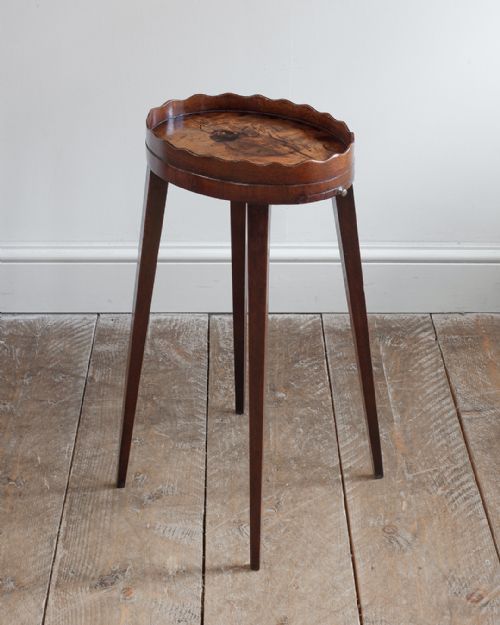
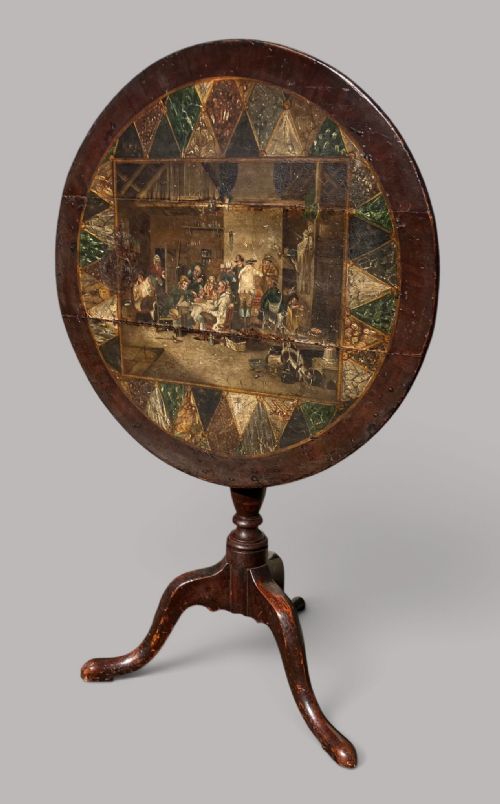
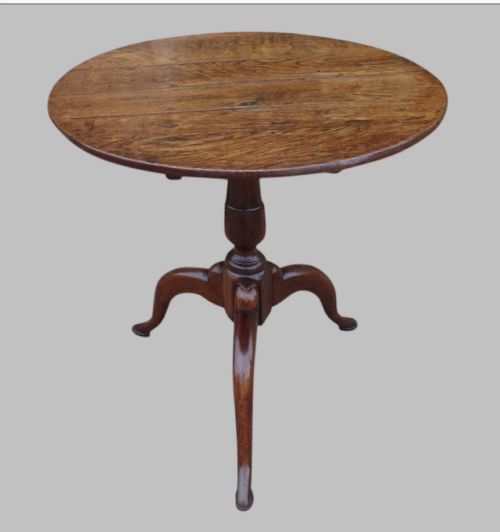
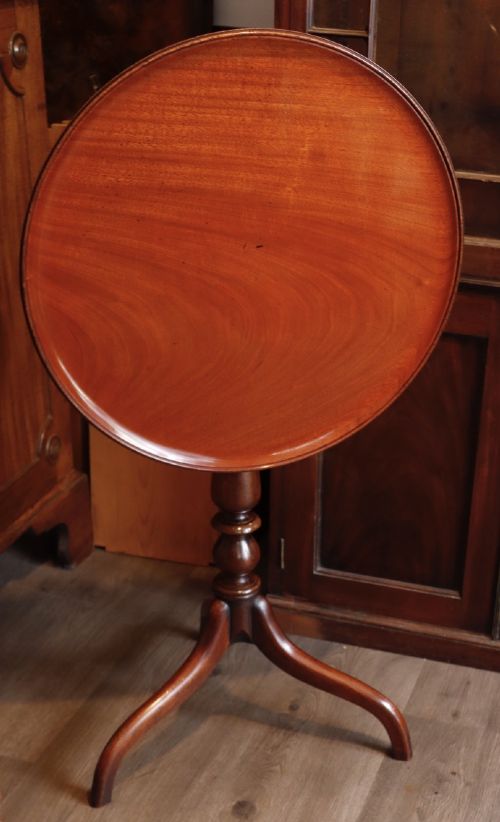
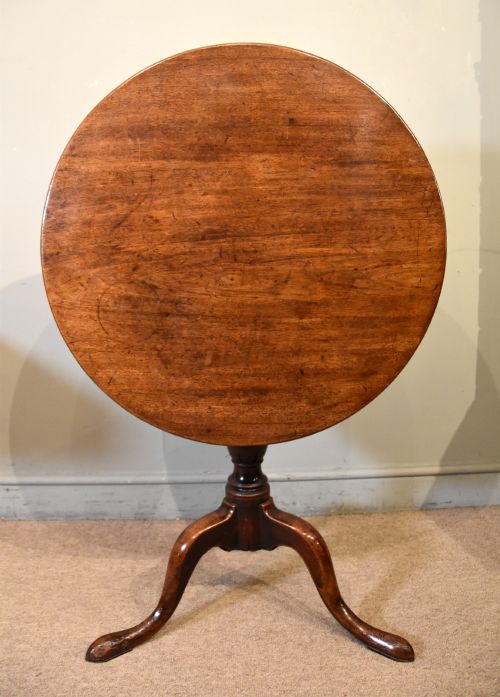
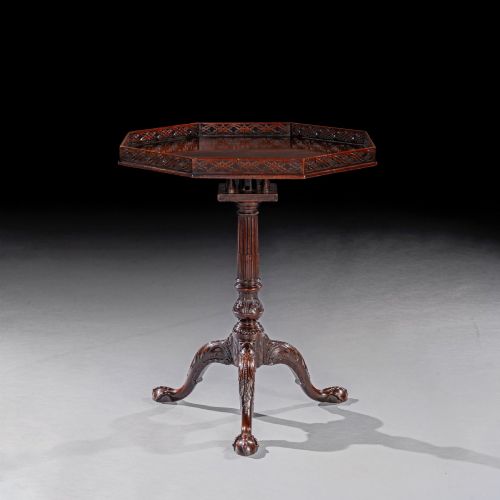
A george iii candle table is primarily a small, portable timber stand built with a circular or octagonal top supported by a central pillar and three splayed legs. The tripod form dominates the pieces found here, often designed with a tilting top mechanism for convenient storage against a wall.
Most examples date from the eighteenth century and the Georgian era, constructed in dense timbers such as mahogany or country oak. Makers also produced smaller variants intended to serve as wine tables, kettle stands, or occasional furniture beside seating.
Alongside timber stands, the evidence includes larger silver plated and old sheffield plate candelabra suites designed for formal dining surfaces. These metal lighting pieces share the same period aesthetic but serve a distinct room function compared to the wooden tripod tables.
Materials and construction
Cabinetmakers relied heavily on solid mahogany, oak, and occasionally walnut or satinwood for the tops and slender columns of these tables. Turners shaped the central pillars on lathes, while joiners secured the tripod base with dovetail or tenon joints to ensure stability.
Many wooden versions incorporate a birdcage mechanism beneath the tabletop, allowing the surface to pivot and rotate independently of the column. Metal pieces utilise old sheffield plate or silver plate over a copper base, shaped through spinning and soldering techniques.
George III Candle Table Retail Price Guide 2026
Typical asking prices for george iii candle table among the pieces listed under this phrase on Sellingantiques today, from the lower quarter to the upper quarter. They describe what is for sale here now, not the wider market.
One recorded table arrives complete with a sturdy burr elm top, proving that country makers embraced wild timber grain just as enthusiastically as city workshops.
Distinctions in quality
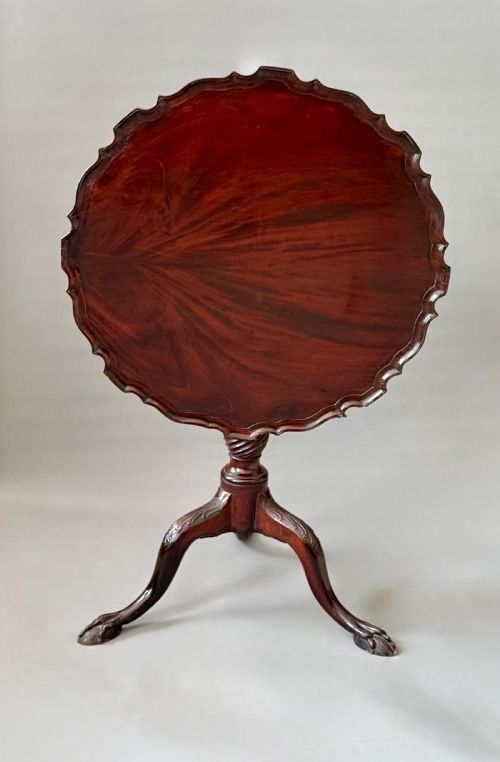
The sophistication of the timber figure and the crispness of the edge moulding define the upper tier of these tables. Plain round tops contrast with examples featuring carved pie-crust edges, floral marquetry inlay, or snap-top birdcage actions.
Proportion and slenderness in the central column separate standard utility tables from finer parlor pieces. Balance rests entirely on the relationship between the weight of the top and the spread of the tripod legs.
Matthew Boulton
The George III Candle Table Glossary
- Tripod table
- A small freestanding table supported by a central pillar resting on three legs. This construction prevents wobbling on uneven floorboards.
- Tilt-top
- A tabletop hinged to the top of the central column so it can be folded vertically when not in use. This allowed servants to clear floor space quickly in smaller rooms.
- Pie-crust edge
- A raised, scalloped tabletop border carved from the solid wood of the top itself. It required considerable skill from the joiner to shape the undulating profile.
- Birdcage
- A wooden framework beneath the tabletop that allows the surface to both rotate and tilt. It consists of small turned pillars connecting two parallel plates.
- Old Sheffield plate
- A composite material formed by fusing a thin sheet of silver to a thicker copper ingot. The technique predates electroplating and produces a warm tone as the underlying copper shows through wear.
George III Candle Table: Frequently Asked Questions
What is a george iii candle table?
A george iii candle table is a compact eighteenth-century stand designed to support a single light source beside a chair or bed. These pieces typically feature a round wooden top on a slender pillar and three splayed legs.
Many examples include tilt-top or birdcage mechanisms so the surface could be folded away when the room was not in use.
How were these tables used?
Original owners placed these stands near seating areas to hold wax candles or oil lamps for reading and needlework. Their lightweight construction allowed servants to move them easily around the room as daylight faded.
Over time, owners also utilised them as wine tables or small occasional surfaces for tea equipment.
Are all these tables made of mahogany?
While mahogany is the dominant timber across the surviving pieces, cabinetmakers also worked in oak, walnut, and satinwood. Country workshop pieces frequently utilised native oak rather than imported tropical hardwoods.
Inland lighting fixtures might also incorporate metals such as brass, copper, and old sheffield plate.