
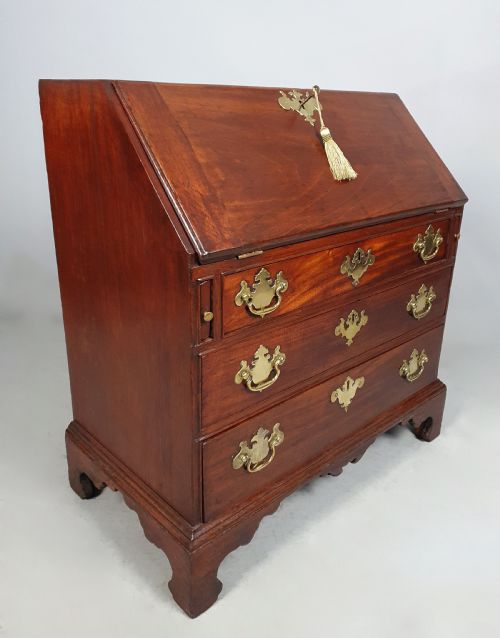


George II Secretary Desk
A george ii secretary desk brings architectural presence and intelligent storage to a room through fitted pigeonholes and drop-front writing surfaces.
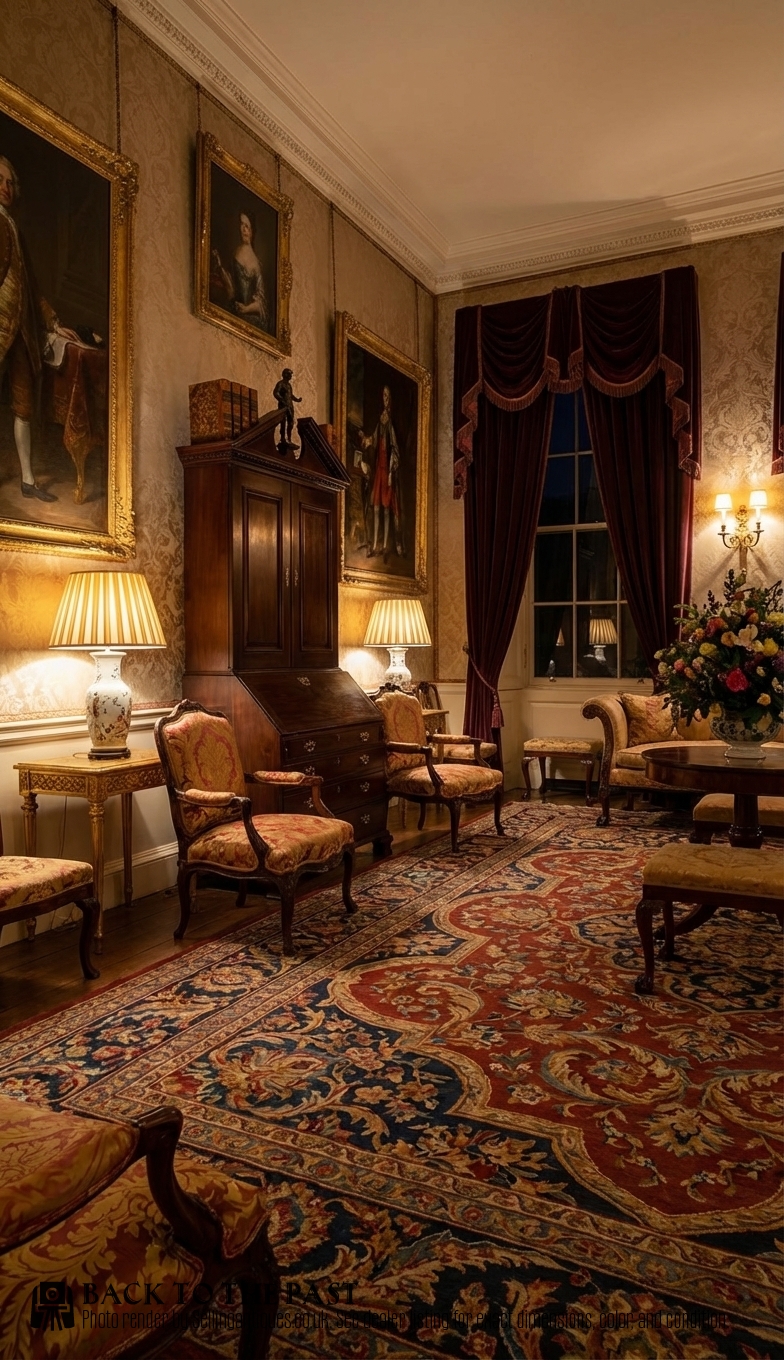
George II Secretary Desk
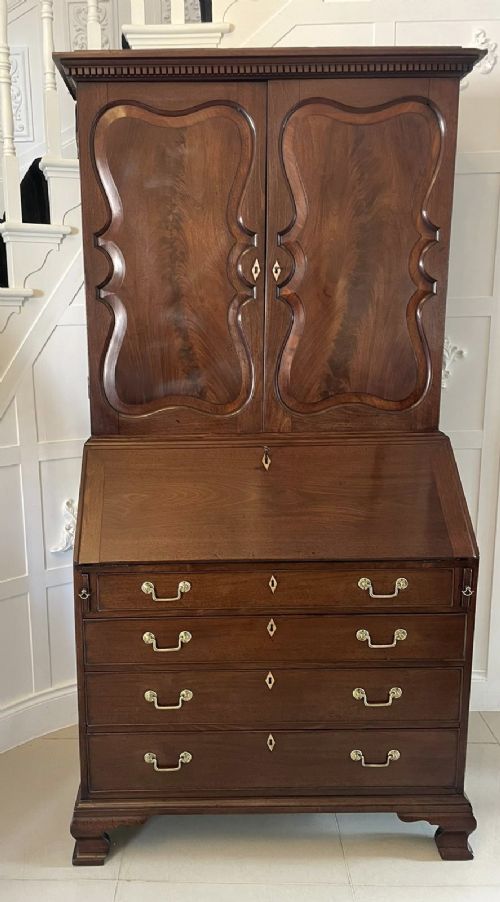
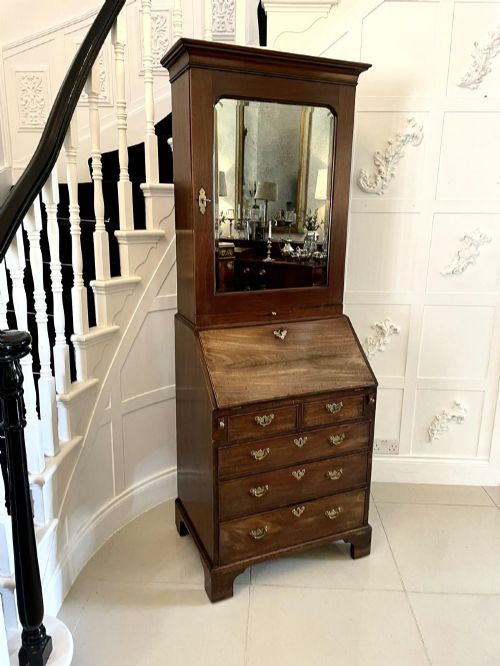
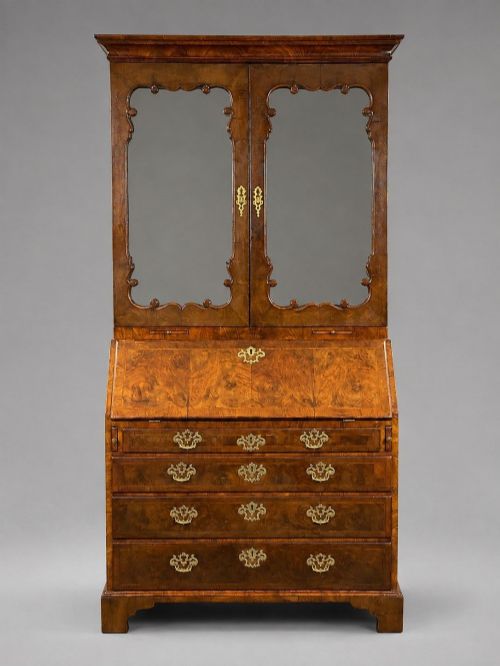
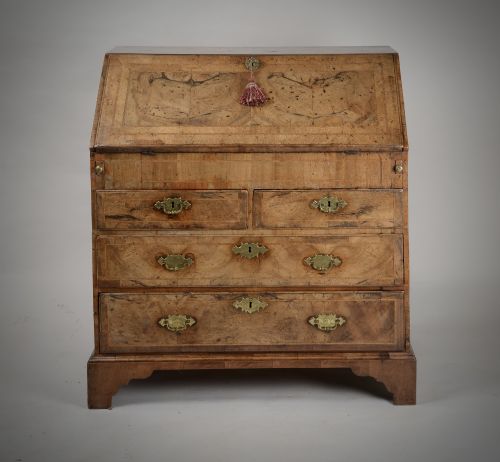
A george ii secretary desk combines a writing compartment with deep drawer storage or an upper bookcase section, emerging from the 18th century in Georgian forms. Bureau bookcases and smaller writing bureaux represent the primary formats found across these pieces, often constructed with a fall-front flap that opens to reveal internal drawers and pigeonholes.
Makers of this era produced pieces designed for domestic correspondence and estate management, reflecting the architectural tastes of the mid 18th century. Walnut, mahogany and oak dominate the surviving examples, ranging from tall bookcase combinations to compact writing desks.
What varies in quality
The choice of timber grain sets the visual hierarchy, with highly figured mahogany and burr walnut commanding attention over plain domestic hardwoods. Selecting timbers with strong natural patterning and consistent colour marks the work of superior cabinet shops.
Proportion and scale dictate the success of the piece, particularly where bureau bookcases balance upper shelving against deep lower desks. The refinement of interior fittings, such as secret compartments and shaped pigeonholes, separates standard utility items from ambitious cabinet work.
Some diminutive bureau examples measure around three feet wide, proving that Georgian cabinet makers understood the art of living in compact spaces.
Giles Grendey
The George II Secretary Desk Glossary
- Bureau
- A desk featuring a sloping hinged lid that drops to form a writing surface above a chest of drawers. This term often appears interchangeably with escritoire in period descriptions.
- Secretaire cabinet
- A tall case piece incorporating a dedicated writing drawer or fitted drop-front compartment within its elevation. These items combine bookcase display space with private workspace.
- Burr walnut
- Timber harvested from walnut tree growths that display intricate, swirling grain patterns. Cabinet makers prized this material for veneering prominent drawer fronts and fall flaps.
- Fruitwood
- Dense timber gathered from fruit-bearing trees such as pear or apple, utilised for smaller desks and secondary framing. It offers a smooth texture and warm tone.
George II Secretary Desk: Frequently Asked Questions
What is a george ii secretary desk?
A george ii secretary desk is an 18th century writing cabinet featuring a fall-front writing flap and internal compartments, often surmounted by a glazed bookcase.
These pieces served as functional household furniture for managing correspondence and storing papers during the Georgian period.
How do I date a bureau bookcase?
Dating relies on timber selection, construction methods, and hardware styles characteristic of the 18th century. Walnut dominated earlier decades, while mahogany became predominant by the middle of the century.
Secondary woods, dovetailing techniques, and handle configurations help narrow the decade of production.
Where should I place my desk?
These wooden case pieces require stable interior environments away from direct heat sources and strong sunlight to protect delicate veneers. Positioning them against a solid wall allows safe access to the drop-front writing surface and upper doors.
Adequate clearance is necessary to open the fall-front flap fully without obstruction.
What wood was used?
Makers constructed these desks using mahogany, walnut, burr walnut, oak, fruitwood, and cedarwood. Primary display surfaces frequently featured figured veneers laid over solid pine or oak carcases.
Internal partitions and drawer linings often utilised secondary timbers like oak or softer fruitwoods.