


George II Mahogany Chair
When you search for a george ii mahogany chair, you enter a field defined by solid mahogany frames, cabriole legs, and upholstered comfort.
George II Mahogany Chair
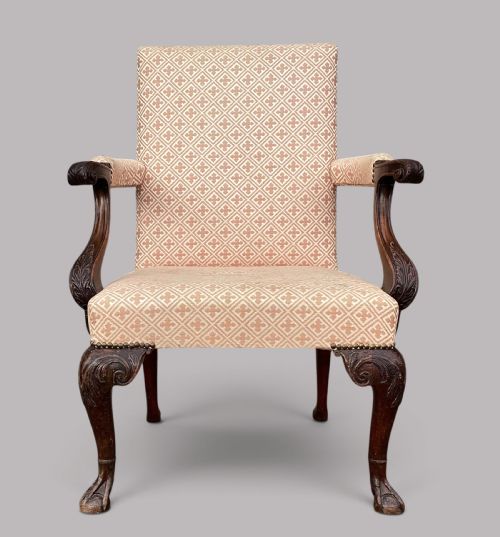
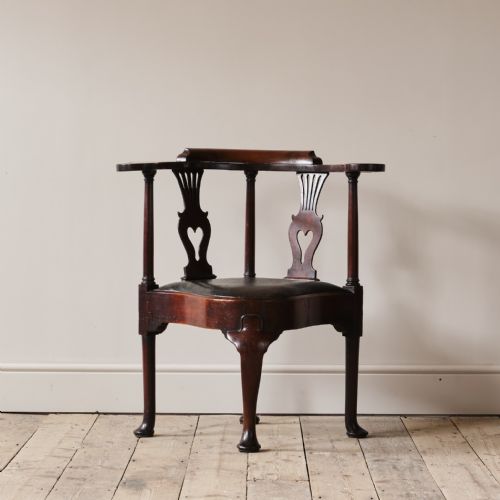
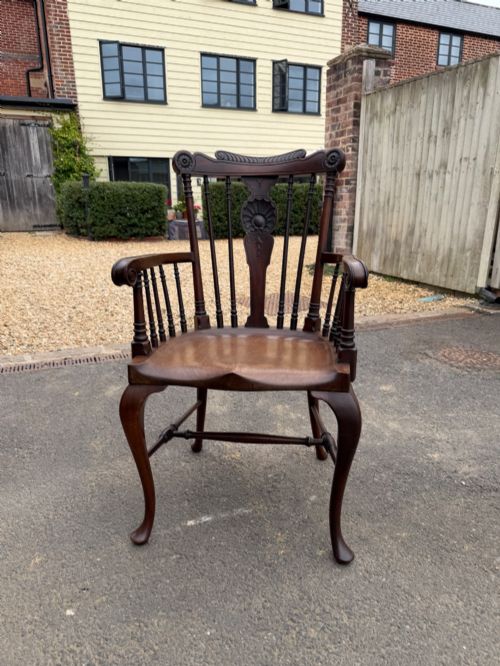
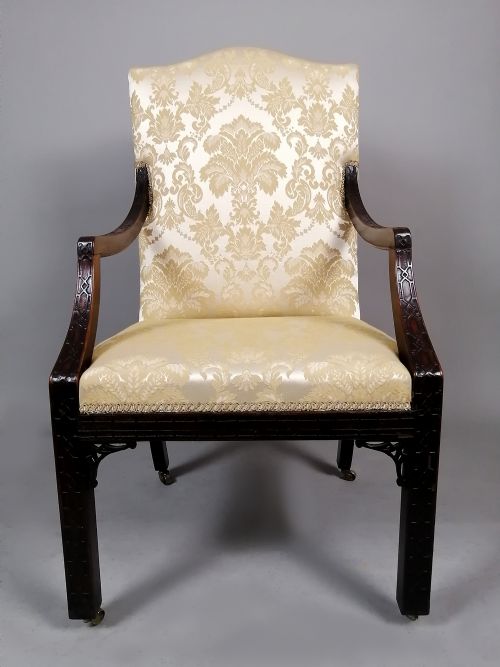
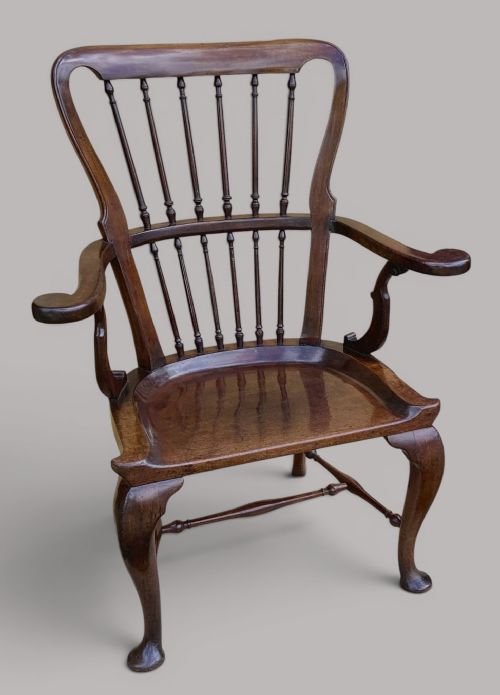
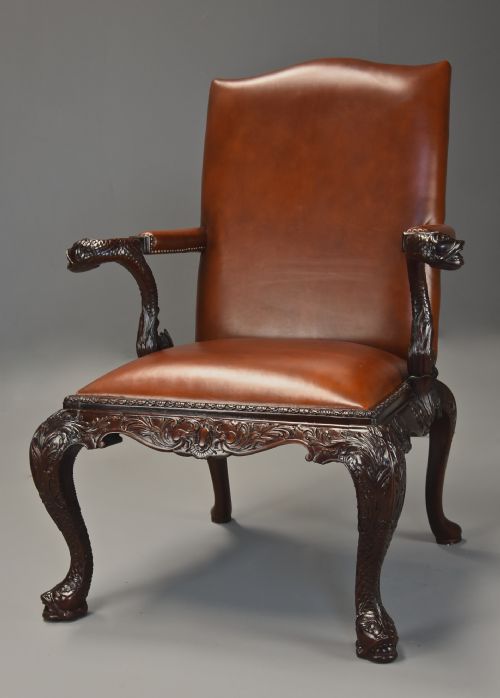
A george ii mahogany chair encompasses forms ranging from open library armchairs and Gainsborough designs to dining chairs, side chairs, and corner seating.
The materials span original mid-eighteenth-century examples alongside nineteenth-century revivals and twentieth-century interpretations.
Buyers encounter both individual seating pieces and matching sets intended for formal dining or parlour use.
How they were made
Makers utilised dense mahogany for the structural frames, often shaping the timber into cabriole legs and supportive armrests.
Seating areas and backs relied on traditional textile coverings including leather, velvet, tapestry, and fabric upholstery fixed over brass elements.
Listings feature mahogany frames paired with brass, leather, velvet, and tapestry textiles across eighteenth, nineteenth, and twentieth-century periods.
What varies in quality
The standard of carving on the mahogany frame sets individual pieces apart, distinguishing simple utility forms from highly decorative library and Gainsborough chairs.
The integrity of the original timber structure and the matching cohesion of larger dining sets dictate the overarching standing of the piece.
Robert Strahan Dublin
The George II Mahogany Chair Glossary
- Cabriole leg
- A furniture leg that curves outward at the knee and tapers inward toward the foot, often ending in a pad or claw shape.
- Gainsborough chair
- A wide, upholstered armchair with open padded arms, designed for writing or reading desks.
- Corner chair
- A seating form designed to fit directly into the corner of a room, featuring a diagonal seat arrangement and curved backrest.
- Sgabello
- A lightweight wooden hall chair characterised by solid panel legs rather than four individual posts.
George II Mahogany Chair: Frequently Asked Questions
What is a Gainsborough chair?
A Gainsborough chair is a wide, open armchair featuring upholstered arms and seat designed during the eighteenth century for use in libraries or at desks.
These pieces typically stand on cabriole legs and provide an expansive seating area compared to standard dining chairs.
How do I tell an original from a revival?
Original pieces date from the mid-eighteenth century, whereas revival pieces generally emerge from the nineteenth and early twentieth centuries.
Examining the construction methods, timber ageing, and tool marks helps determine the precise period of manufacture.
Where were these chairs used?
These seating forms served multiple domestic functions in period homes, from formal dining rooms to private studies and grand hallways.
Armchairs found placement near desks and hearths while side chairs lined dining tables and walls.
How do I care for leather upholstery?
Leather surfaces require regular conditioning to prevent drying and cracking over time in modern indoor environments.
Keeping the material away from direct heat sources preserves the suppleness of the hide.