
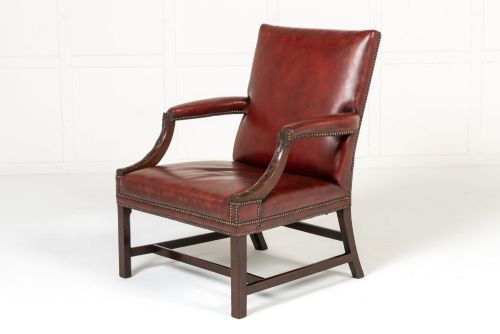
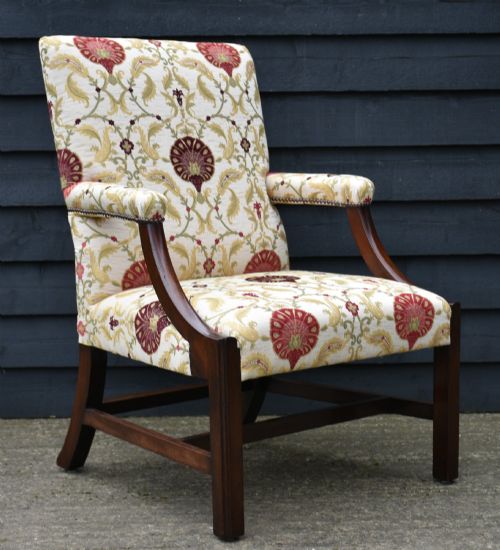
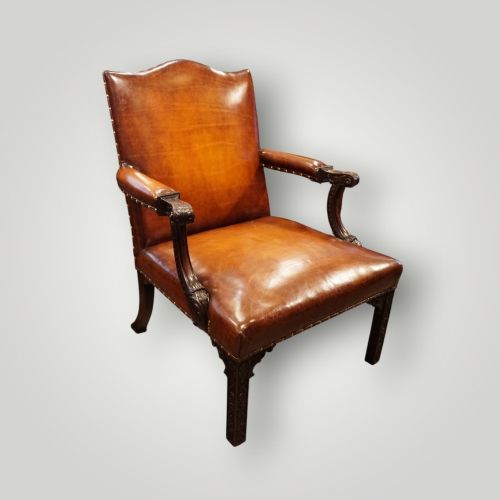
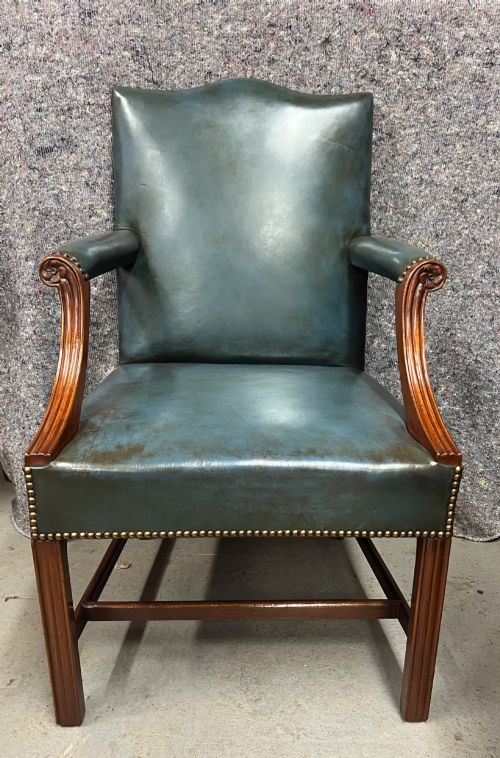


Georgian Gainsborough Armchair
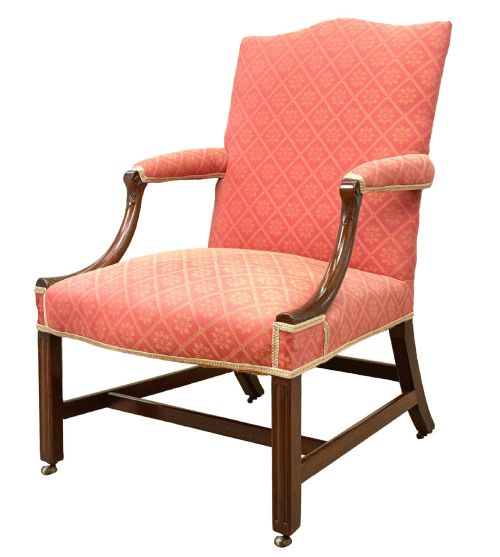
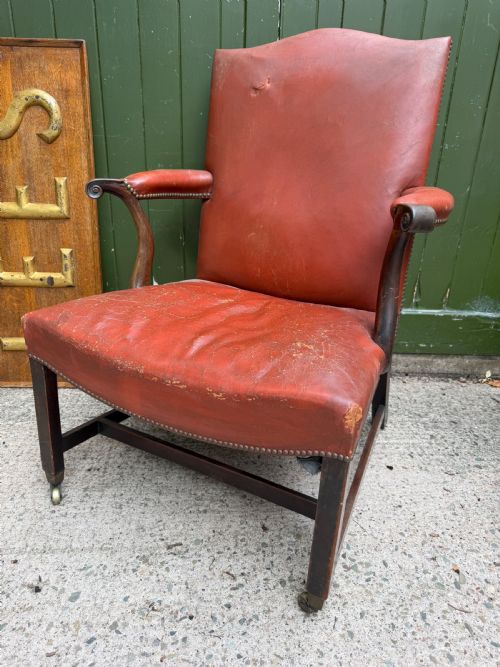
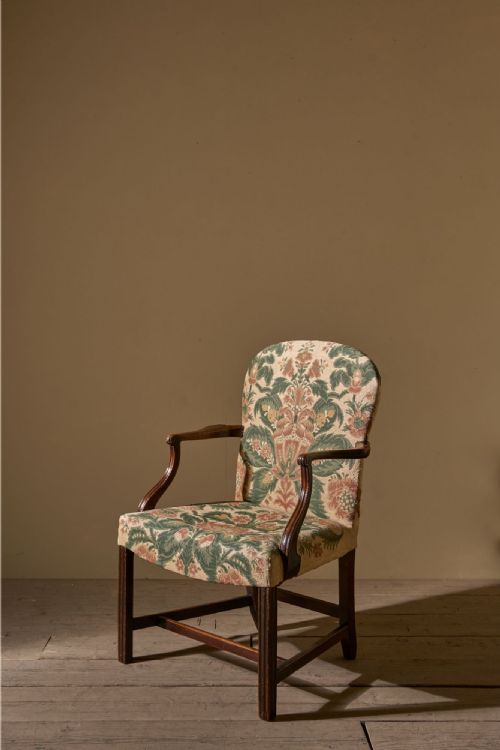
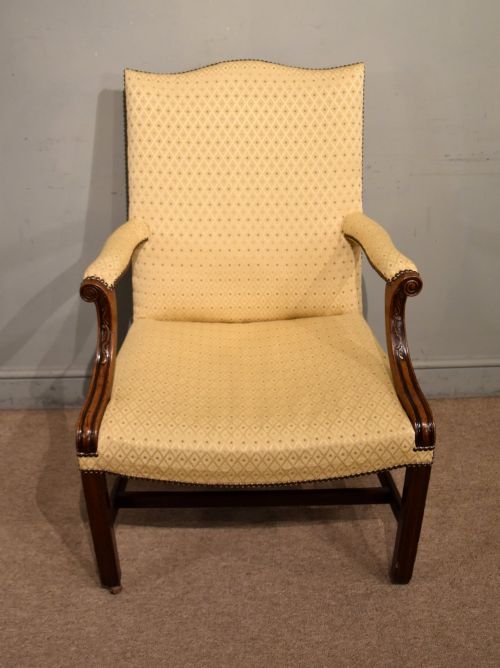
A georgian gainsborough armchair is an upholstered open-frame seat designed for writing desks and libraries, prized for its generous proportions and classic silhouette.
Georgian Gainsborough Armchair
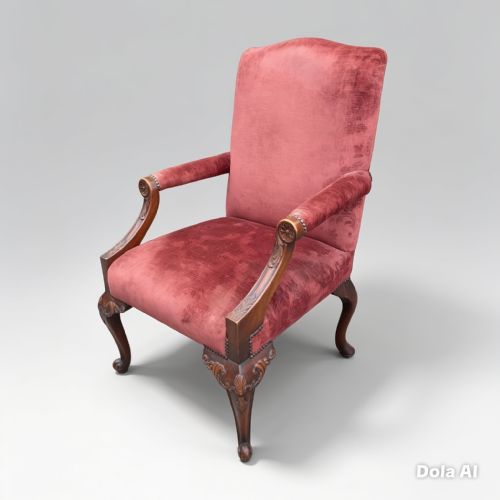
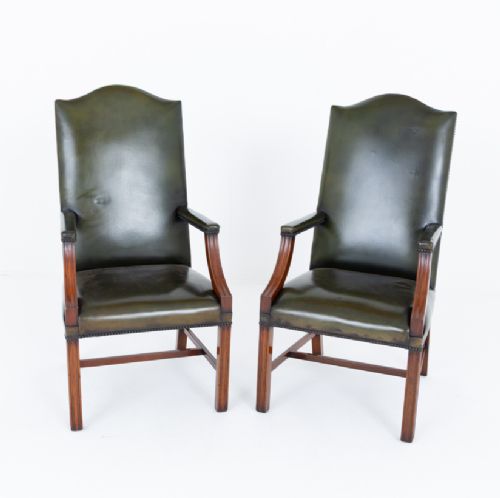
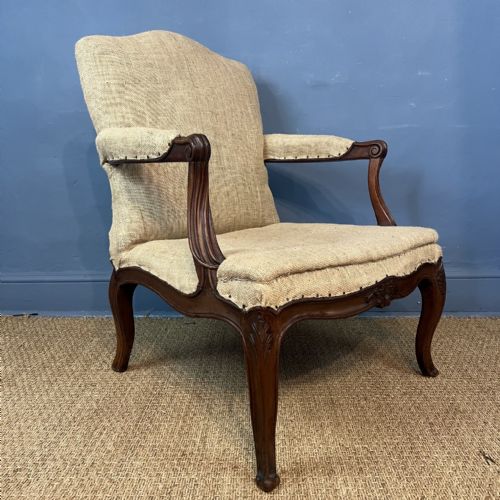
When searching for a georgian gainsborough armchair, buyers encounter wide open-armed seating designed for domestic libraries, studies and writing desks during the eighteenth century and subsequent revival periods. These seats feature padded armrests, fully upholstered backrests and seats, and distinctive upright frames that allow formal sitting while accommodating voluminous period dress. Most examples seen on this page date from the Georgian era or follow George II and George III stylistic traditions.
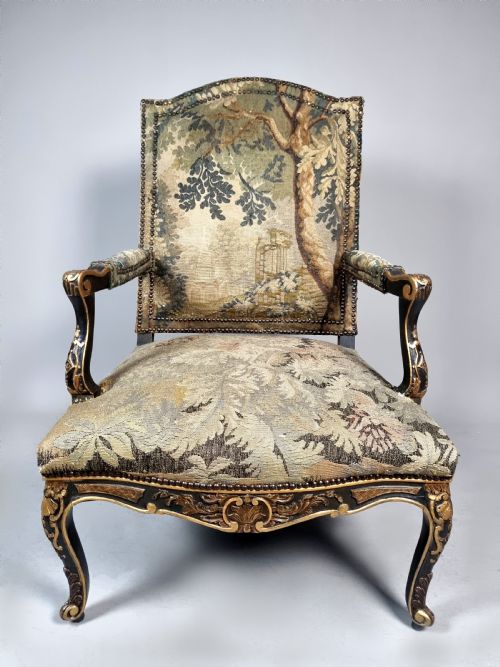
The primary forms recorded in the evidence divide between original eighteenth-century library chairs and later nineteenth- and early twentieth-century interpretations in revival styles. Desk chairs and library armchairs appear frequently, occasionally built with solid yew wood, walnut or mahogany frames. Buyers meet single chairs, pairs, and rarer sets of four, alongside scaled library armchairs upholstered in leather, damask, velvet, tapestry fabric and needlepoint.
How they were made
Makers constructed the structural frames of these armchairs principally from solid mahogany, with occasional examples shaped from walnut or yew wood. Woodworkers shaped the arms, legs and rails through joinery and manual carving, applying details such as Chippendale blind fretwork to the framework.
Traditional upholstery methods secured padding beneath coverings of leather, hide, damask, velvet, tapestry or fabric. Craftsmen finished the edges using brass tacking or upholstery nails to secure the textile layers directly to the wooden rails.
What varies in quality
The distinction between standard examples and top-tier pieces rests upon the crispness of the woodcarving, the proportions of the frame, and the integrity of the materials. Superior library chairs exhibit fluid lines in the arm supports and refined detailing on the cabriole or straight legs, whereas lesser examples display simpler turnings or heavier, unrefined timber proportions.
Historical authenticity and material selection further differentiate the range. Original eighteenth-century pieces with untouched timber frames and period leather or woven upholstery command greater regard than later revival pieces, though fine-quality twentieth-century copies still demonstrate meticulous cabinetmaking and hand-dyed hides.
The Georgian Gainsborough Armchair Glossary
- Gainsborough armchair
- A wide, upholstered open-arm chair originating in the mid-eighteenth century for use at a desk or in a library. The terminology links the seat type to portraits from the period, though the designation emerged long after the chairs were first built.
- Blind fretwork
- Low-relief geometric carving applied to the flat surfaces of furniture legs and rails. This ornamental technique became popular during the Chippendale period of furniture design.
- Cabriole leg
- A furniture leg that curves outward at the knee and tapers inward toward the foot, mimicking animal limbs. It appears frequently on seating from the George II period.
- Library armchair
- A sturdy upholstered seat designed for reading and writing rooms. These chairs offer padded armrests and supportive backrests suited for prolonged sitting.
Georgian Gainsborough Armchair: Frequently Asked Questions
What is a gainsborough armchair?
A gainsborough armchair is a wide, open-framed seat featuring upholstered backrests and padded armrests, built primarily during the eighteenth century for libraries and writing desks.
These chairs distinguish themselves from standard armchairs by their proportions, allowing sitters room for eighteenth-century garments while maintaining an upright posture.
How do I date a gainsborough chair?
Dating relies on examining the timber species, joinery construction, carving styles, and the wear patterns on the frame. Eighteenth-century pieces show period-appropriate tool marks and timber ageing compared to later revival items.
Stylistic markers such as George II cabriole legs or George III straight-molded legs provide reliable chronological indicators when cross-referenced with construction methods.
Where were these chairs used?
Original gainsborough armchairs served primarily in private libraries, studies, and withdrawing rooms as comfortable seats for writing and reading. Their open arms accommodated voluminous clothing worn by gentlemen and ladies in period households.
Later revival iterations continued to function as executive desk chairs and library seating in nineteenth- and twentieth-century domestic interiors.
Are all gainsborough chairs from the 18th century?
Not all gainsborough chairs date to the eighteenth century, as cabinetmakers produced significant numbers of revival pieces during the nineteenth and early twentieth centuries. Makers working around nineteen-hundred replicated George II and George III styles using period techniques.
Distinguishing original eighteenth-century examples from later interpretations requires careful inspection of the timber ageing, internal framing, and upholstery foundations.