





George II Cabinet Furniture
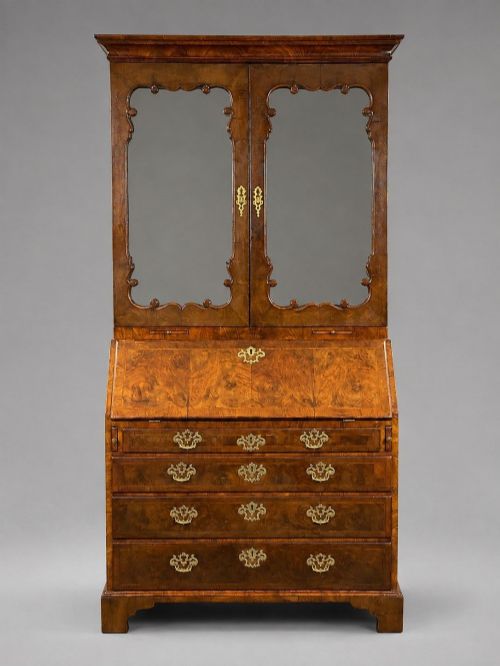
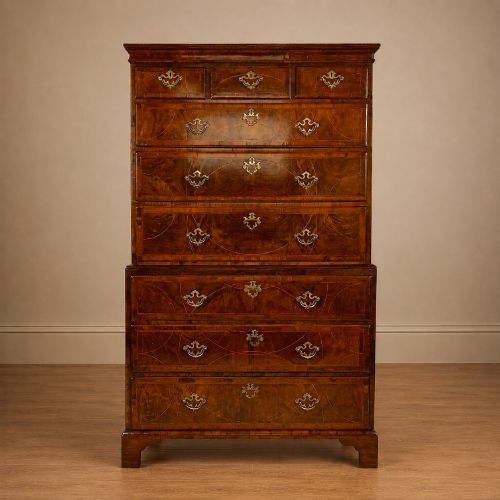
George II cabinet furniture brings together bureau bookcases, chests on chest, and lowboys built during the Georgian period from walnut, mahogany, and oak.
George II Cabinet Furniture
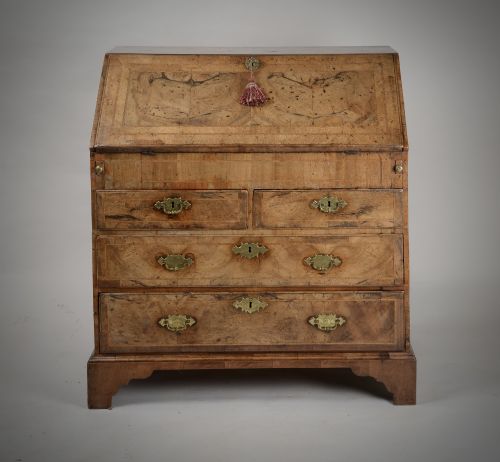
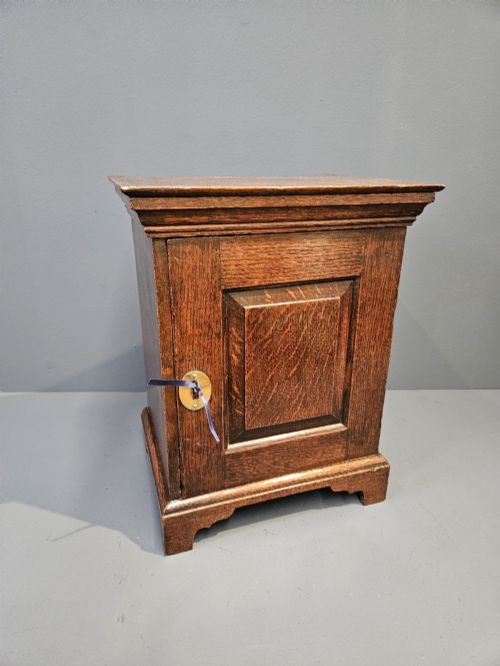
George II cabinet furniture comprises storage and writing pieces such as bureau bookcases, chests of drawers, chest on chest forms, lowboys, and spice cupboards. These utilitarian yet refined objects date predominantly from the Georgian era and the eighteenth century, alongside later nineteenth-century George II style interpretations.
The most frequently encountered pieces on this page are bureau bookcases and chests of drawers constructed in walnut or mahogany. Makers of the period also utilised oak, burr walnut, elm, and mulberry wood to build functional household storage.
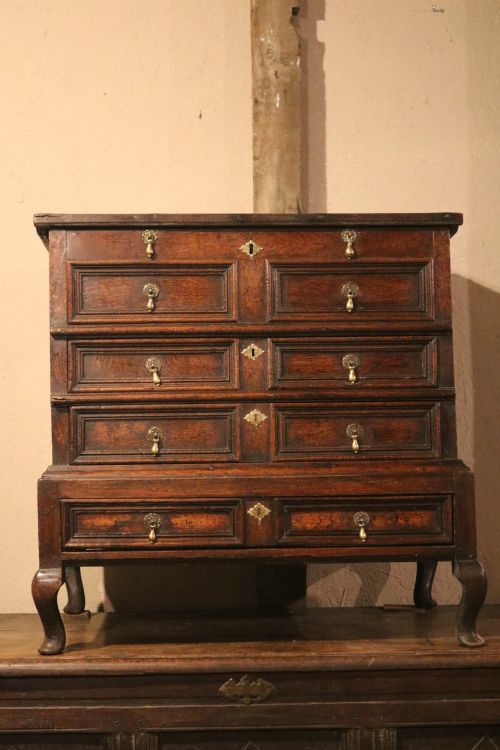
Forms range from diminutive proportions and miniature tallboys to large press cupboards and library cabinets. Regional variations, such as Welsh oak pieces, also appear within the selection.
How they were made
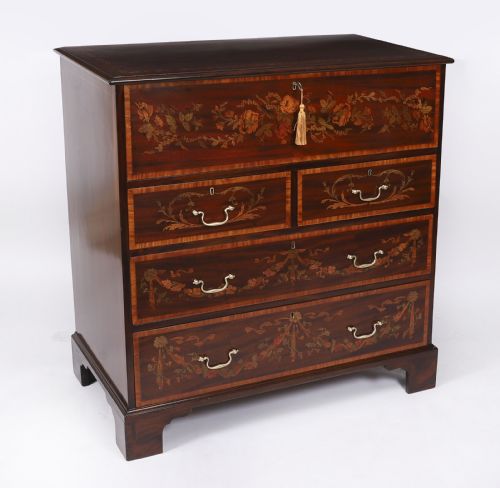
Cabinet makers constructed these pieces using solid timbers and veneers of walnut, mahogany, oak, and elm over robust carcases. Marquetry inlay, feather banding, and line inlay decorate the primary surfaces.
Glass panels, mirror glass, and brass hardware complete the construction of glazed corner cabinets, bureau bookcases, and drawer fittings. Original ogee feet and integrated brushing slides demonstrate period joinery methods.
Walnut trees were so prized in this era that some cabinet makers cleverly bookmatched burr veneers to make simple drawers look astonishingly complex.
What varies in quality
The quality of george ii cabinet furniture depends on the selection of figured timbers, such as burr walnut or red walnut, and the precision of inlaid details like feather banding and line inlay. Superior examples retain original brasses and structural feet rather than later replacements.
Proportion and scale dictate the desirability of pieces, with diminutive or miniature proportions commanding particular attention from collectors. The complexity of forms, ranging from simple spice cupboards to elaborate bureau bookcases with glazed doors, also distinguishes the work.
Francis Brodie·Giles Grendey
The George II Cabinet Furniture Glossary
- Bureau bookcase
- A writing cabinet featuring a sloping fall-front desk combined with upper shelving enclosed by doors. This form provided both workspace and storage for books and papers.
- Chest on chest
- A tall storage unit constructed in two stacked sections, with a smaller upper chest resting on a larger lower base. It maximised vertical storage space in eighteenth-century rooms.
- Lowboy
- A small side table fitted with one or more drawers, often used as a dressing table or occasional stand. They typically feature graceful cabriole or straight legs.
- Feather banding
- Decorative veneer framing made by cutting thin strips of wood across the grain and laying them in a herringbone pattern. It borders drawer fronts and cabinet doors.
- Brushing slide
- A pull-out shelf integrated above drawers to provide a temporary writing or sorting surface. It tucks away flush when not in use.
George II Cabinet Furniture: Frequently Asked Questions
What is a bureau bookcase?
A bureau bookcase is a dual-purpose piece combining a sloping desk compartment with upper shelving enclosed by doors.
Cabinet makers designed them to hold books and writing materials within domestic libraries and studies.
How do I identify George II furniture?
George II pieces are identified through eighteenth-century construction methods, typical proportions, and materials like walnut, mahogany, and oak.
Stylistic markers include bracket or ogee feet, line inlay, and feather banded drawer surrounds.
What is a lowboy used for?
A lowboy served as a small dressing table or occasional side table in bedrooms and parlours.
The fitted drawers held personal items and accessories.
Are walnut and mahogany both period timbers?
Walnut and mahogany were both widely utilised by cabinet makers during the eighteenth century.
Walnut appeared frequently in earlier decades before mahogany became the dominant wood for case furniture.