


Georgian Mahogany Bureau Drawers
Georgian mahogany bureau drawers bring together practical writing spaces and substantial storage in classic timber forms.
Georgian Mahogany Bureau Drawers
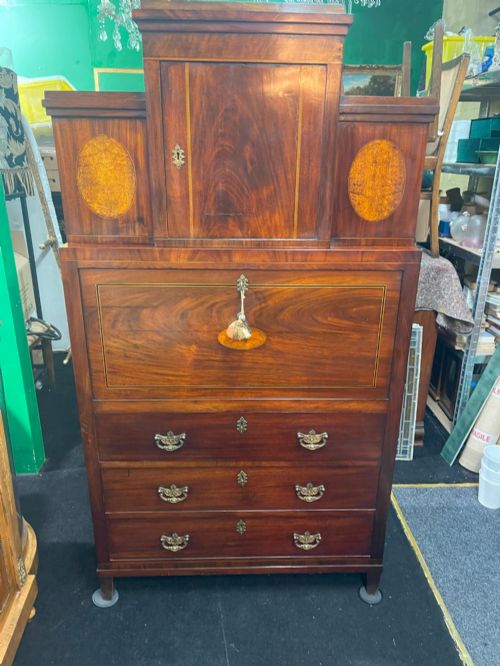
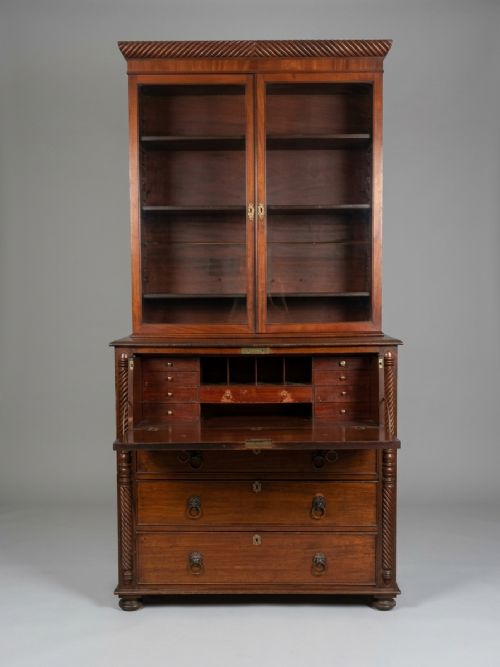
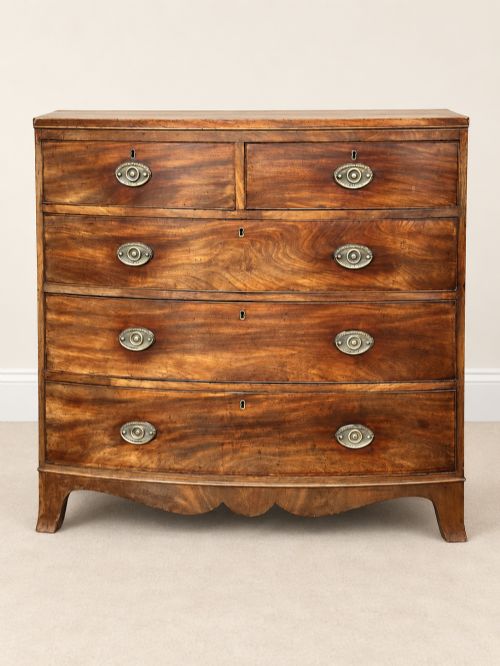
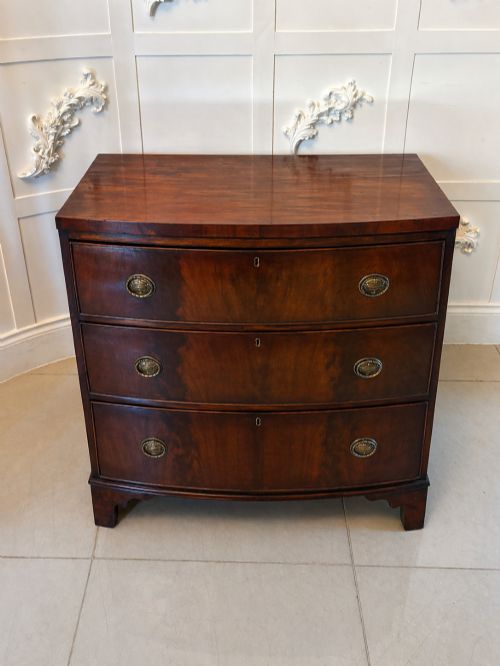
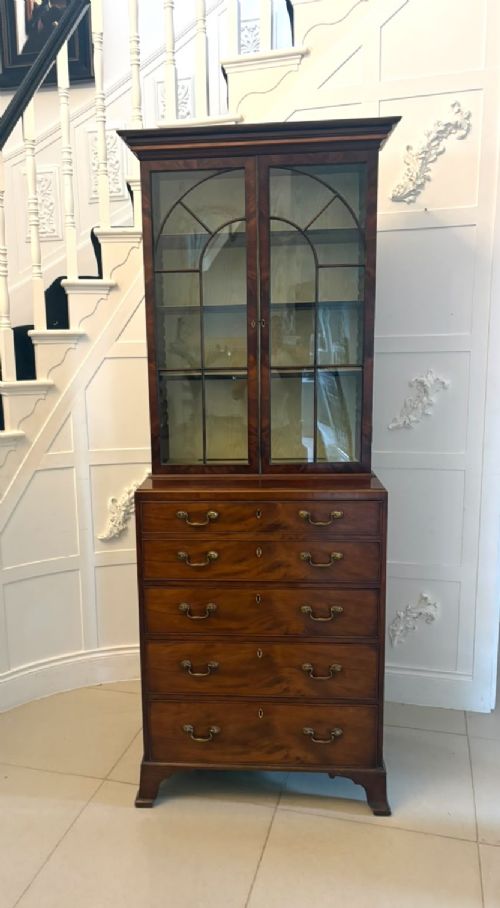
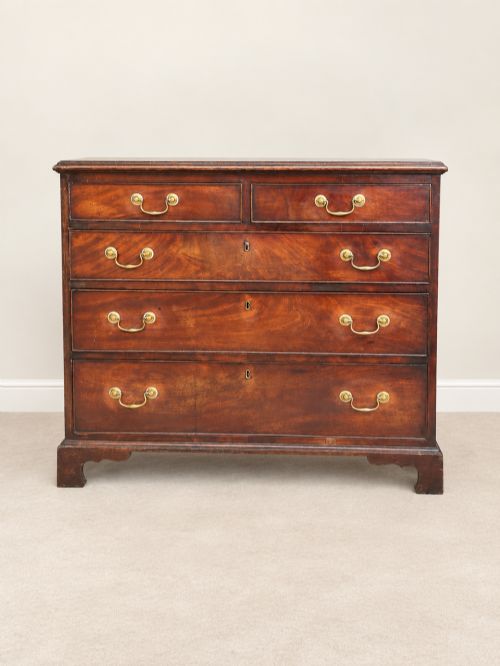
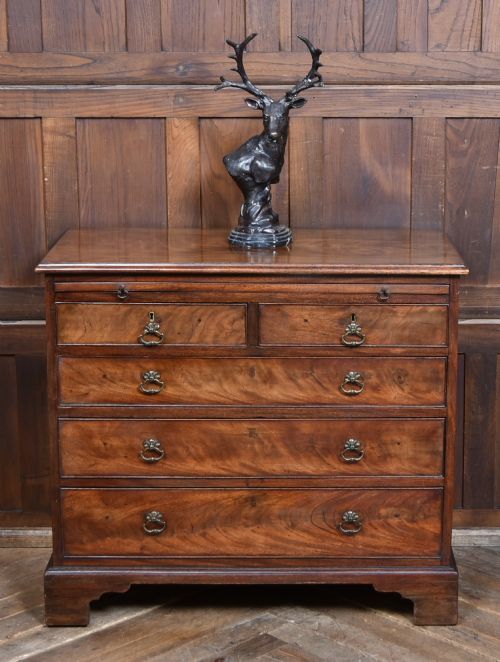
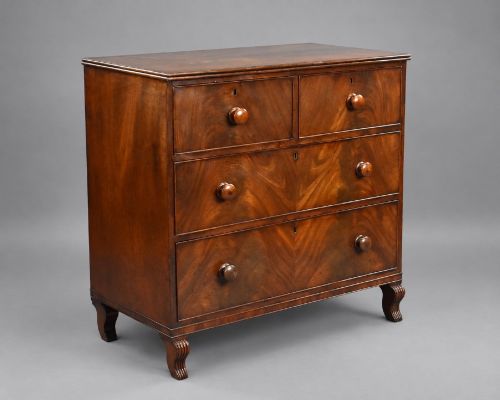
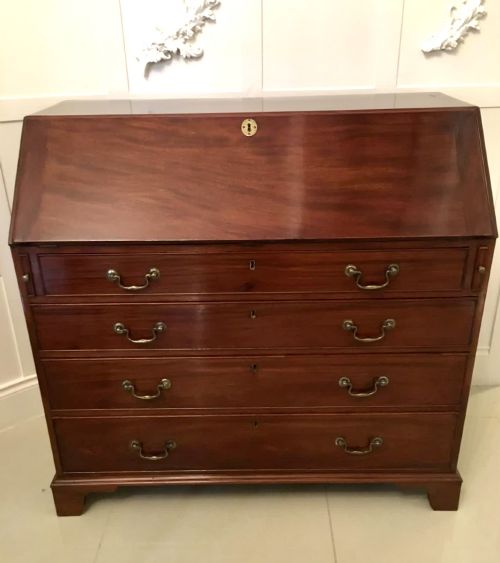
When looking for georgian mahogany bureau drawers, buyers encounter pieces that merge a sloping writing flap or fitted desk interior with multi-drawer storage chests. The selection spans straightforward chest of drawers forms equipped with brushing slides alongside complex bureau bookcases and secretaire desks.
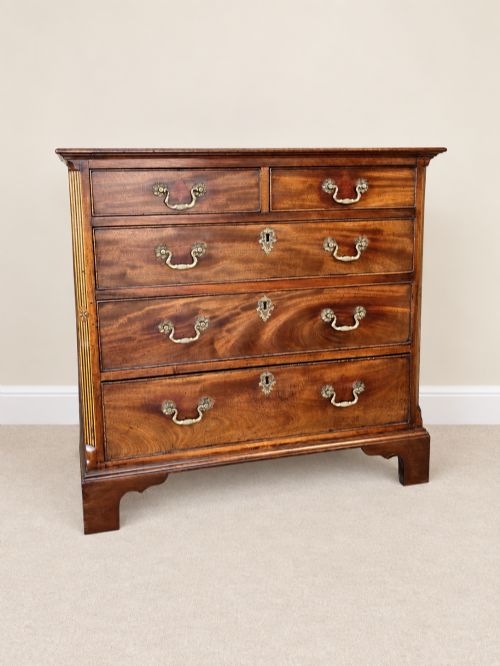
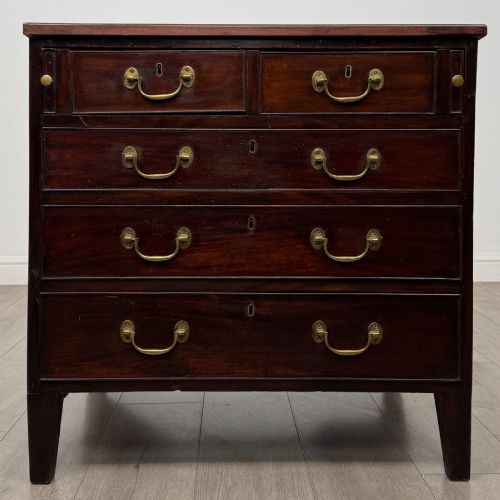
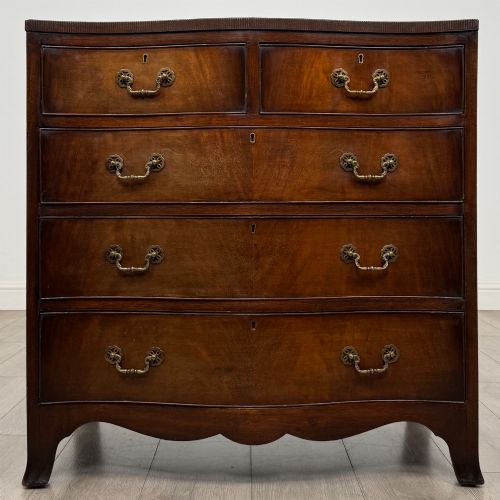
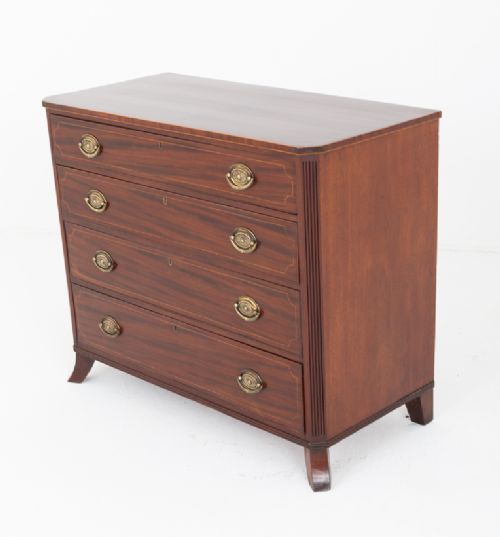
The objects stem predominantly from the Georgian, Regency, and George III periods, stretching from the eighteenth century into the nineteenth century. Standard configurations feature graduating drawer arrangements, notably two short drawers over three long ones, often complemented by satinwood or boxwood stringing.
Regional variations appear across the inventory, including Scottish and Channel Islands examples alongside classic English pieces. Buyers also find smaller compact formats alongside monumental secretaire bookcase combinations designed for domestic studies and libraries.
Materials and construction
Cabinet makers relied heavily on solid mahogany and flame mahogany veneer applied to sturdy secondary woods such as oak for drawer linings. Accents of boxwood, satinwood, and bone provided stringing and inlay detail along drawer fronts and bureau falls.
Hardware typically consisted of cast brass handles and escutcheons fixed to dovetailed drawer construction. Structural integrity relied on traditional joinery methods, allowing pieces to survive centuries of daily use in domestic settings.
Clever cabinet makers hid miniature compartments behind pigeonholes, letting owners stash secret letters away from prying eyes.
Evaluating craftsmanship
Quality separates along the precision of timber selection and cabinet work, particularly in the choice of symmetrical flame mahogany veneers and contrasting crossbanding. Superior examples demonstrate tight dovetailing on oak drawer linings and retention of original brass hardware.
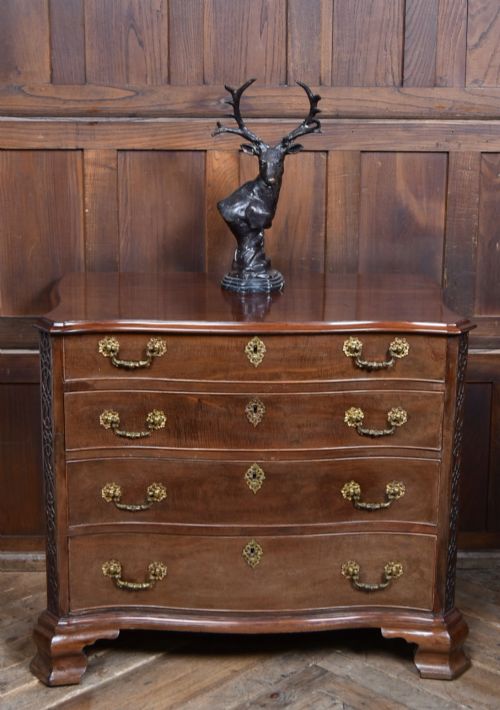
Refinement shows in complex timber shaping, such as serpentine fronts or bow front profiles paired with fitted interior compartments and secret drawers. Lesser quality often reveals replacement elements or heavy restoration that masks the original structural form.
Gillows
The Georgian Mahogany Bureau Drawers Glossary
- Bureau
- A writing desk featuring a sloping fall-front flap that opens to reveal internal pigeonholes and small drawers. It sits atop a chest of drawers or a dedicated frame.
- Secretaire
- A piece of furniture containing a drawer or compartment that pulls out to form a writing surface with fitted interior pigeonholes. It often conceals secret drawers within the upper section of a chest or bookcase.
- Brushing slide
- A pull-out wooden shelf integrated above the top drawers of a chest, historically used for dusting clothes or as a temporary writing ledge. These extend smoothly on runner strips.
- Serpentine front
- A furniture front curved with a convex centre flanked by concave ends, requiring skilled woodworking to shape timber precisely. This profile appears frequently on high-status eighteenth century pieces.
- Flame mahogany
- A veneer cut from timber where the grain creates a distinctive flickering, flame-like pattern. Cabinet makers reserved this highly decorative wood for prominent drawer fronts and bureau falls.
Georgian Mahogany Bureau Drawers: Frequently Asked Questions
What is the difference between a bureau and a chest of drawers?
A chest of drawers provides stacked horizontal storage drawers enclosed by a flat top surface. A bureau incorporates a hinged sloping writing flap that drops down to reveal an inner desk fitted with pigeonholes and small compartments.
Many pieces combine both forms by placing the writing bureau directly above standard graduated storage drawers. This dual function allowed eighteenth century writers to store correspondence and linens within the same piece of furniture.
How do I identify a George III bureau?
George III pieces date from the latter half of the eighteenth century and typically feature robust mahogany construction with oak drawer linings. Look for finely cut dovetails, bracket feet or ogee feet, and interior compartments inlaid with contrasting satinwood or boxwood.
Many examples include original brass bail handles and escutcheons secured through the fall-front or drawer faces. The proportions remain balanced and restrained, reflecting the neoclassical design influences of the era.
Where were brushing slides used?
Brushing slides pull out from immediately beneath the top surface or upper drawer of a chest. Originally, owners used them to brush powder from wigs or clean garments without marking the main timber.
They also served as convenient temporary writing ledges when standing up. Today, checking for smooth operation along the internal runners helps confirm the integrity of the piece.
What is flame mahogany veneer?
Flame mahogany veneer utilises timber cut from the fork of the mahogany tree where branches join the trunk. This specific angle produces a dramatic rippling grain pattern that resembles flickering fire.
Cabinet makers applied these thin sheets carefully across drawer fronts and bureau falls to create visual impact. High quality examples display book-matched symmetry across central panels.
How do I care for antique mahogany furniture?
Maintain stable indoor humidity and temperature to prevent timber from splitting or warping. Keep pieces away from direct sunlight and heat sources to preserve the original polish and rich colour of the mahogany.
Clean surfaces gently with a soft dry cloth and apply occasional high-grade beeswax polish. Avoid modern silicone sprays that can penetrate the aged finish and damage the wood over time.