

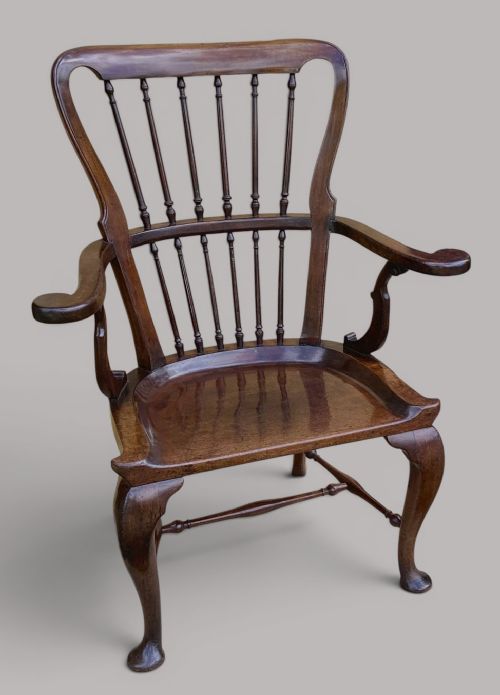


George II Accent Chairs
George ii accent chairs bring robust mid-eighteenth-century proportions and carved timber frames straight into a modern interior.
George II Accent Chairs
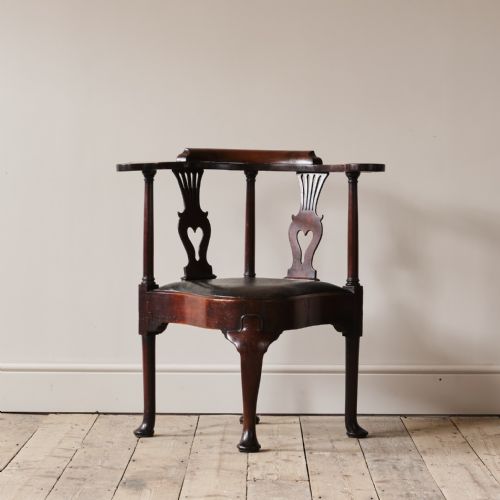
George ii accent chairs encompass diverse seating forms from the eighteenth century and later revivals, anchored primarily by side chairs, armchairs, library chairs, and corner chairs. These pieces originate from the Georgian era alongside nineteenth- and twentieth-century revivals that echo the same structural vocabulary.
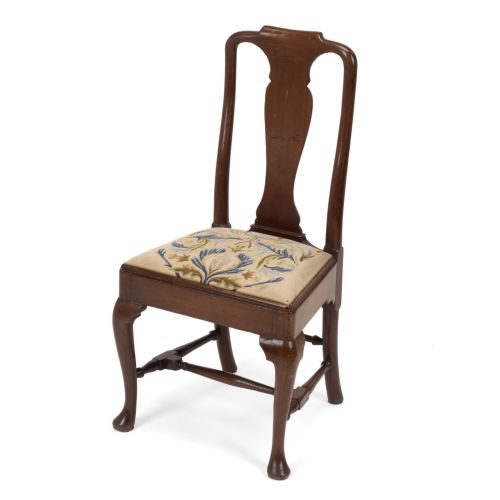
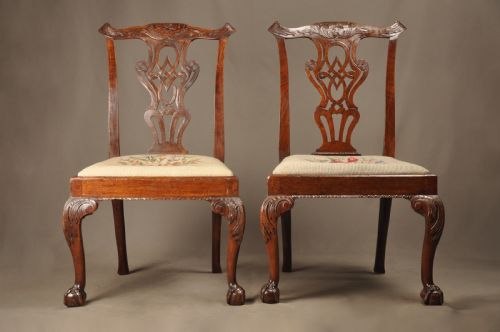
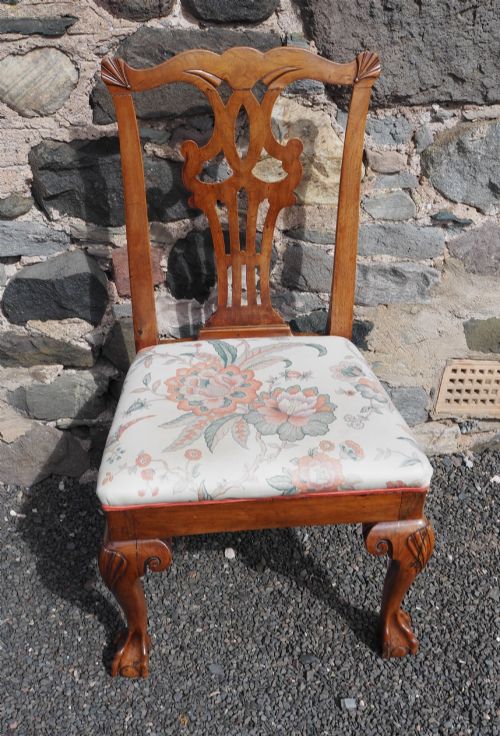
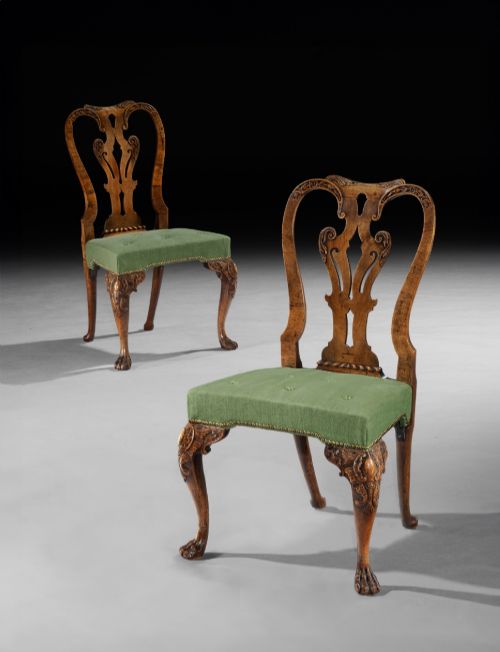
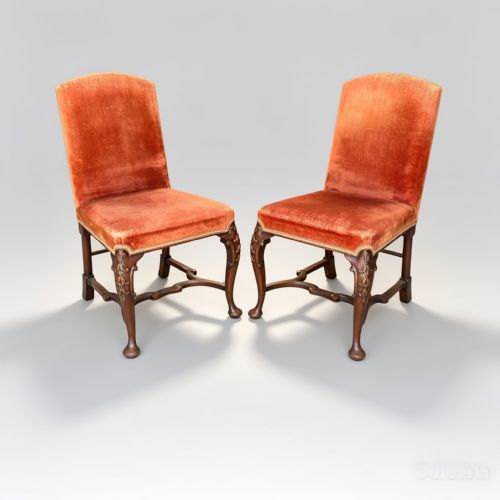
The version most commonly met on this page is the walnut or mahogany side chair, often featuring cabriole legs and distinct carved details. Alongside these period pieces, buyers encounter later stylistic interpretations utilising similar woods and traditional joinery.
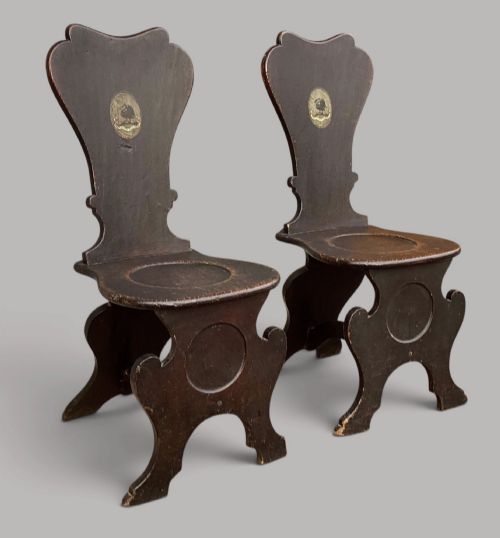
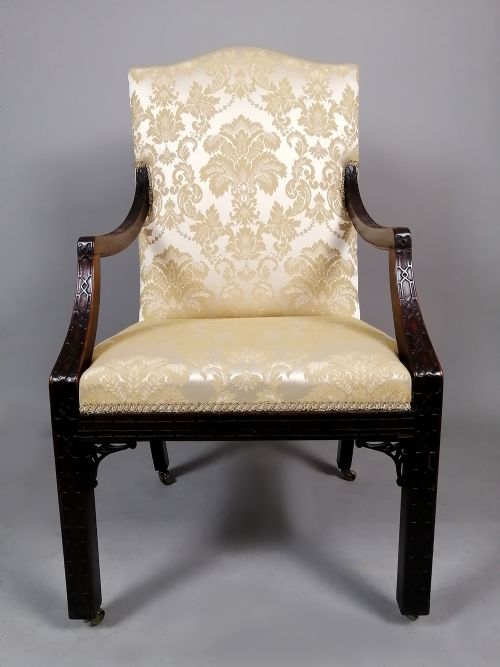
Makers produced these chairs for various domestic settings, ranging from formal dining rooms to specialised library and corner placements. The selection spans functional hall chairs in fruitwood as well as heavily upholstered library and Gainsborough armchairs.
How they were made
Cabinetmakers constructed these frames primarily in mahogany, walnut, and occasional fruitwood, selecting dense timbers capable of supporting intricate carved ornamentation. Selected pieces incorporate brass hardware or structural reinforcement to secure joints.
Upholstered variants rely on traditional textile coverings, tapestry upholstery, and leather secured over internal padding to provide functional comfort. Carved elements such as cabriole legs require skilled hand-tooling directly into the solid wood grain.
George II Accent Chairs Retail Price Guide 2026
Typical asking prices for george ii accent chairs among the pieces listed under this phrase on Sellingantiques today, from the lower quarter to the upper quarter. They describe what is for sale here now, not the wider market.
Certain walnut chairs arrive bearing the affectionate moniker of a hand chair, defying formal taxonomy with whimsical arm terminals.
What varies in quality
The crispness and depth of the hand-carving define the upper echelon of these chairs, distinguishing shallow machine-tooled lines from sharp, purposeful chisel work. Timber selection equally dictates standard, with dense, deeply figured mahogany and richly patinated walnut sitting above plain or lesser-grade hardwoods.
Structural integrity depends on the original joinery and the survival of the primary frame without excessive timber replacement. The sophistication of the overall silhouette, particularly the sweep of the cabriole leg and the proportion of the splat, separates standard production from superior work.
The George II Accent Chairs Glossary
- Cabriole leg
- A furniture leg that curves outward in a convex arc and then taps inward in a concave arc, terminating in a foot. This form derives from animal limbs and defines mid-eighteenth-century seating design.
- Corner chair
- A chair designed to fit into the corner of a room, featuring a diagonal seating orientation and a continuous curved armrest supported by multiple spindles. These pieces frequently utilise a square seat frame.
- Sgabello
- A rigid, high-backed wooden hall chair featuring solid trestle supports instead of conventional legs. This Italian Renaissance form reappeared in eighteenth-century and revival seating.
- Gainsborough armchair
- A wide, upholstered armchair with open padded arms and short cabriole legs, designed for library or desk use. The style emerged during the mid-eighteenth century.
- Chinese Chippendale
- A revival and period style incorporating intricate fretwork, lattice patterns, and pagoda-inspired motifs drawn from Asian design traditions. Cabinetmakers applied these decorative schemes to mahogany chair backs and legs.
George II Accent Chairs: Frequently Asked Questions
How do I spot a revival chair?
Revival chairs typically date from the nineteenth or early twentieth century, utilising machine precision and specific secondary timbers that differ from eighteenth-century stock. Examination of the wood shrinkage and tool marks clarifies the true manufacturing period.
Stylistic cues also betray later dates, as nineteenth-century makers often exaggerate carving depth or combine disparate design motifs. Comparing the timber patination across concealed frame areas helps verify the age of the piece.
Where should I place an accent chair?
These chairs function effectively as single statement pieces in hallways, studies, or corners where their carved silhouettes remain visible. Pairing a side chair with a small table creates a distinct focal point without crowding the room.
Library and corner chairs suit reading areas or vacant architectural spaces that benefit from period timber tones. Upholstered variants provide portable seating that easily integrates into existing living room layouts.
What is a corner chair used for?
Corner chairs provided compact, accessible seating in eighteenth-century domestic spaces, often positioned near writing desks or card tables. Their diagonal orientation allowed users to tuck neatly into room angles.
In modern interiors, they serve as striking accent seating in hallways or bedrooms. Their wraparound armrests offer distinct structural support compared to standard side chairs.
How do walnut and mahogany differ?
Walnut dominated British furniture production during the early part of the eighteenth century, offering rich figuring and a warm, dark brown tone. Cabinetmakers frequently utilised it for carved side chairs before mahogany gained widespread favour.
Mahogany superseded walnut due to its superior tensile strength and resistance to woodworm, enabling sharper carved details and slender frame components. This denser timber allows chairs to endure centuries of structural stress while retaining crisp ornamentation.