



Georg Jensen Sterling Silver
These pieces of georg jensen sterling silver capture the finest traditions of Danish design, offering collectors exceptional craftsmanship and enduring utility.
Georg Jensen Sterling Silver
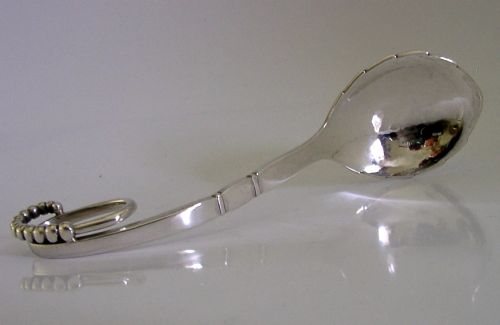
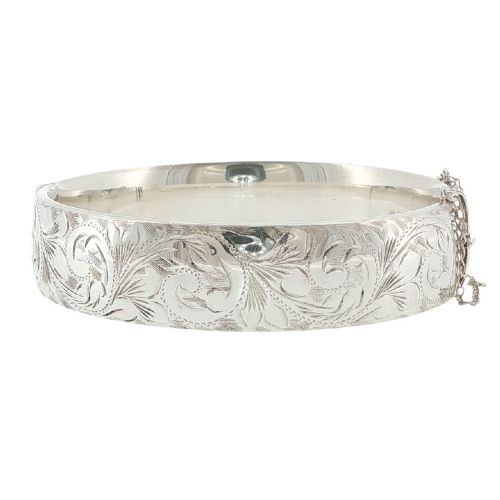
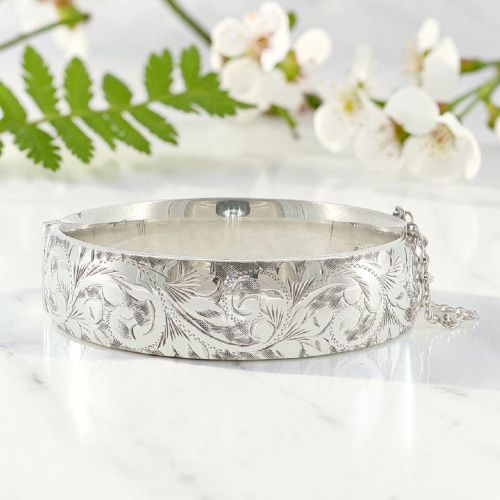
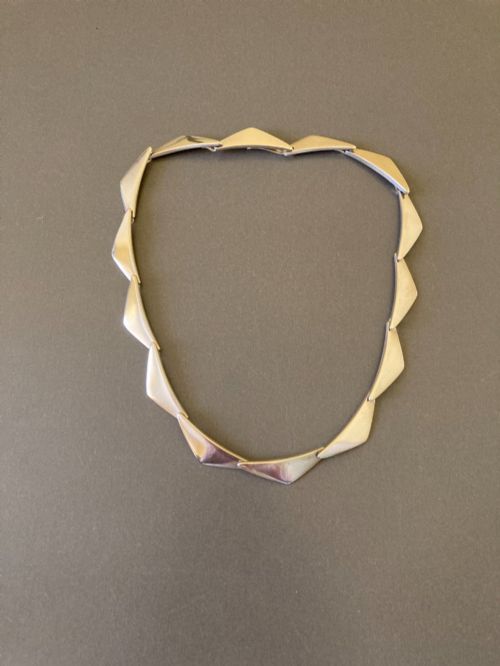
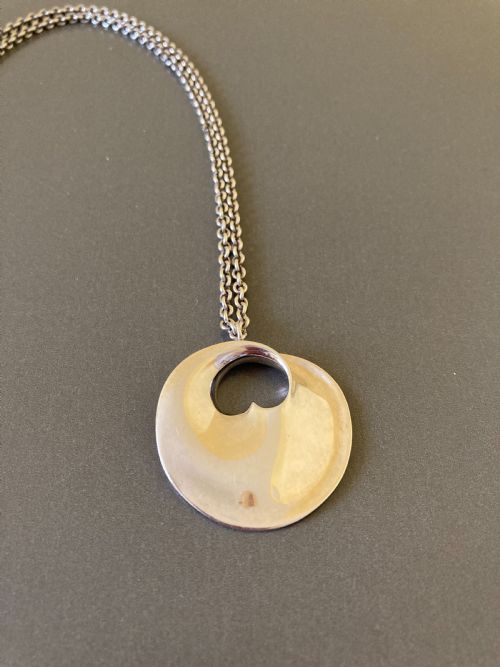
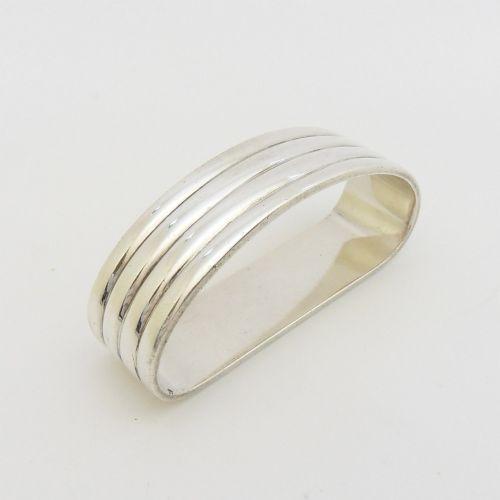
When you search for georg jensen sterling silver, you encounter items that span domestic utility and personal adornment, including spoons, bangles, necklaces, and hollowware. These objects range from early twentieth-century Arts and Crafts creations to mid-century modern works.
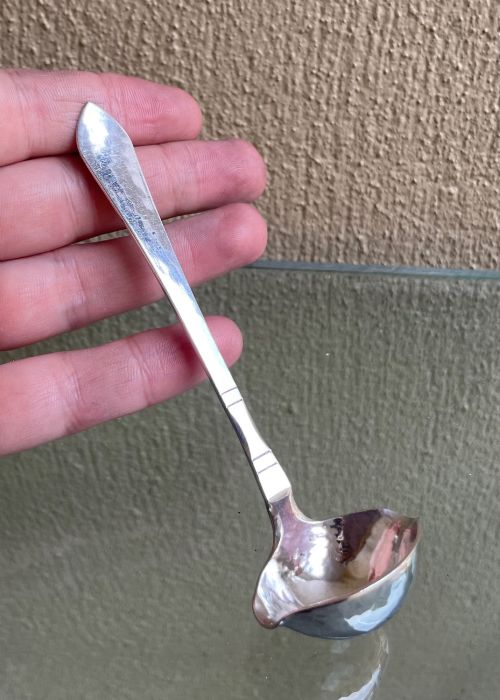
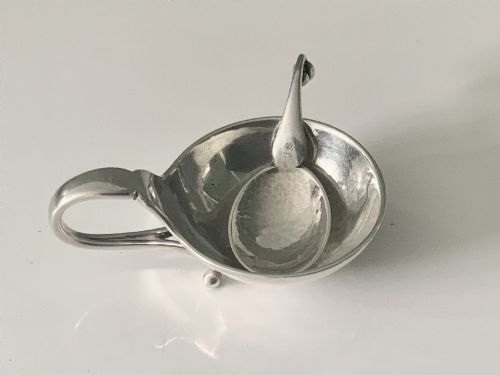
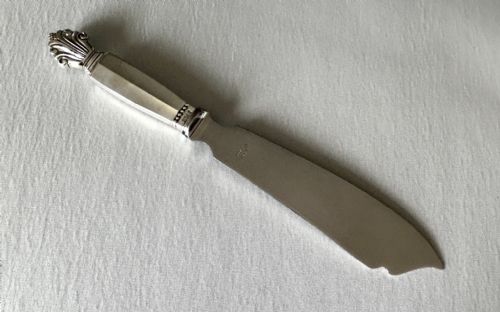
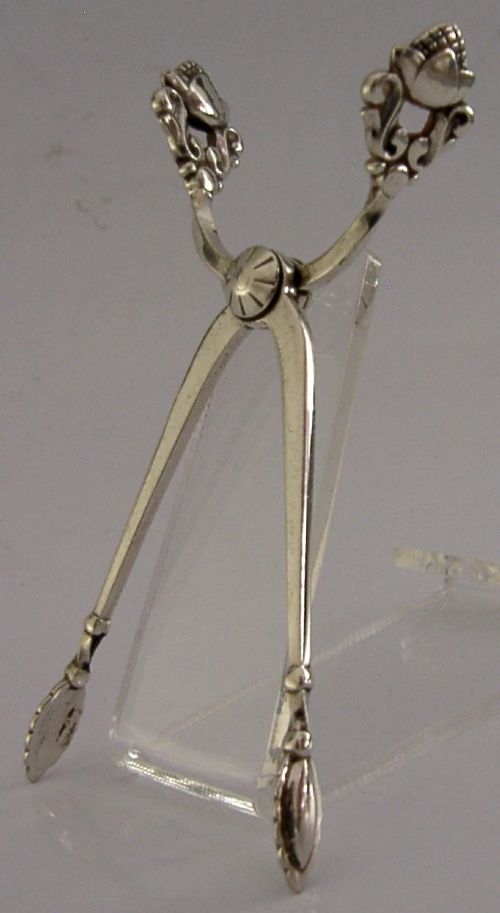
The most common examples on this page are functional tableware items such as caddy spoons, sugar tongs, and serving cutlery, alongside brooches and pendants. These reflect the evolving stylistic vocabulary of the silversmithy across decades.
Originating predominantly from Denmark, the selection includes pieces designed in distinct aesthetic movements from Art Nouveau through to Scandinavian Modern. Each form demonstrates a clear continuity of studio production methods.
What varies in quality
Quality in these pieces depends upon the clarity of the maker's marks, the crispness of the hand-chased surface details, and the integrity of any applied oxidisation. Early pieces from the foundational decades often exhibit sharper relief work in naturalistic motifs.
The weight of the silver and the precision of the joinery in hollowware or hinged items separate standard production from more ambitious sculptural designs. Preservation of the original hand-engraved surface texture remains a central measure of condition.
Among the cutlery and hollowware, unexpected creatures appear in silver metalwork, including snails, robins, and deer.
Georg Jensen·Sigvard Bernadotte·Arno Malinowski
The Georg Jensen Sterling Silver Glossary
- Sterling silver
- An alloy consisting of 925 parts silver per thousand, providing the primary metal standard for these objects.
- Oxidised silver
- A chemically darkened finish applied to crevices and backgrounds to accentuate relief patterns and sculptural details.
- Sknvirke
- The Danish branch of the Art Nouveau movement, characterised by organic forms and craft-based integrity.
- Hollowware
- Tableware items such as pots, boxes, and bowls formed from sheet metal rather than cast solid.
Georg Jensen Sterling Silver: Frequently Asked Questions
How do I date these silver items?
Dating relies heavily upon the stamped hallmarks, maker's marks, and import marks found on the reverse or base of each object. Stylistic shifts between Art Nouveau, Art Deco, and Mid-Century Modern designs also provide clear chronological boundaries.
Changes in the typography of the Georg Jensen workshop marks over the decades help narrow the production window further. Comparing the specific pattern name, such as Acorn or Cactus, against known introduction years confirms the period of manufacture.
What is the Acorn pattern?
Acorn is one of the most enduring and recognisable motifs produced by the workshop, featuring delicate botanical husks along the stem. It bridges traditional organic design with functional dining flatware.
This pattern appears across various objects ranging from small teaspoons and caddy spoons to larger serving pieces and bottle openers. Its longevity spans multiple decades of production.
Are these pieces suitable for daily use?
Many of these items, particularly flatware and serving utensils, were engineered for practical domestic application and handle regular handling well. Sterling silver develops a gentle patina through routine use and proper care.
Delicate jewellery items and hollowware with extensive oxidised finishes require more mindful handling to preserve their surface treatments. Storing pieces appropriately prevents unnecessary scratching or tarnish build-up.
What distinguishes mid-century pieces?
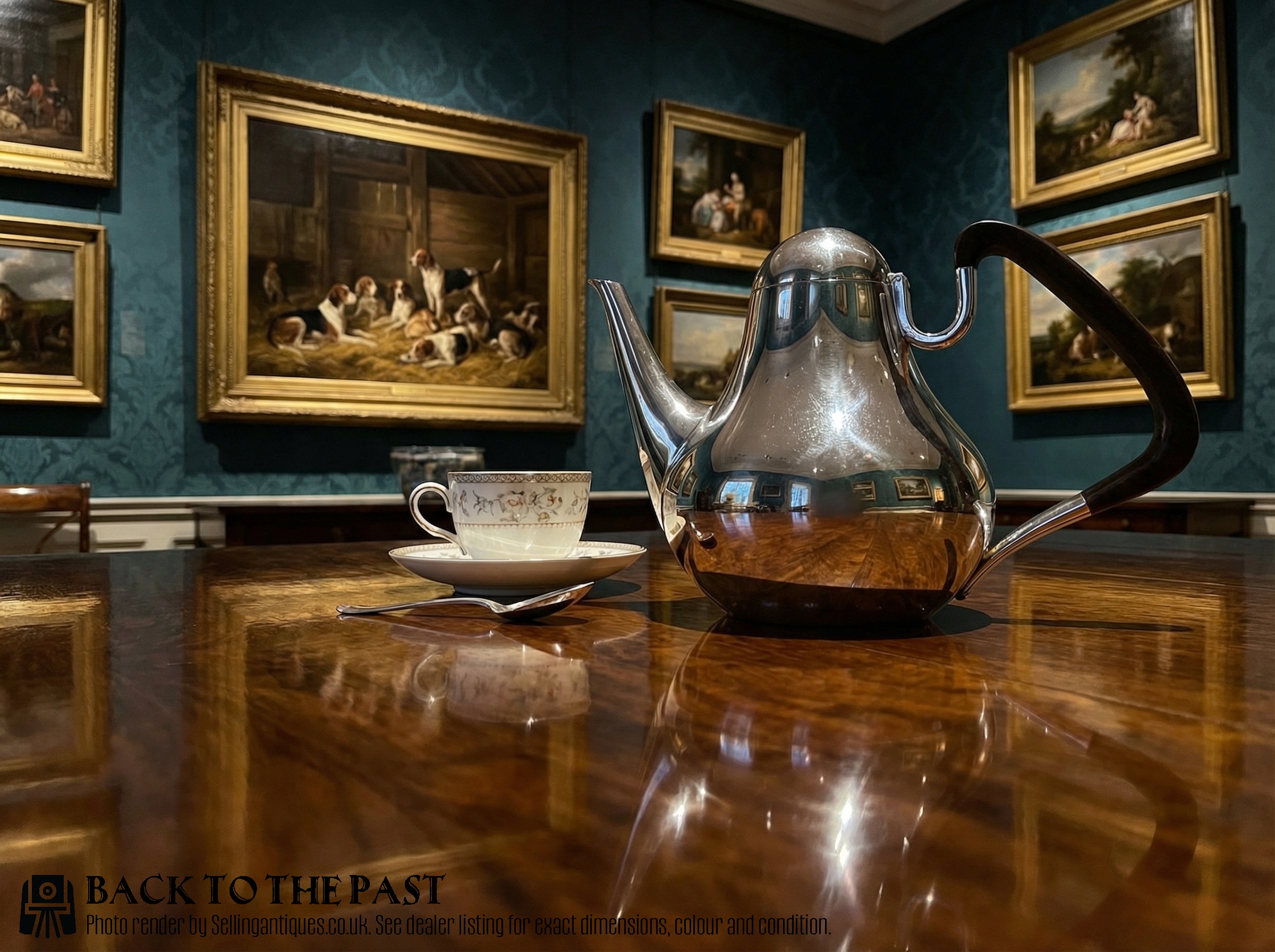
Mid-century examples often favour cleaner, more streamlined silhouettes that reflect the rise of Scandinavian Modern design. Ornamentation becomes more abstract while retaining a strong connection to organic forms.
Items from this era frequently incorporate materials like stainless steel alongside sterling silver, particularly in serving implements. The focus shifts toward sculptural simplicity and functional ergonomics.