


Art Deco Card Holder
An art deco card holder brings geometric clarity and sleek metals to the desk, combining period style with practical organisation.
Art Deco Card Holder
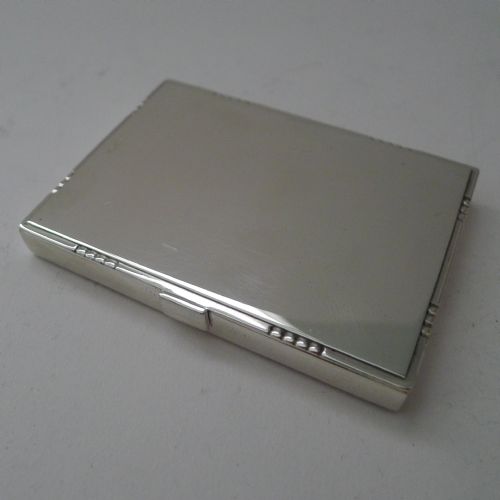
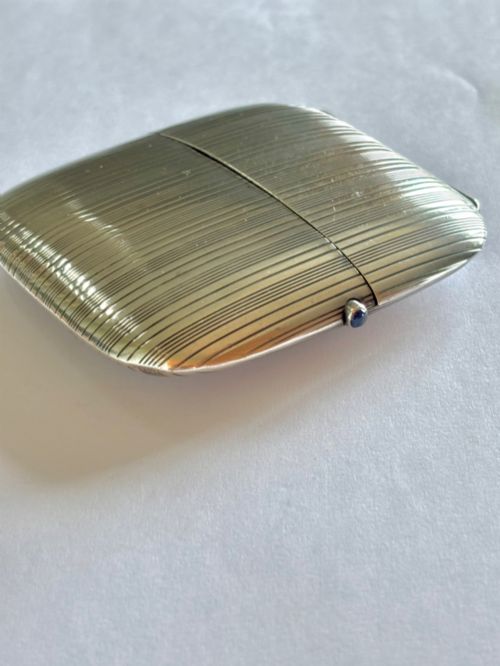
An art deco card holder encompasses card cases, menu holders, and compact combination cases originating primarily from the 1920s, 1930s, and 1940s. Buyers searching for an art deco card holder encounter items that double as cigarette cases or novelty folding pieces.
Most examples found on this page date to the 1920s and 1930s, reflecting the height of the style. Forms range from simple solid silver spring clip boxes to elaborate tortoiseshell silk folding flip card cases.
Makers utilised various object types, including card boxes with rising card trays and decorative statues functioning as holders. Continental and English pieces dominate the selection, spanning styles from Edwardian influence through to distinct geometric art deco.
Materials and construction
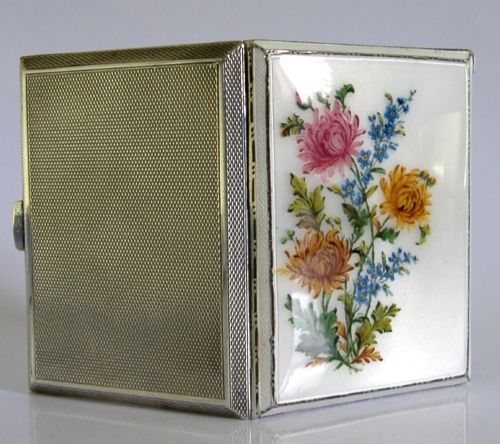
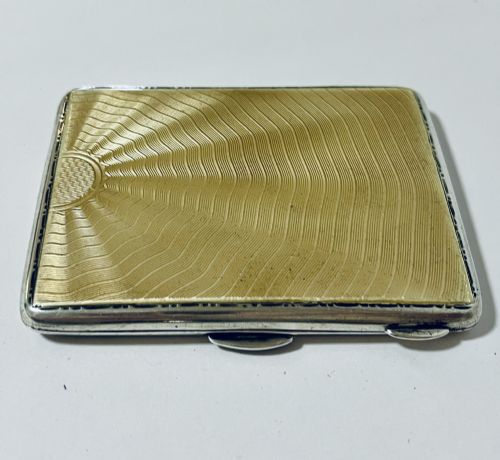
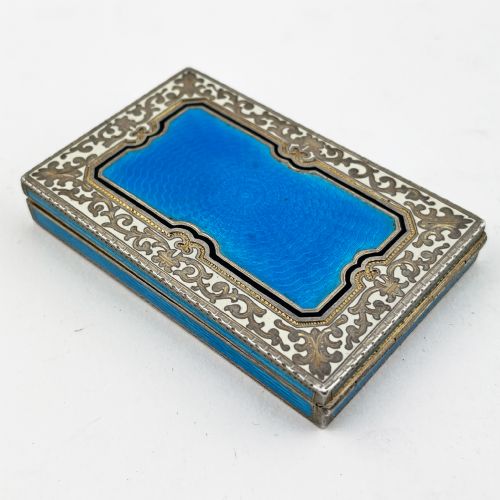
Silversmiths employed sterling silver and German silver gilt to form the rigid structures of these accessories. Enamel and vitreous enamel often added rich colour to the metal surfaces.
Craftsmen incorporated materials like glass, tortoiseshell, painted plaster, and silk alongside silver gilt and enamel. Hand-painted details, such as chrysanthemum flower motifs, demonstrate the detailed surface work applied to metal bases.
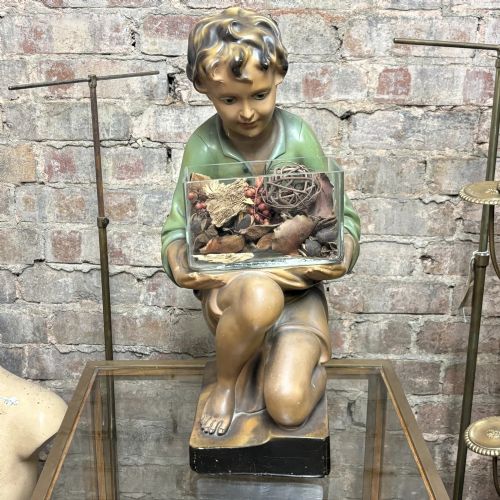
A boy holding a tray managed to find permanent employment guarding cards and cigarettes.
Judging quality and execution
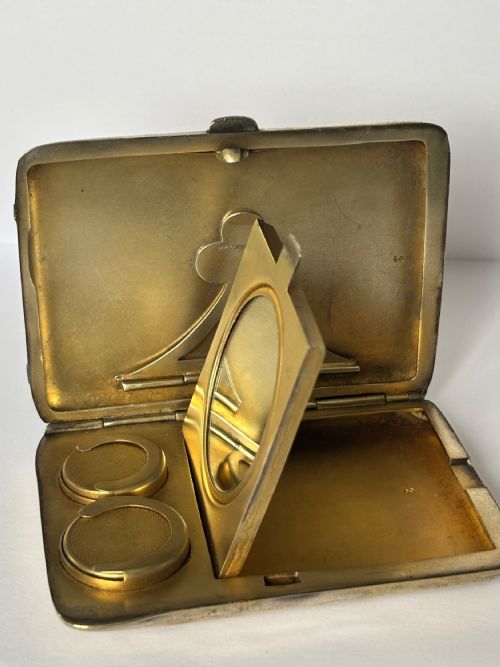
Superior pieces display crisp hallmarks, precise mechanical action in spring clips and rising trays, and even application of vitreous enamel. Lesser examples show simpler construction with plain metal and less intricate detailing.
The integration of multiple functions, such as compact combinations and novelty folding mechanisms, separates standard card cases from the finest items. The finesse of hand-painted decoration on enamel surfaces elevates the overall execution.
The Art Deco Card Holder Glossary
- Sterling silver
- A silver alloy containing 92.5 percent pure silver and 7.5 percent other metals, typically copper. This standard composition provided durability for daily pocket items.
- Vitreous enamel
- A material made by fusing powdered glass to a metallic substrate at high temperatures. It produced a smooth, glossy, and durable coloured surface.
- Sovereign compact combination case
- A multi-functional accessory designed to hold coins, cards, and other small essentials. These pieces highlight complex internal engineering.
- Menu holder
- A small desk or table accessory designed to display meal cards or place names. They often mirror the decorative motifs of larger silver pieces.
- Vide poche
- A small tray or bowl used for emptying pockets of loose items upon entering a room. French examples often incorporated agate and metal mounts.
Art Deco Card Holder: Frequently Asked Questions
What is a card holder?
A card holder is a pocket or desk accessory designed to store visiting, business, or playing cards securely. They kept paper goods crisp and clean before use.
In the early twentieth century, these items evolved to include spring clips, folding mechanisms, and combination compartments for cigarettes or coins.
How were menu holders used?
Menu holders sat on dining tables during formal meals to display the courses for guests. They matched the silverware and decorative theme of the table setting.
Collectors often repurpose these small stands today as photograph or place name displays.
How do I date a silver piece?
Silver pieces are typically dated using official hallmarks stamped into the metal by an assay office. These marks indicate the maker, the town of testing, and a specific year letter.
Pieces without full hallmarks can be dated by stylistic elements, construction methods, and materials typical of the period.
What is German silver gilt?
German silver is a copper-nickel-zinc alloy that resembles silver in appearance despite containing no actual silver metal. Gilding applies a thin layer of gold over this base metal.
This combination provided a luxurious gold finish at a more accessible cost during manufacturing.