


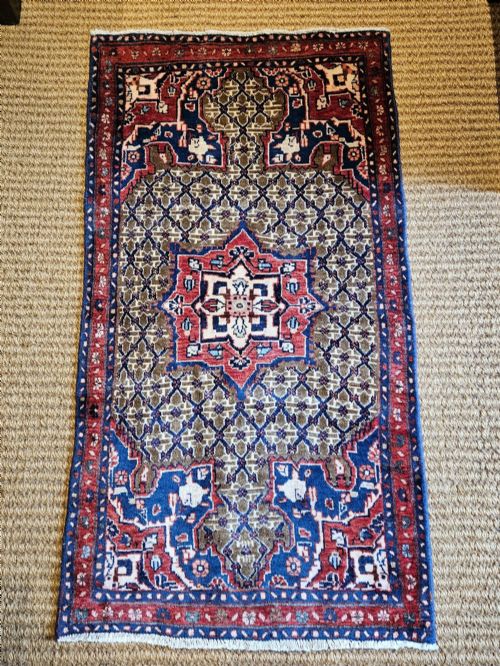
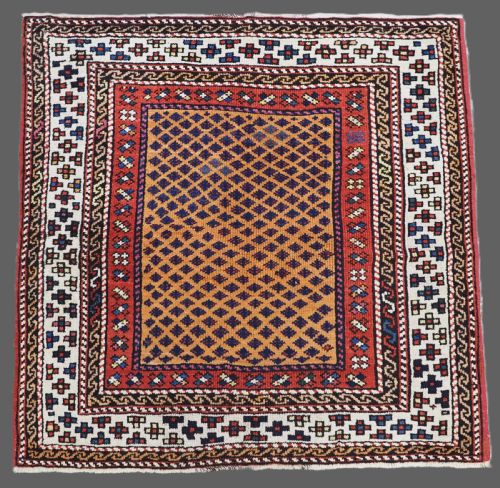
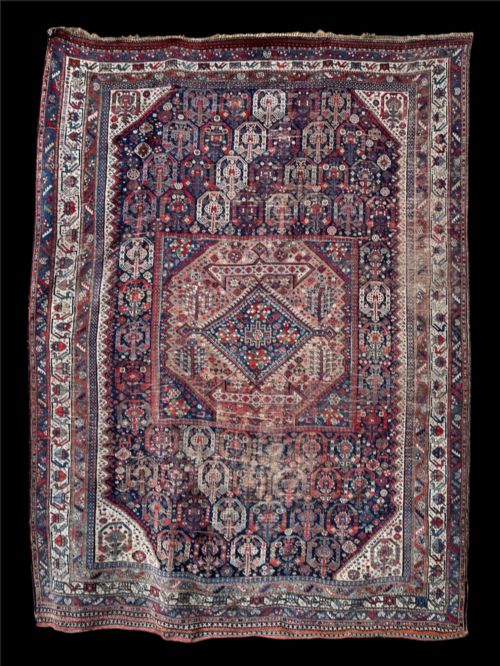
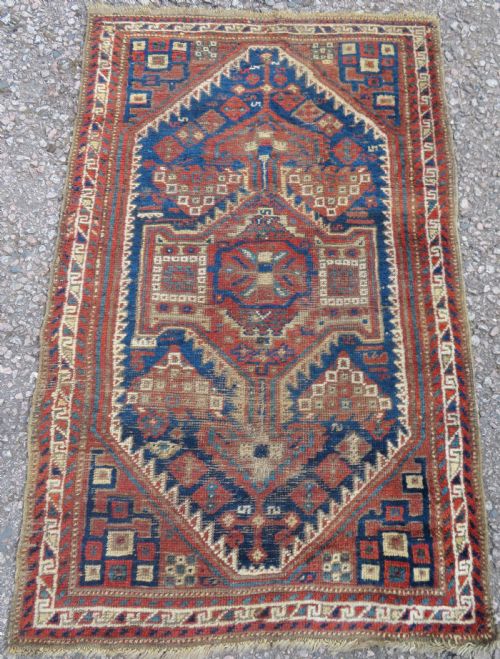
Geometric Wool Mat
Every geometric wool mat carries tribal symbolism and ancient village patterns woven by nomadic hands.
Geometric Wool Mat
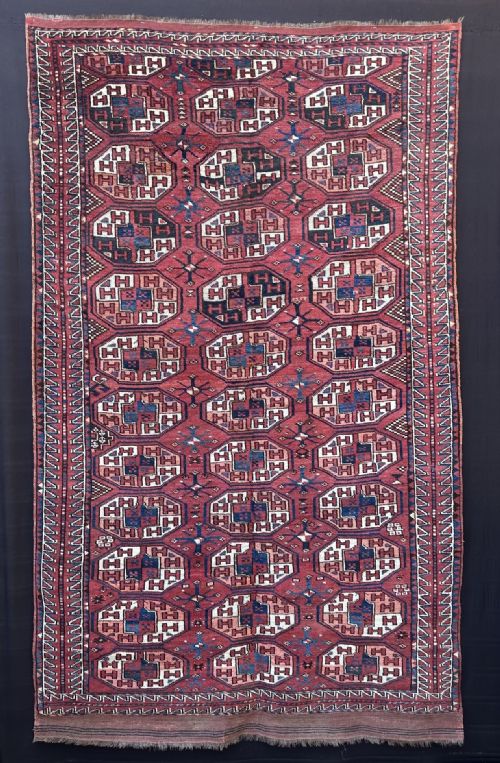
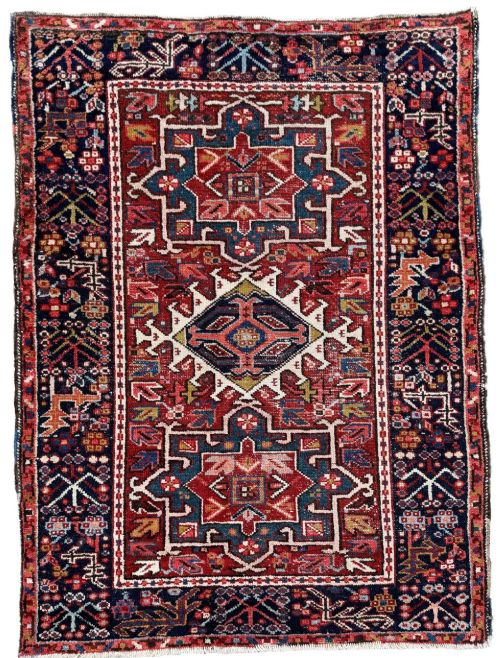
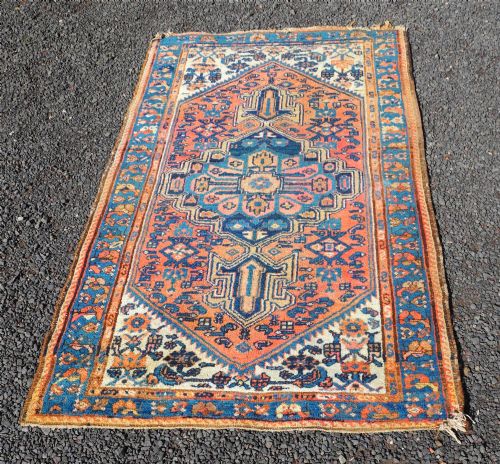
A geometric wool mat brings traditional village and tribal weaving into modern spaces through disciplined patterns. When you search for a geometric wool mat, you are looking at utilitarian floor coverings created by nomadic and village weavers across Central Asia, Persia, the Caucasus and Anatolia.
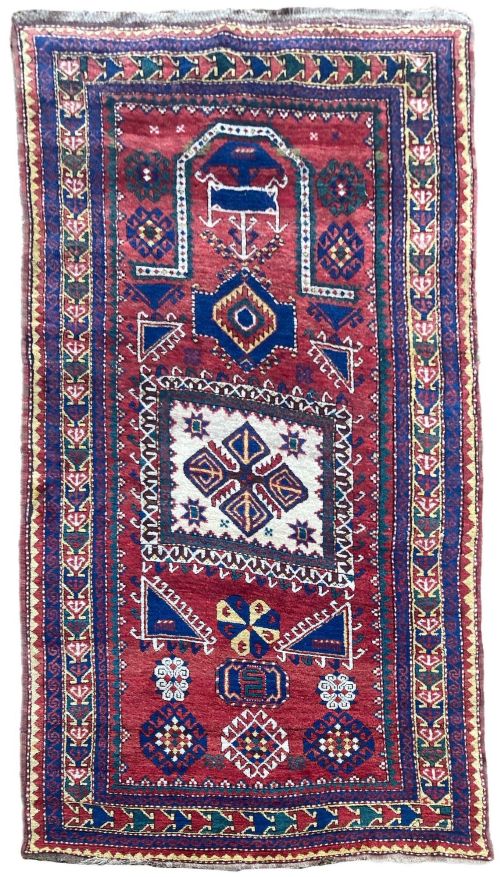
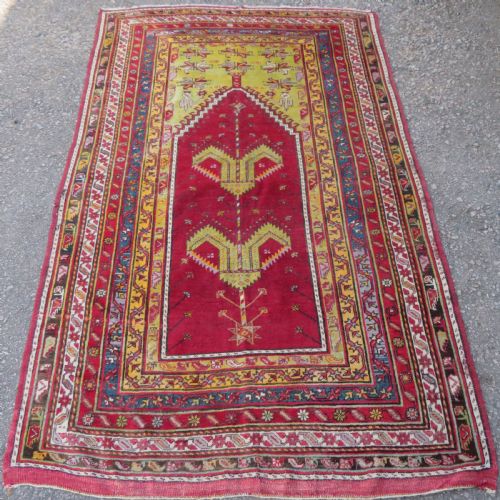
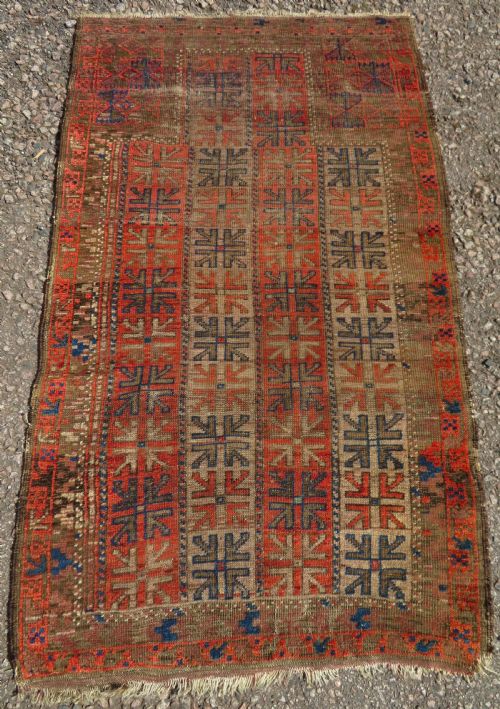
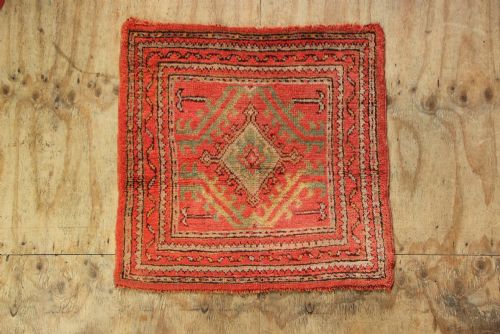
The pieces appearing on this page span from the late nineteenth century into the early decades of the twentieth century. Forms range from compact square mats and hearth rugs to specialised prayer rugs and small hallway runners.
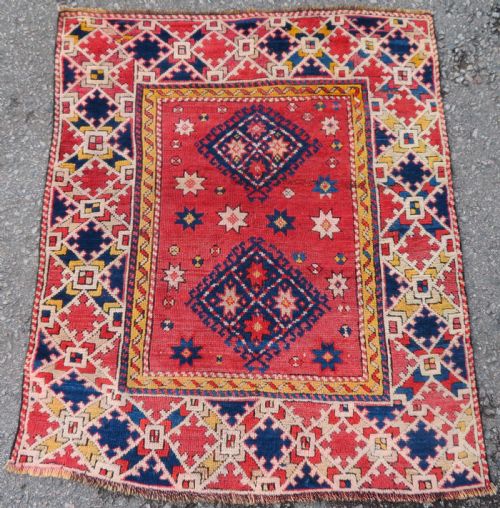
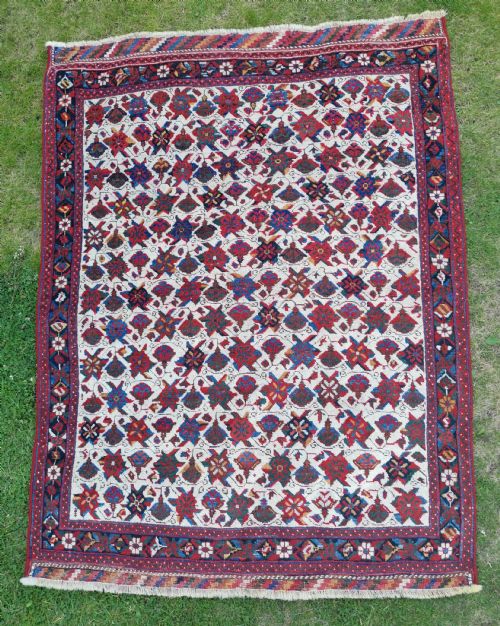
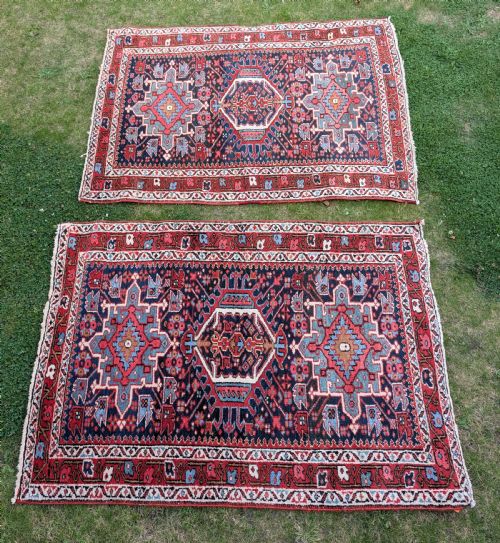
Tribal groups such as the Baluch, Afghan, Turkmen, and Khamseh produced these hard-wearing textiles for daily domestic use. Each piece employs angular motifs, medallions and repeating lattices passed down through generations.
How they were made
Weavers constructed these textiles using hand-spun wool foundations and pile, occasionally incorporating goat hair for structural durability and cotton for specific foundation threads. Natural dyes provided the rich palette of earth tones, deep indigos and madder reds seen across the inventory.
Nomadic and village workshops utilised upright or horizontal vertical looms, knotting the wool by hand to create dense, resilient surfaces suitable for heavy foot traffic. Artisans finished edges with wool whipping and sometimes left original tassels intact on saddle covers and prayer mats.
Some saddle covers still retain their original bouncing tassels, having survived the journey from Central Asian nomad camps straight to your floor.
What varies in quality
The standard of a woven textile depends on the density of the knotting and the crispness of the drawn angles within the design. Finer wool selections yield a more supple handle and allow intricate lattices and prayer mihrabs to hold their geometric integrity over decades of use.
Proportion and dye saturation define the visual success of the piece. Balanced borders, harmonious natural colour interaction, and minimal structural distortion distinguish exceptional village work from standard utilitarian output.
The Geometric Wool Mat Glossary
- Mihrab
- The arched niche found on prayer rugs, designed to represent the direction of Mecca during daily worship. It often contains stepped geometric outlines or rams horn motifs.
- Sofreh
- A specialised flatwoven or piled spread used for kneading bread, serving meals or processing grain in nomadic households. These textiles frequently display bold geometric field divisions.
- Knot
- The individual loops of wool tied around warp threads to form the pile surface of a rug. Higher knot counts generally allow for sharper linear pattern definition.
- Warp
- The vertical threads stretched tightly on the loom that form the structural skeleton of the textile. Fringe ends typically consist of extended warp threads.
- Natural Dyes
- Colourants extracted from plants, roots, insects and minerals before the introduction of synthetic aniline dyes. They age gracefully and develop a soft patina over time.
Geometric Wool Mat: Frequently Asked Questions
Where were these mats woven?
These floor coverings originated across diverse regions including Persia, Afghanistan, the Caucasus, Turkmenistan, and Anatolia. Tribal confederacies and village communities produced them for everyday utility rather than export.
The geographic origins often dictate the specific wool quality, palette choices, and structural characteristics found in the weaving.
How do I clean a antique wool mat?
Gentle surface cleaning and regular light vacuuming without a beater bar help maintain the wool pile. Professional specialist cleaning remains safest for older textiles to prevent dye bleeding or foundation shrinkage.
Keeping the mat out of direct, harsh sunlight preserves the natural dye colours over many years.
What is a prayer rug?
A prayer rug is a smaller format textile featuring a distinct architectural arch or mihrab design at one or both ends. Weavers created these specifically for individual daily religious observance.
The compact dimensions made them portable for nomadic lifestyles while providing a clean surface for prayer.
How old are these textiles?
The pieces represented here date primarily from the late nineteenth century up to the 1930s. Dating relies on stylistic analysis, structural examination, and the chemistry of the natural dyes.
Many bear signs of genuine domestic age, including characteristic wear patterns and softened patinas acquired through decades of household service.