

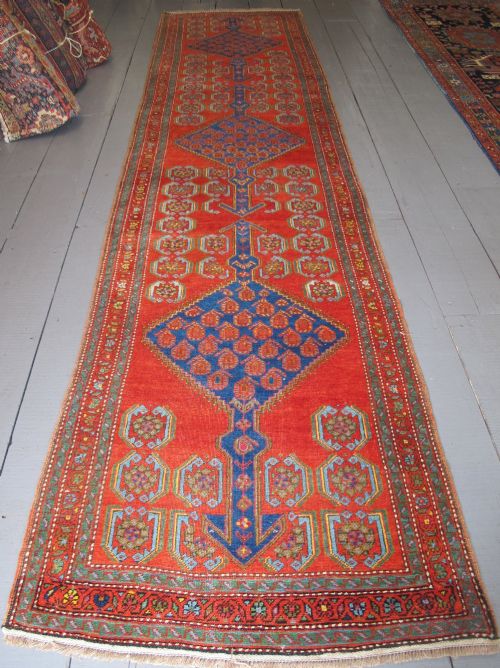


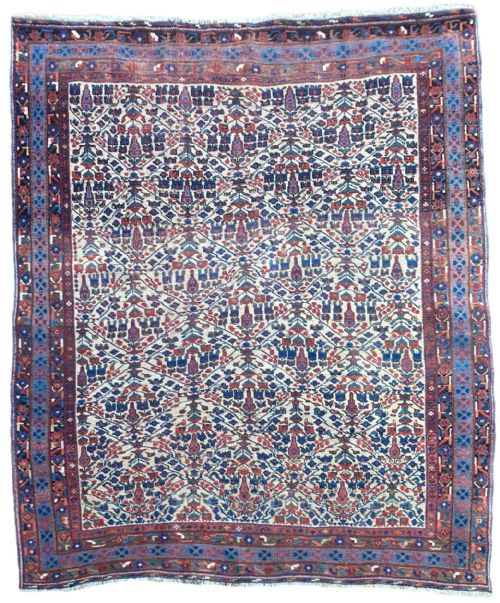


Geometric Persia Runner
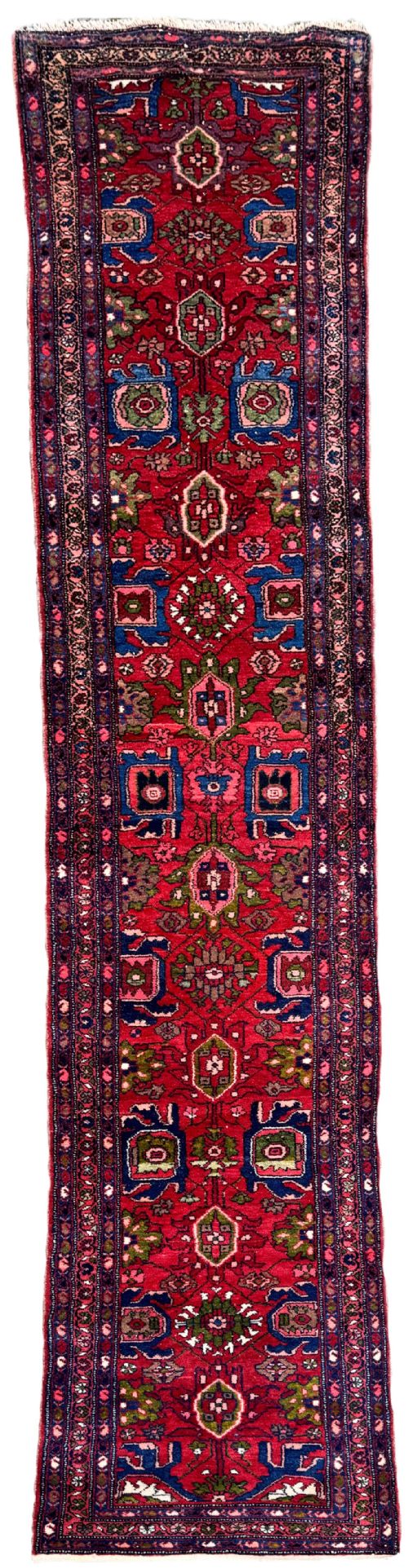
A geometric persia runner brings the bold, structured patterns of village and tribal weaving into long hallways and narrow rooms.
Geometric Persia Runner
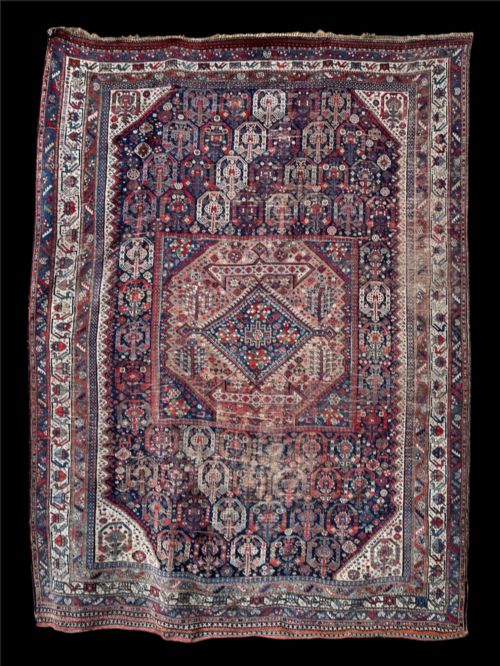
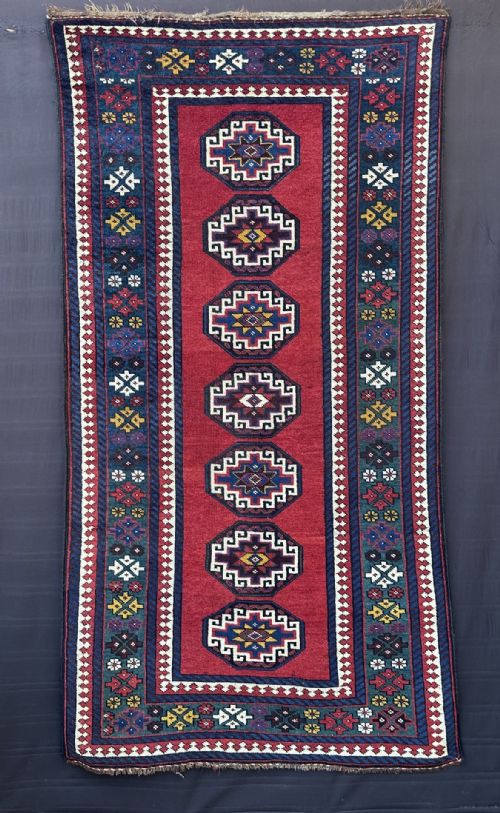
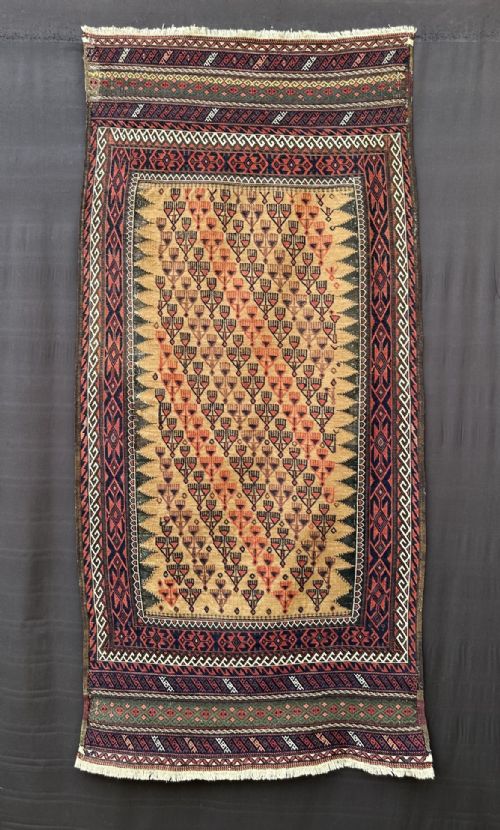
A geometric persia runner links long, narrow formats with angular motifs produced across Persian village and tribal regions. When exploring geometric persia runner options, pieces originating from centres such as Hamadan, Heriz, and various Kurdish or Baluch groups appear frequently.
Makers utilised wool foundations and pile alongside cotton elements, forming narrow corridor carpets designed for domestic walkways. These items span periods from the nineteenth century into the early twentieth century.
The aesthetic relies on repeated medallions, lattice structures, and rectilinear patterns rather than curving florals. Each district expressed distinct local traditions through these enduring floor coverings.
Materials and construction
Weavers constructed these long carpets using durable wool for the pile, often set upon cotton or wool foundation warps and wefts. This combination provided the resilience necessary for heavy foot traffic in corridors and halls.
Makers applied natural dyes to colour the wool, yielding rich tones that age with considerable character. The knotting techniques varied by tribe and region, resulting in sturdy structures designed to endure decades of domestic use.
Listings feature runners incorporating wool, cotton, and natural dyes from nineteenth and early twentieth-century Persian regions.
Distinctions in craftsmanship
The quality of a runner rests in the crispness of the rectilinear drawing and the saturation of the natural dyes. Tighter knot counts and balanced proportions separate standard village utility pieces from finer tribal productions.
Producers achieved greater visual depth when the wool quality was high and the dye lots remained consistent throughout the lengthy field. Wear patterns and structural integrity also influence the standing of individual examples.
Waring and Gillow
The Geometric Persia Runner Glossary
- Runner
- A long, narrow carpet format specifically suited for hallways, corridors, and stairs. These pieces prioritise length over width to fit architectural spaces.
- Medallion
- A central ornamental motif positioned in the field of the rug. It often forms the focal point of the geometric design.
- Knot
- The individual loops of wool tied around the warp threads to form the pile. Higher density generally indicates finer village or workshop execution.
- Warp
- The vertical foundation threads running the length of the rug from fringe to fringe. Wefts are then interwoven across these structural elements.
- Natural Dyes
- Colourants derived from plants, insects, and minerals rather than synthetic compounds. These materials produce harmonious fading and rich patination over time.
Geometric Persia Runner: Frequently Asked Questions
What is a geometric persia runner?
A geometric persia runner is a long, narrow floor covering created by Persian village or tribal weavers featuring angular, rectilinear motifs. These pieces were traditionally utilised in hallways and corridors.
They combine durable wool construction with natural dyes, displaying patterns rooted in regional weaving traditions rather than court workshops.
Where were these runners made?
Production occurred across various regions of Persia, including northwest districts like Heriz and Hamadan, as well as territories inhabited by Kurdish, Baluch, and Qashqai tribes.
Each area imparted distinct design characteristics, from bold tribal medallions to repeating lattice systems.
How do I care for an antique runner?
Protect the piece by placing a suitable underlay beneath it to prevent slipping and reduce friction against the floorboards. Regular gentle vacuuming without a rotating brush bar keeps dust from settling into the wool pile.
Professional cleaning should be undertaken periodically by specialists familiar with antique vegetable-dyed textiles.
How old are these runners?
The examples on this page primarily date from the late nineteenth century through the early decades of the twentieth century. Dating relies on stylistic analysis, material composition, and structural traits.
Pieces from this era reflect traditional hand-knotting methods executed before the widespread adoption of commercial synthetic dyes.