



Persian Hamadan Runner
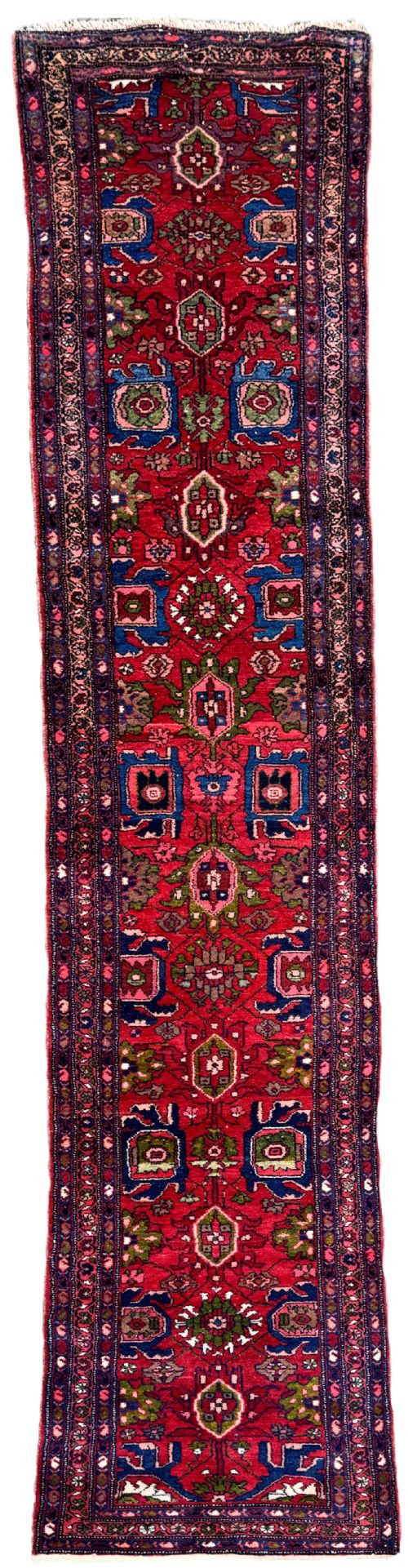
A persian hamadan runner brings durable village craftsmanship and rich botanical design directly to hallways and long corridors.
Persian Hamadan Runner
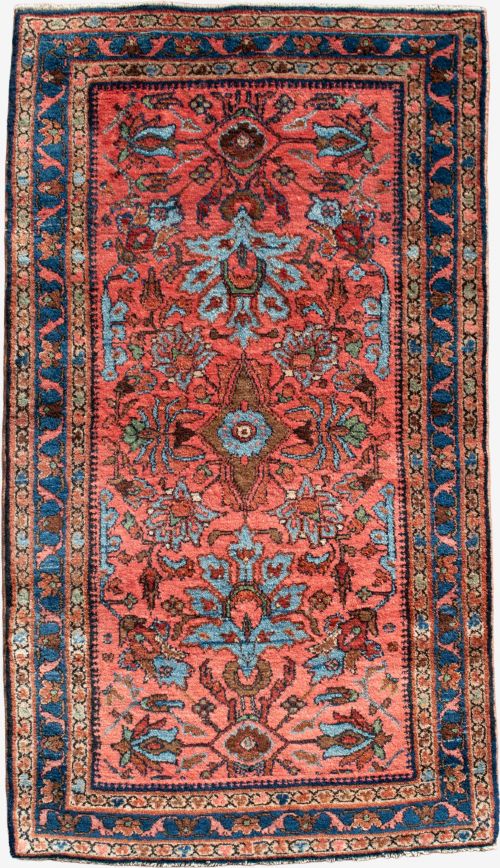
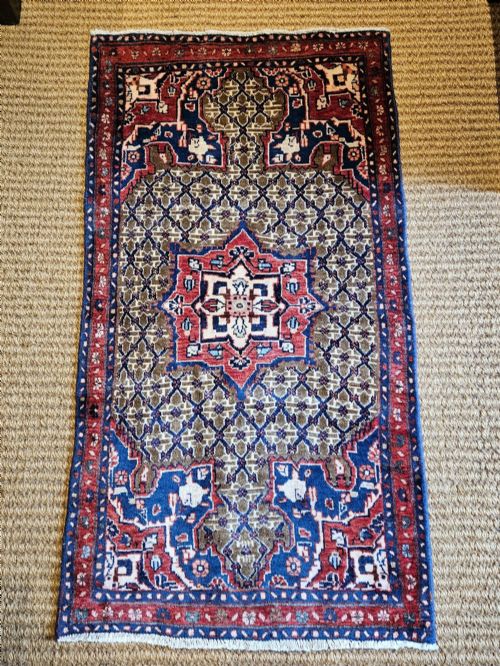
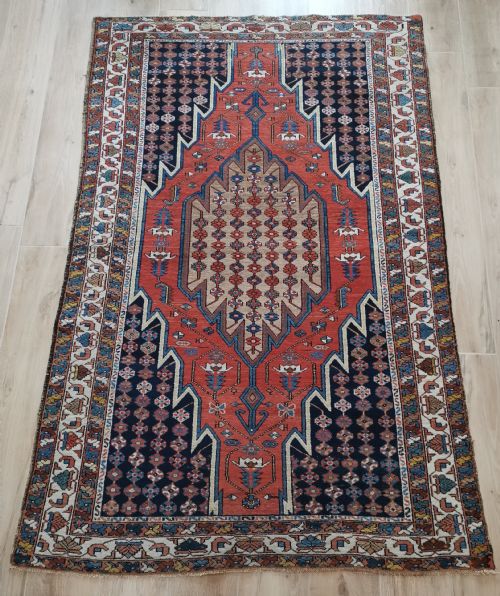
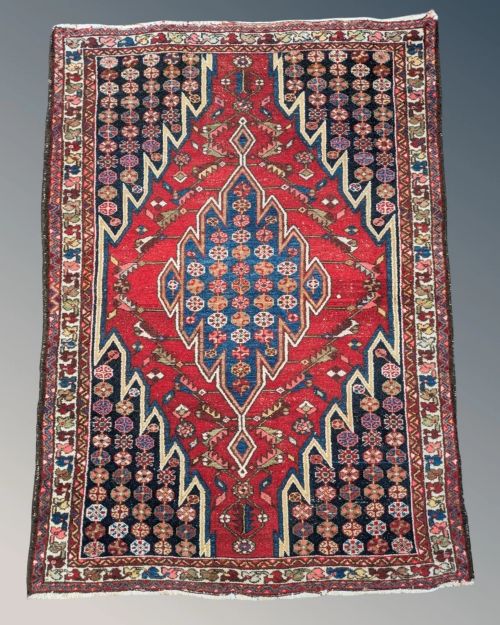
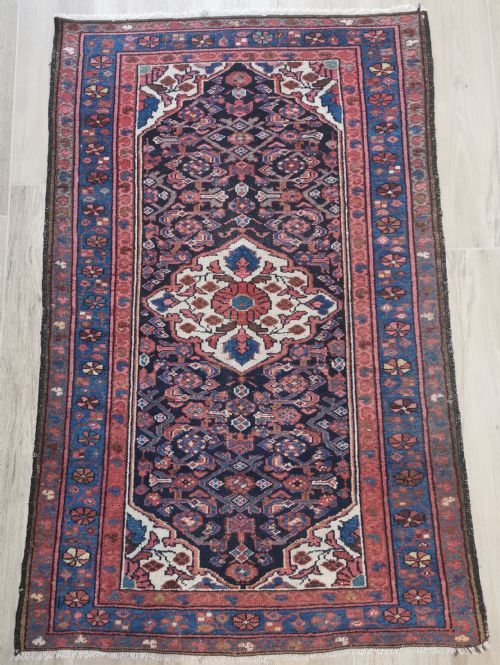
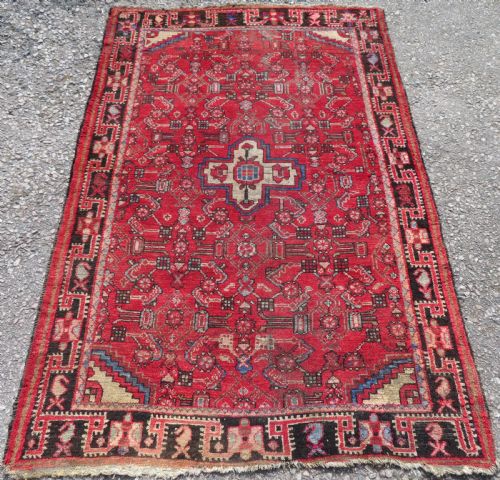
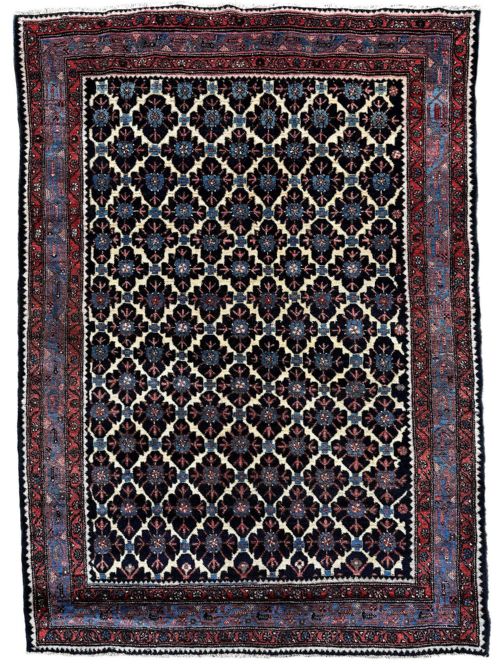
A persian hamadan runner is a hand-knotted textile produced in the town of Hamadan and its surrounding western Persian villages. These pieces serve primarily as narrow floor coverings designed for corridors, staircases and long rooms.
Most examples encountered on this page date from the late nineteenth century through the early decades of the twentieth century. They manifest various regional sub-types, including pieces woven by Kurdish weavers or originating from specific localities like Borodjert.
How they were made
These floor coverings utilise sturdy wool pile knotted onto strong cotton foundations to withstand heavy domestic traffic. Natural dyes provide the underlying palette, while hand-spinning methods impart subtle variations in texture across the surface.
Village weavers construct these long formats using traditional upright looms without pre-drawn paper cartoons, relying instead on generational memory for the geometric and floral motifs.
Persian Hamadan Runner Retail Price Guide 2026
Typical asking prices for persian hamadan runner among the pieces listed under this phrase on Sellingantiques today, from the lower quarter to the upper quarter. They describe what is for sale here now, not the wider market.
Listings span from the 1880s to the 1930s, utilising wool and cotton in traditional Persian village styles and formats.
What varies in quality
Quality rests upon knot density and the precision of the drawing within the field. Finer specimens display crisper outlines in medallions and floral lattices, whereas simpler village pieces show charming irregularities in line and symmetry.
The condition of the wool pile and the retention of original selvedges and end finishes determine the structural integrity of older examples.
The Persian Hamadan Runner Glossary
- Runner
- A long, narrow carpet format specifically proportioned for corridors, hallways and stairs. These pieces balance room width with extended length.
- Boteh
- A traditional teardrop or almond-shaped motif filled with floral or paisley-like patterns. This symbol appears frequently in village and tribal weavings.
- Kelleh
- A large-sized rectangular carpet format that is longer than a standard rug but wider than a runner. Collectors value these substantial room-size textiles for principal spaces.
- Mina Khani
- An repeating all-over lattice design composed of connected floral rosettes and palmettes. This pattern forms a harmonious grid across the central field.
Persian Hamadan Runner: Frequently Asked Questions
Where should I place a runner?
These narrow formats suit hallways, long corridors, entryways and narrow landings where foot traffic is heavy. Their robust wool construction handles daily transit while adding warmth to transitional spaces.
Ensure you measure both the length and width of your corridor carefully, leaving a uniform margin of bare floorboards or stone visible around the perimeter of the textile.
How do I care for wool rugs?
Regular gentle vacuuming without a beater bar removes trapped dust and grit from the wool pile. Professional cleaning by a specialist familiar with antique vegetable-dyed textiles is recommended every few years.
Protect the piece from direct, prolonged sunlight to prevent fading of the natural dyes, and rotate the rug occasionally to ensure even wear patterns over time.
What is a village rug?
Village rugs are woven by domestic households in rural communities rather than in urban manufactories. They frequently exhibit spontaneous design choices and local motifs passed down through families.
These pieces often display a greater rustic charm and heavier wool pile compared to finer city-made counterparts, reflecting the practical needs of rural life.
How old are these rugs?
The pieces available generally date from the late nineteenth century through the 1930s. Stylistic indicators, construction methods and structural materials help establish these approximate decades.
Examining the wear on the wool pile and the characteristics of the foundation yarns provides further context regarding the age of each individual weaving.