




Geometric Oriental Runner Rug
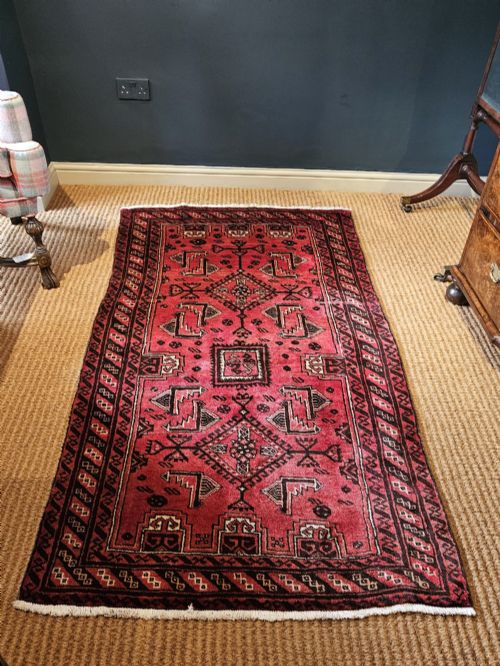
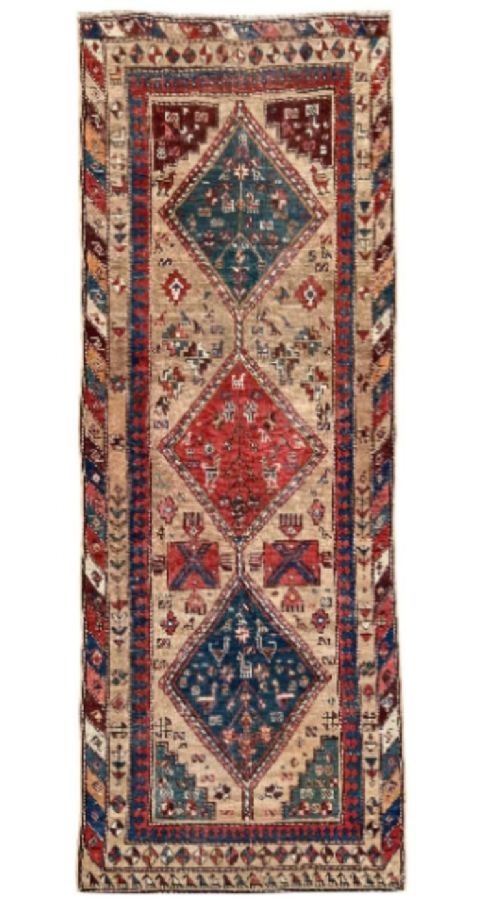
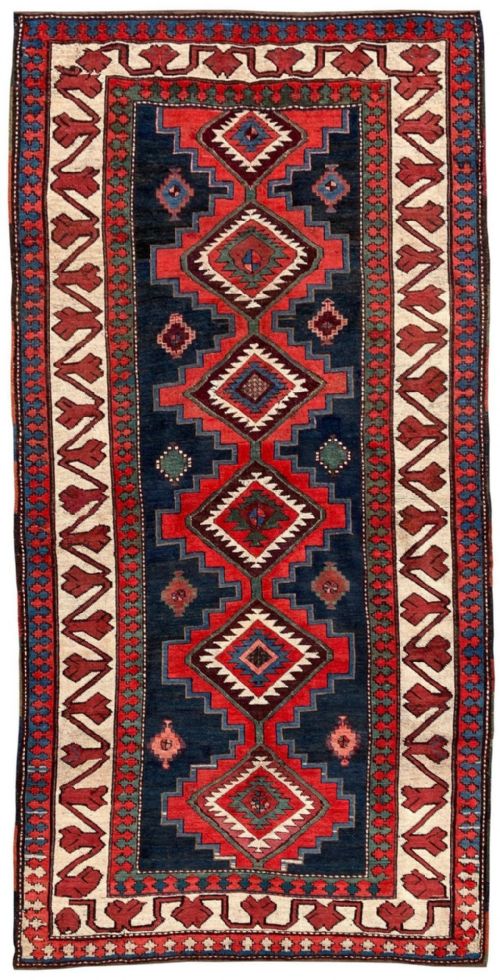
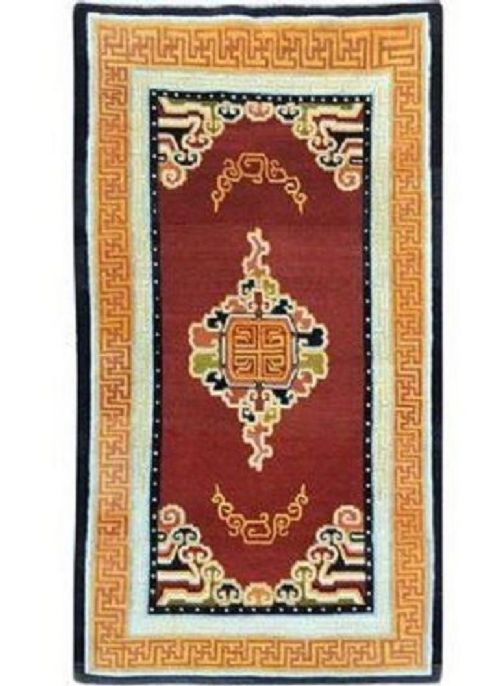
Geometric oriental runner rug examples span nineteenth-century weaving traditions down to the nineteen-thirties, bringing linear motifs and practical length to long corridors.
Geometric Oriental Runner Rug
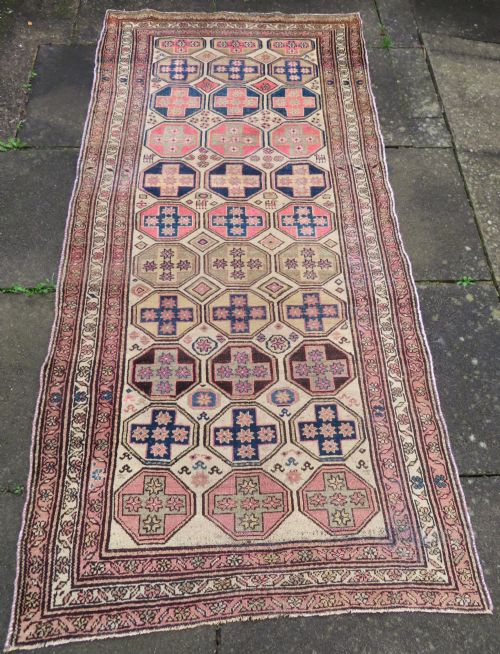
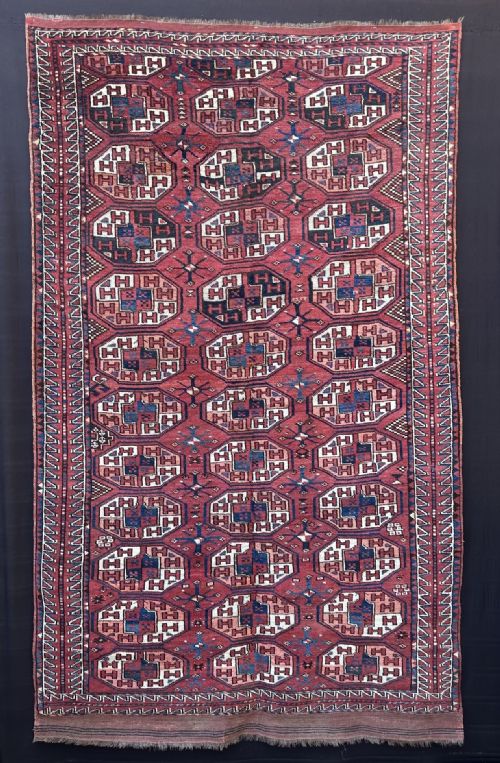
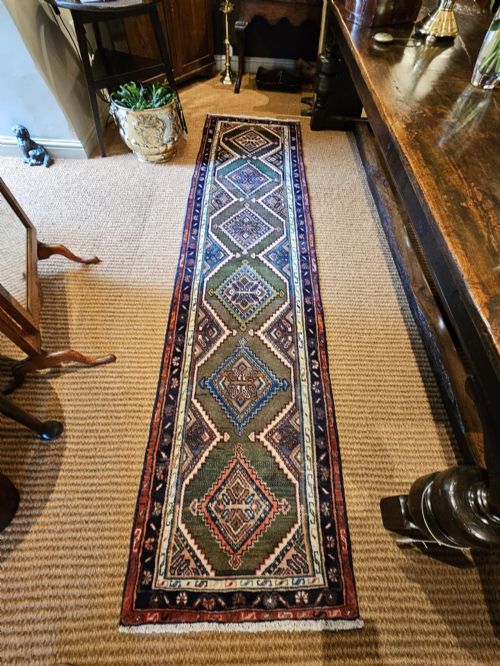
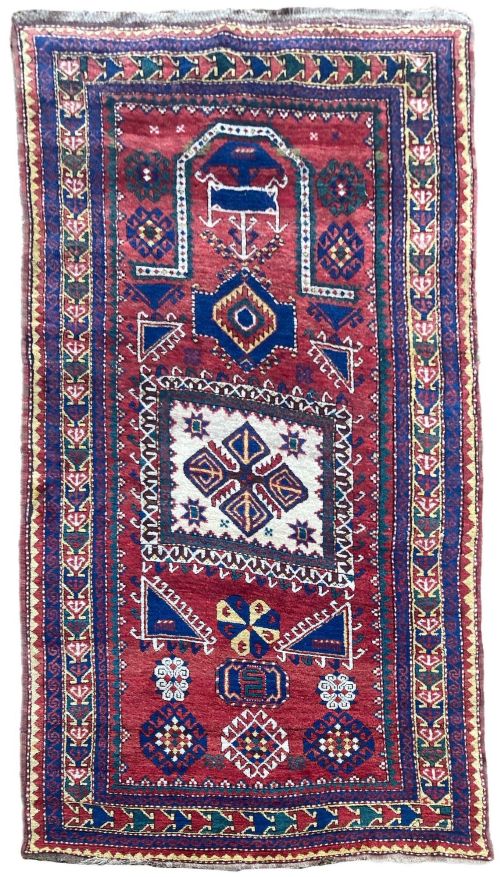
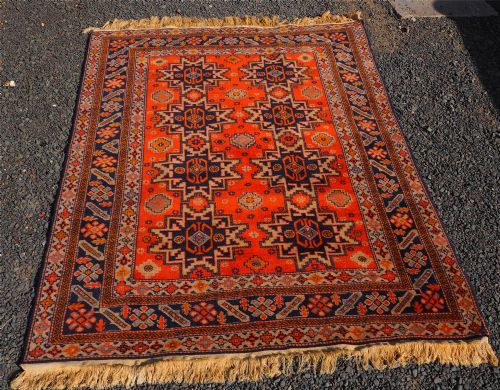
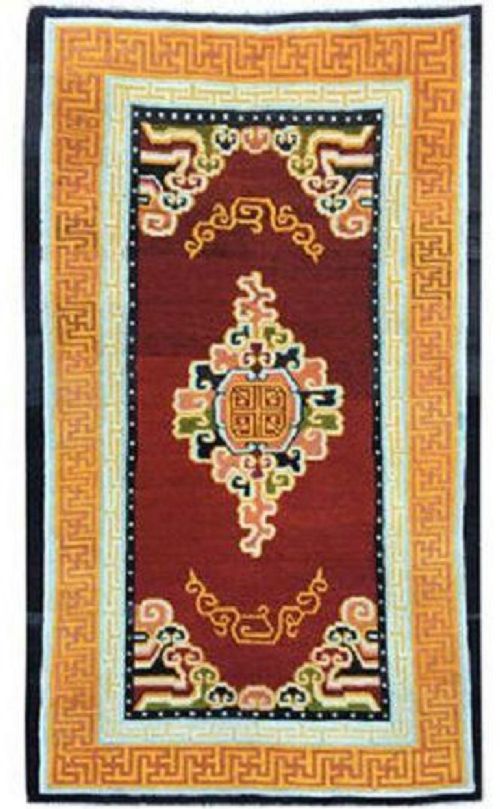
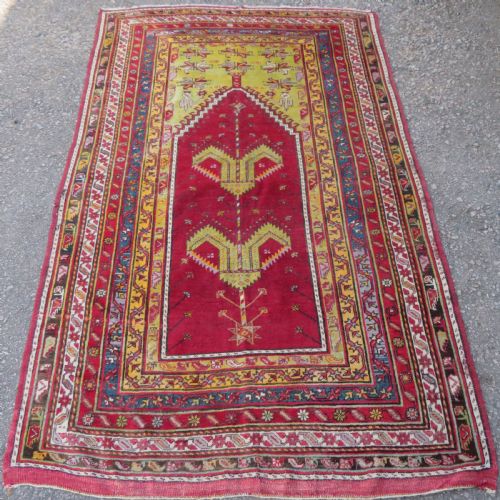
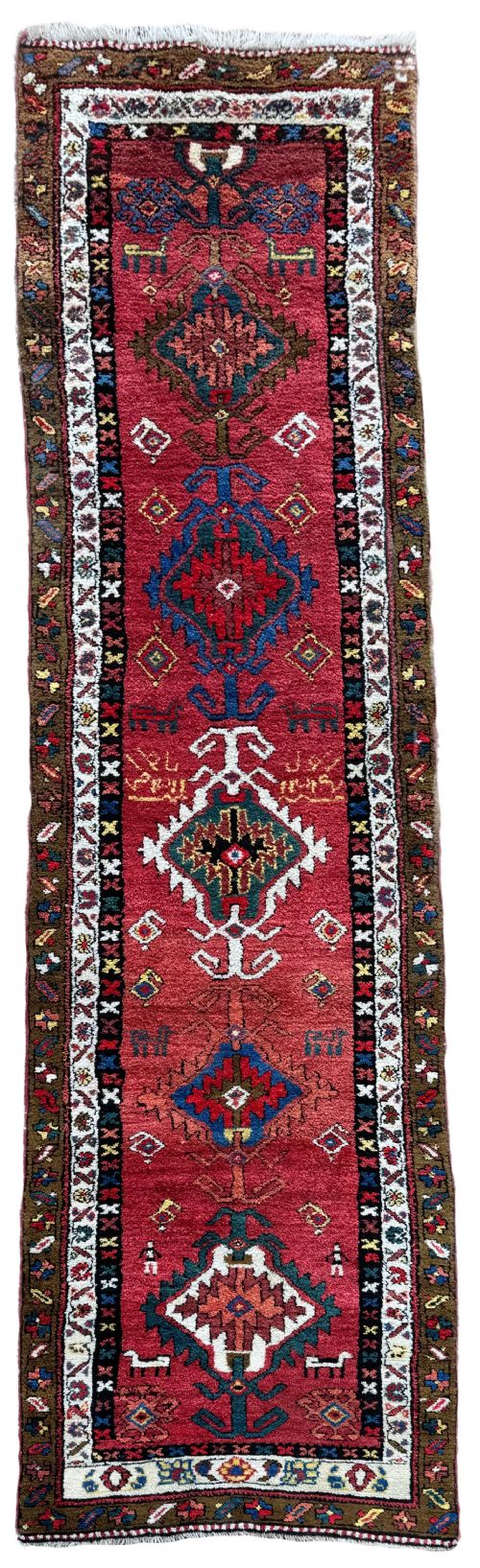
A geometric oriental runner rug brings structured motifs and elongated proportions to hallways and narrow rooms. The selections here originate from Persian, Caucasian, Turkish, and Central Asian workshops and tribal groups, dating from the nineteenth century into the twentieth century. These textiles include specific regional types such as Hamadan, Heriz, Kazak, and Talish runners alongside broader tribal weaving traditions.
Makers ranged from village households to nomadic groups utilising traditional looms. Common formats span long hallway runners, narrow carpets, and long rugs designed to fit transitional spaces in period houses. The resulting inventory reflects a blend of structured medallion formats, lattice designs, and repeating tribal guls.
How they were made
Weavers relied principally on hand-spun wool and pure wool foundations, occasionally incorporating camel hair for natural tone variations. These animal fibres provided durability for high-traffic areas while taking dye evenly.
Natural dyes produced the palette seen across these pieces, yielding deep navy blues, olive greens, and mellow polychrome shades. Structural integrity depended on tight hand-knotting techniques handed down through generations of tribal and village weavers.
Some carpets feature deliberate minor irregularities in the border geometry, left by weavers who believed only divine creations should be entirely without flaw.
What varies in quality
Quality rests upon the precision of the geometric layout and the handling of natural dyes. Stronger pieces display crisp lines in lattice work and guls, where colour transitions remain harmonious across the field.
The choice of materials also divides the range, particularly the use of hand-spun wool versus standard commercial yarns. Well-preserved pile density and intact side cordings separate better-surviving examples from distressed or heavily worn specimens.
The Geometric Oriental Runner Rug Glossary
- Gul
- A repeating medallion motif often found in Turkmen and Baluch weaving. It acts as a primary geometric identifier for specific tribal groups.
- Mihrab
- An architectural arch design adapted for prayer rugs. It points the worshipper towards Mecca during daily prayers.
- Kazak
- A style of rug produced in the Caucasus region. These pieces are known for bold primary colours and strong geometric layouts.
- Lattice
- A gridwork pattern intersecting across the field of a runner. This design structures the background for secondary geometric ornaments.
- Runner
- An elongated carpet format proportioned for hallways and corridors. Length greatly exceeds width to suit narrow architectural spaces.
Geometric Oriental Runner Rug: Frequently Asked Questions
Where should I place a runner rug?
These long formats suit narrow spaces such as hallways, corridors, and galley kitchens. Their proportions also work well alongside beds or in transitional entryways.
Ensure you measure the clear floor space carefully, leaving a uniform border of exposed flooring around the edges of the textile.
How do I identify a Caucasian runner?
Caucasian pieces typically exhibit bold primary colours, crisp geometric medallions, and rectilinear borders. The wool often feels slightly crisper than softer Persian counterparts.
Look for distinctive motifs such as latch-hooks, stepped polygons, and formal lattice structures within the field.
What is camel hair used for?
Undyed camel hair provides a soft, warm golden-brown background tone in select tribal weavings. It appears naturally in various shades of fawn and tan.
Weavers utilised this fibre to create subtle tonal contrasts without relying on artificial dyestuffs.
How do I care for antique wool runners?
Vacuum gently with the suction attachment only, avoiding revolving beater bars that can catch hand-spun pile knots. Rotate the piece periodically to ensure even wear across high-traffic zones.
Professional cleaning should occur infrequently and be handled by specialists familiar with antique vegetable-dyed textiles.