



Kurdish Tribal Runner Rug
A genuine Kurdish tribal runner rug brings earthy geometry and durable village weave into a hallway or narrow space.
Kurdish Tribal Runner Rug
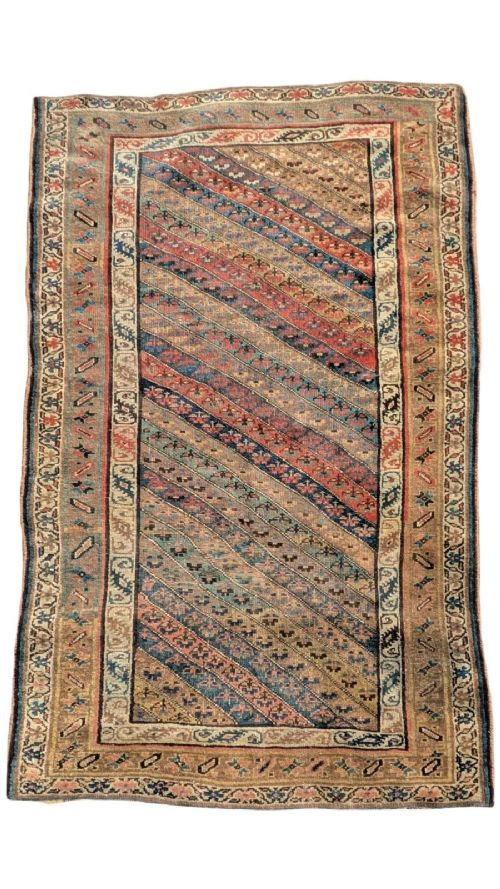
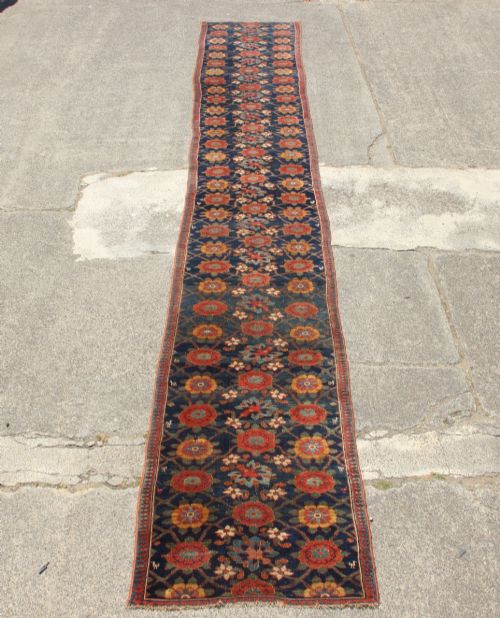
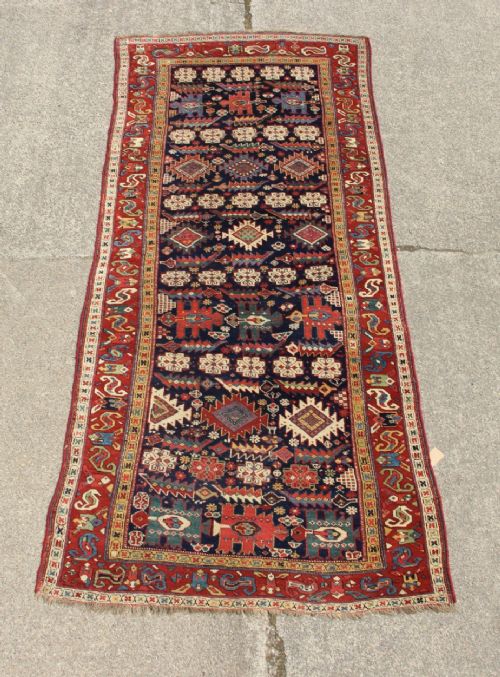
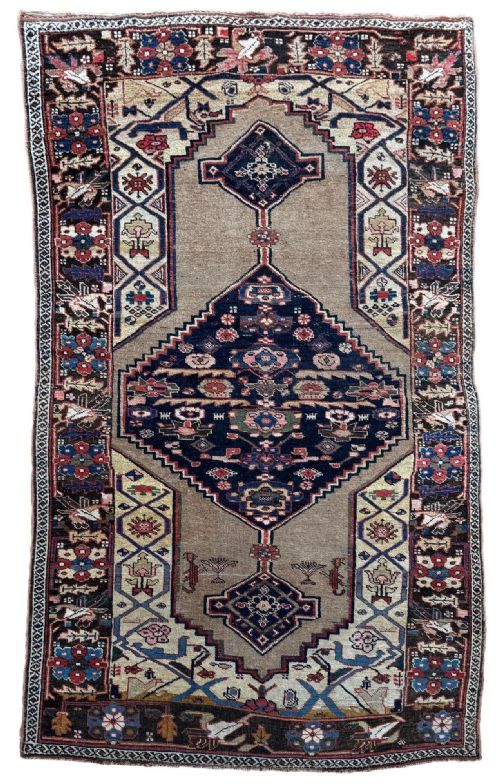
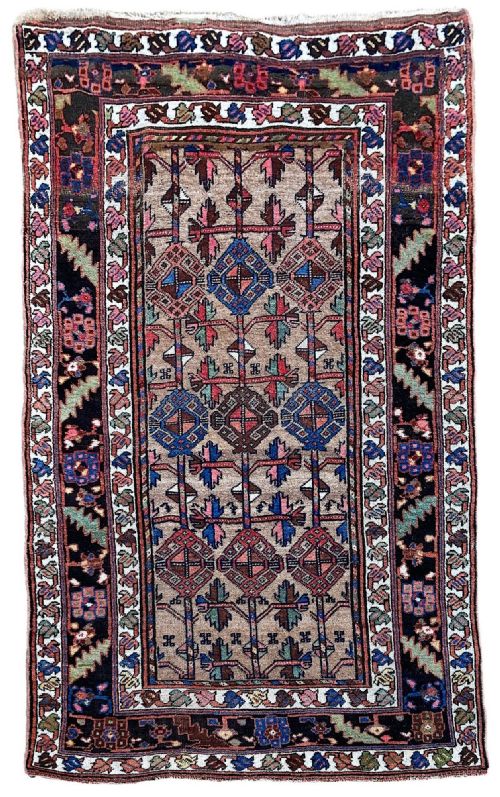
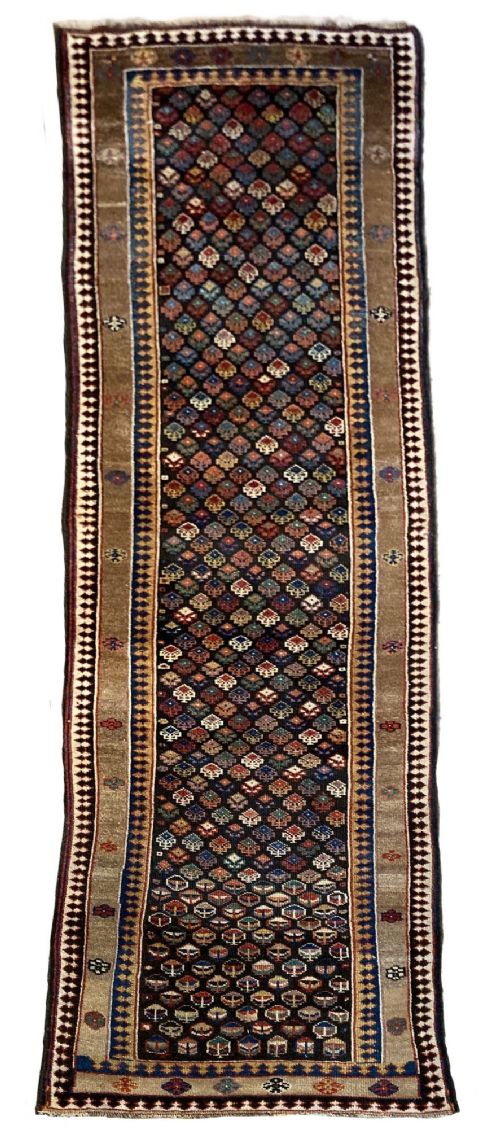
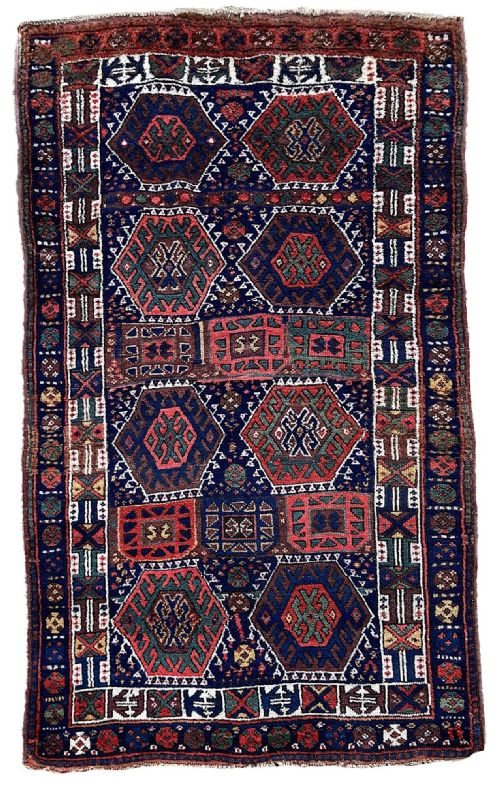
A Kurdish tribal runner rug is an elongated floor covering woven by village and nomadic weavers, frequently designed for narrow hallways or extended spaces in homes. These pieces combine geometric motifs with resilient structures that suit heavy foot traffic.
The selections available here span from the mid-nineteenth century through the early twentieth century, showing regional styles associated with Bidjar, Hamadan, and Jaf groups. These origins ground each runner in distinct weaving traditions of Persian and Anatolian districts.
Runners present a narrow format suited to period properties, often measuring several metres in length relative to their width. Buyers meet formats that range from compact hallway lengths to substantial long carpets.
Materials and Construction
Makers utilised hand-spun wool for the pile and foundation yarns, yielding a dense handle that absorbs wear over decades of use. Cotton foundation threads appear in specific regional workshops alongside traditional wool foundations.
Natural dyes provide the palette for these textiles, resulting in rich tones that age with depth across the wool surface. Vegetable colour sources produce hues that settle softly as light hits the fibres.
Listings feature pieces dated from the nineteenth century up to 1930, utilising hand-spun wool and natural dyes.
Assessing Quality and Execution
Knot density and structural tightness separate standard village weaving from finer regional work such as Bidjar or Senneh pieces. A firmer foundation and precise execution of intricate motifs reflect greater weaver skill.
The preservation of original borders and balanced pile height govern the visual integrity of older runners. Strong dye saturation and clarity in geometric guls maintain the aesthetic strength of the piece.
The Kurdish Tribal Runner Rug Glossary
- Gul
- A medallion motif or repeating floral stamp used across tribal carpets. These octagonal or rounded shapes identify specific weaving groups.
- Kelleh
- A large format rug that is longer than it is wide, falling between standard room sizes and runner formats. This format suited traditional Persian domestic layouts.
- Bidjar
- A Persian town and surrounding district renowned for heavy, durable carpets with dense foundations. Weavers in this region produce particularly resilient structures.
- Runner
- A long, narrow carpet format designed primarily for corridors, staircases, and hallways. Their proportions navigate restricted spatial dimensions.
- Natural Dyes
- Colourants derived from plants, roots, and insects prior to the introduction of synthetic alternatives. These dyes create complex, muted tones that weather gracefully.
Kurdish Tribal Runner Rug: Frequently Asked Questions
Where should I place a runner?
These long carpets suit narrow corridors, stair landings, and gallery spaces where linear floor coverage is required. Their dense wool pile withstands frequent foot traffic in busy domestic areas.
Ensure proper underlay is used beneath the textile to prevent sliding on hard flooring surfaces and to cushion the wool pile against wear.
How do I clean an old wool rug?
Gentle surface brushing and regular light vacuuming without a beater bar remove embedded grit from the wool pile safely. Professional textile conservators should handle wet cleaning to protect natural dyes.
Avoid excessive moisture and harsh chemical detergents that weaken hand-spun wool fibres and alter historical colour balances.
How old are these carpets?
The examples on this page date predominantly from the late nineteenth century through the early decades of the twentieth century. Traditional village weaving methods remained active during these periods before commercial synthetic dyes became widespread.
Stylistic markers, structural materials, and wool characteristics help distinguish nineteenth-century pieces from later twentieth-century production.
What is a tribal carpet?
Tribal carpets are woven by nomadic or village communities rather than urban workshop factories. Designs rely on generational memory and local symbolism rather than formal paper cartoons.
This decentralized method results in spontaneous geometric variations and individual creative choices within each woven piece.