


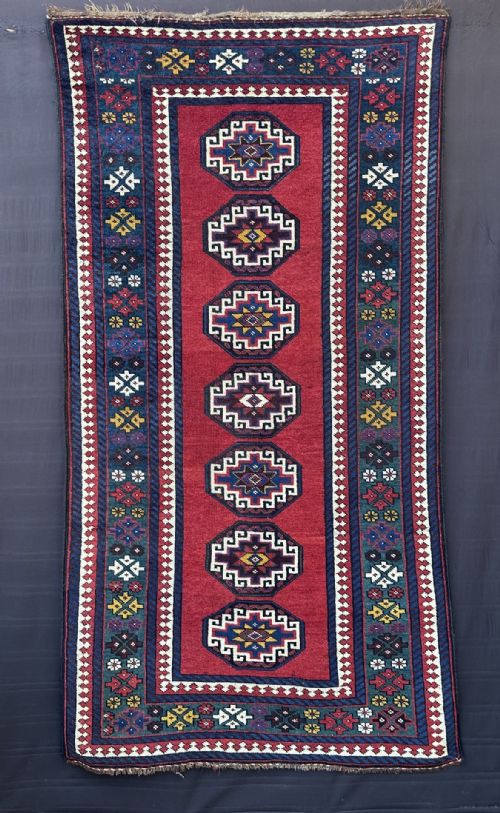
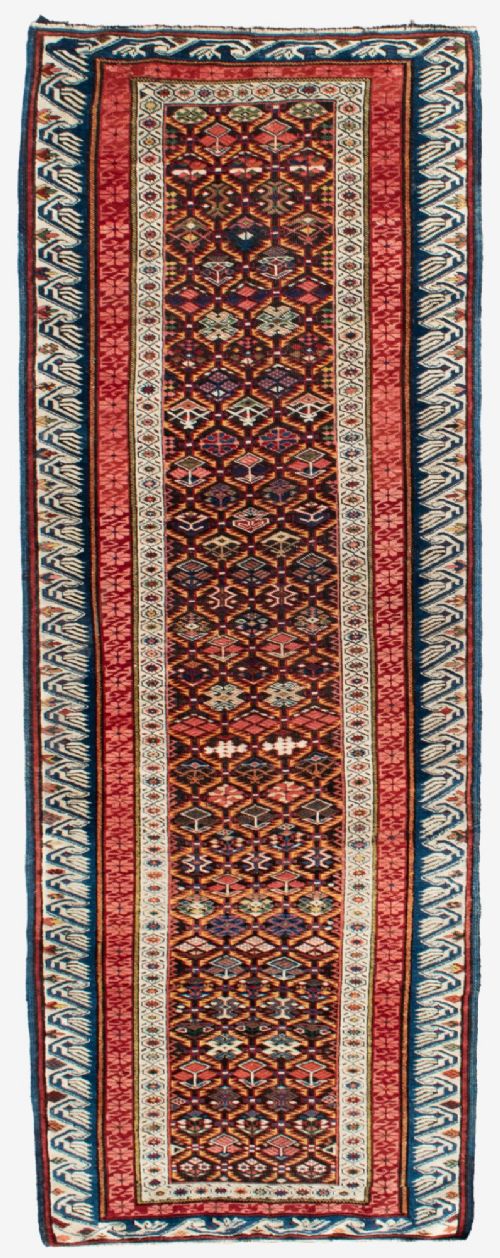
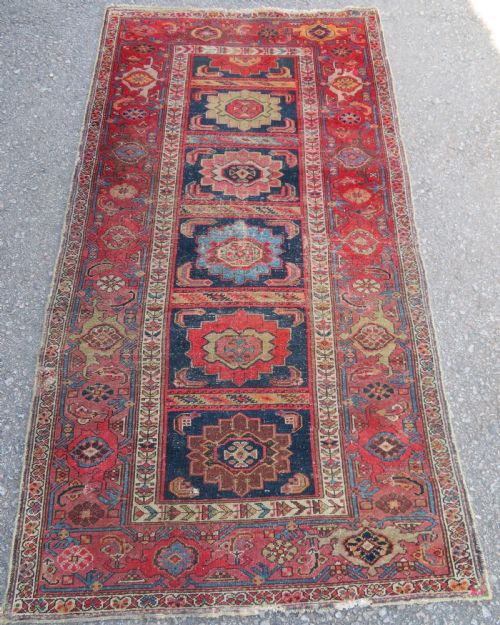
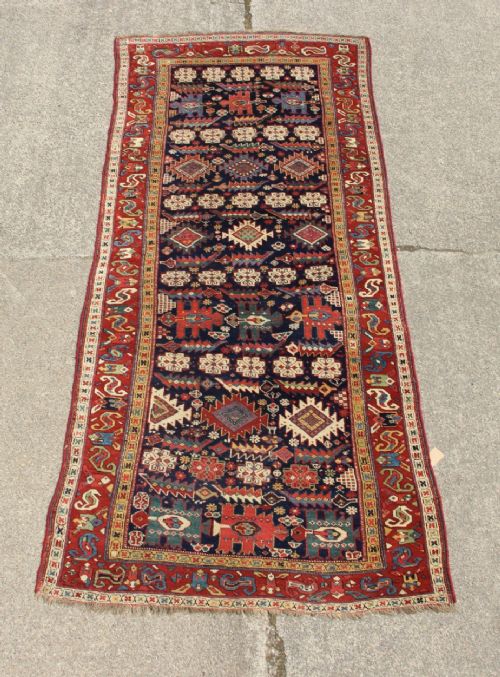


Caucasian Tribal Hallway Rug
A caucasian tribal hallway rug brings geometric energy and centuries of weaving tradition straight to your floors.
Caucasian Tribal Hallway Rug
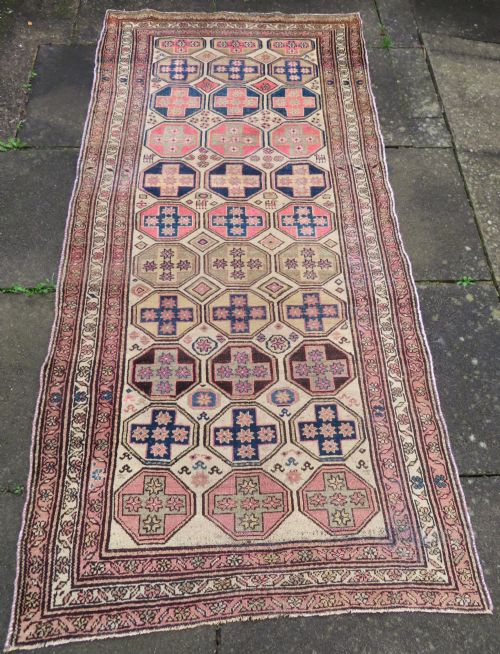
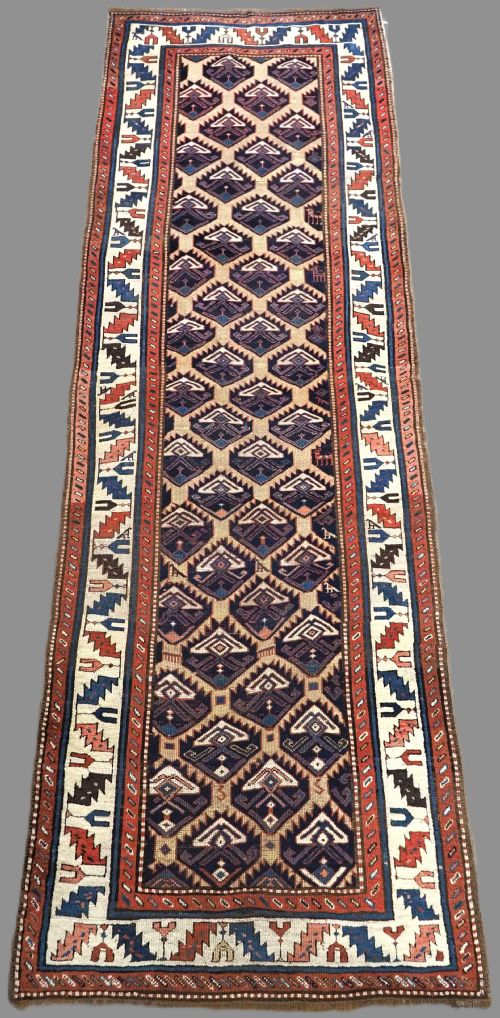
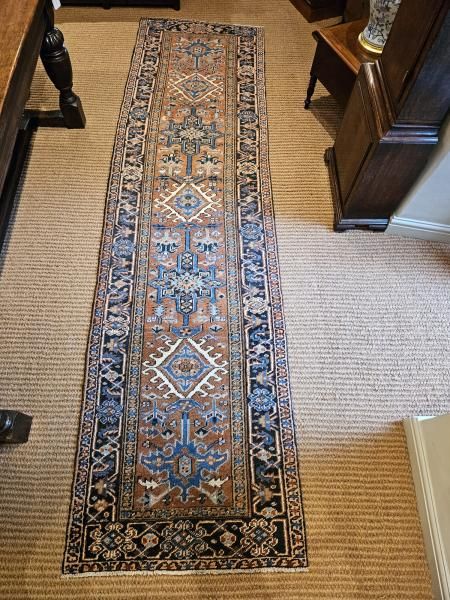
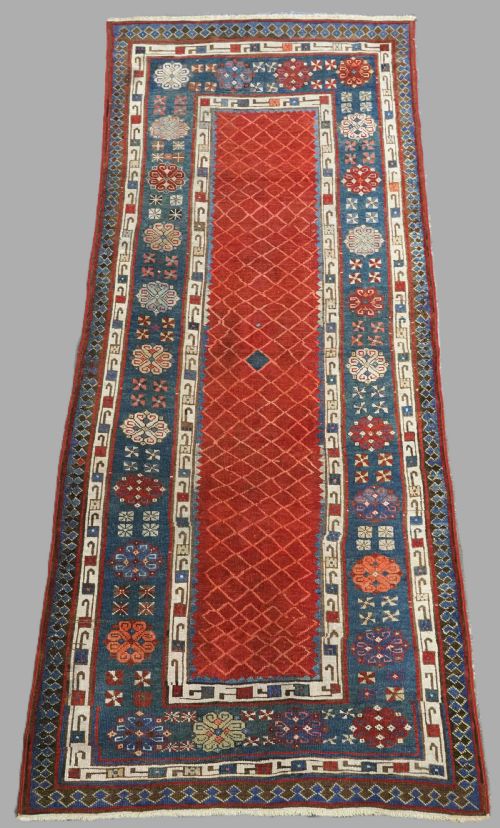
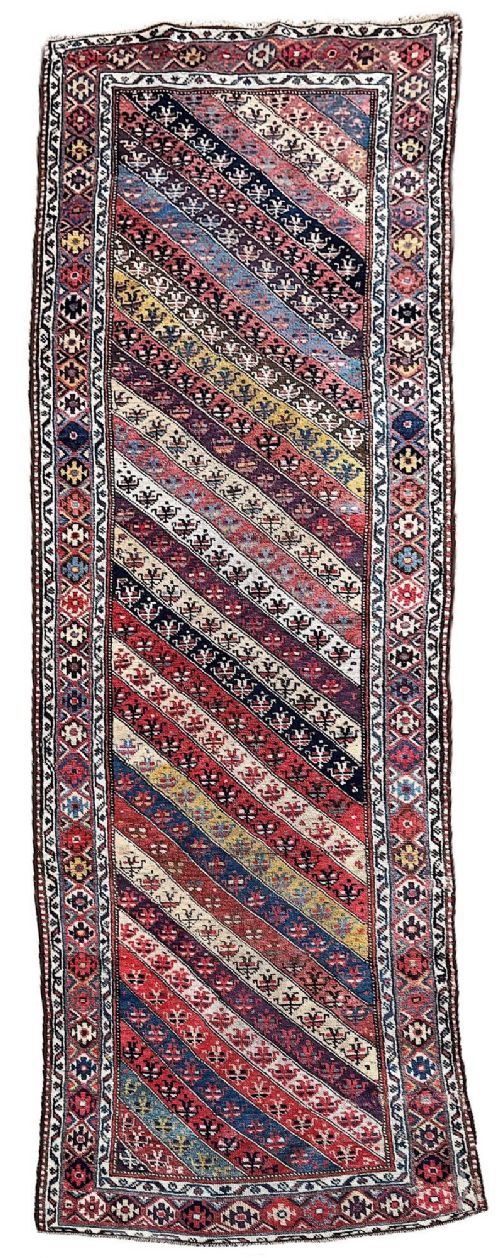
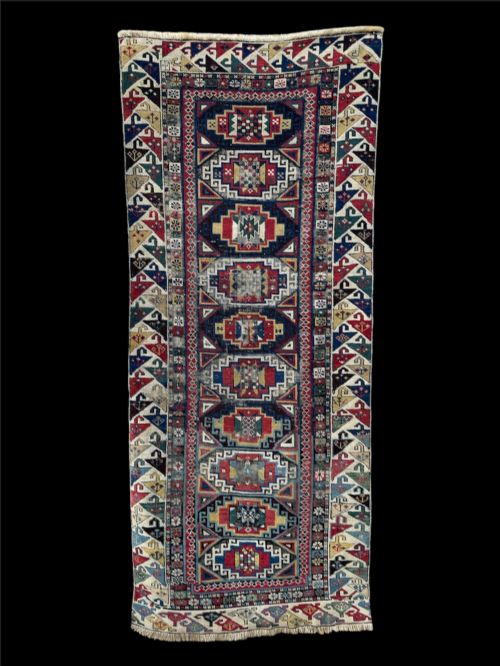
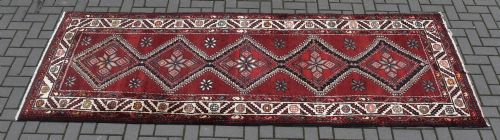
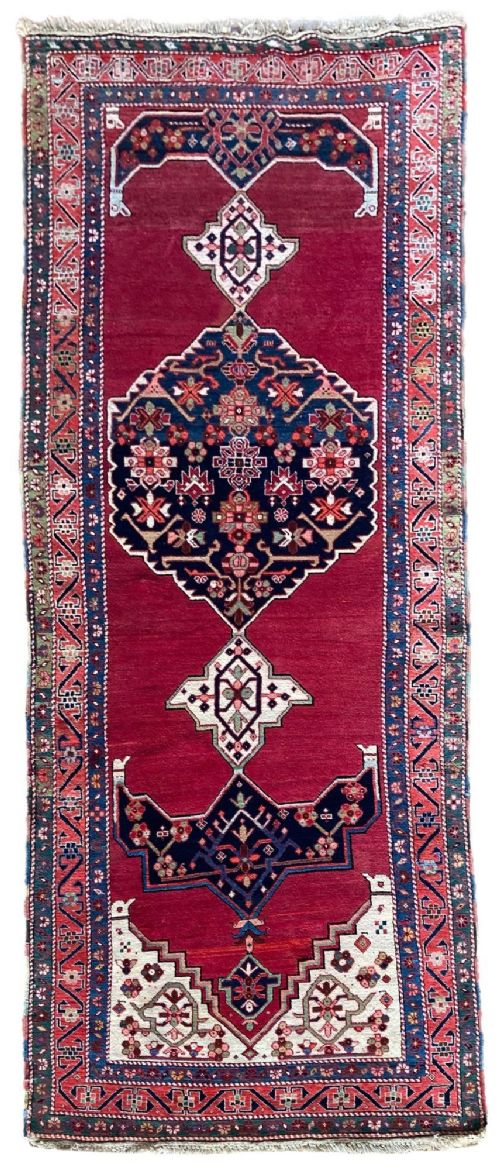
A caucasian tribal hallway rug sits firmly within the runner and long rug format, designed specifically for corridors and narrow spaces. The selection on this page draws from the nineteenth and early twentieth centuries, spanning periods from eighteen sixty through to nineteen twenty. You will encounter pieces attributed to specific regional weaving traditions such as Gendje, Talish, Shirvan, Kazak, and Kurdish.
The format is inherently linear, stretching long and narrow to fit household transit areas. These textiles function as practical floor coverings that also display complex tribal motifs, geometric medallions, and lattice patterns. They emerge from the Caucasus and neighbouring Persian territories, reflecting distinct local weaving dialects in every line.
How they were made
Makers constructed these textiles utilising hand-spun wool and cotton foundations, binding the pile firmly by hand. The reliance on natural dyes imparts rich, varied tones across the surface of each piece, showing subtle shifts in shade over time.
Weavers employed traditional knotting and flatweaving techniques passed down through generations. These methods produced dense, durable surfaces capable of withstanding heavy foot traffic in domestic hallways.
Listings span production dates from eighteen sixty through to nineteen twenty, featuring wool, cotton, and natural dyes.
What varies in quality
Quality rests upon the fineness of the weave and the clarity of the design structure. Tighter knots and precise geometric execution separate pieces produced with exceptional care from simpler utilitarian items.
The retention and depth of natural colour influence the overall impact of the textile. Examples exhibiting vibrant, harmonious dye palettes and intact original edges command closer attention from knowledgeable buyers.
The Caucasian Tribal Hallway Rug Glossary
- Runner
- A long, narrow carpet format traditionally used in hallways, corridors, and alongside larger room rugs.
- Natural Dyes
- Colourants derived from plant, insect, and mineral sources rather than synthetic chemical laboratories. These materials age with depth and organic variation.
- Hand-Spun Wool
- Yarn twisted manually using a drop spindle or simple wheel, yielding irregular thickness and texture that absorbs dye unevenly in characterful ways.
- Boteh
- A traditional teardrop or paisley motif representing a floral spray or cypress tree, frequently repeated across tribal fields.
- Lattice
- An open geometric framework of crisscrossing lines that organises secondary motifs across the rug field.
Caucasian Tribal Hallway Rug: Frequently Asked Questions
Where should I place a long hallway runner?
These narrow textiles suit corridors, entrance halls, and narrow landings where linear floor space requires softening. They protect wooden flooring while adding direct visual warmth to transitional areas.
Ensure you measure both the length and width of your corridor carefully, leaving a uniform border of exposed floor on all sides for the best visual balance.
How do I care for an antique wool rug?
Vacuum gently using suction only, avoiding the rotating brush bars that can pull at hand-spun wool pile. Rotate the textile periodically to ensure even wear from foot traffic.
Professional cleaning tailored to antique vegetable-dyed wool helps maintain the integrity of the natural materials over decades of domestic use.
What is the difference between Kazak and Talish rugs?
Kazak weavings typically feature bold, large-scale geometric medallions and robust primary colours. Their designs are robust and direct.
Talish rugs generally present a more slender, open field dominated by a central column or repeated medallions against a clear, often blue, ground.
How do I identify the age of these textiles?
Dating relies on assessing material characteristics, structural wear patterns, and the chemical composition of the colourants used. Pieces from the nineteenth century often display specific regional palettes and softer wool handling.
Comparing structural knot counts and design layouts against documented regional examples provides further confirmation of the period of production.