




Geometric Medallion Wool Rug
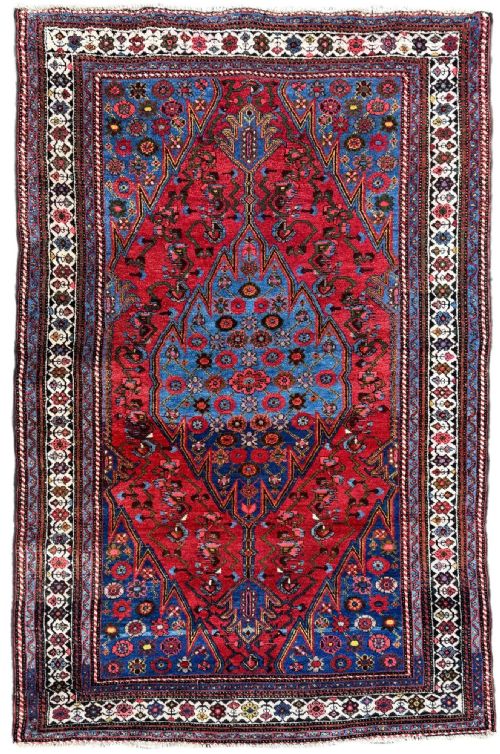
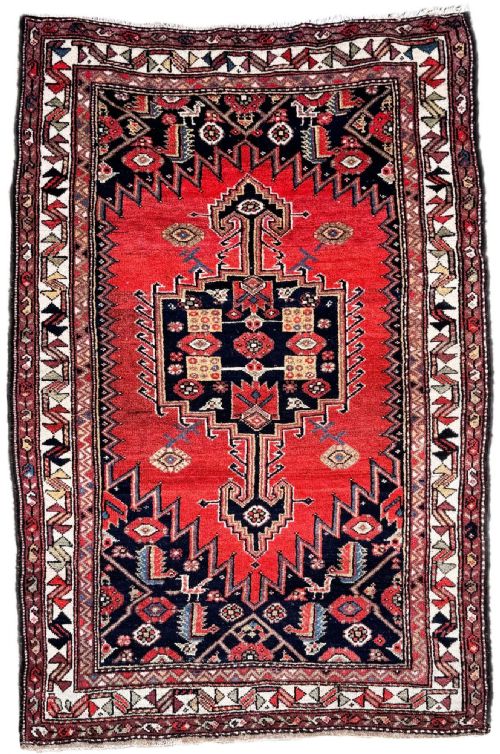
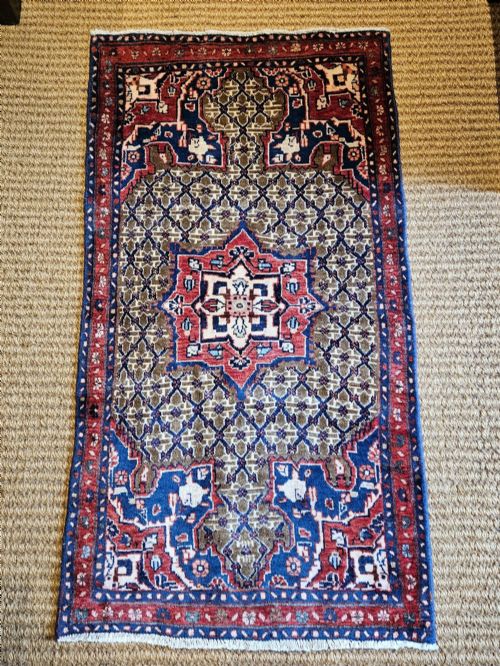
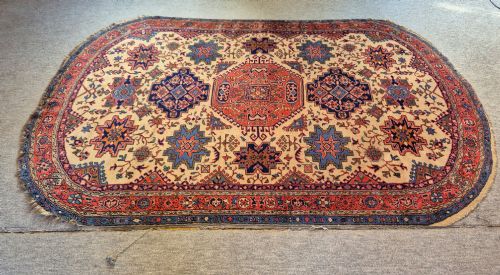
A geometric medallion wool rug anchors a room with structured tribal patterns and natural warmth.
Geometric Medallion Wool Rug
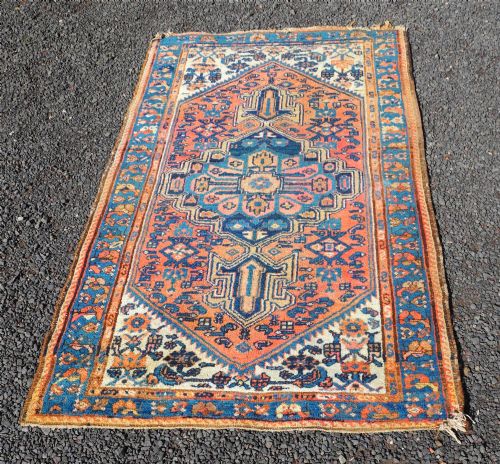
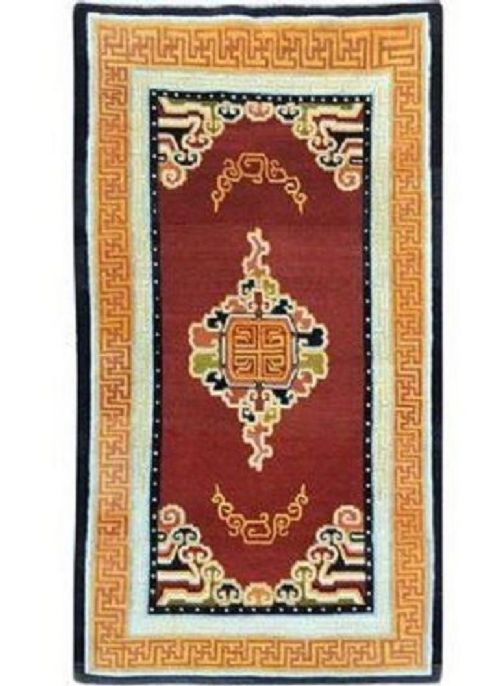
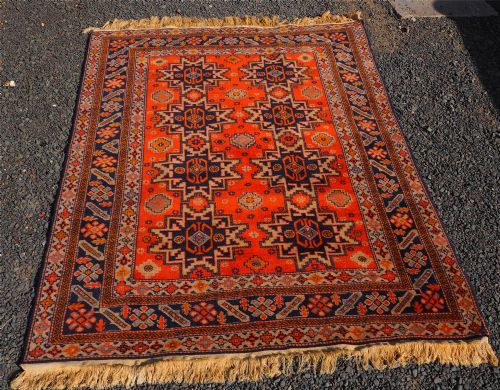
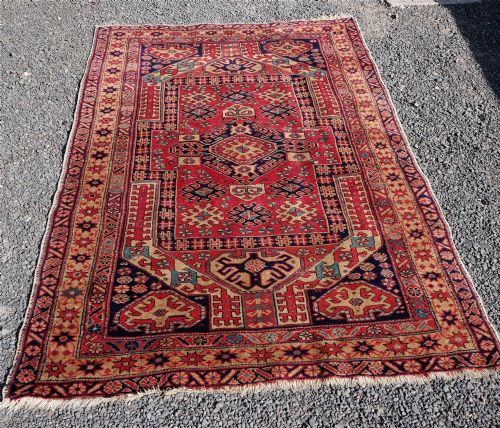
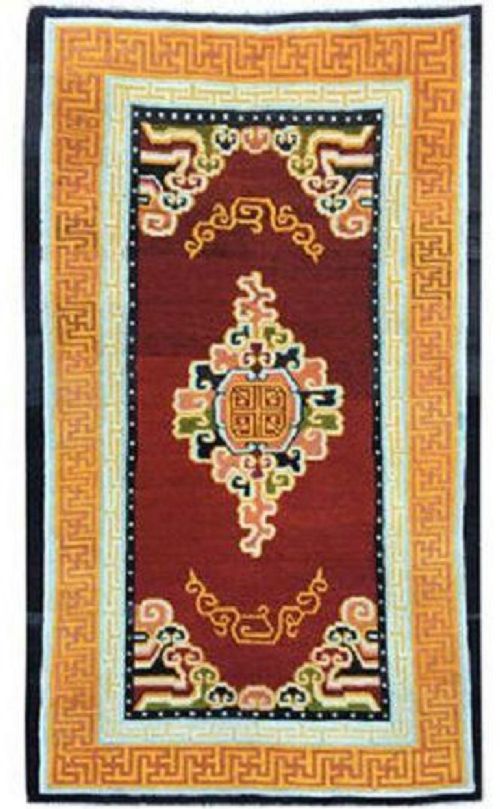
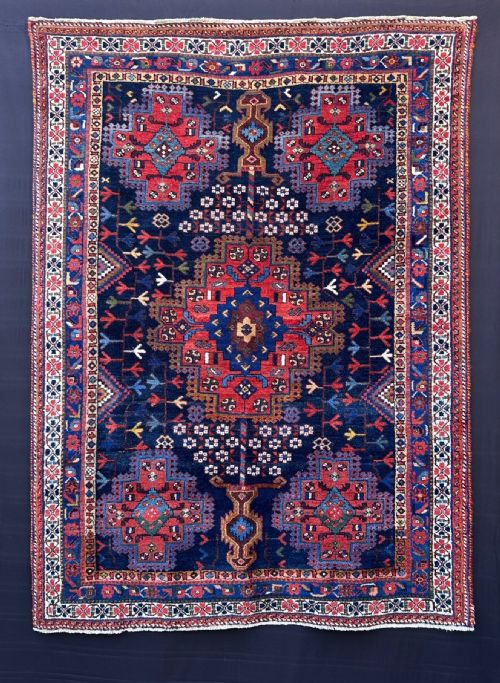
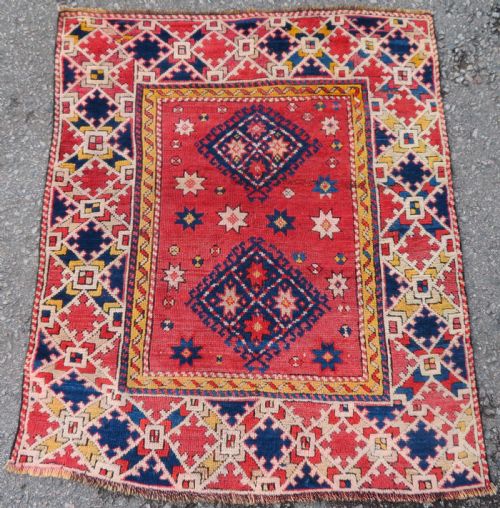
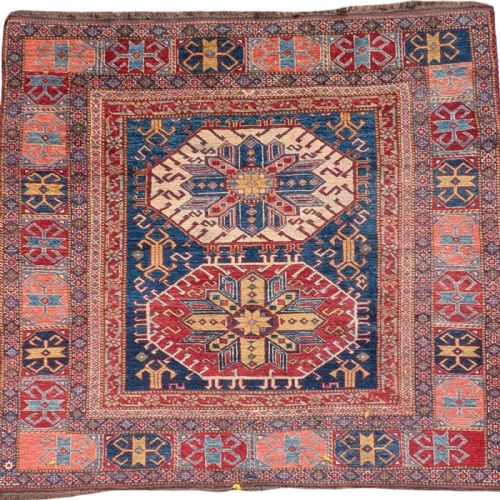
When searching for a geometric medallion wool rug, you are looking at hand-woven floor coverings originating from Persia, the Caucasus, Anatolia, and Tibet. These textiles span periods from the nineteenth century through the mid twentieth century, encompassing various scales from hearth mats to large carpets and long runners.
The most common examples on this page are Persian Heriz, Kazak, and Khamseh pieces, alongside Anatolian tribal formats. They range from room-sized carpets down to small bagfaces and square mats, reflecting regional weaving traditions.
How they were made
These floor coverings utilise wool, cotton, and occasionally camel wool for the pile and foundation yarns. Weavers tied hand-knotted piles onto supportive warp and weft threads, creating durable structures designed for heavy daily use.
Natural dye traditions and traditional hand-weaving methods produced varied colour palettes, from mellow tones to deep navy blues.
Geometric Medallion Wool Rug Retail Price Guide 2026
Typical asking prices for geometric medallion wool rug among the pieces listed under this phrase on Sellingantiques today, from the lower quarter to the upper quarter. They describe what is for sale here now, not the wider market.
Some antique rugs are small enough to be hearth-sized, warming just the toes by the fireplace.
What varies in quality
The distinction between tiers rests upon knot density, precision of the medallion geometry, and the integrity of the wool. Finer examples display crisp structural lines and tightly packed piles that retain their definition across decades.
Condition also plays a part, distinguishing intact surfaces from distressed examples that show extensive wear along the field and borders.
The Geometric Medallion Wool Rug Glossary
- Medallion
- A central ornamental motif placed in the middle of the rug field. It often takes a polygonal or cruciform shape in tribal weaving.
- Pile
- The upright yarn loops that form the soft surface of the rug. It is typically knotted by hand onto a supporting foundation.
- Warp
- The vertical threads stretched tightly on the loom before weaving begins. The pile knots are tied around these stationary foundation cords.
- Weft
- The horizontal threads passed across the warp strands between rows of knots. This locks the pile firmly into position.
- Runner
- A long, narrow format designed for hallways and corridors. These pieces measure significantly longer than they are wide.
Geometric Medallion Wool Rug: Frequently Asked Questions
How do I clean a wool rug?
Vacuum gently without a rotating brush roll to remove embedded grit from the wool pile. Professional specialist cleaning is recommended for deep washing.
Avoid harsh chemical detergents and excessive moisture, which can damage natural dyes and foundation threads.
Can I place these rugs in high traffic areas?
Wool and cotton construction provides natural resilience for everyday domestic footfall. Hallways and living rooms suit runners and larger carpets well.
Using a quality underlay prevents slipping and reduces friction between the floorboards and the foundation.
How are different regional styles identified?
Regional attribution relies on characteristic palette choices, border arrangements, and medallion geometries. Kazak pieces often show bold primary colours and rectilinear motifs.
Heriz and Khamseh carpets feature distinct tribal signatures and structural knotting habits unique to their specific origin districts.
What does a distressed finish mean?
Distressed pieces exhibit varying degrees of historical wear, faded tones, and low pile across the field. This appearance reflects decades of actual domestic use.
Many collectors appreciate this softened character for blending into contemporary and traditional interiors alike.