



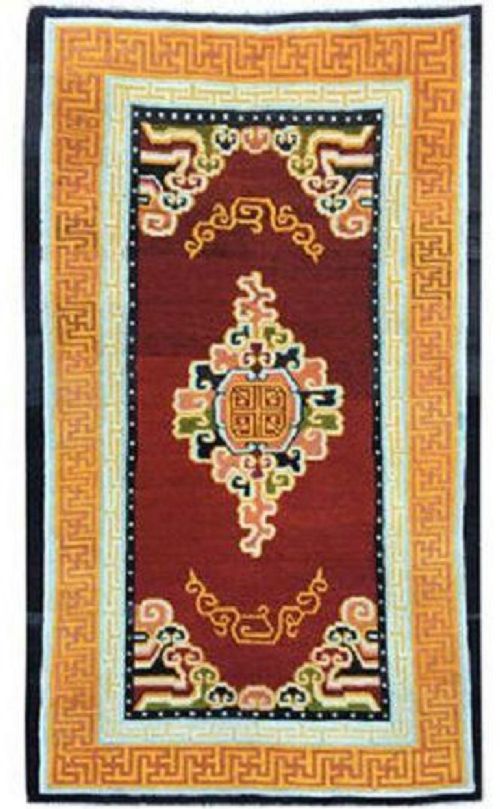
Geometric Medallion Wool Carpet
These antique and vintage geometric medallion wool carpet designs unite tribal craft with formal symmetry, offering robust floor coverings shaped by centuries of regional tradition.
Geometric Medallion Wool Carpet
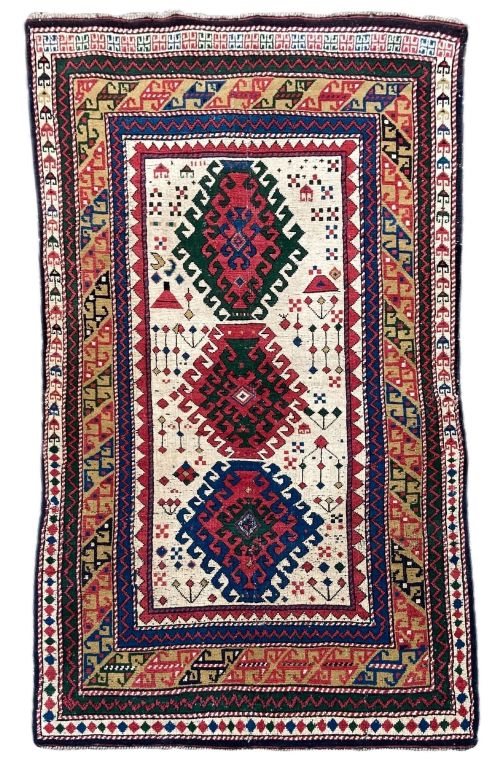
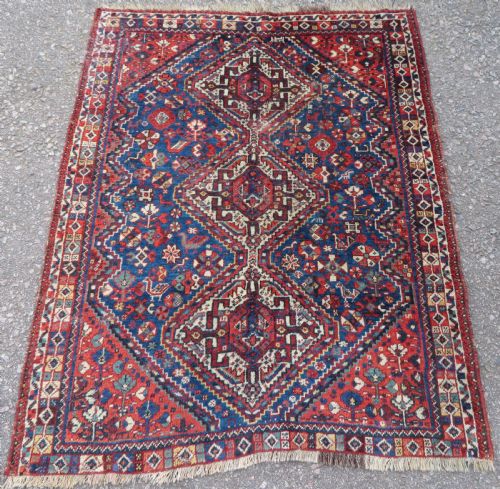
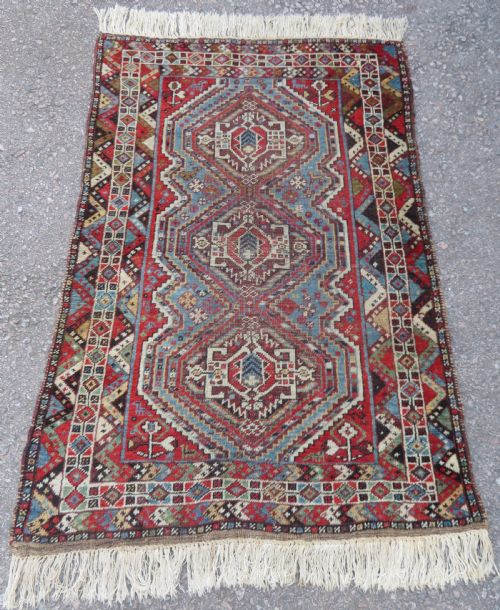
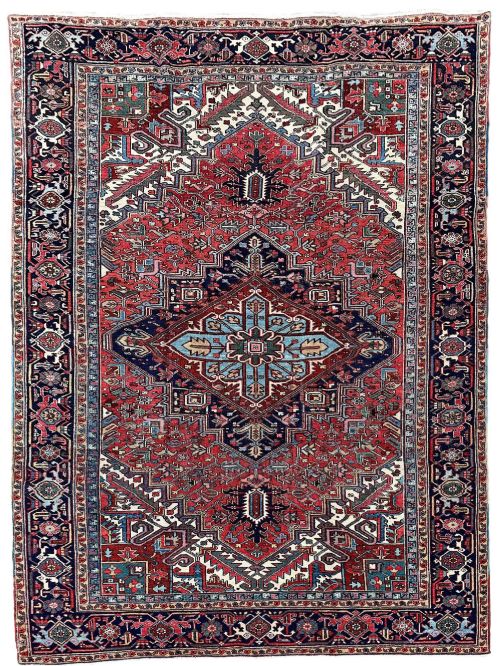
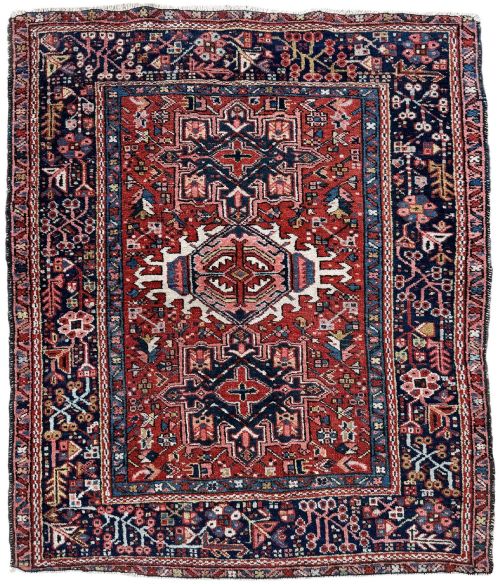
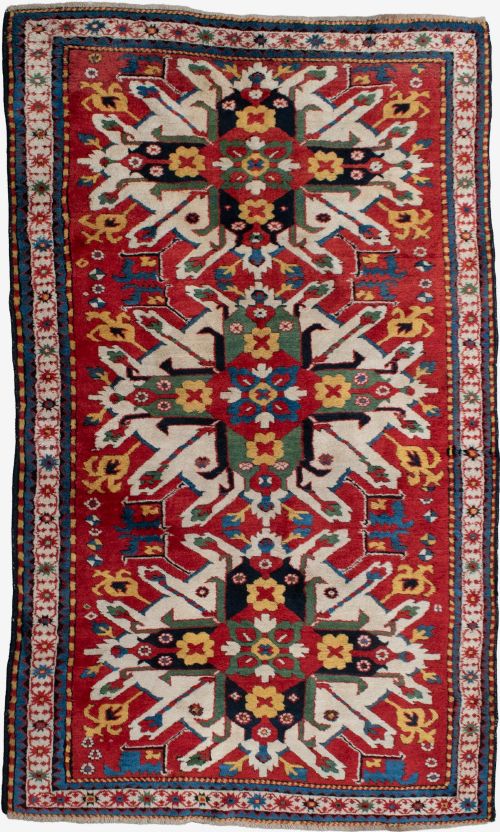
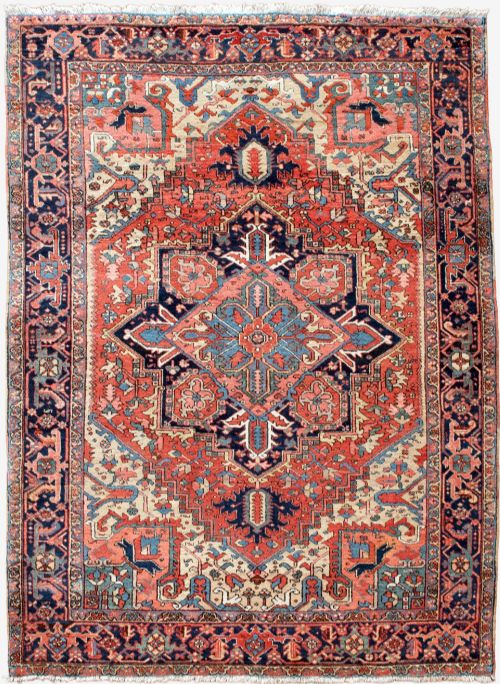
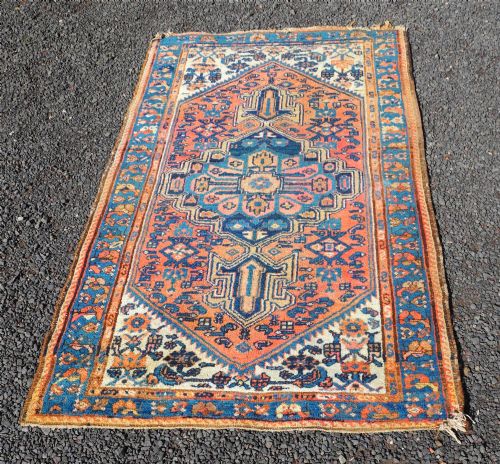
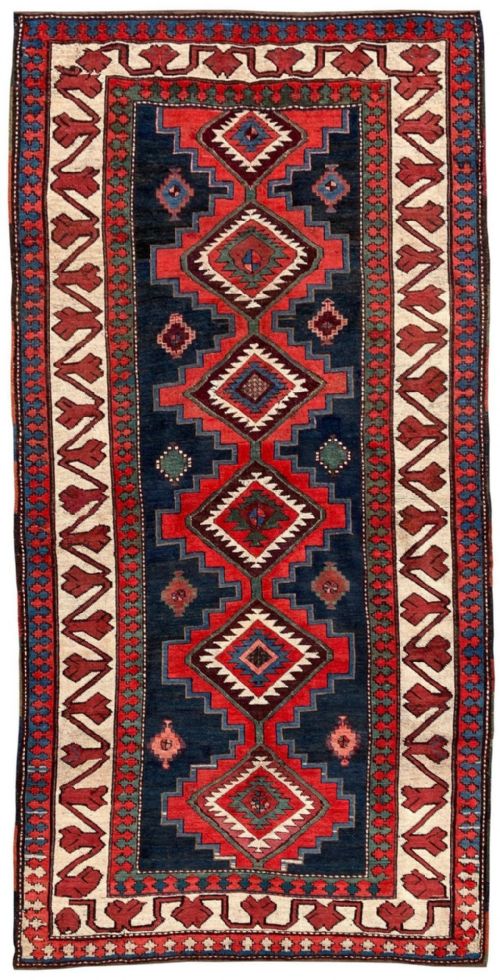
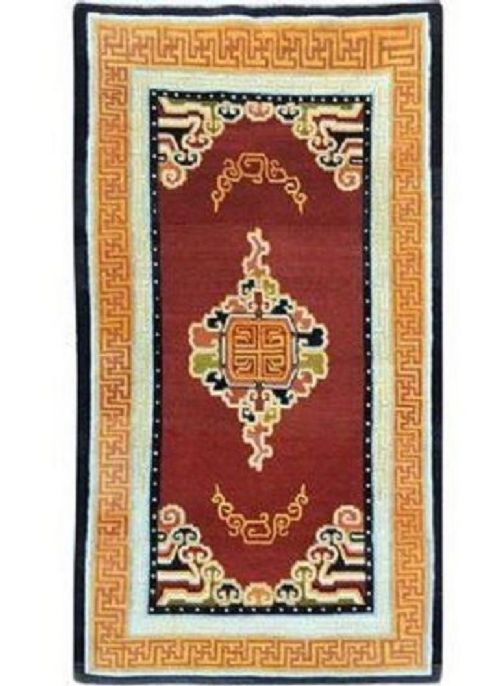
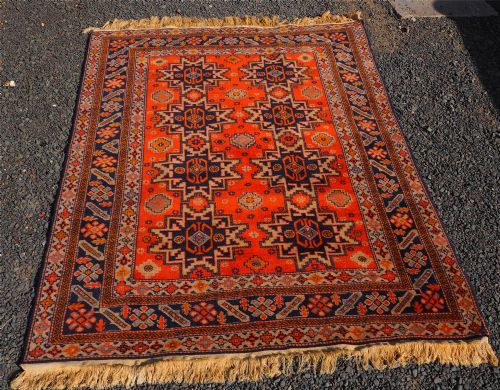
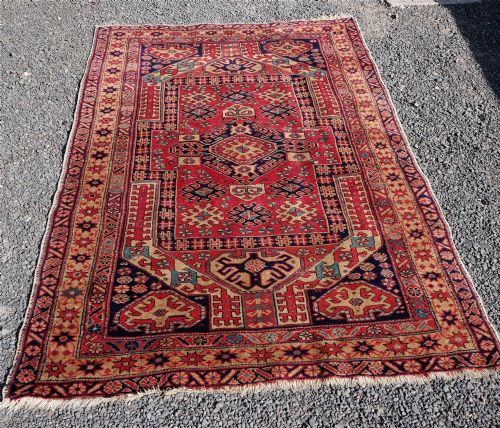
When you search for a geometric medallion wool carpet, you are looking at hand-knotted floor coverings originating predominantly from Persian, Caucasian, Anatolian, and Tibetan weaving traditions. These textiles span periods from the nineteenth century through the mid-twentieth century, encompassing full carpets, area rugs, and long runners. The most common forms on this page include Heriz, Hamadan, Kazak, and Khamseh pieces that feature central structural motifs.
The aesthetic centres on pronounced central medallions, rectilinear patterns, and tribal symbolism rather than flowing floral curves. Pieces range from small square mats and compact rugs to very large carpets designed for principal rooms. Workshops and nomadic groups alike utilised these striking central layouts to anchor domestic interiors with bold visual geometry.
How they were made
The construction relies fundamentally on hand-knotted wool pile secured onto foundational warps and wefts, occasionally incorporating cotton or camel wool for specific structural contrast. Artisans tied individual knots by hand, building up dense, resilient surfaces intended to withstand heavy domestic wear.
Dyers utilised natural and early synthetic colourants to achieve the distinct palettes recorded in these rugs, from saturated navy and mellow tones to soft earthy hues. The weaving process combined wool yarn with sturdy cotton foundations, resulting in flexible yet durable textiles.
Some runners are so long they practically require a passport to walk from one end to the other.
What varies in quality
Quality rests primarily on knot density, handle flexibility, and the crisp execution of the central medallion design. Finer pieces demonstrate tighter knotting that allows intricate rectilinear detailing to remain sharp and well-defined across the field.
The integrity of the wool pile and the balance of the natural colour palette also dictate standard differences within the range. Superior examples maintain structural soundness in the foundation alongside harmonious dye saturation that deepens gracefully with age.
The Geometric Medallion Wool Carpet Glossary
- Medallion
- A prominent central ornamental design motif placed symmetrically within the field of a rug. It anchors the overall geometric composition.
- Pile
- The upright yarn surface of a carpet formed by the cut ends of knots. This wool layer provides the softness and wear resistance.
- Warp
- The stationary lengthwise threads stretched tightly on the loom before weaving begins. The pile knots are tied around these foundational strands.
- Runner
- A long, narrow carpet format traditionally utilised in hallways or corridors. These pieces accommodate restricted spatial dimensions.
- Hand-knotted
- A textile construction technique where individual yarn loops are tied manually around warp threads. This method distinguishes genuine antique carpets from machine-made alternatives.
Geometric Medallion Wool Carpet: Frequently Asked Questions
Where were these rugs made?
The pieces originate across the Caucasus, Anatolia, Tibet, and Persia, including specific regions such as Heriz, Hamadan, and Kerman.
Each area developed distinct tribal or workshop characteristics that defined their wool selection and geometric layouts.
How do I care for an old wool carpet?
Regular gentle vacuuming without a beater bar removes surface dust safely.
Professional specialist cleaning preserves the natural wool fibres and protects the antique dyes from fading.
What is a runner used for?
Runners provide durable floor coverings for narrow spaces like corridors, staircases, and hallways.
Their elongated proportions guide movement through domestic interiors while introducing central geometric pattern.
How do I identify a Heriz carpet?
Heriz carpets typically display bold, robust geometric medallions supported by sturdy cotton foundations and coarse knotting.
Their substantial weight and architectural symmetry distinguish them from softer nomadic tribal weaves.