
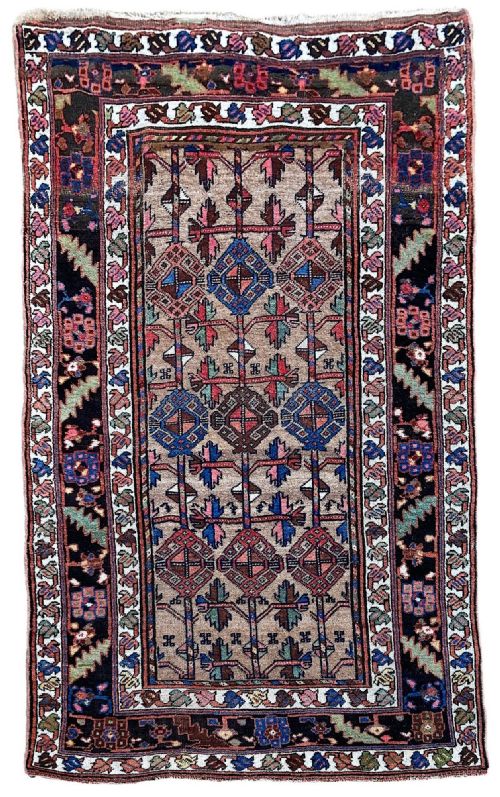
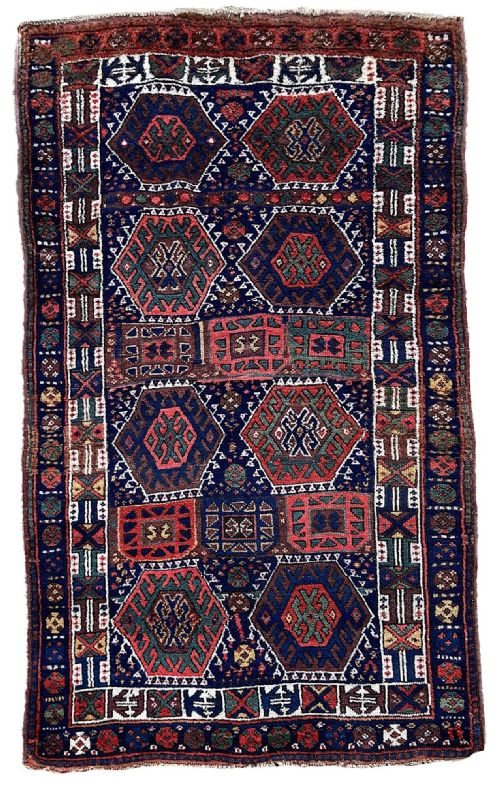
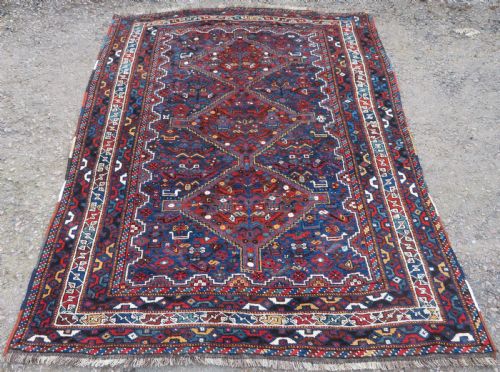


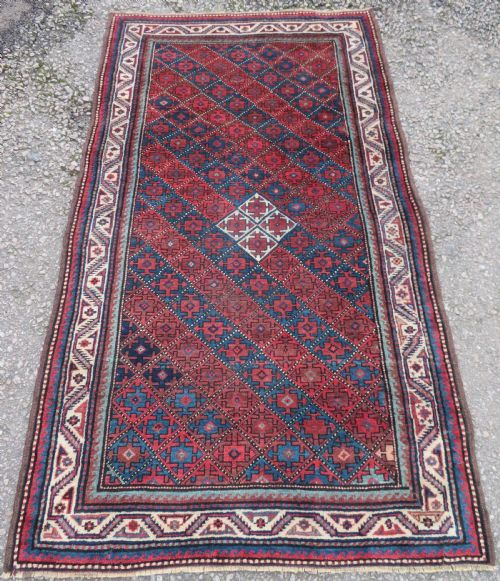


Authentic Nomadic Wool Carpet
An authentic nomadic wool carpet brings tribal texture, geometric motifs and natural dyes directly into a modern interior.
Authentic Nomadic Wool Carpet
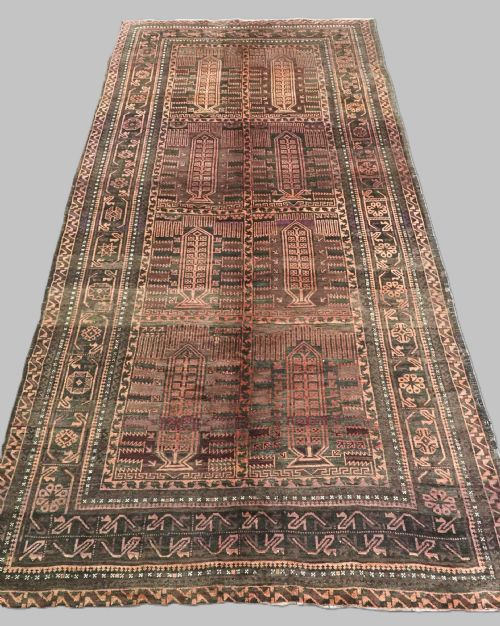
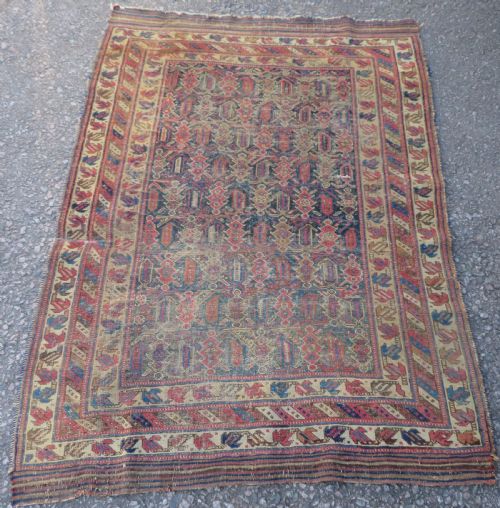
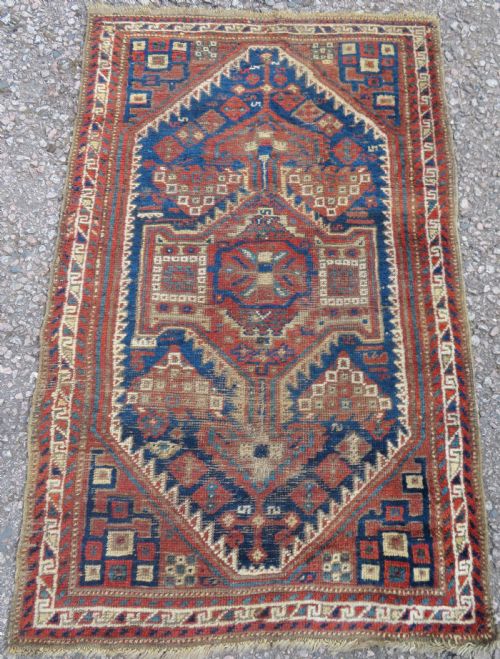
When you search for an authentic nomadic wool carpet, you encounter hand-knotted and flatwoven textiles produced by tribal groups across Persia, Central Asia and Turkmenistan. These pieces range from small area rugs and long gabbehs to specific tribal bags and door rugs created for practical domestic life.
The selection on this page centres on pieces originating from the nineteenth and early twentieth centuries, spanning the decades from eighteen seventy up to nineteen twenty. Tribal weavers belonging to Kurdish, Khamseh, Afshar, Qashqai and Turkmen groups generated these utilitarian floor coverings and textiles.
Forms include classic main carpets alongside specialised formats such as torba bags, ensi rugs and sofreh dining kilims. Each piece reflects the specific cultural geometry and weaving traditions of the nomadic or village community that produced it.
Materials and construction methods
Weavers utilised hand-spun wool and natural dyes to construct these rugs, often employing cotton foundations or camel hair details for contrast and structural durability. The fleece was sheared from regional flocks and spun by hand before immersion in vats of plant and mineral colorants.
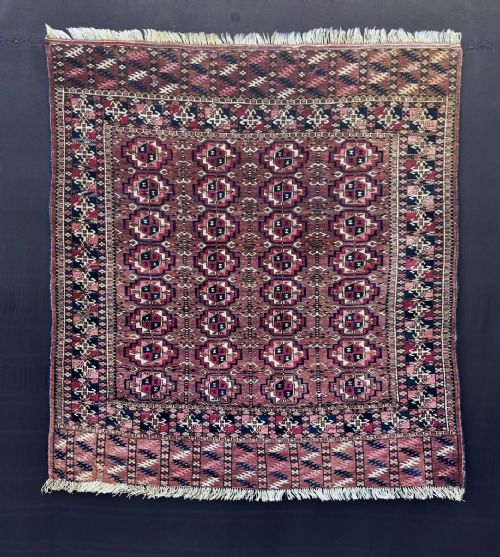
Nomadic weavers worked on portable horizontal looms set up in camps, knotting the wool pile by hand or weaving flat-surfaced kilims. This method allowed makers to incorporate intricate geometric motifs, such as pencil box patterns and multiple guls, directly into the textile structure.
Some tribal bags retain their original wool backs, proving they held blankets before entering a twentieth century collection.
Evaluating quality and condition
Quality in an authentic nomadic wool carpet rests upon the depth of the natural dyes and the crispness of the tribal drawing. Pieces exhibiting varied, saturated colour palettes and tight, resilient wool piles demonstrate superior material selection from the outset.
The integrity of the original selvedges and ends distinguishes preserved examples from those altered by extensive restoration. Furthermore, clarity in regional tribal iconography indicates a higher degree of traditional skill among the original makers.
The Authentic Nomadic Wool Carpet Glossary
- Torba
- A small Turkmen tribal bag used for storage inside a yurt or tent. These pieces often display multiple guls.
- Ensi
- A tribal door rug hung at the entrance of a nomadic tent. They typically feature a cross-panel design dividing the field.
- Sofreh
- A flatwoven kilim used by Lori and other tribes for sharing meals or processing dough. They frequently display minimalist geometric compositions.
- Gul
- A repeating octagonal medallion motif associated with Turkmen and Central Asian tribal weaving traditions. Each design identifies a specific tribe or clan.
- Gabbeh
- A thick, coarsely knotted long tribal rug produced for personal use by nomadic weavers. They emphasise open fields of colour and sparse geometric layouts.
Authentic Nomadic Wool Carpet: Frequently Asked Questions
How were nomadic carpets used?
Nomadic carpets served practical functions within portable dwellings, acting as floor coverings, bedding, blankets and storage bags for daily life.
Weavers also created specialised textiles like door rugs and dining kilims that fulfilled specific ceremonial and domestic roles within the camp.
How do I clean a wool carpet?
Regular gentle vacuuming without a beater bar removes surface dust and grit from the wool pile. Professional specialist cleaning remains essential for addressing deep dirt or spills on antique natural dyed textiles.
Where were these rugs made?
These textiles originated among nomadic and village tribes inhabiting Persia, Central Asia and Turkmenistan. Regions include Luristan, the Quchan area and traditional tribal territories of southern and western Persia.
Specific groups such as the Tekke, Yomut, Ersari, Kurdish and Qashqai weavers produced distinct regional styles recognizable by their unique motifs.
What are natural dyes?
Natural dyes derive from plant, root, insect and mineral sources utilised by traditional weavers before the widespread adoption of synthetic colorants. These materials produce nuanced, complex shades that age gradually over time.
Colours often show subtle tonal variations known as abrash, resulting from different dye batches used across the weaving process.