


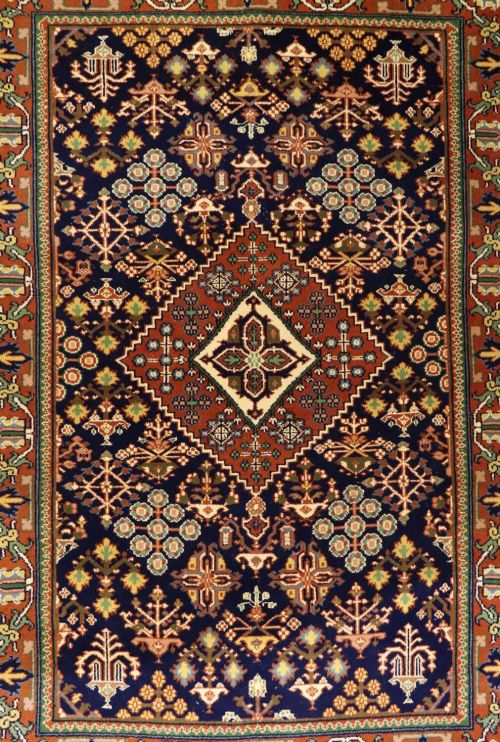

Geometric Medallion Persian Rug
A geometric medallion persian rug brings centuries of village and tribal weaving tradition directly onto the floor.
Geometric Medallion Persian Rug
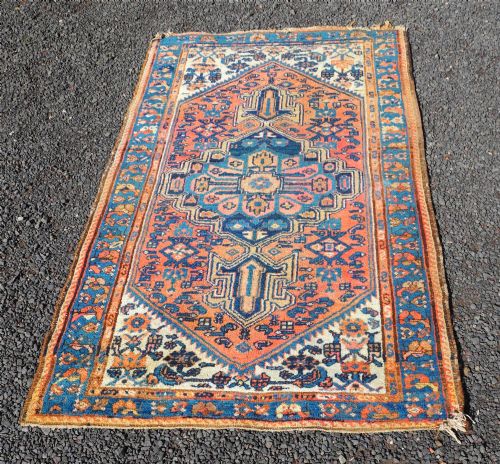
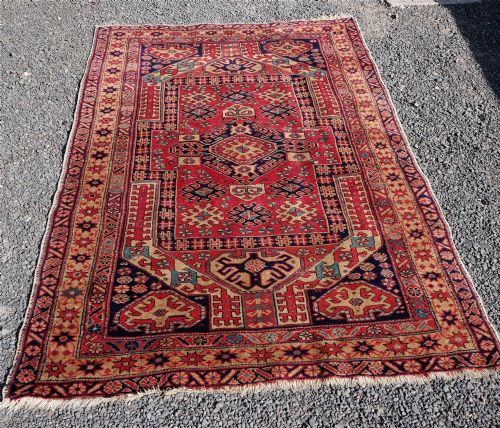
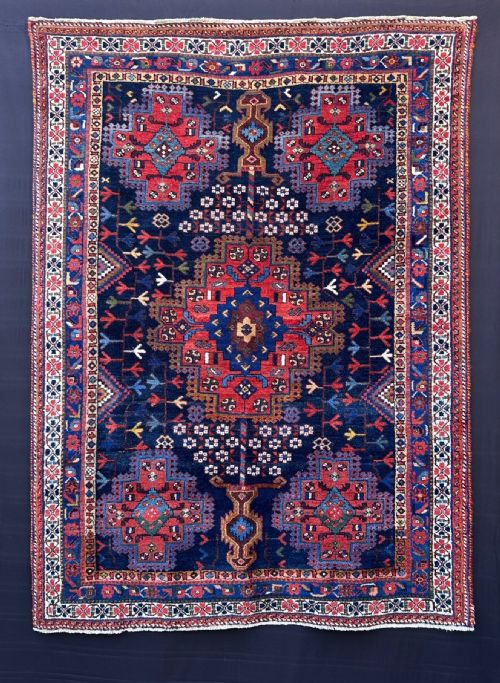
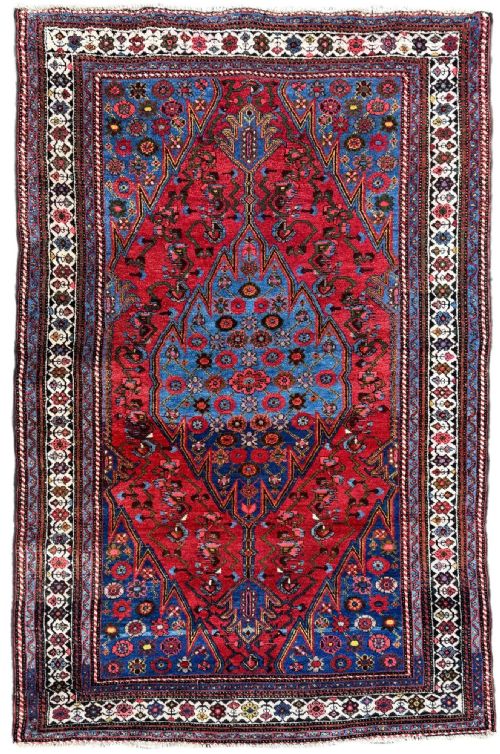
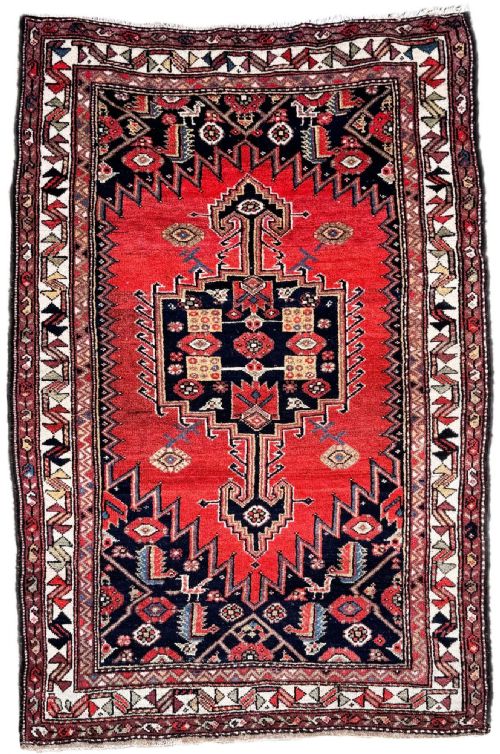
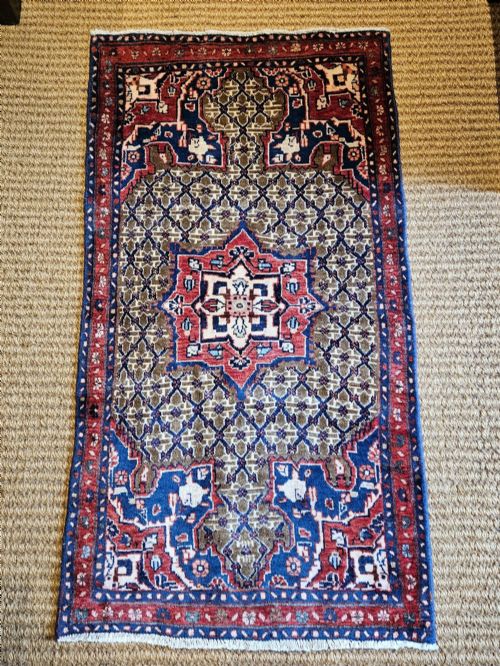
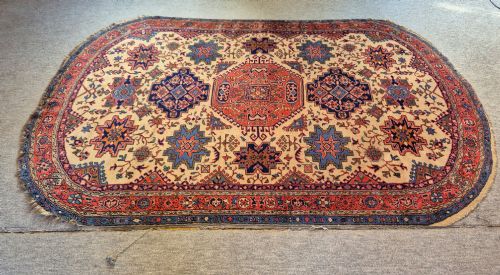
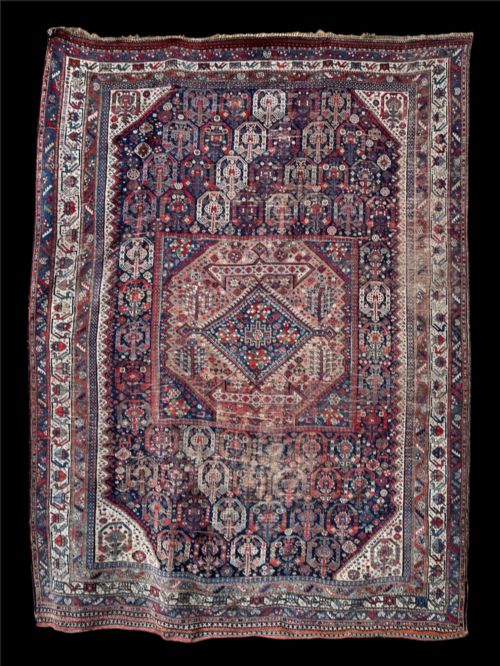
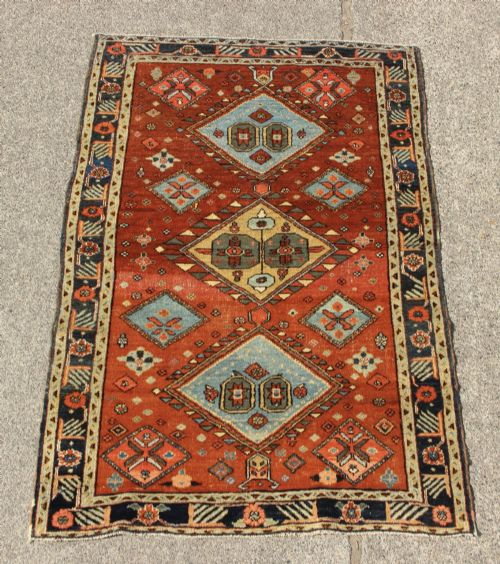
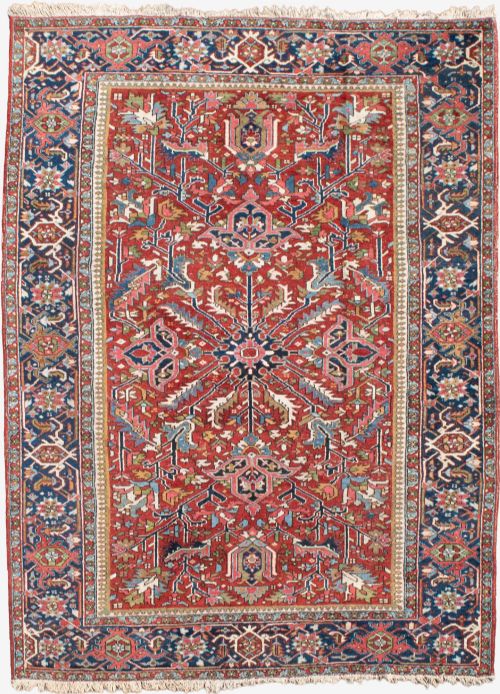
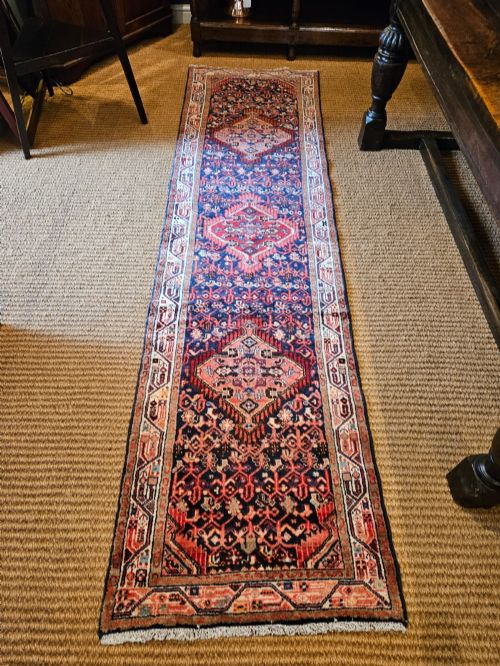
A geometric medallion persian rug centres on a prominent central motif surrounded by field patterns and intricate borders. These floor coverings span origins from Heriz, Hamadan, Khamseh, Afshar, and other regional weaving centres across Persia.
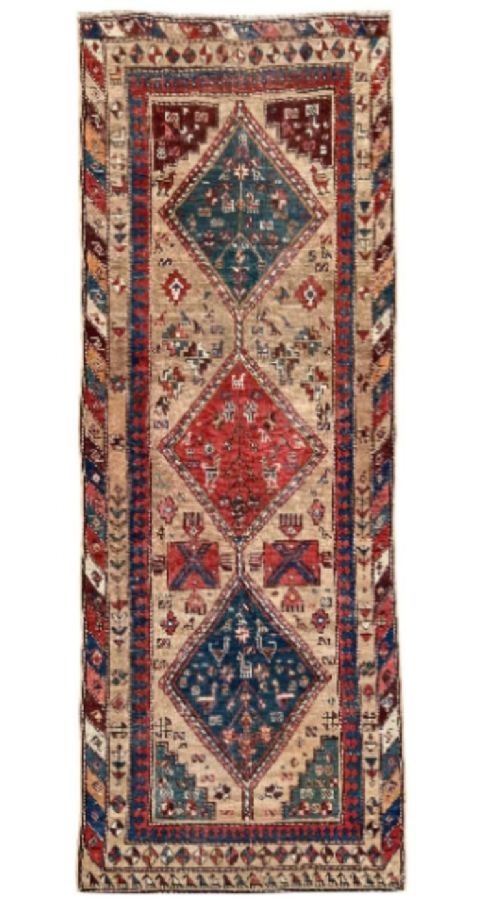
Buyers will encounter room-sized carpets, smaller hearth rugs, and long runners woven during the nineteenth and twentieth centuries. The aesthetic relies on tribal and village traditions rather than urban court designs.
Most examples originate from the 1880s through to the 1960s, reflecting generations of hand-knotting skills passed down through nomadic confederacies and settled village communities.
How they were made
Makers utilised durable wool for the pile and foundation foundations, sometimes combining it with cotton warps and wefts for structural stability. Hand-knotting techniques formed the dense pile that defines each rug.
Natural and traditional dyestuffs provided the rich palettes seen across these pieces, bonded firmly to wool fibres through time-tested mordanting methods. Weavers worked from memory or tribal tradition rather than written graphs.
The listings span from the 1880s to the 1960s, utilising wool and cotton across regional styles like Heriz, Hamadan, and Khamseh.
What varies in quality
Knot density and structural integrity separate robust room-sized carpets from lighter village pieces, altering how the pile handles foot traffic over decades. Precision in drawing the central medallion and symmetry in the border geometry also set finer examples apart.
The depth and saturation of wool dyes determine visual impact, with certain carpets retaining particularly vibrant hues while others show natural, harmonious fading from age and sunlight.
The Geometric Medallion Persian Rug Glossary
- Medallion
- The central ornamental motif dominating the field of the rug. It anchors the entire composition and balances the surrounding corner spandrels.
- Warp
- The vertical threads stretched tightly on the loom before knotting begins. Cotton and wool are common warp materials in these regional weaves.
- Weft
- The horizontal threads passed across the warps between rows of knots to secure the structure. They bind the foundation together firmly.
- Pile
- The cut wool surface forming the upper layer of the rug. Its thickness and density dictate the weight and tactile feel underfoot.
- Spandrels
- The triangular corner ornaments placed in the four angles of the main field. They frame the central medallion and define the border transition.
Geometric Medallion Persian Rug: Frequently Asked Questions
Where were these rugs made?
These pieces originate from various regions across Persia, including Heriz, Hamadan, and southern tribal territories.
Weavers in villages and nomadic confederacies produced them using local wool and traditional regional patterns.
How do I clean a wool rug?
Regular gentle vacuuming without a beater bar removes surface dust and grit from the wool pile. Professional specialist cleaning remains essential for deep washing to protect the natural fibres and dyes.
Harsh chemical detergents or excessive moisture will damage the antique wool and weaken the cotton foundation.
Are these rugs suitable for hallways?
Runner formats and long tribal rugs fit well in narrow corridors, entryways, and high-traffic circulation spaces.
Placing a suitable underlay underneath prevents slipping and cushions the wool pile against hard floors.
How do I date an old rug?
Dating relies on examining the wool quality, dye palette, structural materials, and stylistic nuances of the weaving. Pieces span from the nineteenth century through the mid twentieth century.
Regional characteristics and construction details help narrow down the period of manufacture.