




Geometric Flatweave Runner
When you search for a geometric flatweave runner, you are exploring flat-surfaced tribal floor coverings created by weavers across Anatolia, the Caucasus, Persia, and Central Asia.
Geometric Flatweave Runner
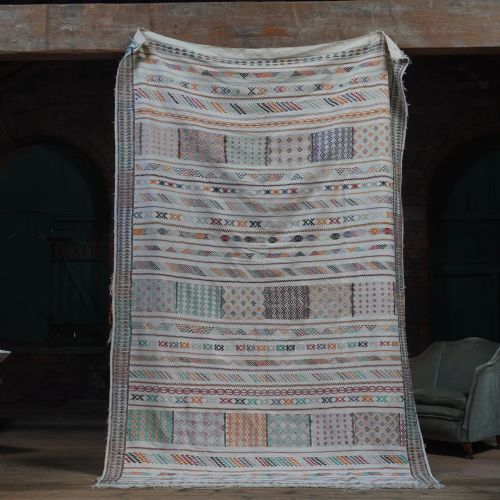
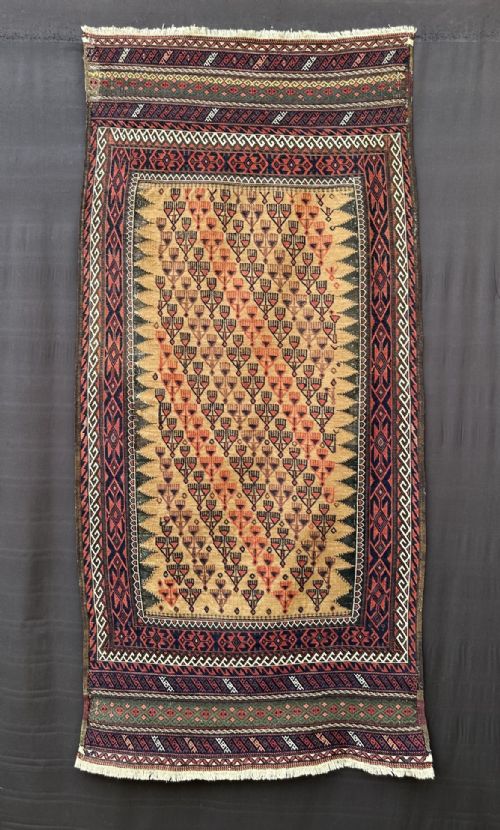
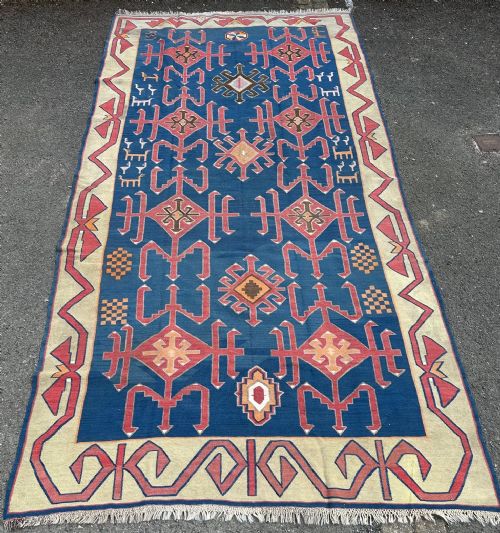
A geometric flatweave runner is a narrow, long carpet produced without a pile by nomadic or village weavers in regions such as the Caucasus, Anatolia, and Central Asia. These textiles were woven for utilitarian purposes in tents and village homes, functioning as floor coverings, tent bands, or utilitarian cloths.
The selections available typically date from the late nineteenth century through to the mid twentieth century, encompassing pieces from Turkish, Persian, and Uzbek traditions. Narrow formats like runners emerge from specific regional weaving requirements, often constructed in single panels or joined strips.
How They Were Made
Makers utilised hand-spun wool and cotton, frequently dyed with natural colourants to achieve soft or bold graphic designs. The weave relies on interworking warp and weft threads without knotted piles, creating a flat surface structure.
Certain pieces incorporate alternative materials such as sabra cactus silk or feature embroidery techniques applied over the base flatweave construction. Many regional pieces are woven in multiple narrow strips and subsequently joined to form a larger runner or panel.
Listings feature pieces from 1870 to 1940, utilising wool, cotton, natural dyes, hand-spun wool, cactus silk, and sabra fibre.
What Varies in Quality
Quality in a geometric flatweave runner depends upon the tightness of the weave and the precision of the graphic patterning executed by the weaver. Finer, denser structures demand greater technical skill from the maker and contribute to the longevity of the textile.
The choice and harmony of natural dyes influence the visual depth of the design, with certain colour combinations retaining greater vibrancy or subtlety over time. The condition of the weave and the integrity of any joined panel seams also mark distinctions within the range.
The Geometric Flatweave Runner Glossary
- Kilim
- A flat-woven carpet or rug produced without a pile by interlocking weft threads over warps. This technique creates a smooth surface with patterns visible on both sides.
- Sofreh
- A type of spread or cloth used traditionally for dining or bread-making within nomadic and village households. These pieces often display strong geometric borders and field patterns.
- Soumak
- A brocaded flatweave technique where supplementary weft threads are wrapped around the warp threads for added durability and texture. It produces a distinct braided appearance on the face.
- Warp
- The stationary vertical threads stretched onto a loom before weaving begins. The weft threads pass alternately over and under these structural elements.
- Weft
- The horizontal threads passed through the warp to create the fabric and pattern. In flatweaves, these threads carry the visible colours of the design.
Geometric Flatweave Runner: Frequently Asked Questions
What is a flatweave runner?
A flatweave runner is a long, narrow textile produced without a raised pile, typically utilised in hallways, narrow spaces, or as wall hangings.
These pieces showcase traditional tribal and geometric patterns originating from weaving communities in regions such as Persia, Anatolia, and the Caucasus.
How were antique runners used?
Nomadic and village communities utilised these flat-surfaced textiles as floor coverings, functional tent bands, and household cloths for dining or food preparation.
Their durable construction allowed them to withstand heavy daily use within tents, yurts, and rural homes.
How do I care for a flatweave?
Care for antique flatweaves requires gentle vacuuming without a rotating brush and professional cleaning when necessary to protect the natural wool and dyes.
Placing a suitable underlay beneath the runner prevents slipping and reduces friction between the floor and the fibres.
How are regions told apart?
Regional styles are identified through distinct colour palettes, specific geometric motifs, and structural construction methods unique to individual tribes or towns.
For instance, Caucasian pieces often feature crisp geometric medallions, whereas Anatolian and Central Asian examples display varied banded or tribal compositions.