
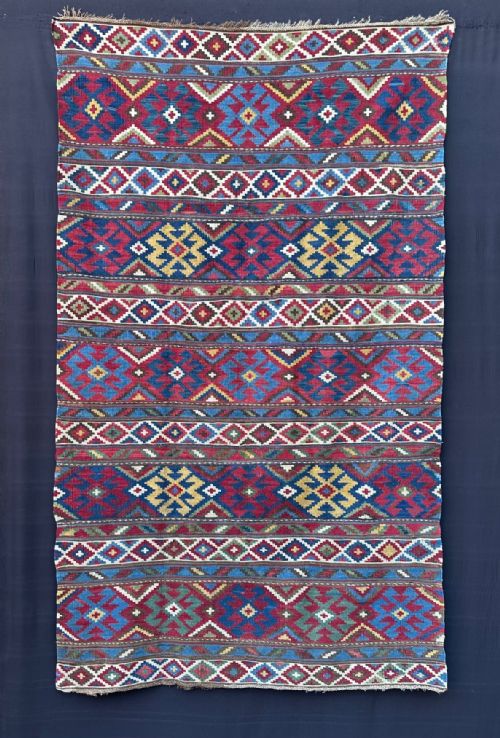


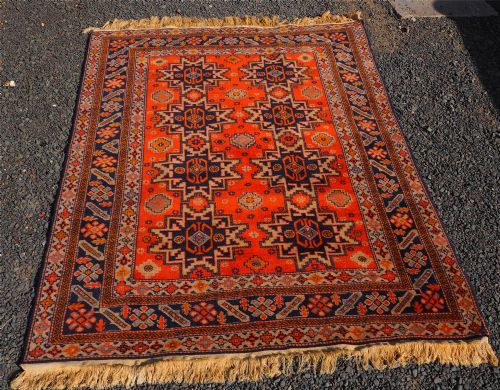
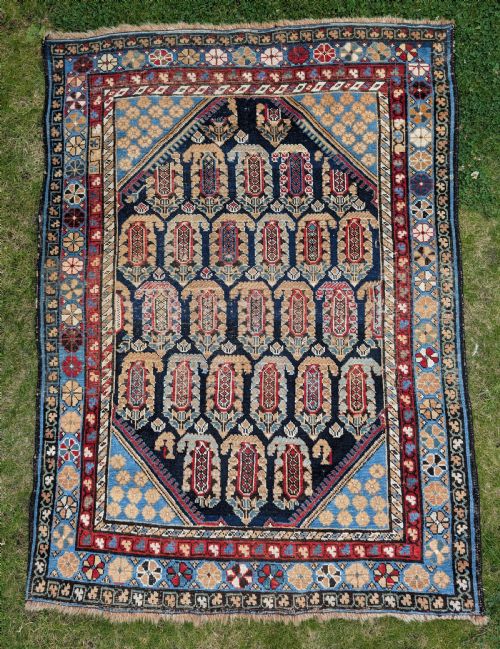
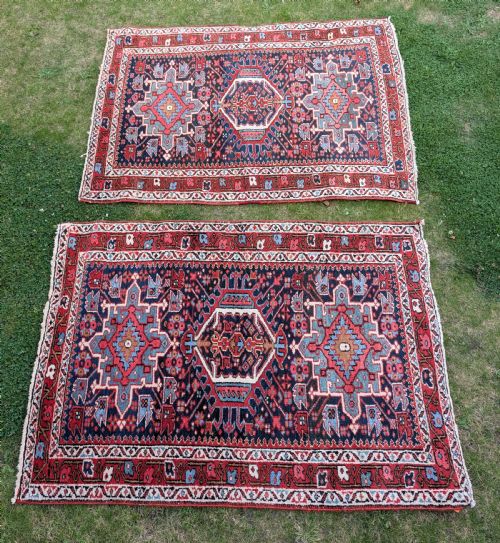
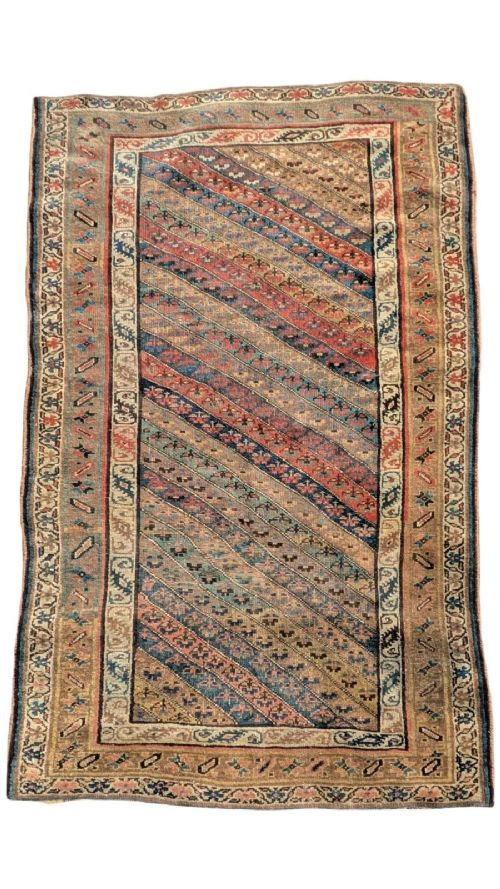
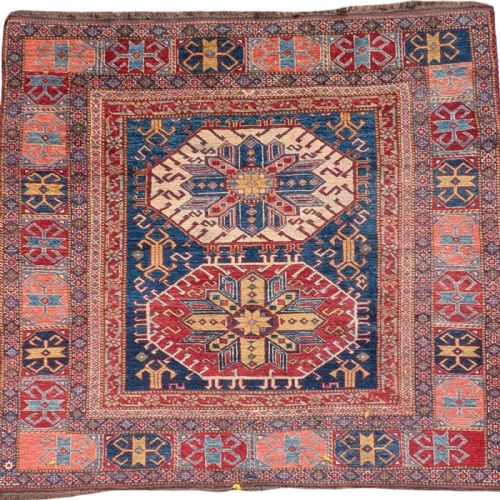
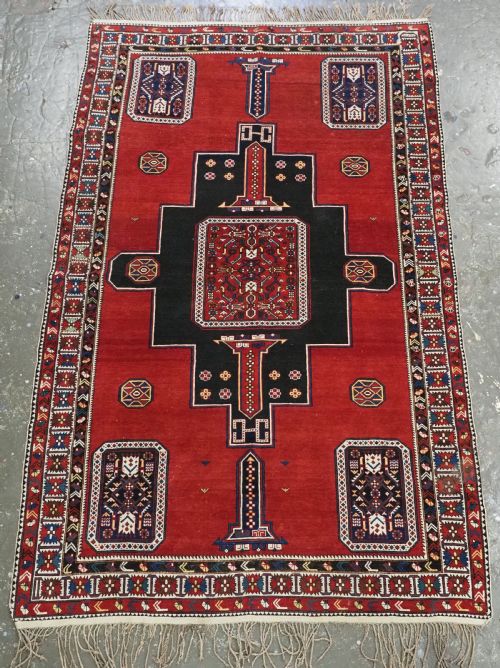
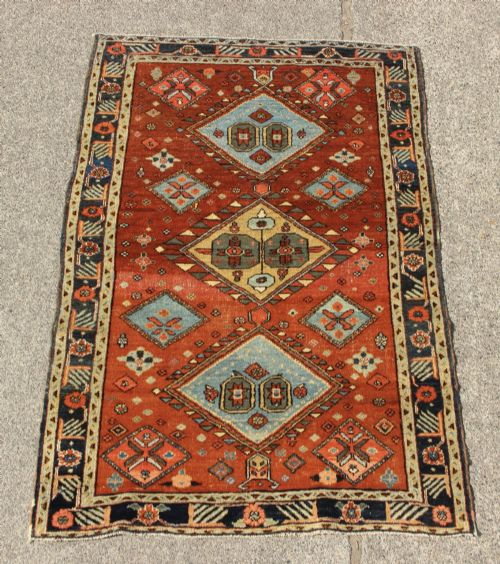
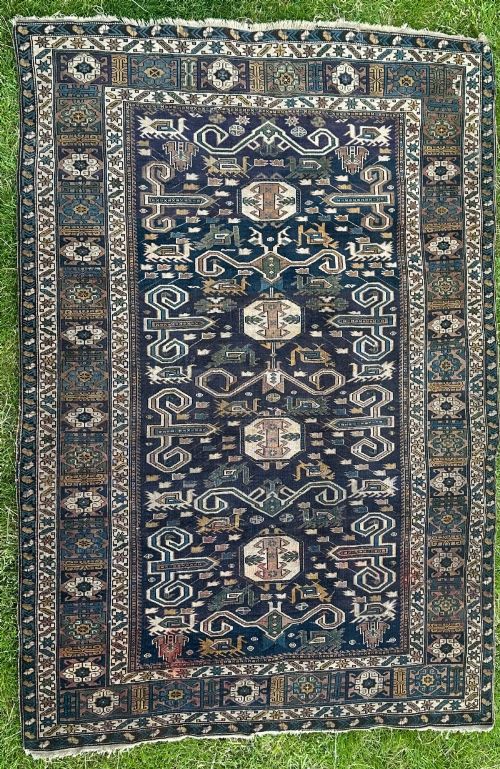
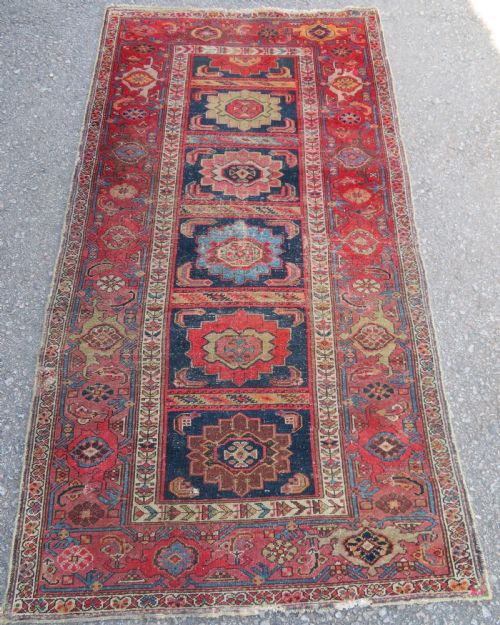
Geometric Caucasian Area Rug
A geometric caucasian area rug delivers striking tribal design and rich wool texture straight to a floor.
Geometric Caucasian Area Rug
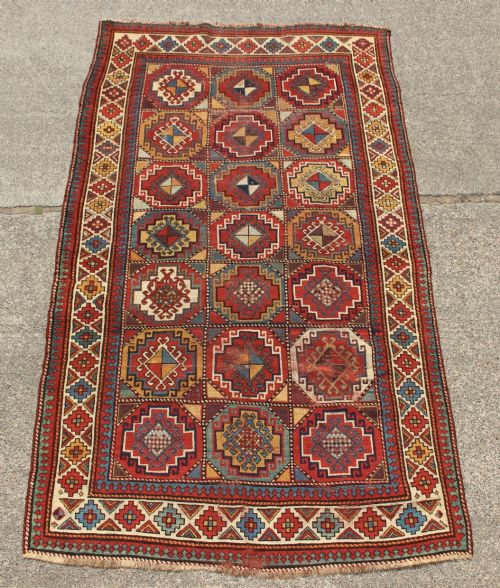
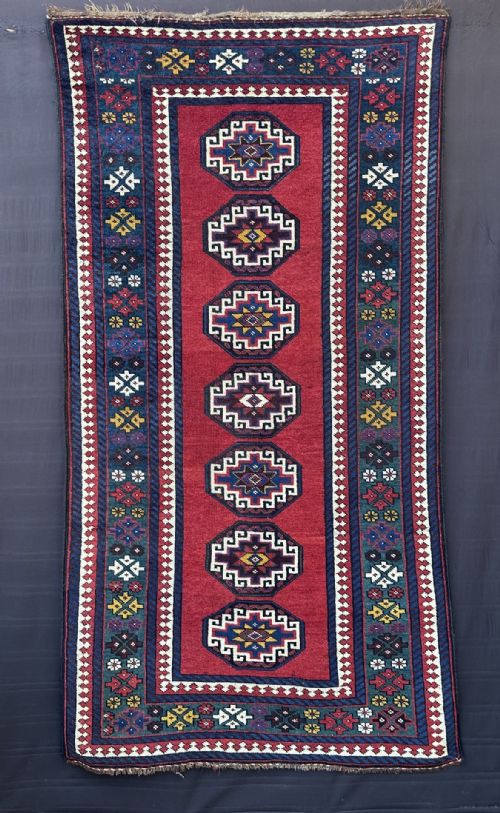
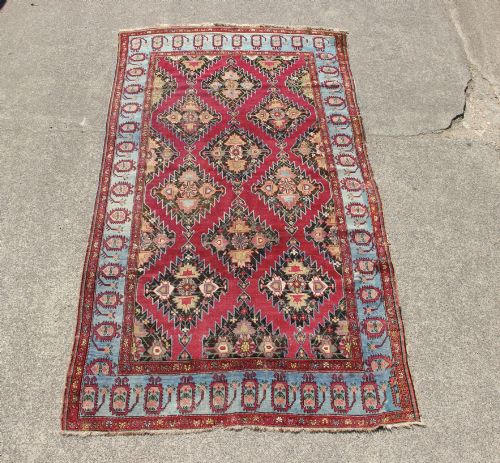
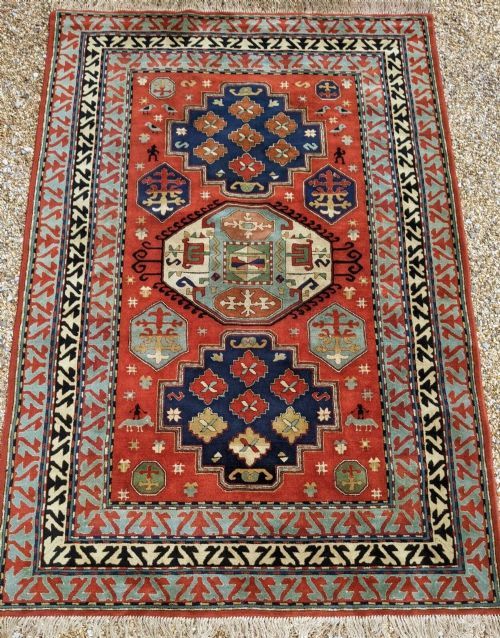
A geometric caucasian area rug is a woven floor covering originating from the Caucasus region, defined by angular motifs and rectilinear patterns. When searching for a geometric caucasian area rug, buyers encounter diverse regional formats including Kazak, Shirvan, Kuba, and Daghestan pieces. These items serve as functional floor coverings that bring historic character and structured ornamentation into domestic spaces.
The selection includes specific regional subtypes such as prayer rugs, runners, and carpets spanning the late nineteenth and early twentieth centuries. Many examples incorporate traditional tribal designs like cruciform medallions, Lezghi stars, and repeating geometric fields. Each piece reflects the specific weaving heritage of its Caucasian or related tribal origin.
How they were made
Makers utilised wool, cotton, and hand-spun wool as the primary foundations for these textiles, knotted by hand to create durable pile surfaces. The structural warps and wefts typically combine wool or cotton to provide stability and longevity.
Colour comes from natural dyes applied to the hand-spun wool fibres, producing the mellow and varied tones characteristic of older weaves. This combination of natural materials and manual knotting results in resilient carpets designed for daily domestic use.
Geometric Caucasian Area Rug Retail Price Guide 2026
Typical asking prices for geometric caucasian area rug among the pieces listed under this phrase on Sellingantiques today, from the lower quarter to the upper quarter. They describe what is for sale here now, not the wider market.
Several rugs carry dated inscriptions woven directly into the wool, preserving the exact year a maker finished their work.
What varies in quality
Quality depends upon the fineness of the hand knotting and the precision of the geometric layout across the field. Tighter knot counts allow for sharper definition in complex medallions and regional motifs.
The handling of natural dyes also dictates the visual depth of the rug, as well-executed dye lots yield harmonious variations across the pile. Condition plays a role, with intact borders and sound structural foundations elevating the overall standard.
The Geometric Caucasian Area Rug Glossary
- Kazak
- A regional type of Caucasian rug known for bold geometric medallions and saturated primary colours. These pieces often display large-scale motifs with strong visual impact.
- Shirvan
- A style originating from the eastern Caucasus, characterised by detailed geometric patterns and balanced compositions. They typically present finer detail than their western counterparts.
- Prayer rug
- A specialised format featuring a mihrab or niche design intended for devotional use. These smaller rugs display directional patterns pointing toward a specific orientation.
- Runner
- A long, narrow carpet format designed for hallways, corridors, or staircases. They repeat geometric motifs along an elongated axis.
- Natural dye
- Colouring derived from plant, insect, or mineral sources rather than synthetic chemicals. These dyes produce organic tones that age gracefully over time.
Geometric Caucasian Area Rug: Frequently Asked Questions
Where should I place a geometric caucasian area rug?
These rugs suit high-traffic living spaces, studies, or hallways where their durable wool construction handles daily foot traffic. Placing them on neutral flooring lets the angular designs and natural dyes stand out.
Smaller formats work well beside beds or in entryways, while larger carpets anchor furniture groupings in reception rooms.
How do I care for an antique wool rug?
Vacuum gently using a suction-only attachment without the rotating brush bar to protect the hand-knotted wool pile. Avoid shaking older textiles or beating them, as this stresses the historical foundation.
Professional cleaning tailored for antique rugs removes embedded grit safely without disturbing natural dyes.
What defines Kazak regional designs?
Kazak weaves from the southern Caucasus feature bold, chunky geometric forms, large medallions, and wide borders. Their designs rely on strong primary colours and sparse backgrounds that emphasise individual motifs.
Sub-types like Fachralo or Borchalu introduce distinct variations in medallion structure and colour distribution.
How do I date an older Caucasian rug?
Dating relies on examining the materials, structural weave, palette, and design symmetry typical of specific decades between the nineteenth and mid-twentieth centuries. Hand-spun wool and specific natural dye combinations point toward nineteenth-century production.
Comparing regional knotting styles and motifs against established regional archives helps narrow the period of origin.