
Geometric Area Carpet
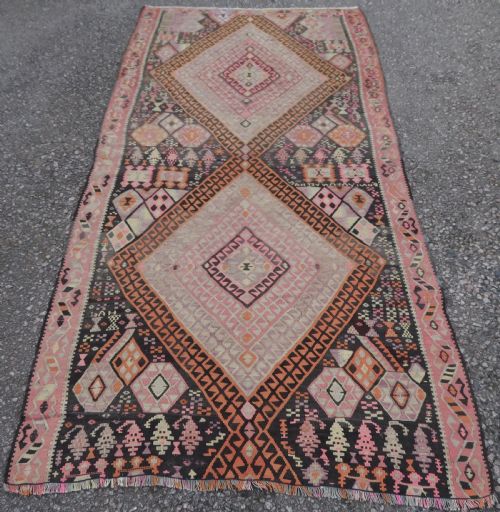
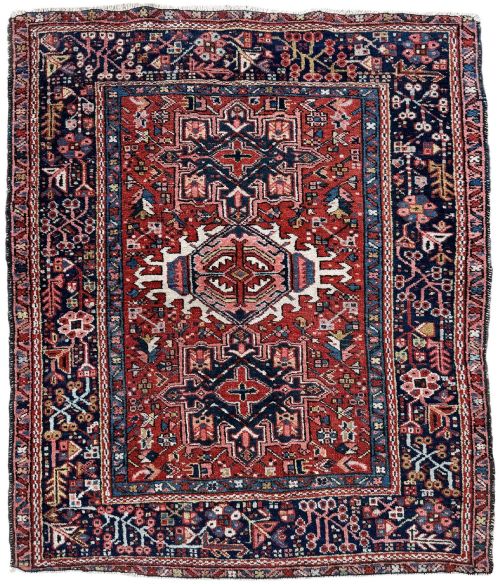
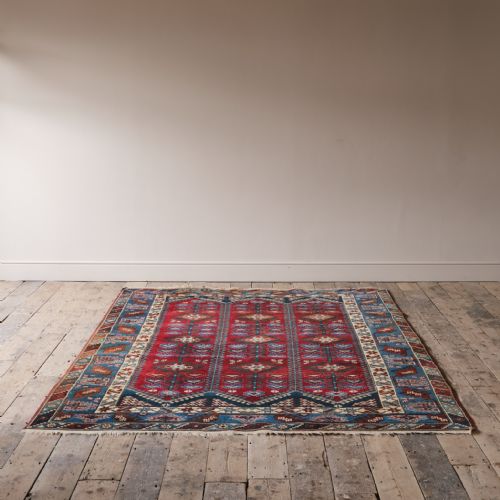
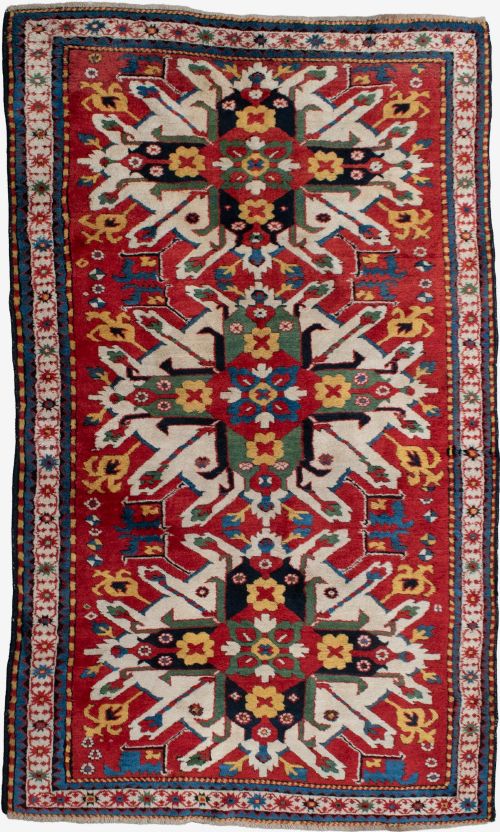
A geometric area carpet brings tangible tribal history into a room through sharp rectilinear medallions and enduring village designs.
Geometric Area Carpet
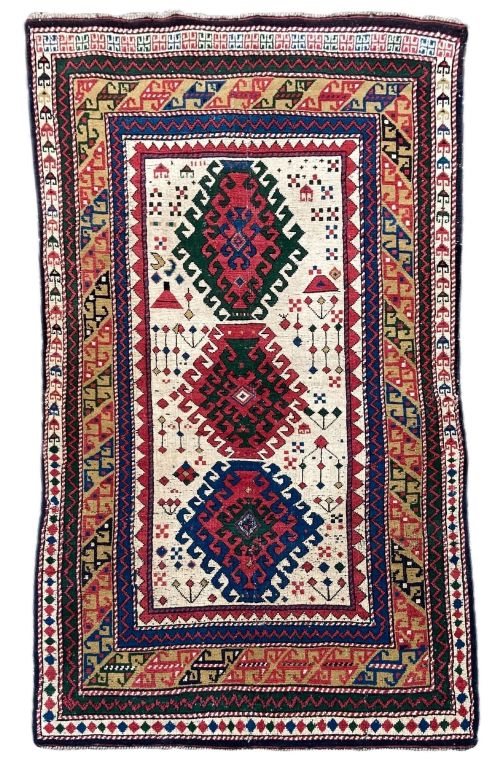
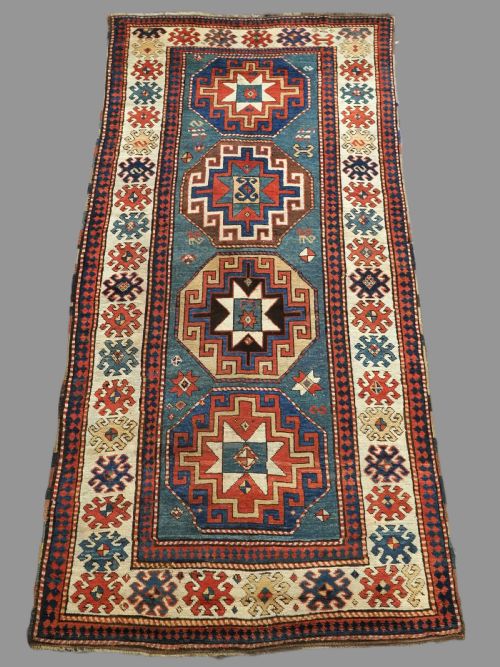
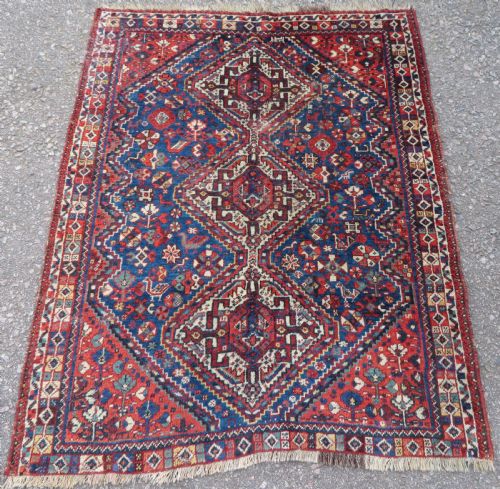
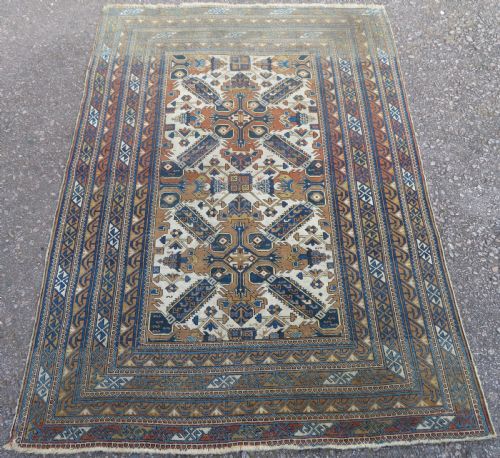
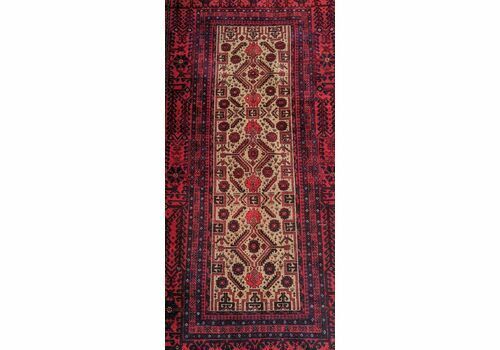
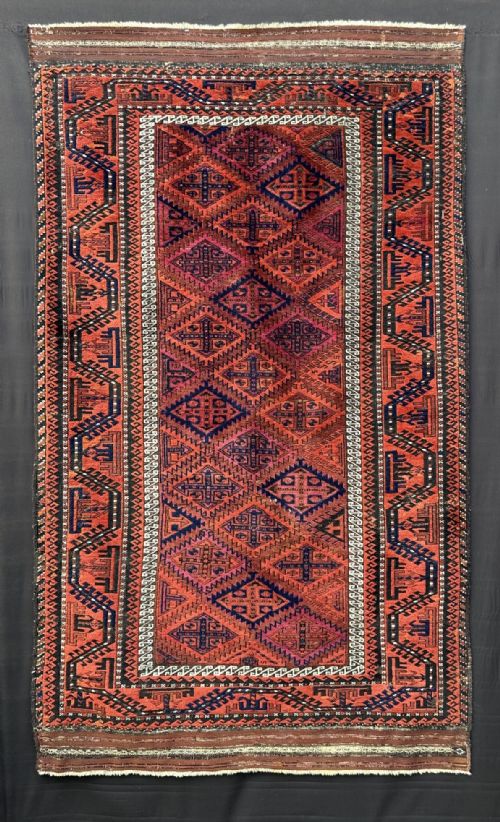
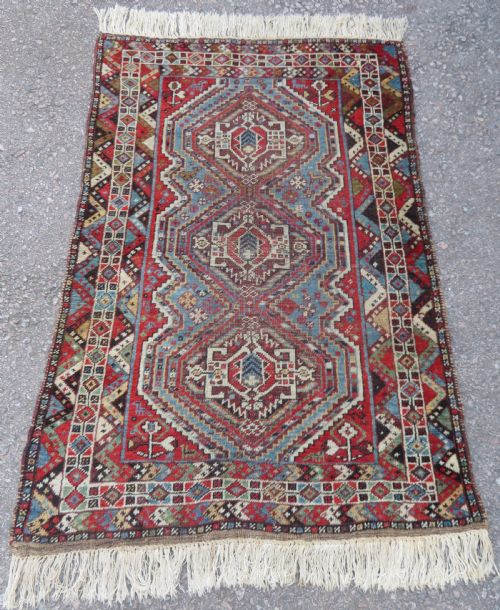
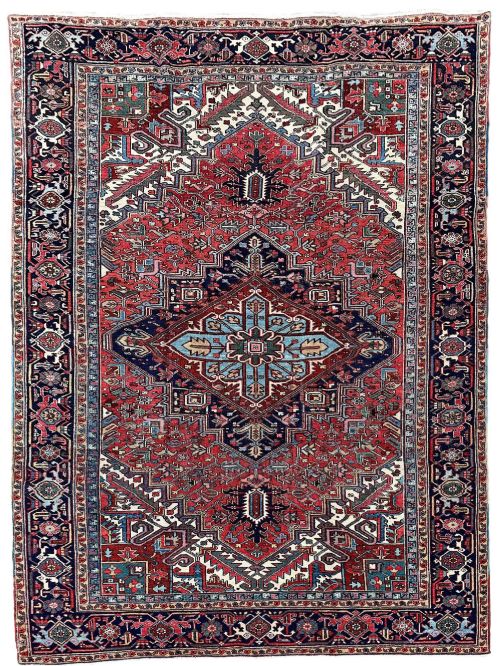
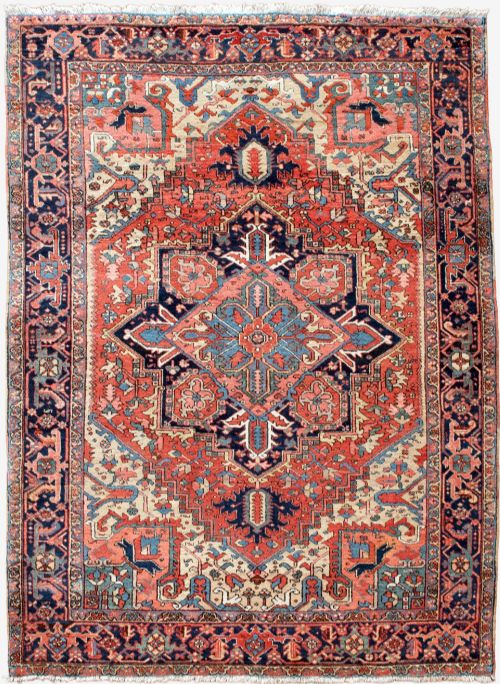
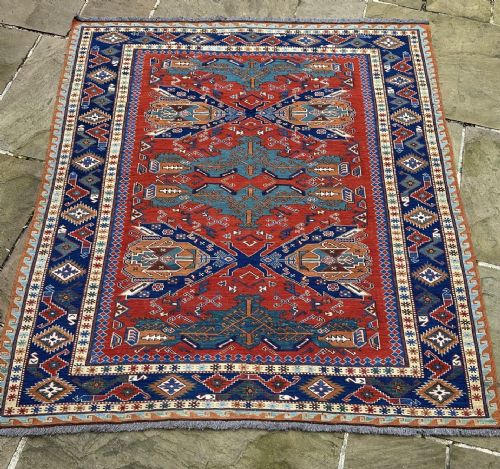
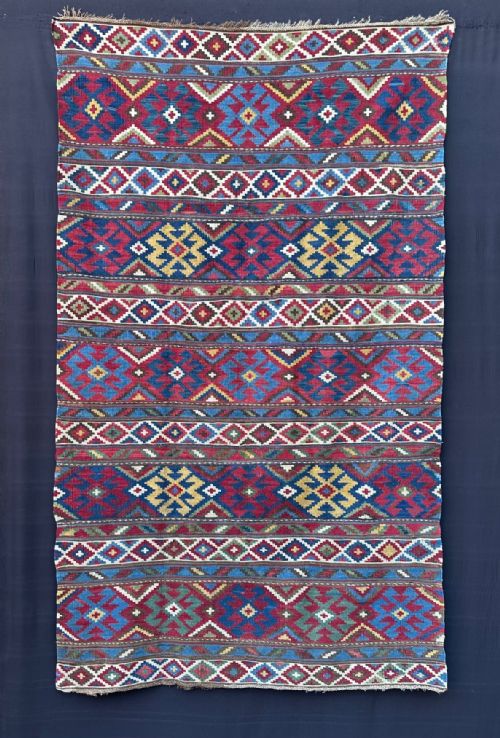
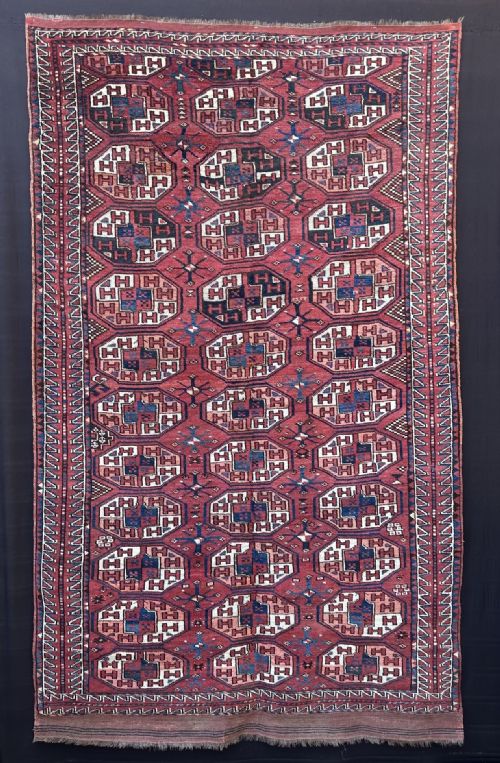
A geometric area carpet is a floor covering defined by angular motifs, straight-edged medallions, and repeating lattice patterns rather than sweeping floral curves. When searching for a geometric area carpet, buyers encounter nomadic and village weaving traditions from Persia, the Caucasus, Anatolia, and Turkmenistan. The pieces available here span from the late nineteenth century through to the early decades of the twentieth century, capturing distinct tribal identities.
Most examples originate from specific regional groups such as the Kazak, Baluch, Afshar, and Kurdish weavers. These makers relied on memory and traditional tribal patterns passed down through generations rather than pre-drawn paper cartoons. The results are rugs and carpets of varying formats, from small prayer mats to large room-sized carpets.
The aesthetic is distinctly architectural, built from triangles, diamonds, hooked polygons, and octagonal guls. Each region developed its own vocabulary of angular shapes, making tribal attributions possible through careful study of border arrangements and centre field geometry.
Materials and construction
These carpets rely heavily on wool for both the pile and the foundational warp and weft threads, occasionally incorporating camel hair or camel wool for a softer, un-dyed ground. The wool itself is frequently hand-spun, giving the yarn an irregular texture and varied thickness that absorbs dyestuffs unevenly. This natural variation in the fibre creates a subtle mottled surface quality across the field.
Weavers utilised natural dyes derived from plants, roots, and insects to achieve deep reds, indigos, yellows, and browns. These natural colourants age gracefully, developing complex patinas over decades of light exposure and wear. Foundation structures are typically hand-knotted on upright vertical looms, resulting in dense, durable flat-weaves and pile carpets designed for practical floor use.
Listings feature carpets spanning the nineteenth and early twentieth centuries, constructed from hand-spun wool and natural dyes.
Assessing quality in tribal weaving
Quality in these carpets rests primarily on the crispness of the drawing and the saturation of the palette. Superior examples display sharply defined geometric lines and balanced proportions within the border guards and central medallions. When the knotting is tight and the pile remains even, the angular motifs hold their intended geometric clarity rather than appearing blurred or distorted.
The choice of dyestuffs also dictates the upper tier of the market. Carpets saturated in rich natural dyes possess a depth of colour that synthetic alternatives cannot replicate. Furthermore, the integrity of the original wool foundation determines longevity, separating robust village-woven carpets from structurally compromised pieces.
The Geometric Area Carpet Glossary
- Gul
- An octagonal medallion or repeating tribal stamp found frequently on Turkmen and Baluch carpets. Each design often signifies a specific clan or lineage.
- Kazak
- A style of rug originating from the Caucasus, recognised by bold primary colours and large geometric medallions. These pieces are traditionally woven with heavy wool pile.
- Mihrab
- A niche design symbolising a prayer arch, commonly found pointing towards Mecca on Islamic prayer rugs. It provides the central focal point for the weaver's geometric layout.
- Warp
- The vertical foundation threads stretched lengthwise on the loom before knotting begins. The visible ends of these threads often form the fringe at either end of the carpet.
- Weft
- The horizontal threads passed back and forth across the warp threads after each row of knots is secured. They pack down tightly to hold the pile firmly in place.
Geometric Area Carpet: Frequently Asked Questions
What is a geometric area carpet?
A geometric area carpet is a hand-knotted floor covering featuring angular motifs like diamonds, triangles, and polygons rather than organic floral patterns. These pieces were traditionally produced by nomadic and village weavers across the Caucasus, Persia, and Central Asia.
Such carpets served both utilitarian and decorative purposes within tribal households. Their durable construction allowed them to withstand heavy daily use while displaying symbolic ancestral designs.
How do I care for an antique rug?
Caring for an antique carpet requires gentle, regular vacuuming without a rotating beater bar to protect the wool pile and fringe. Keeping the carpet out of direct, harsh sunlight prevents the natural dyes from fading unevenly over time.
Professional cleaning should be handled by specialists experienced in antique textiles rather than standard domestic cleaners. Using a breathable underlay also helps prevent slipping and reduces friction between the floor and the wool foundation.
Where were these carpets made?
These carpets were woven in distinct regional pockets including the Caucasus mountains, Persian villages, Anatolia, and Turkmenistan. Nomadic confederations and settled village communities each maintained their own specific colour palettes and geometric repertoires.
Tribes such as the Baluch, Afshar, Yomut, and Kazak groups produced recognisable styles tied to their geographic territories. Local sheep breeds and available plant dyestuffs directly influenced the unique look of each weaving centre.