






Armenian Tribal Rug
An armenian tribal rug brings heavy wool and bold geometric medallions from the Caucasus straight to your floor.
Armenian Tribal Rug
When you search for an armenian tribal rug, you encounter hand-knotted wool textiles originating from the Caucasus during the late nineteenth and early twentieth centuries. These pieces encompass area rugs, runners, and kilims featuring distinct regional patterns.
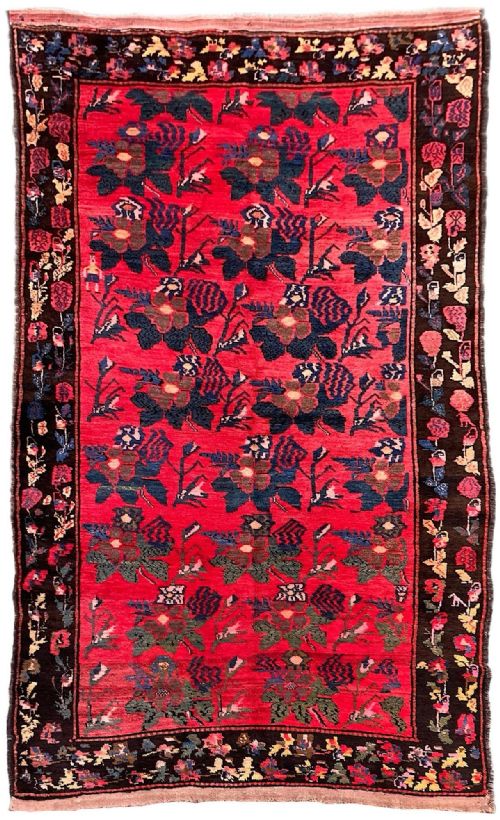
The most common examples on this page date from nineteen hundred to nineteen twenty, alongside older nineteenth-century works. They frequently display specific regional designations such as Erivan, Karabagh, Lori Pambak, and Kazak.
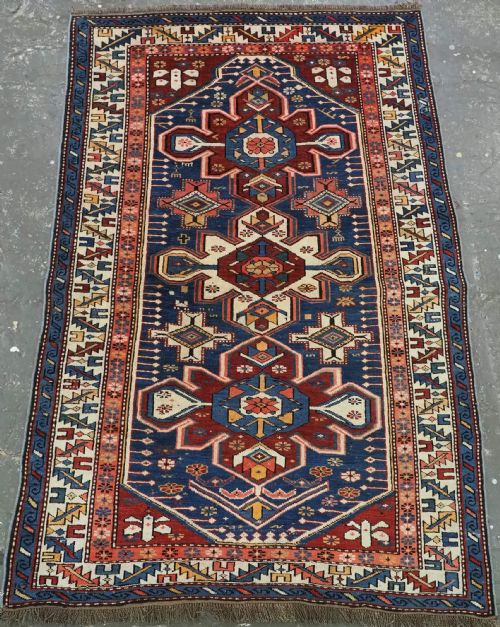
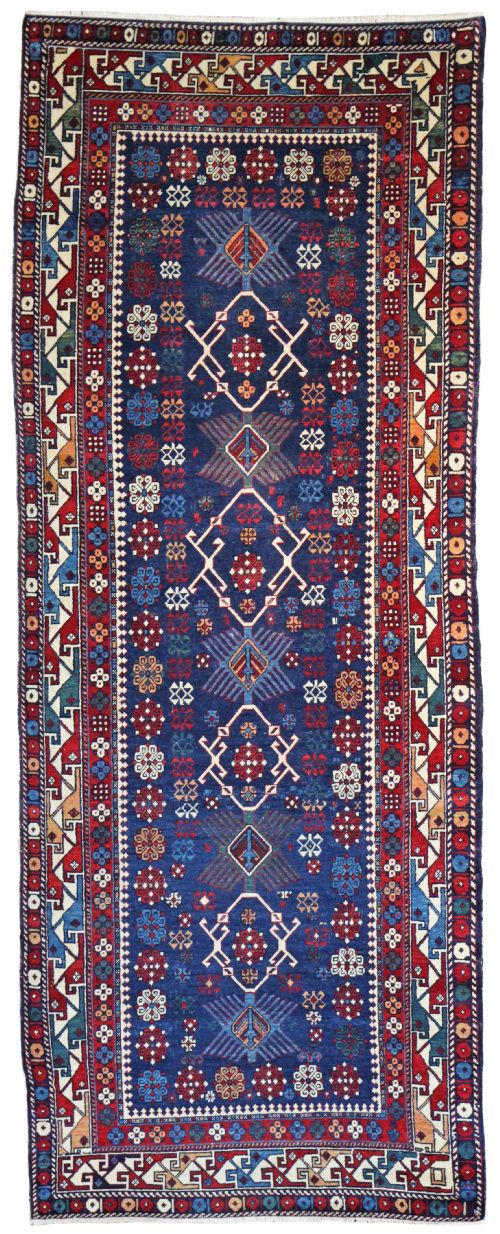
Makers utilised traditional tribal motifs, incorporating star designs, triple-lobbed medallions, key-hole patterns, and figurative depictions of people and animals. The palette spans deep tones to scarce yellow grounds.
Materials and methods of production
Every armenian tribal rug relies entirely on hand-knotted wool construction, executed on traditional upright looms by regional weavers. The dense wool pile provides the durability necessary for functional floor coverings.
Weavers employed natural dyeing techniques to colour the wool, producing deep saturated hues and distinct yellow ground variations. The construction method ensures each carpet holds a firm structure with characteristic tribal handle.
Current listings span the period from eighteen seventy to nineteen thirty, exclusively utilising wool and hand-knotted wool construction.
Distinctions in quality and execution
Quality in an armenian tribal rug rests on the clarity of the knotting and the precision of the geometric design work. Finer examples display crisp execution in complex motifs like triple medallions and star patterns.
The choice of palette and ground colour further separates standard production from more desirable pieces. Scarce yellow grounds and well-preserved figurative elements indicate superior execution by the weaver.
The Armenian Tribal Rug Glossary
- Medallion
- A central ornamental motif placed in the field of the rug. It forms the primary focal point of many Caucasian designs.
- Kilim
- A flat-woven carpet or rug produced without a pile. These pieces rely on the interlocking of warp and weft threads.
- Runner
- A long, narrow carpet format designed for hallways and corridors. They appear frequently in regional weaving traditions.
- Kazak
- A designated style of Caucasian rug known for bold geometric forms and saturated primary colours. They represent a major category within the available pieces.
Armenian Tribal Rug: Frequently Asked Questions
Where were these rugs made?
These pieces originated in the Caucasus region, with specific examples attributed to weaving centres in Armenia, Karabagh, and Erivan. The makers utilised local materials and traditional designs tied to their specific communities.
Production spanned the late nineteenth and early twentieth centuries, reflecting regional styles that had developed over generations.
How do I care for wool rugs?
Maintain the wool pile through gentle vacuuming without a rotating brush bar to prevent fibre damage. Address spills promptly by blotting with a clean cloth rather than rubbing.
Professional cleaning should be utilised periodically to preserve the natural lanolin and integrity of the hand-knotted structure.
What is a key hole design?
A key hole design refers to a specific geometric layout found in certain Caucasian weaving traditions, notably Sewan Kazak carpets. The motif creates an architectural outline within the central field.
This pattern distinguishes particular regional workshops and adds visual complexity to the central medallion composition.
Are these rugs suitable for high traffic?
The dense hand-knotted wool construction provides natural durability that withstands regular foot traffic in domestic settings. Placing an appropriate underlay beneath the carpet prevents slipping and reduces wear.
Rotating the rug periodically ensures even exposure and balances wear across the surface over time.