
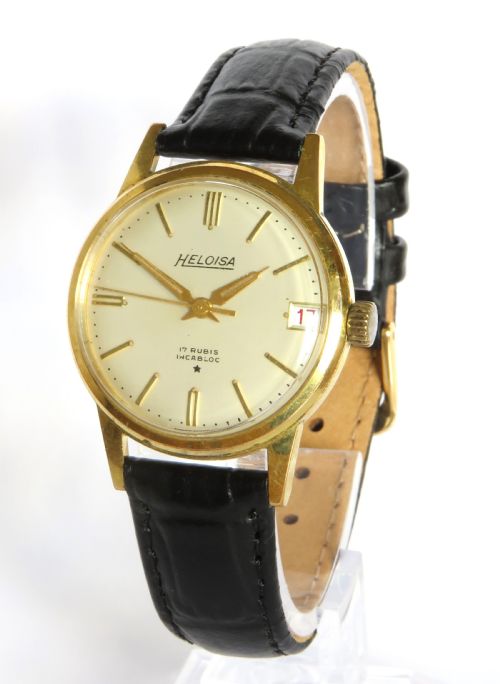
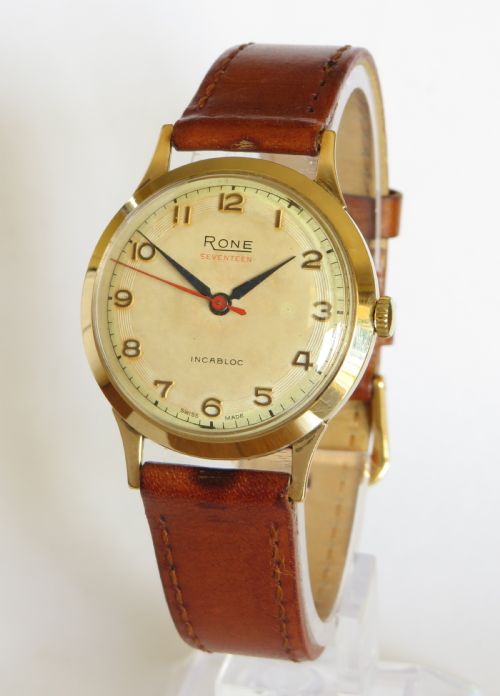
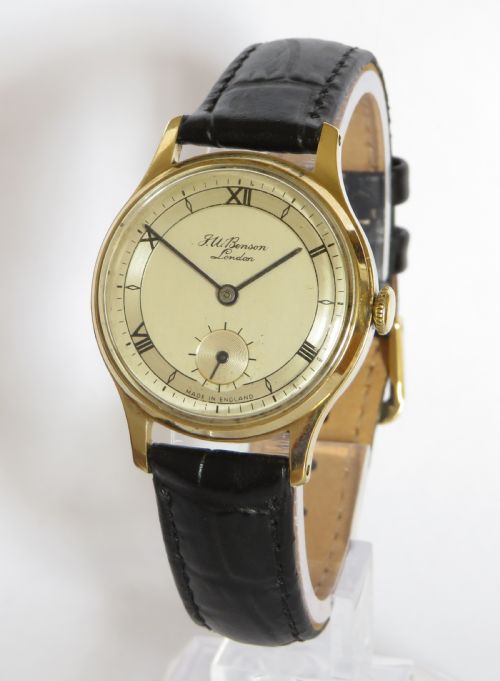
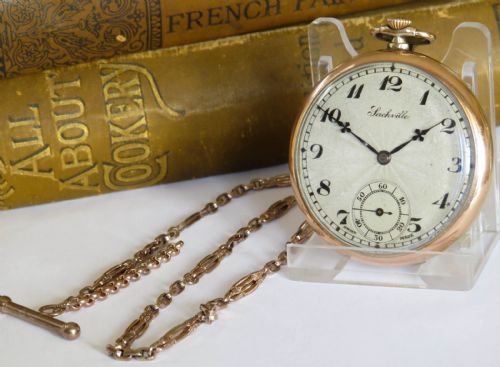
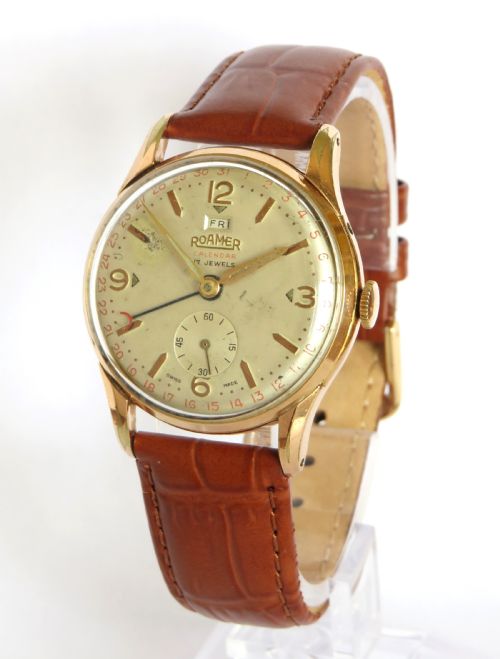
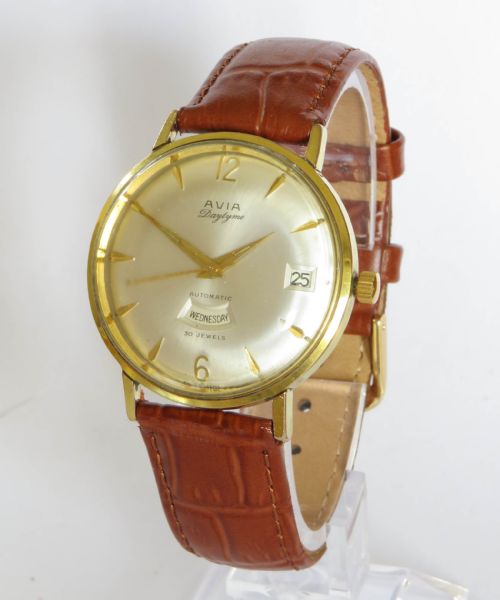
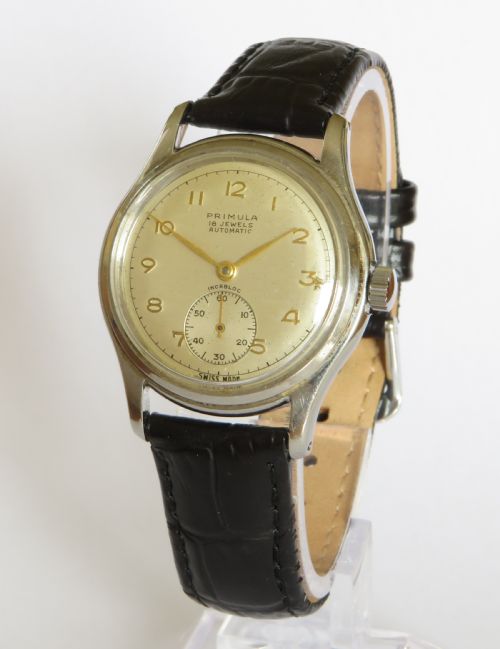
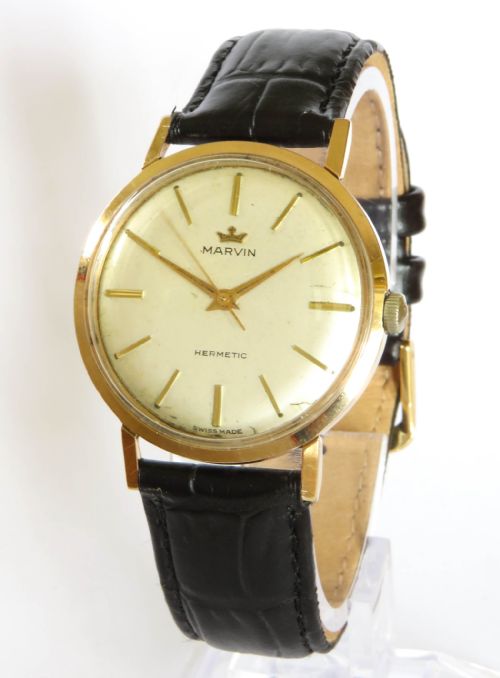
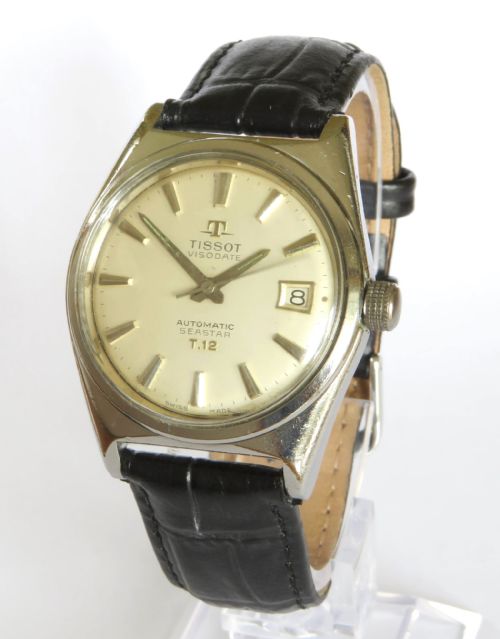
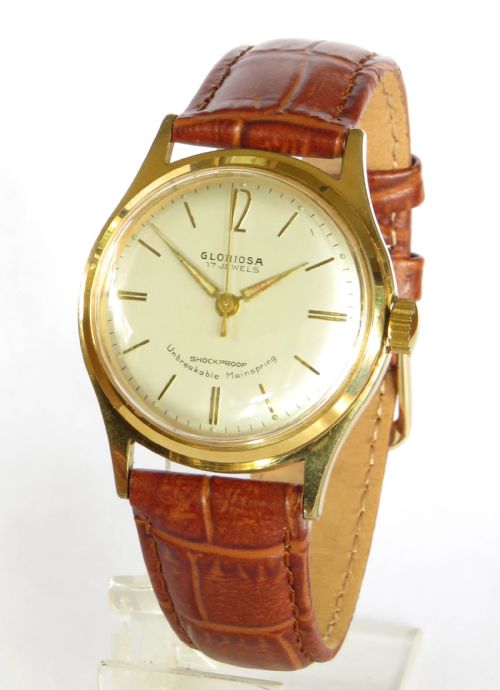
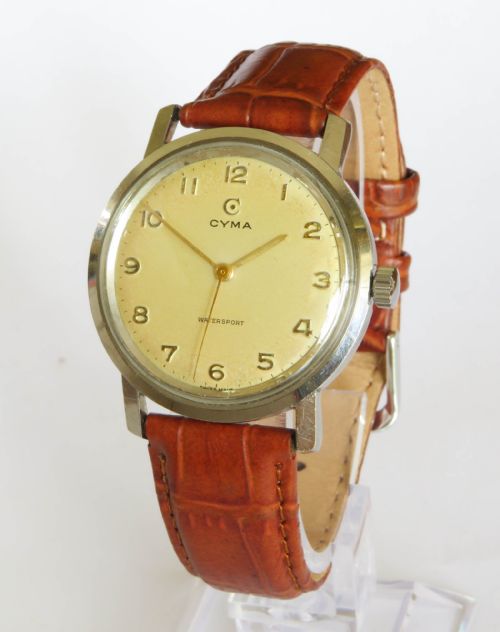
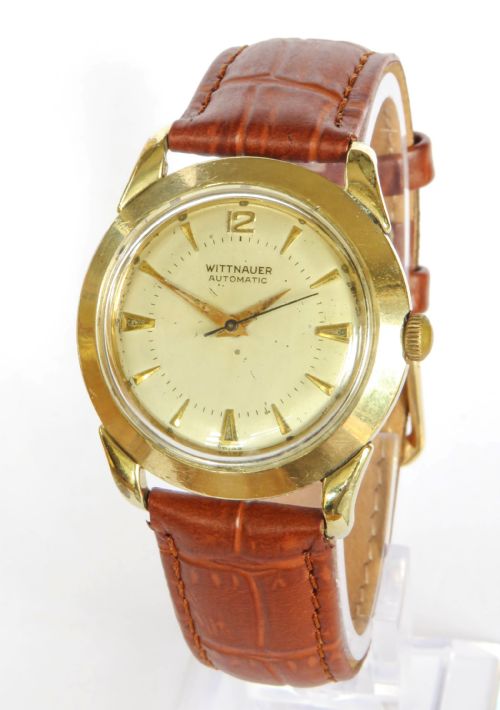
Gents Gold Dress Watch
These gents gold dress watch examples span the decades from the 1930s to the 1960s, offering slim profiles and mechanical movements for daily wear.
Gents Gold Dress Watch
A gents gold dress watch is a traditional timepiece designed to accompany formal attire, typically presenting a clean dial and a slender profile that slips beneath a shirt cuff. When searching this phrase, collectors encounter wristwatches and pocket watches spanning several mid-century decades, reflecting the changing tastes of twentieth-century horology.
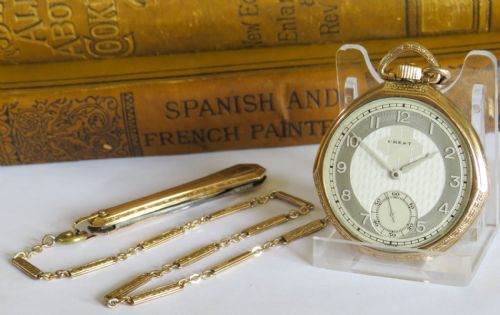
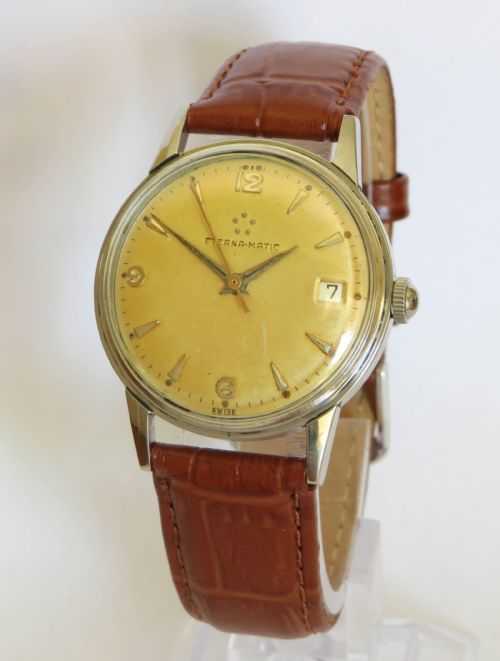
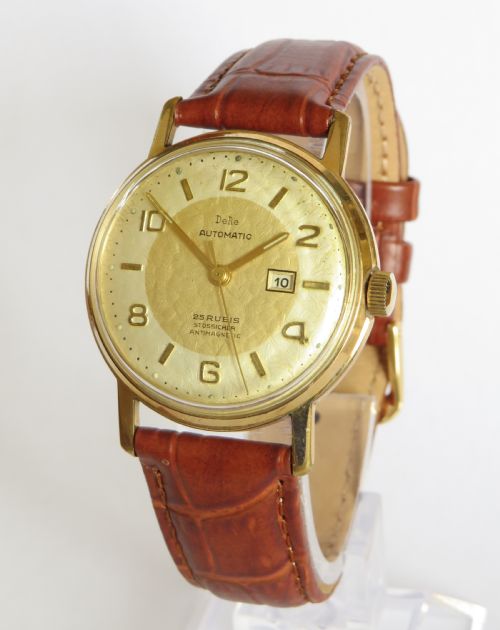
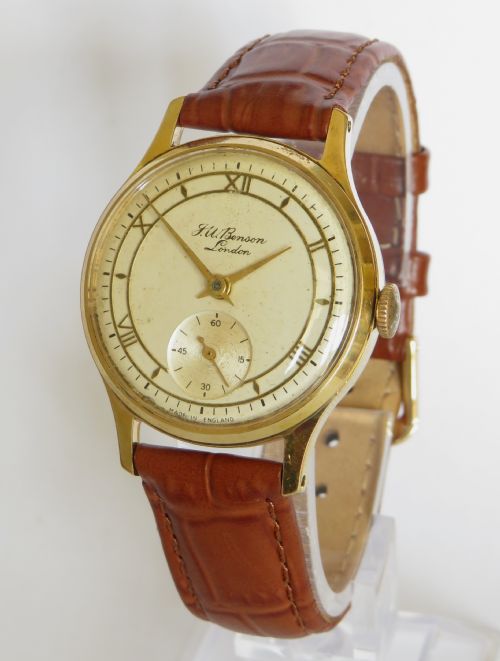
The versions most frequently met on this page date from the 1950s and 1960s, drawing on Mid-Century Modern and classic design principles. Alongside wristwatches, pocket watches from the 1930s appear with chains, maintaining an older tradition of timekeeping alongside wrist-worn variants.
Materials and construction
Cases utilise solid 9ct gold, gold plate, gold filled, stainless steel, and base metal, housing mechanical or automatic movements driven by springs and gears. Dials are protected by glass or acrylic crystals, while straps are commonly fashioned from leather.
Swiss manufacture dominates the movement production, alongside British contributions from makers such as Smiths. Watchmakers housed these intricate mechanisms inside metal or gold-encased bodies, pairing them with stem winding systems or rotor-driven automatic calibres.
Listings span the 1930s, 1940s, 1950s, and 1960s, incorporating Mid-Century Modern and Art Deco design influences across wristwatches and pocket watches.
Distinctions in quality
Quality in a gents gold dress watch rests in the execution of the movement and the integrity of the case. Pieces featuring higher jewel counts and sophisticated automatic calibres from established Swiss or British houses stand apart from simpler mechanical alternatives.
The preservation of the dial, the clarity of the acrylic or glass crystal, and the originality of the casing material determine the standing of an individual piece. Solid gold cases and signed dials carry greater distinction than plated variants with heavy wear.
Heloisa·Rone·Smiths·Tavannes·Eterna Matic·DeRe·Roamer·Avia·Primula·Marvin·Tissot·Gloriosa·Cyma·Wittnauer·Dogma Prima·Certina·Zenith·Baume Bimatic·Ensign·Lanco·Felca·Garrard·Technos·Consul·Omega
The Gents Gold Dress Watch Glossary
- Automatic wrist watch
- A timepiece wound autonomously by the natural motion of the wearer's arm via an internal oscillating rotor. This mechanism removes the need for daily manual winding.
- Mechanical wristwatch
- A watch powered by a mainspring that must be wound by hand using the crown. These pieces rely entirely on gear trains and escapements to measure time.
- Gold filled
- A material comprising a solid layer of gold mechanically bonded to a base metal core. It provides a thicker layer of gold than standard plating.
- Acrylic glass
- A lightweight plastic material utilised for watch crystals before the widespread adoption of synthetic sapphire. It offers flexibility and can be polished if scratched.
- Stem winding
- A method of winding a watch or setting the time using the crown attached to a stem passing through the case. This replaced key-winding systems in most twentieth-century watches.
Gents Gold Dress Watch: Frequently Asked Questions
What is a gents gold dress watch?
A gents gold dress watch is a slim, elegant timepiece intended for formal wear, usually featuring a minimalist dial and precious metal or gold-plated casing.
These watches prioritise understated elegance over heavy complications, making them suitable for pairing with tailoring and evening dress.
How do I wind a mechanical watch?
You wind a mechanical watch by turning the crown clockwise between your thumb and forefinger until you feel gentle resistance. Care should be taken not to force the crown once resistance is met.
Most vintage pieces require daily winding if worn regularly, though automatic versions wind themselves through wrist movement.
Are these watches waterproof?
Vintage gents gold dress watches are generally not waterproof by modern standards. Splashes and rain should be avoided to protect the paper dials and steel mechanisms.
Older seals and crystals degrade over time, meaning moisture can easily enter the case and damage the movement.