
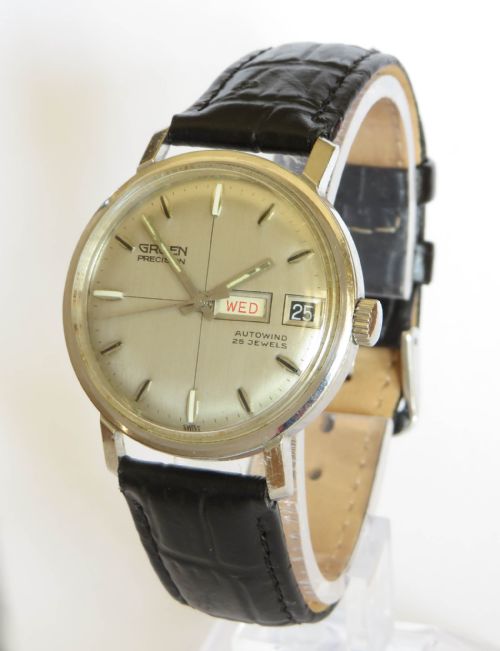
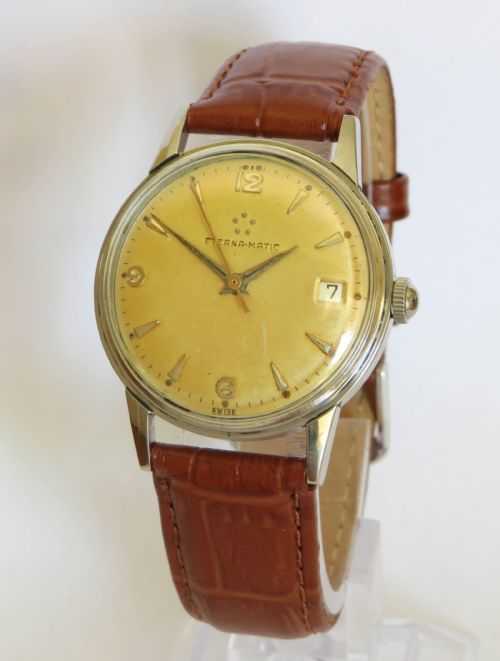
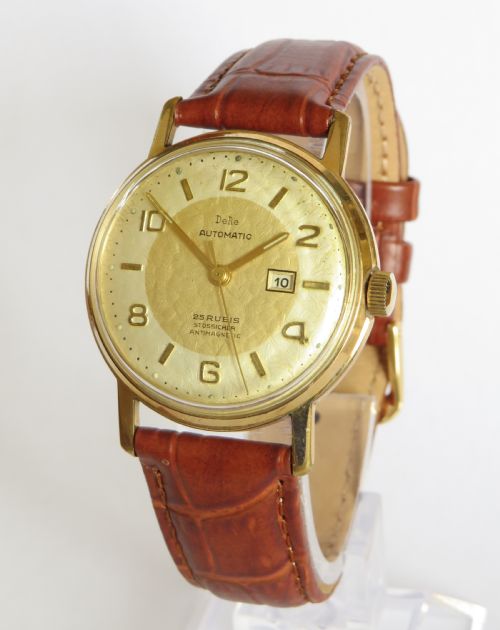
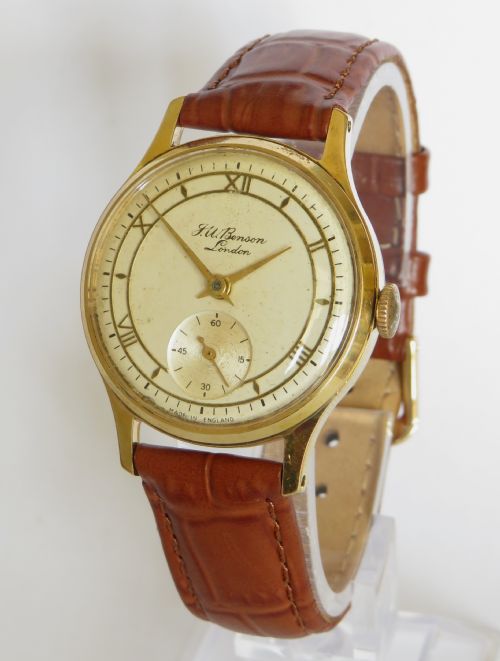
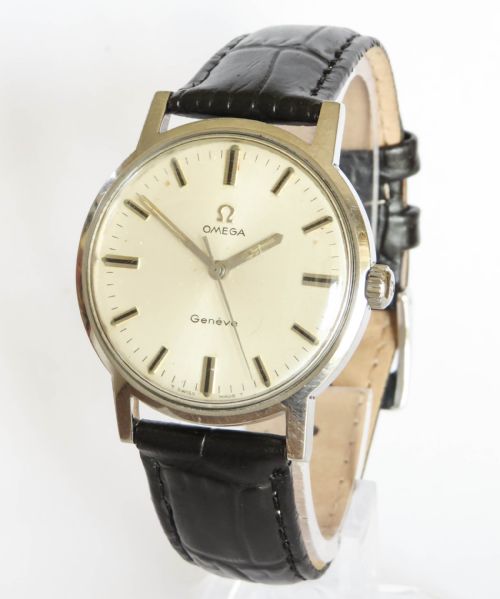
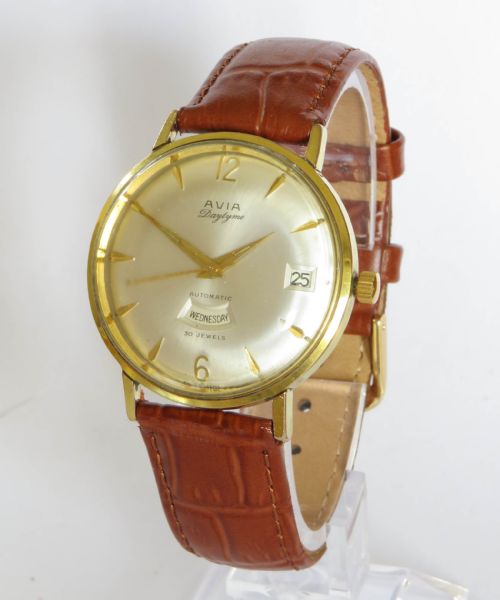
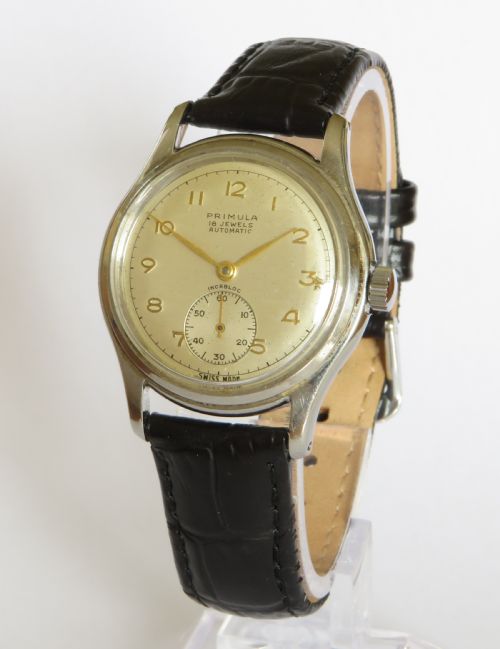
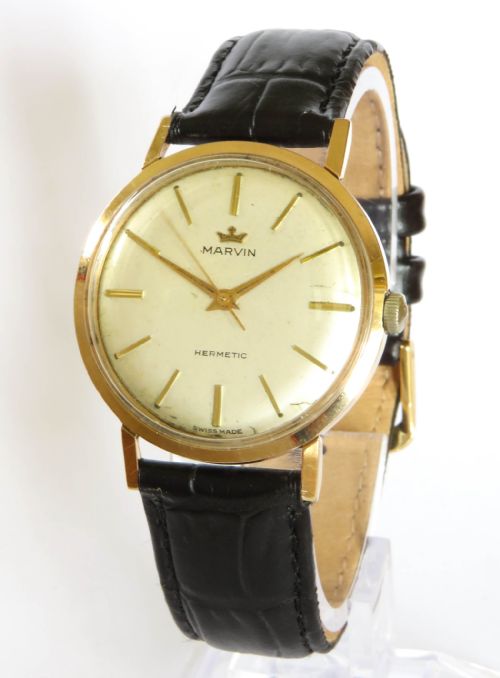
Gents Vintage Dress Timepiece
A gents vintage dress timepiece is a mechanical companion spanning decades of horological design, offering a tangible link to mid-century style.
Gents Vintage Dress Timepiece
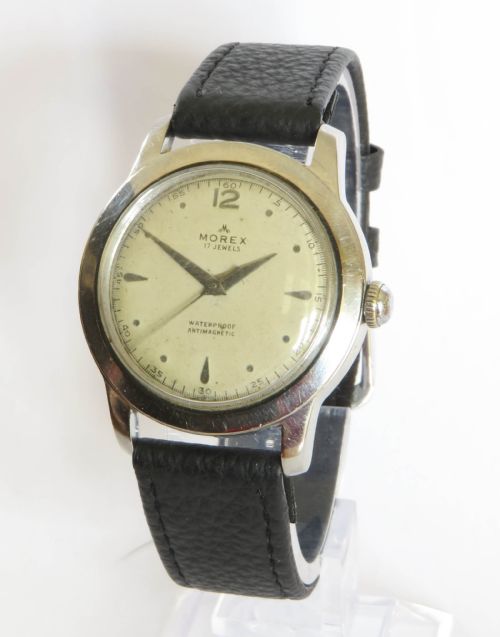
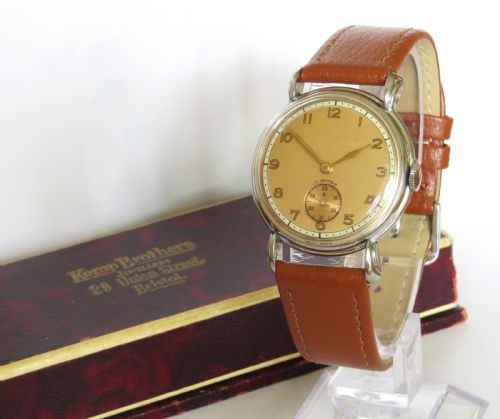
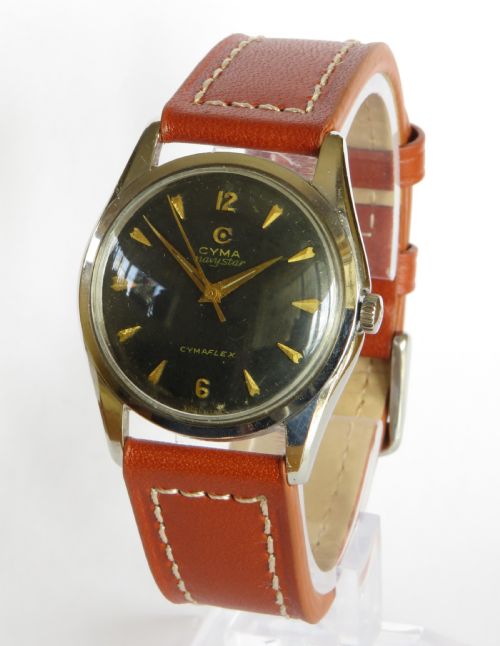
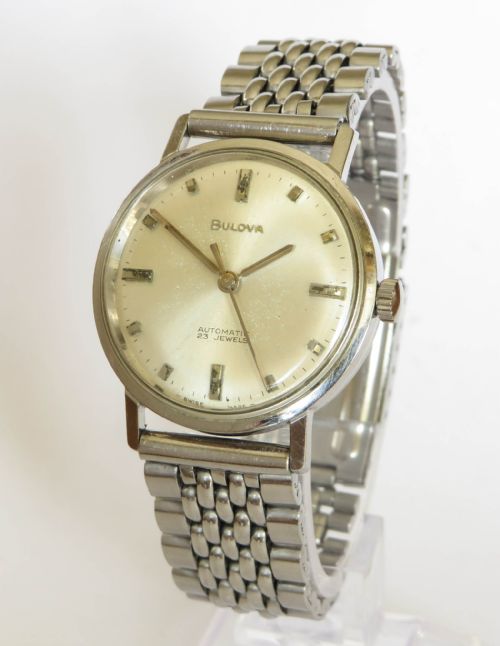
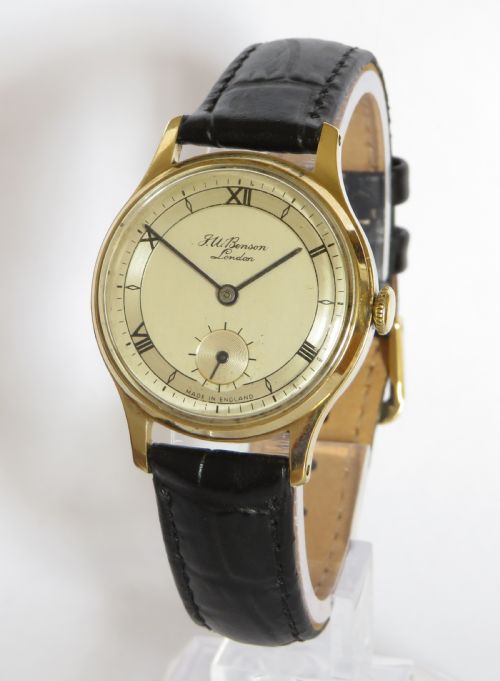
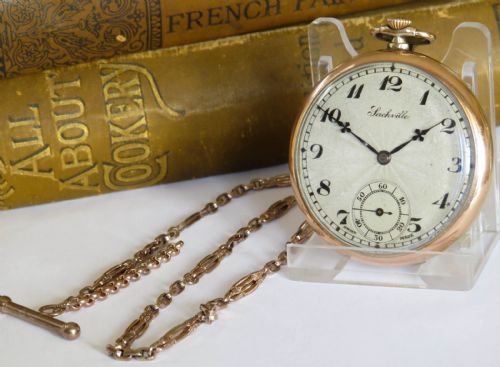
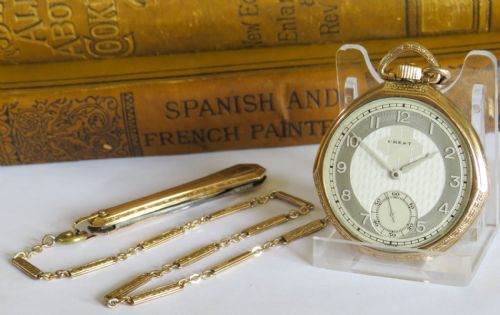
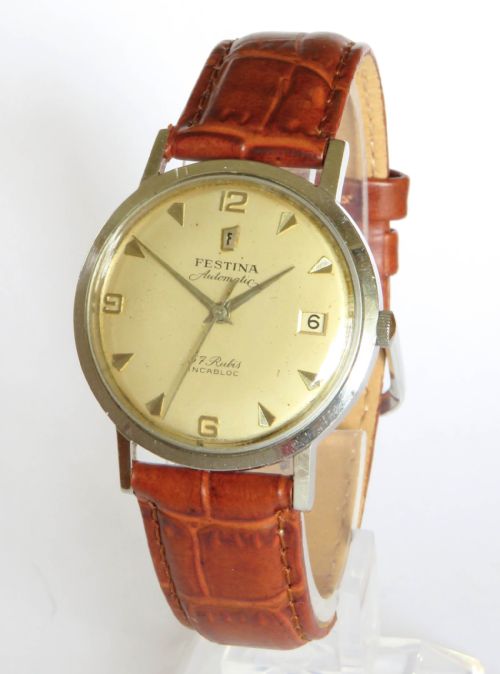
When you search for a gents vintage dress timepiece, you encounter wristwatches and pocket watches spanning the 1930s, 1940s, 1950s, and 1960s. These horological items include designs shaped by Art Deco and Mid-Century Modern movements.
The wristwatches dominate the selection, appearing alongside traditional pocket watches complete with chains. Pieces originate from Swiss makers and English workshops alike, reflecting the utilitarian and decorative standards of their respective decades.
How They Were Made
Casings utilise metals such as stainless steel, chrome, gold plate, and gold filled construction, paired with glass or acrylic crystals over the dial. These metallic housings protect mechanical movements designed for daily wear or formal occasions.
Straps and bands employ leather to secure the wristwatches to the arm, while pocket watches rely on matching metal chains for retention. Manufacturing techniques combine hand-assembled gear trains with stamped or milled exterior housings.
Listings span four distinct decades, stretching from the 1930s through to the 1960s with a concentration of mid-century automatic and manual designs.
What Varies in Quality
Distinction across the range stems from the sophistication of the internal movement, moving from basic manual wind calibres to automatic self-winding systems. Maker reputation and the precision of the dial layout further set individual examples apart.
Materials contribute to the hierarchy, where solid gold filled or stainless steel casings outlast simple chrome plating. Originality of components and preservation of the dial typography dictate the standing of an individual piece.
Montilier·Smiths·Tavannes·Festina·Gruen·Eterna·Avia·Marvin·Wittnauer·Dogma Prima·Longines·Bulova·Kered·Cyma·Certina·Rotary·Zenith·Ensign·Lanco·Enicar·Prisma·Girard Perregaux·Omega
The Gents Vintage Dress Timepiece Glossary
- Automatic
- A self-winding mechanical movement that uses the natural motion of the wearer's wrist to power the mainspring. This mechanism eliminates the need for daily manual winding.
- Calibre
- The specific internal movement design and manufacturer designation of a timepiece. It identifies the mechanical architecture housed within the case.
- Crystal
- The transparent cover positioned over the dial of a watch, manufactured from glass or acrylic. It protects the hands and dial face from dust and physical impact.
- Stem Winding
- A mechanical system where the mainspring is tensioned by rotating the crown at the side of the case. It replaces older key-wind methods used on early pocket watches.
- Gold Filled
- A manufacturing method where a layer of solid gold is bonded to a base metal core using heat and pressure. This provides a thicker gold layer than standard electroplating.
Gents Vintage Dress Timepiece: Frequently Asked Questions
What is a gents vintage dress timepiece?
A gents vintage dress timepiece is a mechanical wristwatch or pocket watch produced primarily between the 1930s and 1960s. These items reflect the design aesthetics and engineering standards of the mid-century period.
They serve both as functional accessories and as collectable examples of historical horology, utilising materials such as gold plate, steel, and leather.
How do I wind a mechanical watch?
Mechanical watches require manual winding via the crown on the side of the case unless they feature an automatic self-winding movement. Turning the crown clockwise tensions the mainspring to store energy.
Care must be taken not to over-wind the watch once resistance is felt, ensuring the internal spring remains undamaged during daily use.
What is the difference between automatic and manual?
Manual mechanical watches rely entirely on daily hand-winding via the crown to maintain power reserve. Automatic watches contain an internal weighted rotor that winds the mainspring automatically through wrist movement.
Both systems utilise gear trains and escapements rather than batteries, representing traditional watchmaking craftsmanship from the eras of production.
How do I care for a vintage watch?
Vintage timepieces require protection from moisture, magnetic fields, and heavy physical impacts due to their age and delicate internal components. Regular servicing by a professional horologist keeps the mechanical movement functioning properly.
Leather straps should be kept dry, and acrylic crystals can be polished gently if minor surface scuffs occur over years of wear.