



Swiss Made Mechanical Timepiece
A swiss made mechanical timepiece brings together precision engineering and historic horology, offering tangible craftsmanship for daily wear.
Swiss Made Mechanical Timepiece
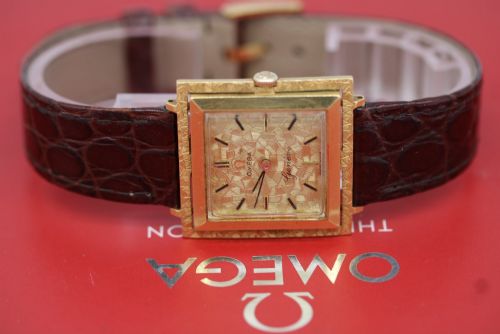
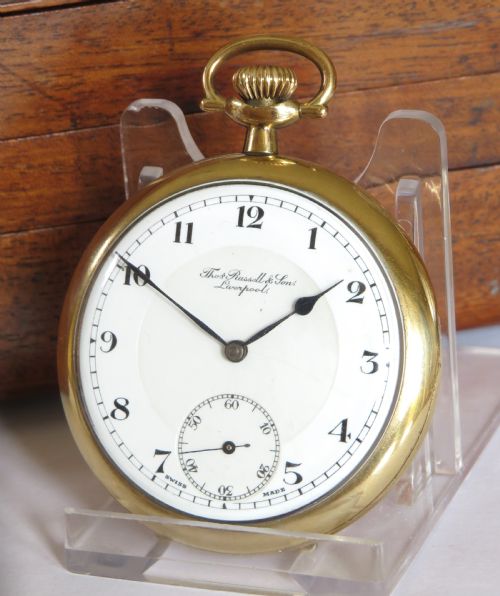
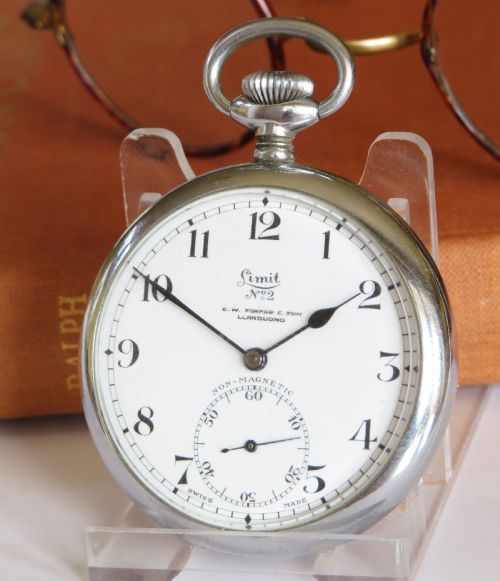
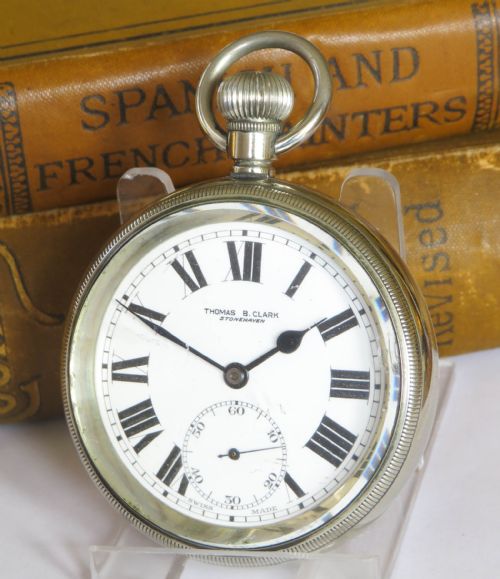
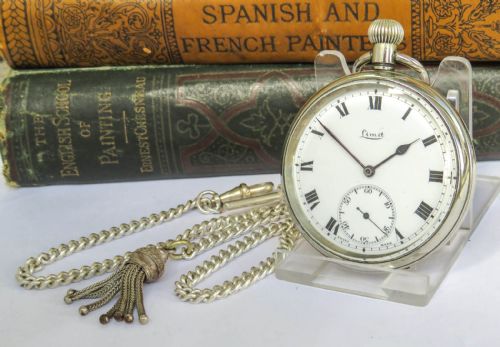
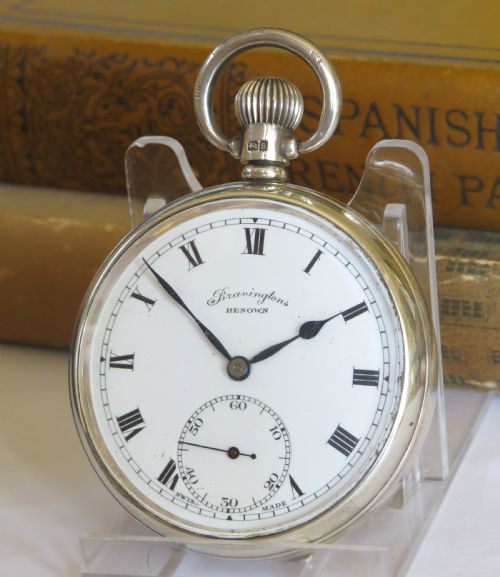
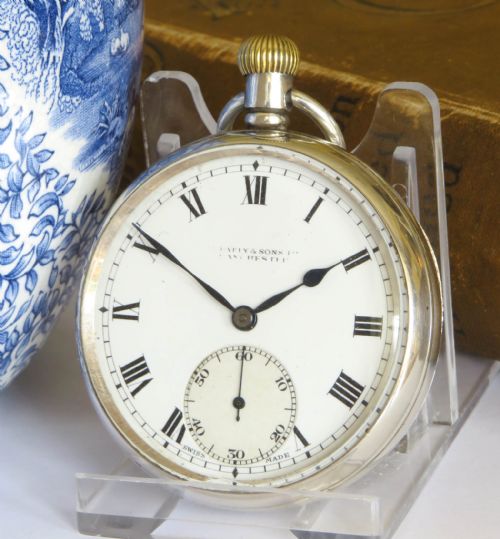
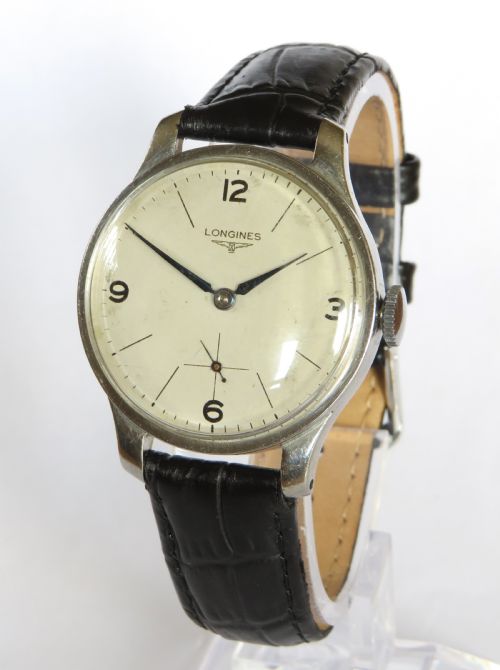
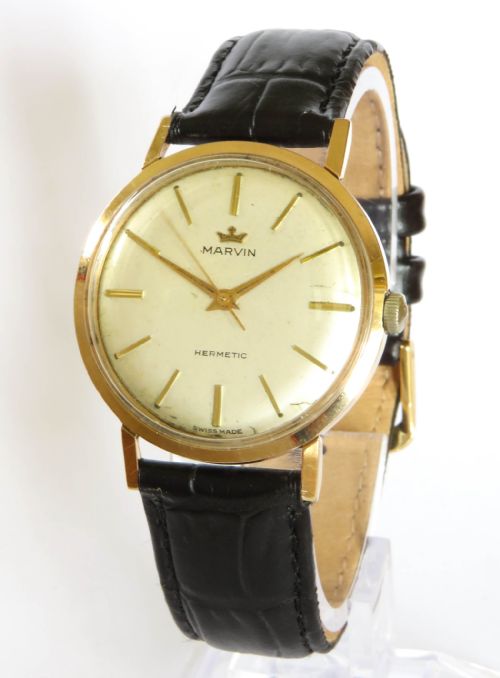
A swiss made mechanical timepiece encompasses portable horology spanning the nineteenth century through the mid-century modern era. Buyers searching this phrase encounter both pocket watches with chains and gents wrist watches originating from Swiss workshops and retailers.
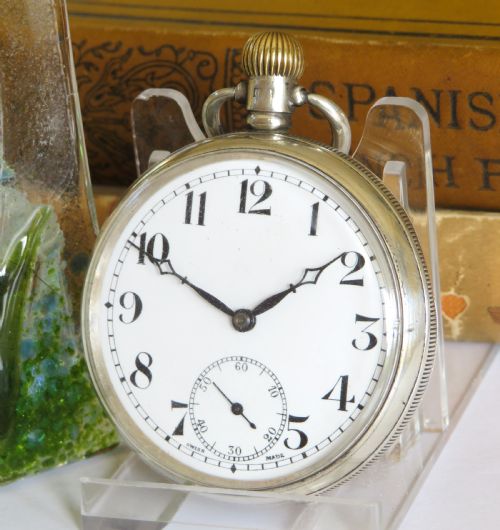
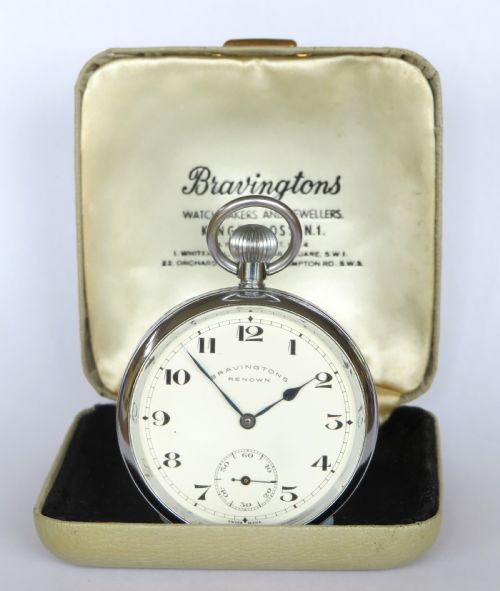
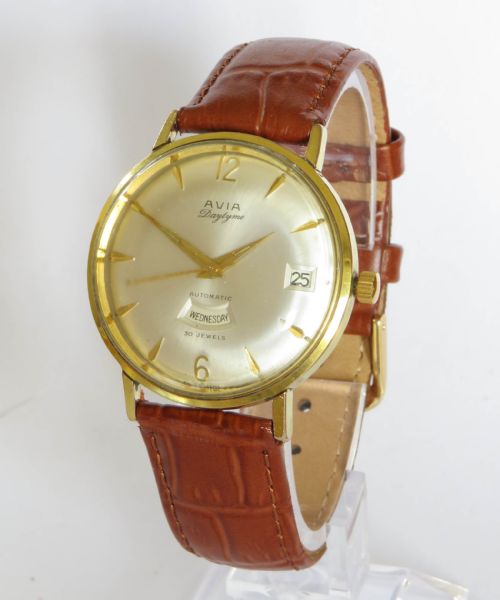
The selection ranges from early twentieth-century pocket watches to nineteen-fifties and sixties wrist watches. Pocket watch formats feature open face designs and hunter cases, while wrist watch formats include standard and jumbo sizes.
Victorian and turn-of-the-century examples sit alongside nineteen-twenties, thirties, forties, and fifties items. These pieces reflect distinct stylistic shifts from ornate Victorian details to Art Deco geometry and clean mid-century aesthetics.
Materials and construction
Cases utilise a range of metals including solid gold, gold plate, silver, chrome, stainless steel, and steel. Many items combine these metallic elements with protective glass crystals and enamel dials.
Complementary components incorporate leather straps and metal albert chains. Internal movements rely on mechanical calibres, sometimes featuring specific jewel counts or complications such as repeaters.
Surface finishes display polished metals, textured dials, and detailed engravings on pocket watch case backs. Construction methods balance robust outer housings with intricate internal gear trains.
Swiss Made Mechanical Timepiece Retail Price Guide 2026
Typical asking prices for swiss made mechanical timepiece among the pieces listed under this phrase on Sellingantiques today, from the lower quarter to the upper quarter. They describe what is for sale here now, not the wider market.
Current listings span from the nineteenth century through the 1960s, featuring materials like solid gold, silver, chrome, glass, and leather.
Distinguishing quality across examples
Material choice dictates the baseline tier, moving from chrome-plated or base metals up to solid gold and silver cases. Metal purity and weight directly influence the tactile substance of the piece.
The complexity and refinement of the movement distinguish finer specimens. High-grade items incorporate specialised mechanisms like quarter repeaters, numerous jewels, or precision chronograph functions.
Overall preservation of the original components shapes desirability. Unaltered dials, matching hands, and crisp case engravings mark the distinction between standard production and superior examples.
The Swiss Made Mechanical Timepiece Glossary
- Pocket watch
- A portable timekeeper designed to fit in a pocket, usually attached to a chain. These pieces often feature hinged dust covers and sub-seconds dials.
- Wrist watch
- A timepiece secured to the wrist by a strap or bracelet. Gents versions from the mid-century period frequently display minimalist hour markers and central second hands.
- Enamel
- A glassy substance fused to a metal dial substrate through firing. This technique provides a crisp, durable surface for painted numerals and minute tracks.
- Albert chain
- A decorative chain attached to a pocket watch for security in a waistcoat pocket. Named after Prince Albert, these accessories often match the metal of the watch case.
- Repeater
- A complicated mechanism that strikes the hours and minutes on demand via gongs inside the case. These systems represent advanced watchmaking skill.
Swiss Made Mechanical Timepiece: Frequently Asked Questions
How do I wind a mechanical watch?
Rotate the crown clockwise between your thumb and forefinger until resistance is felt. Stop immediately to avoid damaging the mainspring.
For daily use, wind the timepiece at a consistent time each morning to maintain steady tension and accurate timekeeping.
What is the difference between wrist and pocket watches?
Pocket watches are larger portable timekeepers designed to be carried in pockets with chains. Wrist watches are smaller formats secured directly to the arm with straps.
Both utilise internal mechanical movements, but wrist watches gained prominence in the mid-twentieth century for greater daily convenience.
How do I date a vintage timepiece?
Examine the stylistic cues, such as Art Deco numerals or mid-century minimalist hands. Hallmarks on precious metal cases offer definitive assay office dates.
Movement serial numbers can also be cross-referenced against maker archives to pinpoint the year of production.
Can I wear a vintage watch daily?
Many vintage mechanical pieces suit regular wear provided they receive proper care and routine servicing. Avoid exposing older cases to water unless specifically rated for resistance.
Handling leather straps gently and storing the watch safely when not in use helps preserve the mechanism.