




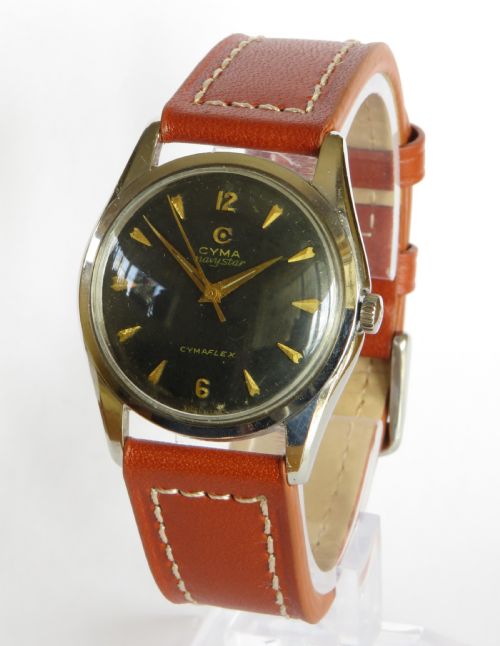
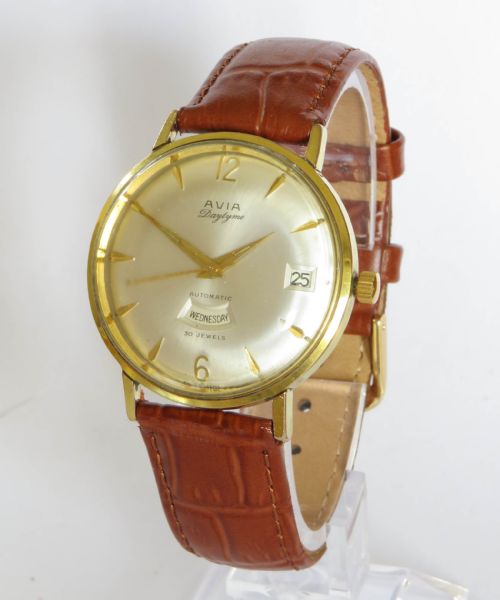
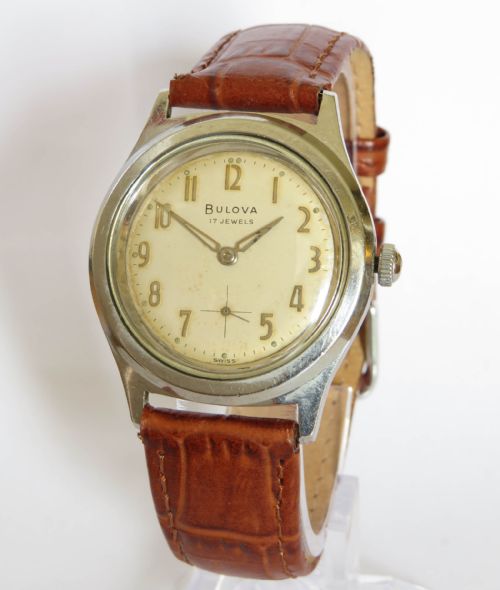
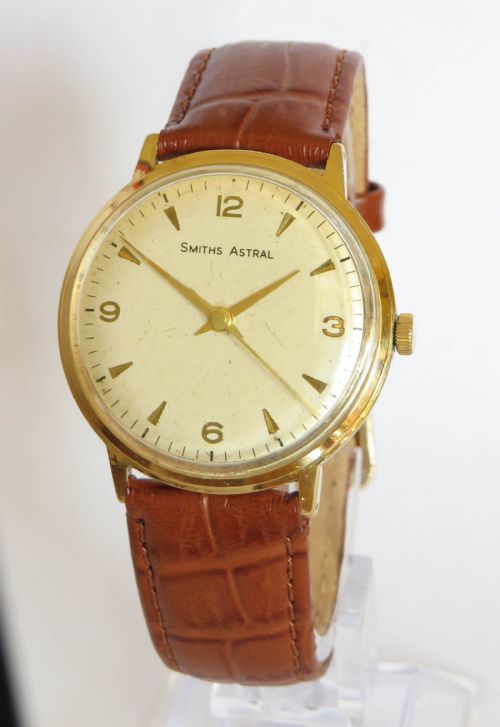
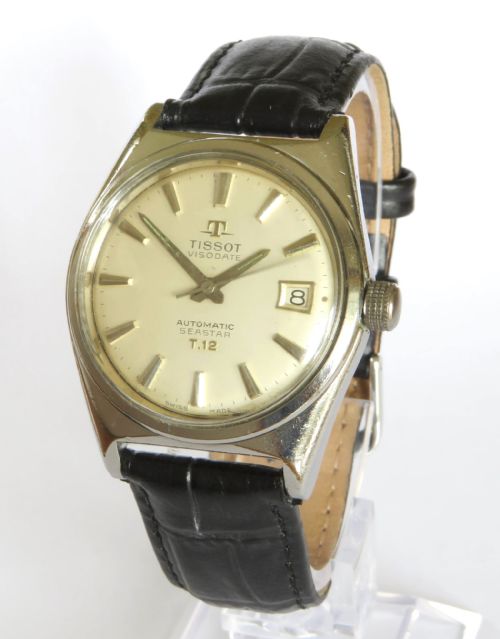
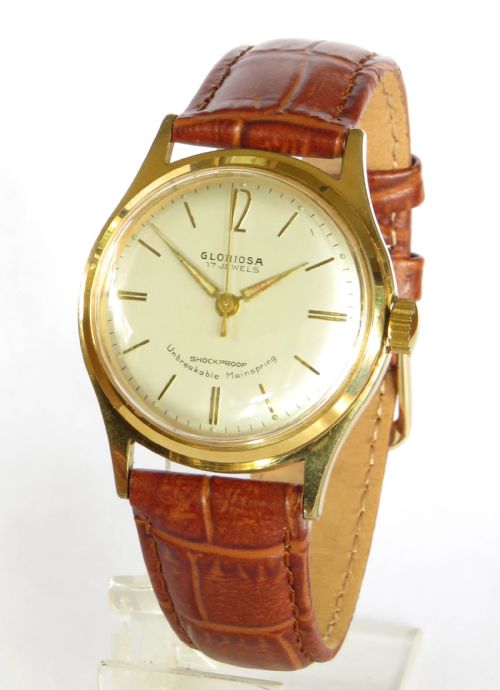
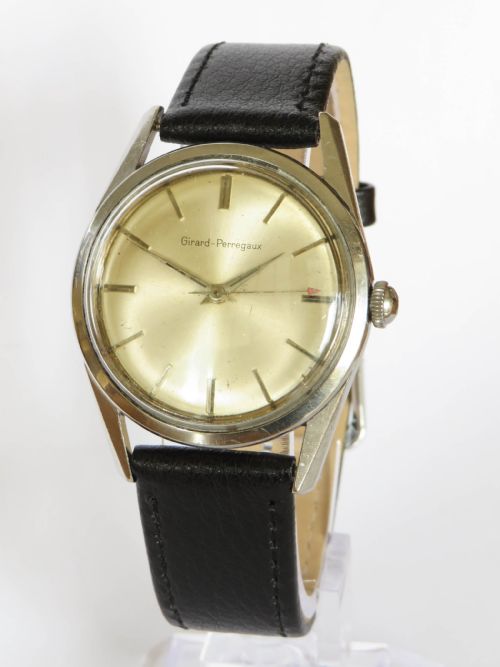


Mens 1960s Analogue Watch
A mens 1960s analogue watch delivers mechanical reliability and mid-century design, offering wristwatches built for daily wear.
Mens 1960s Analogue Watch
A mens 1960s analogue watch comprises wristwatches dating primarily from the nineteen sixties, alongside occasional examples from the nineteen fifties. These pieces reflect mid-century modern design sensibilities through clean dials and practical forms.
Buyers encounter mechanical and automatic wristwatches produced by Swiss and British makers. The selection centres on gents wrist watches featuring traditional hands and hour markers rather than digital displays.
Most examples survive in forms intended for everyday gentleman's wear, combining robust steel or gold plated cases with interchangeable straps.
How they were made
Casings utilise stainless steel or gold plate, paired with clear glass or acrylic crystals to protect the dial. These materials provide the durability expected of mid-century timepieces.
Straps are typically manufactured from leather, offering a flexible and traditional attachment to the wrist. Internal movements rely on precise mechanical engineering, often housing jewelled bearings to reduce friction.
Mens 1960s Analogue Watch Retail Price Guide 2026
Typical asking prices for mens 1960s analogue watch among the pieces listed under this phrase on Sellingantiques today, from the lower quarter to the upper quarter. They describe what is for sale here now, not the wider market.
The listings span the nineteen fifties and nineteen sixties, featuring stainless steel, gold plate, leather, glass and acrylic.
What varies in quality
Quality differences depend upon the reputation of the maker and the complexity of the movement within the case. Pieces bearing names associated with high grade Swiss manufacturing command greater attention from collectors.
The degree of preservation in the dial and case finish dictates the overall desirability of each wristwatch. Original components and signed movements elevate a watch above standard utilitarian examples.
Omega·Cyma·Avia·Tissot·Bulova·Smiths Astral·Eterna·Girard Perregaux·Felca·Technos·Consul·Longines
The Mens 1960s Analogue Watch Glossary
- Analogue watch
- A timepiece that displays time using hands and a dial rather than digital numerals. This traditional format defines the watches found in this category.
- Automatic
- A mechanical movement that winds itself using the natural motion of the wearer's wrist. This self-winding mechanism removes the need for daily manual winding.
- Acrylic
- A lightweight transparent plastic material utilised for watch crystals during the mid-century period. It offers flexibility and can be polished if scratched.
- Gold plate
- A thin layer of gold applied to a base metal case to give the appearance of solid gold. This technique provided a luxury aesthetic at a more accessible point.
- Jewels
- Synthetic rubies or sapphires placed at pivot points inside a movement to reduce friction. More jewels generally indicate a more refined mechanical calibre.
Mens 1960s Analogue Watch: Frequently Asked Questions
How do I wind a mechanical watch?
Turn the crown clockwise between your thumb and forefinger until you feel slight resistance. Stop immediately to avoid damaging the internal spring.
For automatic models, simply wearing the piece on your wrist provides the necessary motion to keep the movement powered throughout the day.
Are these watches water resistant?
Most mid-century timepieces lack modern rubber seals and screw down crowns. They were not manufactured to withstand submersion in water.
Keep these wristwatches away from rain, showers and swimming pools to protect the delicate internal movement and dial from moisture.
What is a sweep second hand?
A sweep second hand is mounted centrally on the dial rather than on a separate sub dial. It tracks seconds in a continuous fluid motion across the face.
This feature became common on mid-century dress and sports wristwatches.
Can I replace the leather strap?
Leather straps are held in place by spring bars fitted between the lugs of the case. They can be removed using a simple tool to swap colours or materials.
Choosing a replacement strap with the correct lug width ensures a secure fit against the watch head.