



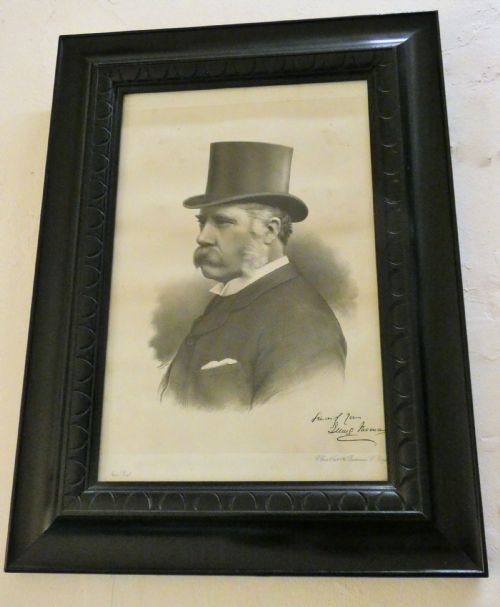
Gentleman Portrait Bust
A gentleman portrait bust captures the gravitas of past eras, offering solid character in bronze, marble or plaster to ground any study or hall.
Gentleman Portrait Bust
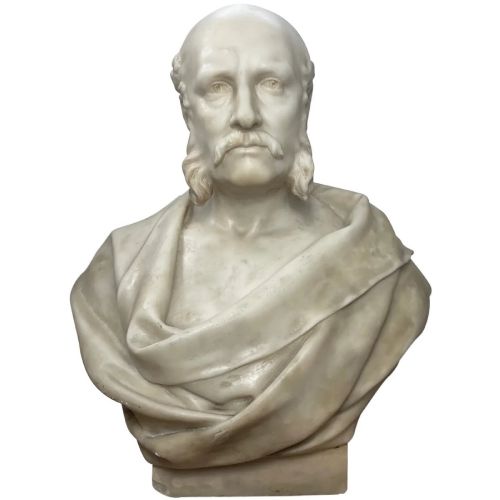
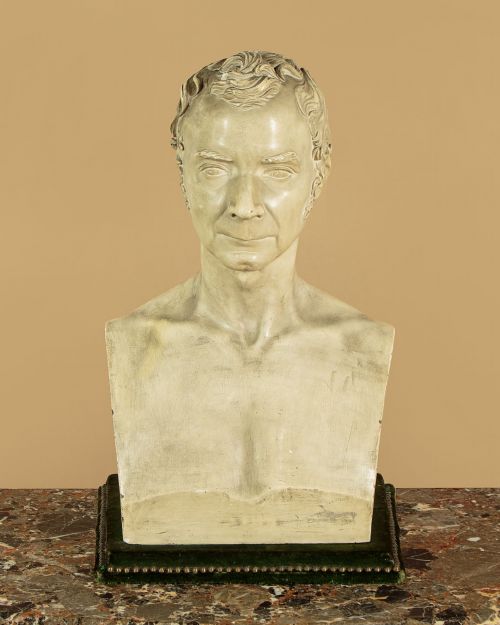
A gentleman portrait bust encompasses sculpted likenesses of male subjects executed in materials such as white marble, bronze and plaster. These pieces frequently date from the eighteenth and nineteenth centuries, spanning Victorian, Edwardian and classical revival aesthetics.
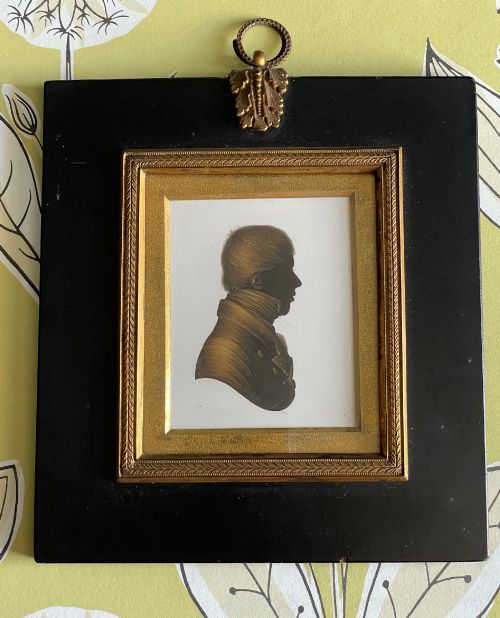
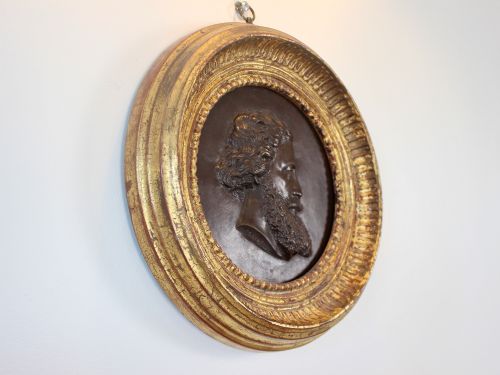
Buyers will encounter three-dimensional sculptures alongside related wall plaques and flat portrait works in oil and watercolour. The sculptural forms range from life-size civic monuments to domestic plaster studies and miniature bronze casts.
Subjects include named historical figures, physicians and clergymen alongside anonymous sitters rendered in academic realism or gothic revival modes. The nineteenth-century examples dominate the selection, showing substantial carved marble and detailed metalwork.
Materials and methods
Carved white marble requires patient chisel work by hand, allowing sculptors to articulate the folds of cravats and the texture of hair with crisp precision. This method defines the monumental and domestic portrait busts from the eighteenth and nineteenth centuries.
Bronze casting employs the lost-wax method or sand-casting techniques to capture minute details in metal, often finished with patination to heighten depth. Plaster works utilise moulds taken from wet composition or simulated stone mixtures, sometimes painted for added presence.
Gentleman Portrait Bust Retail Price Guide 2026
Typical asking prices for gentleman portrait bust among the pieces listed under this phrase on Sellingantiques today, from the lower quarter to the upper quarter. They describe what is for sale here now, not the wider market.
Several Victorian gentlemen preserved in bronze and plaster sport exceptionally elaborate nineteenth-century beards.
Standards of execution
The finesse of anatomical rendering distinguishes masterworks from standard studio production, particularly in the treatment of bone structure, expression and gaze. Superior carvers capture individual personality and lifelike skin tension rather than relying on generic facial templates.
Material selection and surface finishing dictate longevity and visual weight, with dense marbles and finely chased bronzes outperforming soft, painted plasters. The integrity of the original surface, free from heavy restoration, maintains the historical value of the piece.
Mainfroy·Giuseppe Moretti·John Wenlock Rollins·Sir Thomas Brock·Lemuel Francis Abbott·Sir Joshua Reynolds
The Gentleman Portrait Bust Glossary
- Patina
- The surface coloration and sheen developed naturally over time or applied chemically to bronze and metal sculptures. This finish adds depth and protects the underlying metal.
- Academic realism
- An artistic style characterised by strict adherence to traditional techniques and lifelike anatomical accuracy. It is frequently seen in nineteenth-century portraiture.
- Plaster
- A composition material used for casting sculptures and architectural ornaments. Simulated stone versions offer the appearance of heavier media at a lower weight.
- Gothic revival
- An architectural and decorative style that revives medieval forms and aesthetic principles. This influence appears in select nineteenth-century portrait busts.
Gentleman Portrait Bust: Frequently Asked Questions
What materials are gentleman portrait busts made from?
These portrait pieces utilise carved white marble, cast bronze and moulded plaster, alongside painted works on canvas and board.
Sculptors selected these media to suit both monumental civic commissions and private domestic studies.
How do I date a nineteenth-century bust?
Dating relies on stylistic clues, clothing styles, recorded signatures and any accompanying biographical documentation for the sitter.
Nineteenth-century examples often combine classical revival tropes with the specific facial hair and attire of the Victorian era.
Where should I display a heavy marble bust?
Heavy stone and bronze sculptures require sturdy, level surfaces such as strong sideboards, pedestals or dedicated console tables.
Placement should avoid areas of direct sunlight and dramatic temperature fluctuations to protect the material integrity.
Are these sculptures always signed by the artist?
Many historical portrait pieces remain unsigned, representing anonymous studio production or works where signatures have worn away.
Signed examples typically feature the maker's name or initials incised directly into the bronze or marble base.