




Garnet Cluster Ring
A garnet cluster ring brings together deep red stones in a tightly set arrangement that catches the eye across the room.
Garnet Cluster Ring
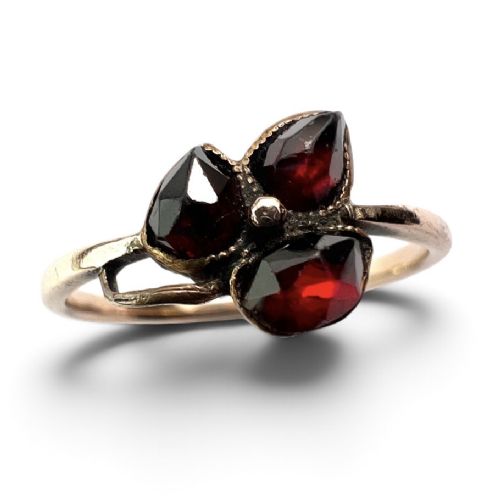
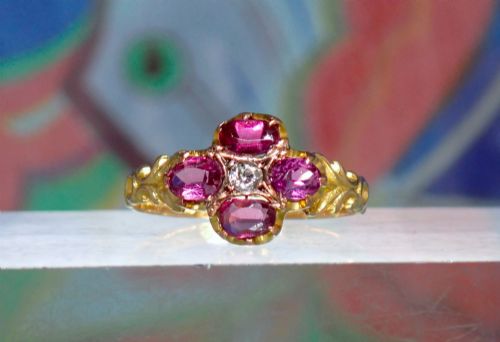
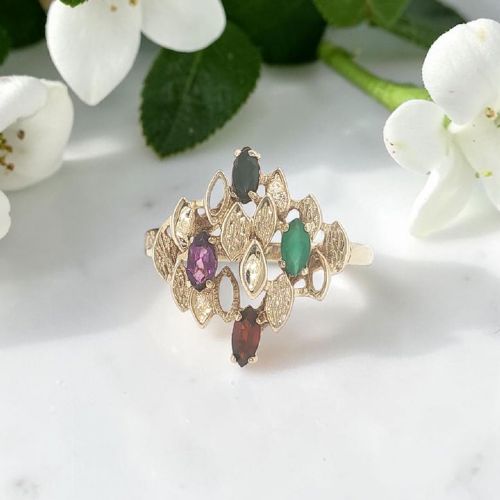
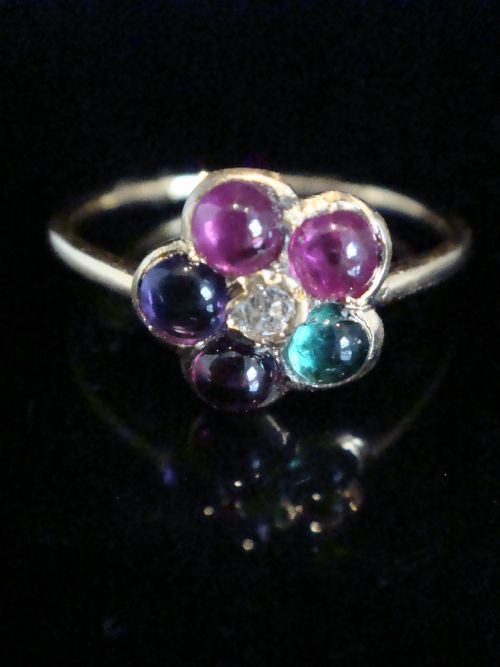
A garnet cluster ring groups multiple stones together to create a prominent floral or geometric head on the finger. The pieces seen here span Victorian, Edwardian, Art Deco and later decades, showing how makers returned to this design across generations.
Most examples arrange smaller garnets around a central stone, sometimes paired with diamonds, pearls or other gems. These designs appear in forms ranging from simple daisy clusters to elaborate multi-stone arrangements.
Originating in periods from the nineteenth century onwards, these rings utilise yellow gold, rose gold, white gold, and platinum as settings. Buyers find both antique and vintage iterations across various gold purities.
Materials and construction
Garnets are set in gold or platinum, often utilising nine carat, fifteen carat or eighteen carat gold standards depending on the period. Metalwork ranges from simple yellow gold claws to ornate filigree and white gold mountings.
Cluster heads frequently incorporate supporting stones such as diamonds, seed pearls or tourmalines alongside the main garnets. Stones are secured using claw settings or close-set bezels that emphasise the density of the cluster.
Several pieces mix garnets with unexpected companions like bloodstone, opal and turquoise, proving Victorians loved a colourful gathering.
Quality factors
The depth of colour and stone matching dictate the visual strength of a garnet cluster ring. Stones with consistent saturation and minimal visible inclusions elevate the piece.
Setting execution and metal weight show the original tier of manufacture. Heavier gold gauges and precise stone placement separate fine workshop production from lighter commercial output.
The Garnet Cluster Ring Glossary
- Cluster ring
- A ring featuring a central gemstone surrounded by a group of smaller stones. This arrangement maximises surface brilliance and perceived size.
- Almandine garnet
- A deep red variety of garnet frequently found in antique jewellery. It provides the dark crimson tone seen in Victorian pieces.
- Seed pearl
- A very small natural or cultured pearl used as an accent stone. These appear frequently in Victorian and Edwardian clusters.
- Old cut
- A diamond cutting style used before modern brilliant cuts became standard. These stones have higher crowns and smaller tables.
Garnet Cluster Ring: Frequently Asked Questions
How do I date a garnet cluster ring?
Dating relies on metal standards, setting styles and hallmarks where present. Victorian examples often use higher gold purities like fifteen carat alongside closed-backs or specific claw arrangements.
Later vintage and mid-century pieces shift towards white gold or platinum mountings with different geometric proportions. Comparing the gallery and shank construction against known period styles helps confirm the era.
Are garnet cluster rings suitable for daily wear?
Garnets have a hardness of around seven to seven and a half on the Mohs scale. They withstand normal daily use provided the wearer takes reasonable care.
Older settings with delicate claws or seed pearls require more attention than robust modern mountings. Regular checks by a jeweller ensure the stones remain secure in their settings.
What is the difference between almandine and other garnets?
Almandine garnets display a deep, saturated red tone with brownish or purplish undertones. They dominate nineteenth-century British jewellery.
Other variants such as tsavorite or demantoid bring vivid green colours to twentieth-century designs. Each type offers a distinct visual palette within the same cluster format.
How should I clean my antique ring?
Gentle cleaning with warm water, mild soap and a soft brush removes everyday oils from the stones and metal. Harsh chemicals and ultrasonic cleaners risk damaging seed pearls or loosening fragile settings.
Patting the ring dry with a soft cloth preserves the finish of both the gold and the stones. Professional cleaning is recommended for antique pieces with closed-back settings.