


Edwardian Garnet Ring
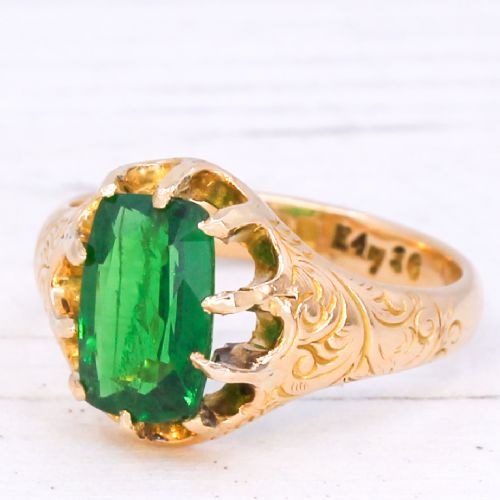
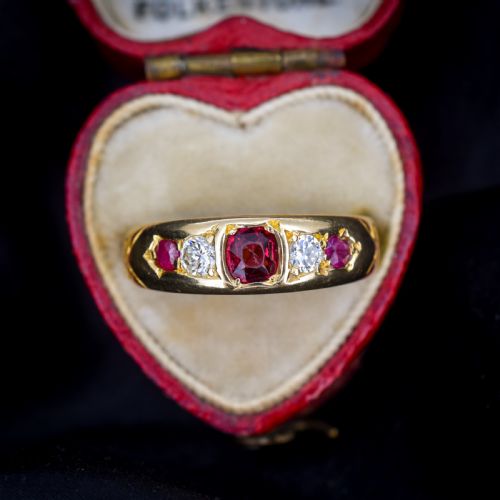
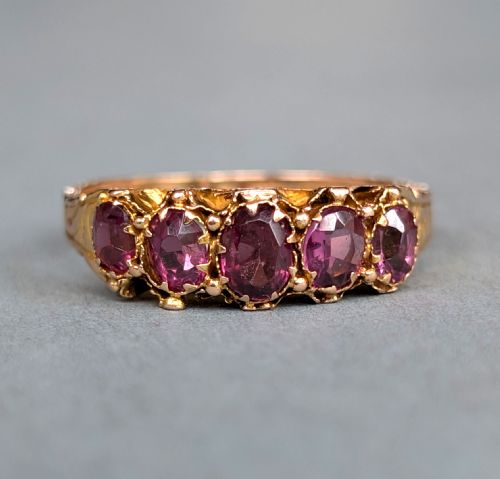
An edwardian garnet ring brings deep crimson stones and delicate golden work together, offering the tactile charm collectors seek.

Edwardian Garnet Ring
An edwardian garnet ring is a finger ornament typically featuring red stones set alongside pearls or diamonds, representing the delicate aesthetic of the early twentieth century. These pieces emerge in various forms, from simple gold bands to intricate cluster and snake designs.
The materials recorded in these pieces include yellow gold, rose gold, and higher purity gold alongside garnets, seed pearls, and diamonds. Most examples date from the turn of the century up to the nineteen-tens, though related Victorian and mid-century items also appear.
Buyers will encounter cluster rings where a central garnet is surrounded by smaller gems, as well as coiled snake motifs holding cabochon or faceted stones. The metalwork often utilises slender shanks and detailed settings that characterise the period.
Materials and Construction
Goldsmiths of the period utilised nine-carat, fifteen-carat, and eighteen-carat gold, fashioned into yellow and rose tones to support the gemstones. Stones were secured using traditional claw and collet settings, sometimes augmented by platinum accents in later examples.
Edwardian Garnet Ring Retail Price Guide 2026
Typical asking prices for edwardian garnet ring among the pieces listed under this phrase on Sellingantiques today, from the lower quarter to the upper quarter. They describe what is for sale here now, not the wider market.
The listings show periods spanning from eighteen ninety through to nineteen sixty, with nineteen hundred representing the core Edwardian era.
Assessing Quality
The delicacy of the gold wirework and the symmetry of the cluster arrangements reveal the maker's skill. Well-preserved original claws and robust shank construction indicate superior craftsmanship that has endured through decades of wear.
The Edwardian Garnet Ring Glossary
- Almandine garnet
- A dense red variety of garnet showing deep crimson tones. It forms the primary gemstone in many antique cluster rings.
- Cabochon
- A gemstone cut with a smooth, convex surface rather than faceted edges. This style highlights the natural depth of the garnet without angular reflections.
- Seed pearl
- A very small natural or cultured pearl used in clusters around a central stone. These tiny pearls add a soft white contrast to the deep red garnets.
- Trefoil
- An ornamental design arranged in the form of three overlapping leaves or rings. This motif frequently frames stones in period cluster rings.
Edwardian Garnet Ring: Frequently Asked Questions
How do I care for my ring?
Clean the piece gently using a soft cloth and lukewarm soapy water, avoiding harsh chemical dips that might damage softer pearls or stones. Store the ring in a separate fabric pouch to prevent scratching against other jewellery.
Because antique settings can be delicate, remove the ring before engaging in heavy manual work or gardening. Regular checks by a jeweller will ensure the claws remain secure.
Are these rings suitable for daily wear?
Many people wear these antique pieces every day, provided they treat the delicate gold settings and seed pearls with care. Rings featuring soft stones or slender shanks benefit from occasional rest to preserve their structure.
Checking the security of the garnet and surrounding diamonds annually prevents accidental loss. Modern lifestyles require mindfulness regarding water exposure and impacts.
How can I tell the period?
Examine the metal purity marks, the style of the stone cutting, and the overall design motifs such as snake coils or clustered frames. Hallmarks and maker's marks stamped inside the shank often provide specific clues to the date of manufacture.
Old-cut diamonds and natural seed pearls point towards the turn of the twentieth century. Stylistic comparisons with documented pieces help confirm the era.