
Red Gemstone Cluster Ring
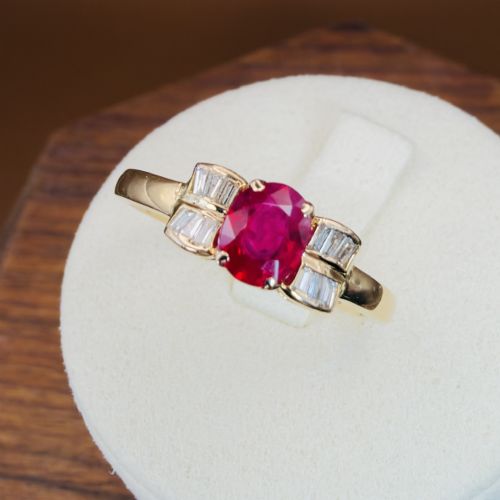
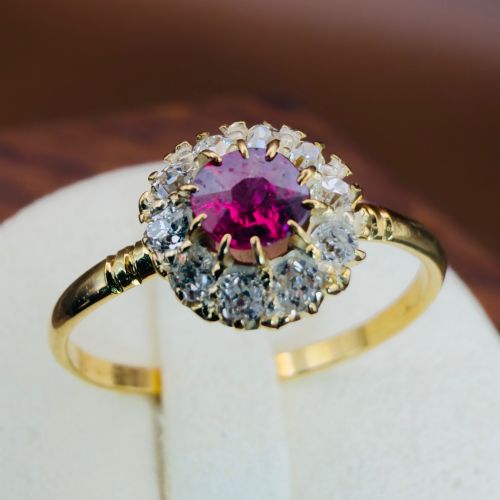
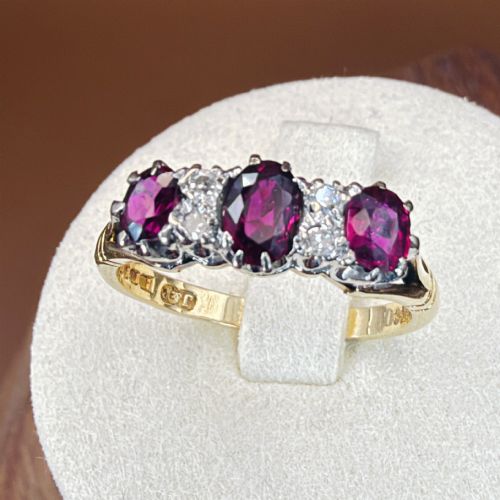
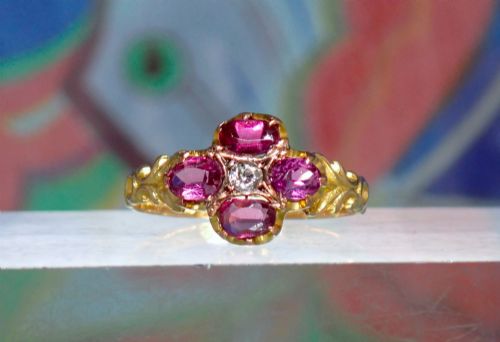
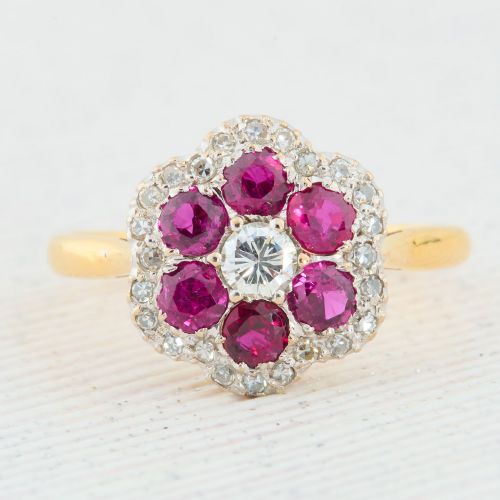
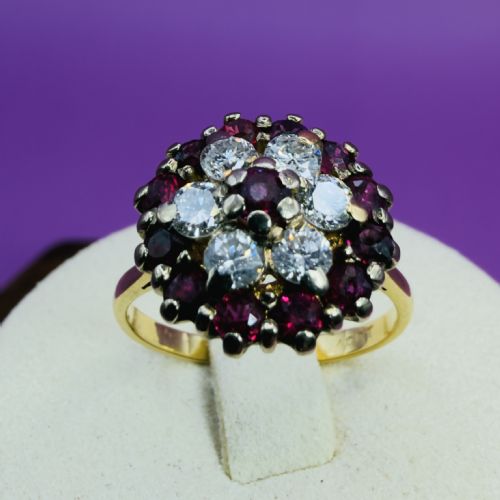
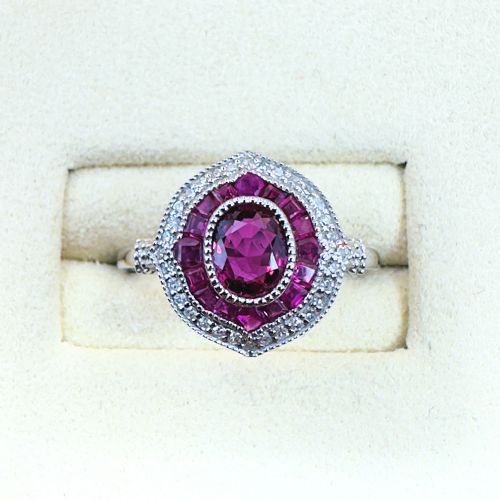
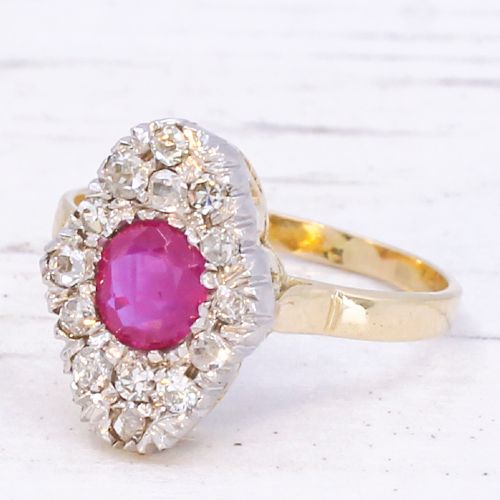
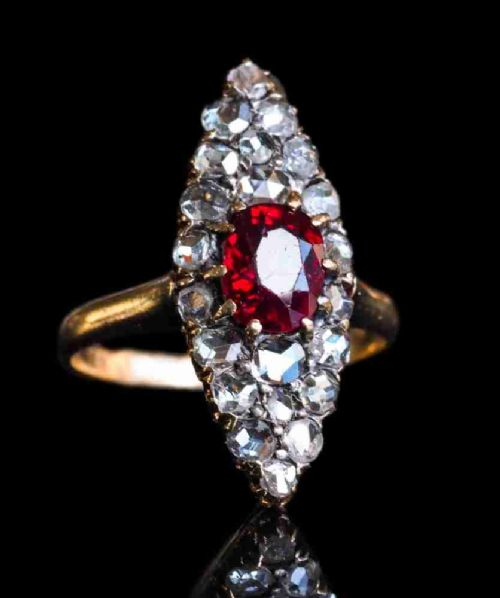
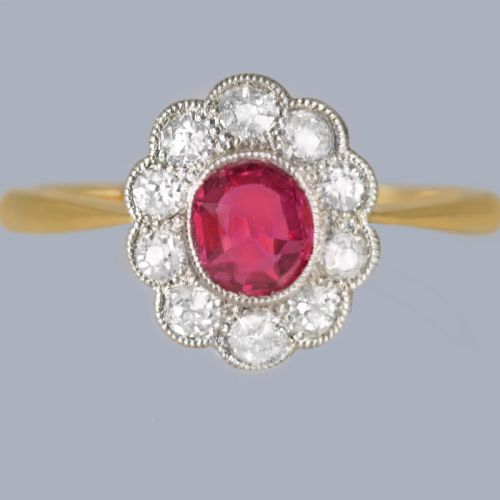
A red gemstone cluster ring brings together central crimson stones and surrounding diamond frames across Victorian, Edwardian and Art Deco designs.
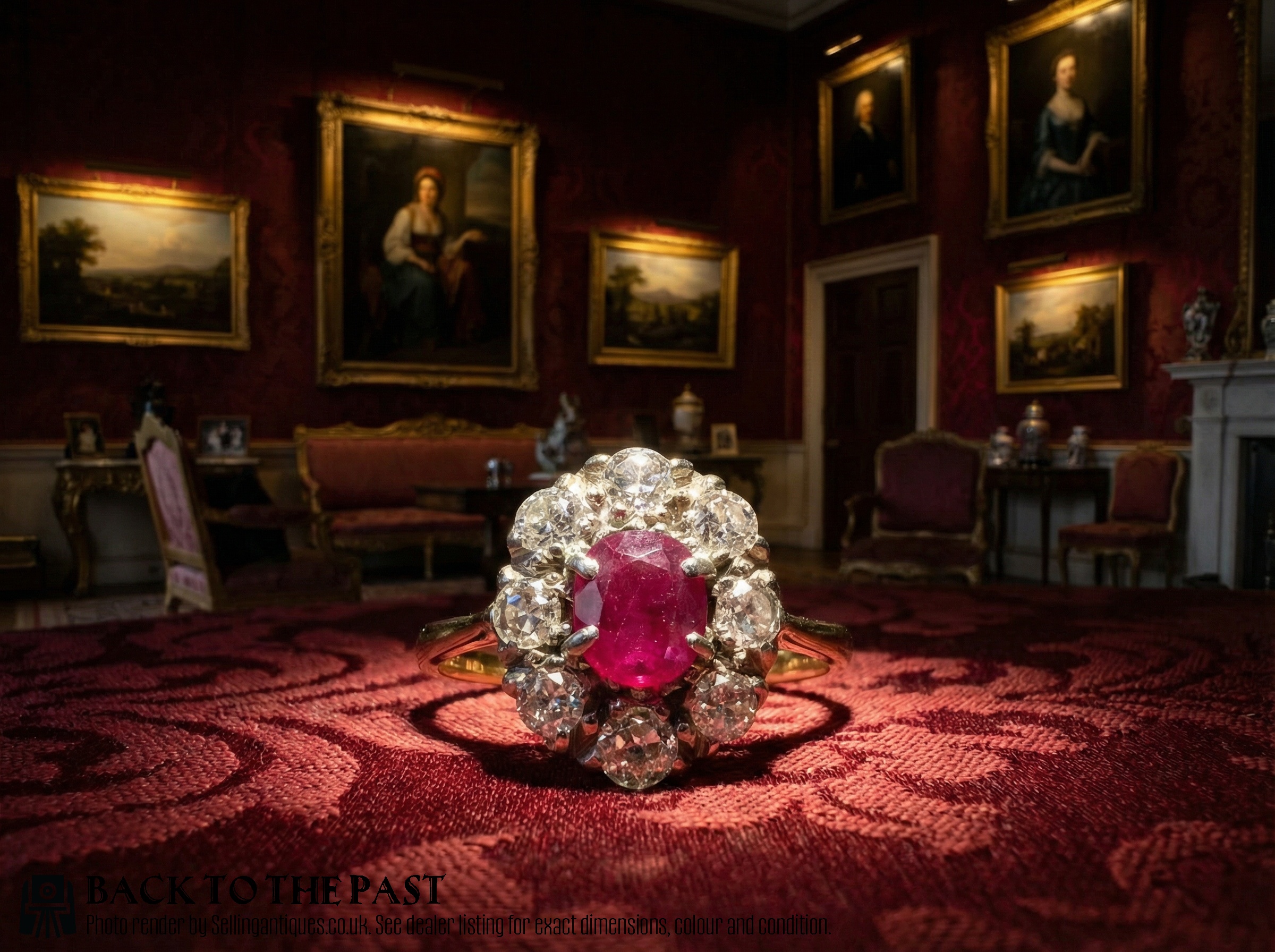
Red Gemstone Cluster Ring
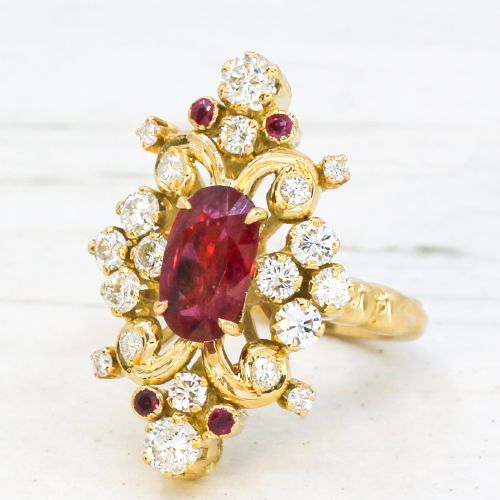
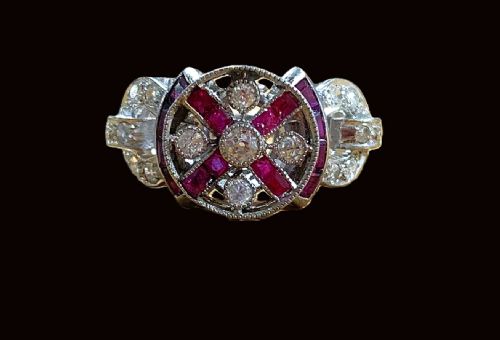
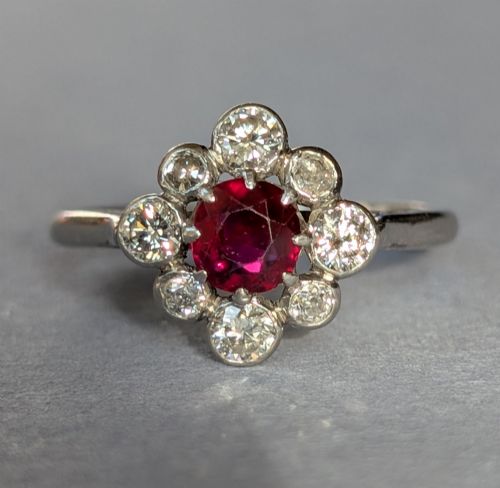
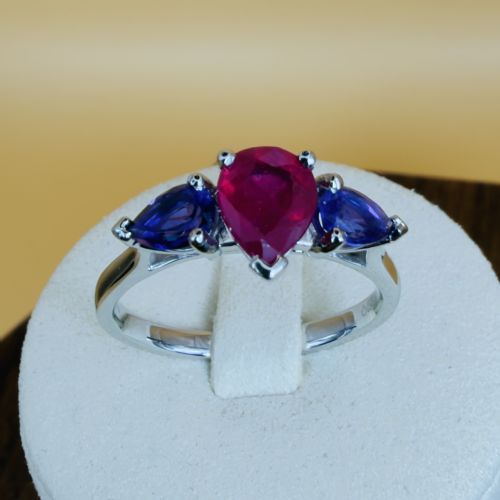
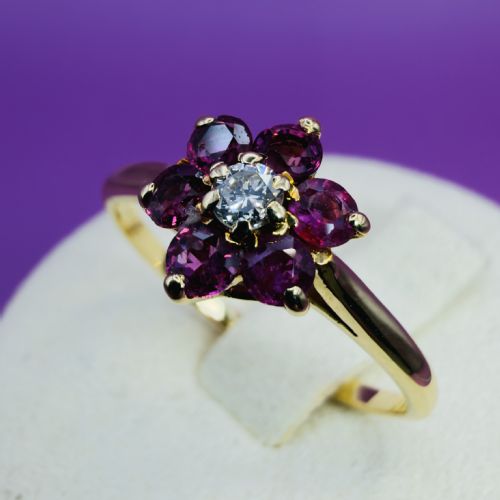
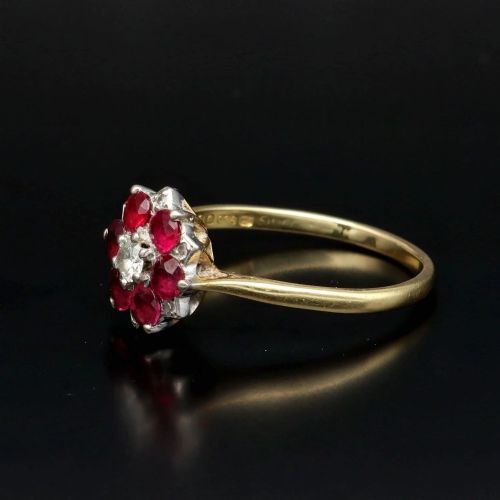
A red gemstone cluster ring gathers a central ruby, garnet or coral within a tight border of supporting diamonds or seed pearls. These pieces follow historical patterns ranging from nineteenth-century Victorian designs to twentieth-century Art Deco creations.
The version most commonly met on this page uses a rich red ruby or garnet mounted in yellow gold, white gold or platinum. Many specimens employ floral, daisy, halo or navette arrangements to frame the primary red stone.
Makers set these stones into structured geometric shapes or organic petal formations that draw the eye directly to the central gem. Buyers search for this phrase to secure a piece carrying a distinct period character alongside bright crimson colour.
How they were made
Craftsmen utilised precious metals including platinum, 18ct yellow gold, 18ct white gold and occasionally silver to form the foundations of these rings. Gems were secured using claw settings, bezels or flush mounts designed to showcase the clarity and saturation of the stones.
Jewellers shaped diamonds into old cuts, brilliant cuts, baguette cuts and pear cuts to surround the primary red gemstones. The structural metalwork often incorporates intricate gallery wire, pierced baskets or heavy solid shanks typical of period workshops.
Red Gemstone Cluster Ring Retail Price Guide 2026
Typical asking prices for red gemstone cluster ring among the pieces listed under this phrase on Sellingantiques today, from the lower quarter to the upper quarter. They describe what is for sale here now, not the wider market.
Materials recorded on this page include platinum, silver, 9ct gold, 15ct gold, 18ct yellow gold and 18ct white gold.
What varies in quality
The overall standard depends heavily on the natural origin, thermal treatment status and saturation of the central red gemstone. Burmese rubies and deep almandine garnets demonstrate distinct regional qualities that influence the character of the piece.
Execution of the surrounding diamond work and the weight of the precious metal mount dictate the refinement of the ring. Heavier gold or platinum shanks and well-matched diamond halos distinguish the finest examples from simpler dress rings.
The Red Gemstone Cluster Ring Glossary
- Cluster ring
- A ring featuring a central stone encircled by a group of smaller gemstones, usually diamonds. This arrangement maximises visual impact and light reflection.
- Navette
- A boat-shaped gemstone setting that tapers to sharp points at either end. This elongated style flatters the finger and was favoured during the Victorian and Art Deco periods.
- Halo
- A concentric ring of smaller pavé-set or claw-set diamonds surrounding a larger central gemstone. The halo design enhances the perceived size and brilliance of the main stone.
- Almandine garnet
- A dense red gemstone belonging to the garnet group, known for its deep crimson or brownish-red hue. It appears frequently in antique Victorian jewellery.
- Old cut
- A hand-faceted diamond cut predating the modern brilliant cut, featuring a smaller table and higher crown. These stones exhibit a soft candlelight sparkle distinctive to antique pieces.
Red Gemstone Cluster Ring: Frequently Asked Questions
How do I wear a cluster ring safely?
Pair your ring with a plain band to prevent friction damage between settings, or wear it alone on the hand.
Remove the piece during heavy manual work or swimming to protect the claws holding the central red gemstone.
What is the difference between ruby and garnet?
Rubies are a variety of corundum and rate extremely high on the Mohs hardness scale, making them durable for daily wear.
Garnets are softer silicate minerals displaying deep red tones that were widely utilised in nineteenth-century antique jewellery.
How do I date an antique ring?
Examine the metal purity hallmarks, gemstone cutting styles and overall structural design to determine the period of origin.
Victorian pieces often feature heavy yellow gold shanks, whilst Art Deco examples favour geometric platinum settings.
Are these rubies treated?
Many vintage and antique rubies are completely natural and unheated, whilst others carry historical or modern gemmological certificates documenting their origin.
Consult individual listings for specific laboratory reports detailing the treatment status of the primary stone.