


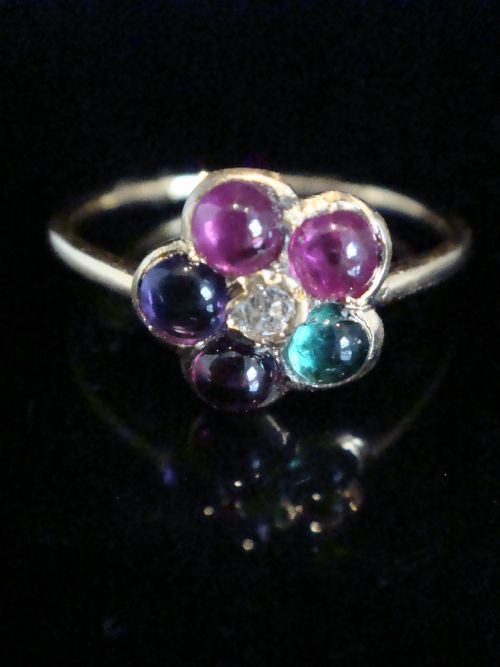
Victorian Garnet Ring
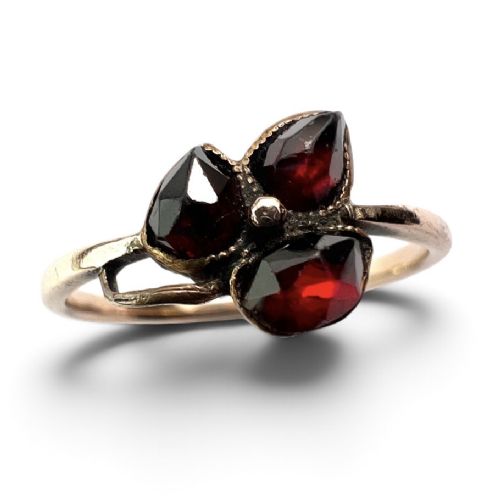
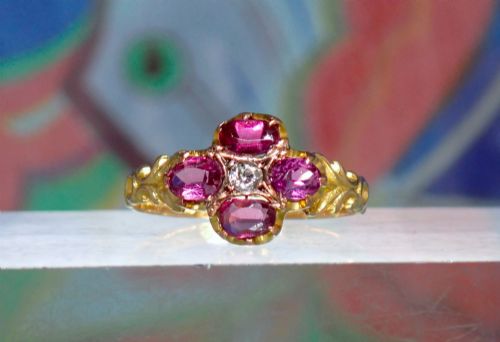
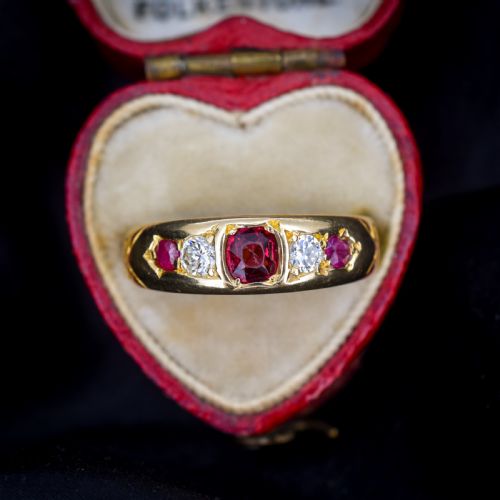
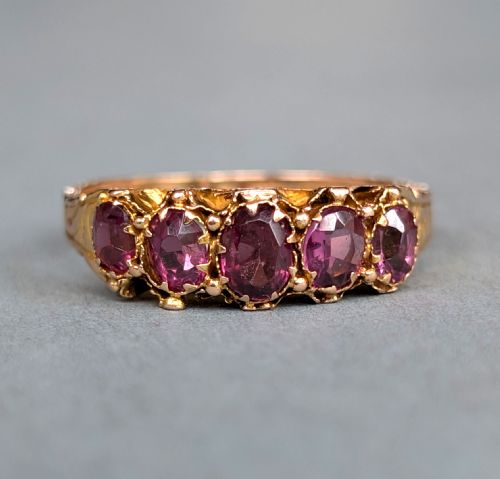
A victorian garnet ring brings deep red fire to the hand, set in yellow gold through cluster, flower and cluster formations.
Victorian Garnet Ring
A victorian garnet ring appears in forms that range from simple clusters to elaborate flower designs and multi-stone arrangements. Buyers seek this phrase for authentic nineteenth-century craftsmanship, where deep red stones dominate the finger.
The pieces on this page most often feature gold bands paired with rich red garnets, frequently accented by pearls or diamonds. These designs reflect the distinct aesthetic priorities of the nineteenth century, balancing rich colour with intricate metalwork.
Materials and construction
Goldsmiths constructed these rings using nine carat, fifteen carat and eighteen carat gold to mount the garnets securely. Stones are shaped as cabochons, rose-cut facets or table cuts, held tightly by claws or set flush into heavy bezels.
Makers integrated supporting gems like seed pearls and diamonds into the gold settings to contrast with the dark red stones. Metalwork techniques include detailed wirework and cluster arrangements that maximise the visual impact of each garnet.
Victorian makers occasionally slipped tiny serpentine gold motifs into a ring band, letting a cold metal snake coil warmly around the finger.
Distinctions in quality
Quality rests on the depth of the garnet colour and the precision of the gold setting. Finer examples display stones with high clarity and rich saturation, mounted in higher purity gold such as fifteen or eighteen carat.
The complexity of the surrounding design dictates the upper tier of the range. Rings featuring meticulous secondary stones like natural pearls or targeted diamond accents separate standard production from exceptional jeweller work.
The Victorian Garnet Ring Glossary
- Cabochon
- A gemstone shaped and polished with a smooth, rounded surface rather than faceted edges. This cut highlights the deep, glowing interior of the garnet.
- Rose-cut
- A diamond or garnet cut with a flat base and a domed crown consisting of triangular facets. It produces a gentle, subtle shimmer rather than modern brilliance.
- Almandine
- A dark red variety of garnet rich in iron and aluminium. It supplies the deep crimson tones seen across many nineteenth-century jewels.
- Cluster
- An arrangement of smaller gemstones clustered tightly around a central stone. This technique creates a larger visual presence on the finger.
Victorian Garnet Ring: Frequently Asked Questions
How do I care for a victorian garnet ring?
Clean the ring gently using warm water and a soft brush, avoiding harsh chemical dips that damage soft gold settings. Store the piece separately to prevent the garnets from scratching adjacent items.
Inspect the claw settings periodically to ensure the stones remain secure within the gold mount. Professional checks help preserve the structural integrity of antique metalwork.
Are these rings suitable for daily wear?
Victorian rings require mindful handling because antique gold and delicate settings age over centuries of use. Remove the ring during heavy physical tasks to protect the stones and structure.
Lower carat gold offers more durability for regular wear, while intricate cluster designs benefit from occasional rest. Sensible care ensures the nineteenth-century mountings endure.
What gold purities appear in these rings?
The listings show gold purities ranging from nine carat up to eighteen carat yellow and rose gold. Each grade provides a distinct shade and weight to the mounting.
Higher carat golds offer a richer yellow tone, while lower carats provide additional hardness for supporting intricate stone arrangements. Hallmarks often confirm the exact metal standard.
How do I identify a victorian garnet ring?
Examine the cut of the stones, as rose-cut garnets and smooth cabochons point directly to nineteenth-century lapidary methods. Closed-back foils and high-domed settings also indicate period manufacture.
Look for handmade construction traits in the goldwork, such as hand-cut claws and integrated wire motifs. These manufacturing details separate genuine nineteenth-century pieces from later reproductions.