





Galle Floral Cameo Vase
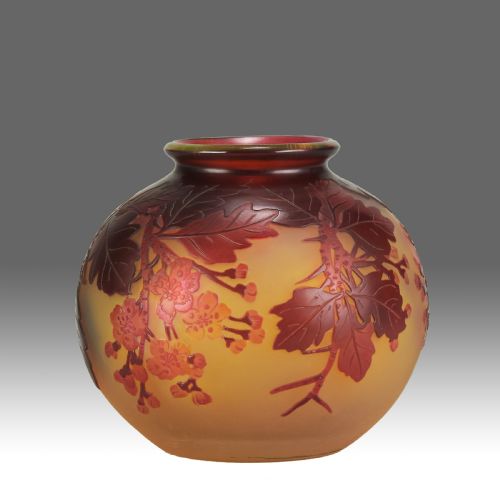
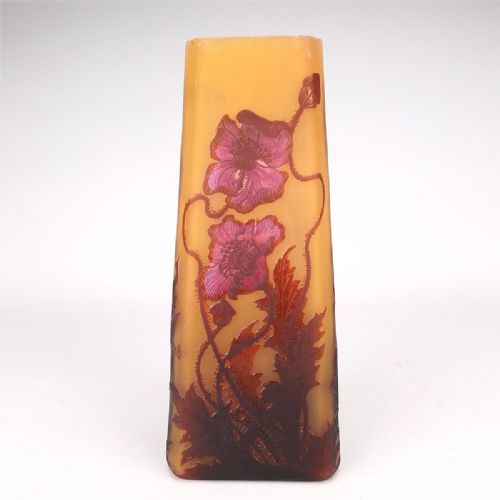
A galle floral cameo vase brings layered glass and botanical motifs to a room, capturing the spirit of Art Nouveau.
Galle Floral Cameo Vase
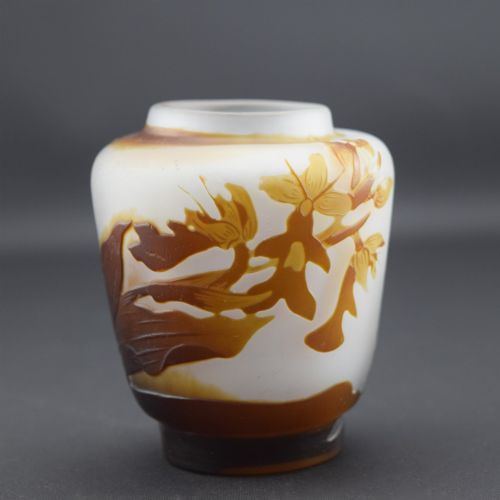
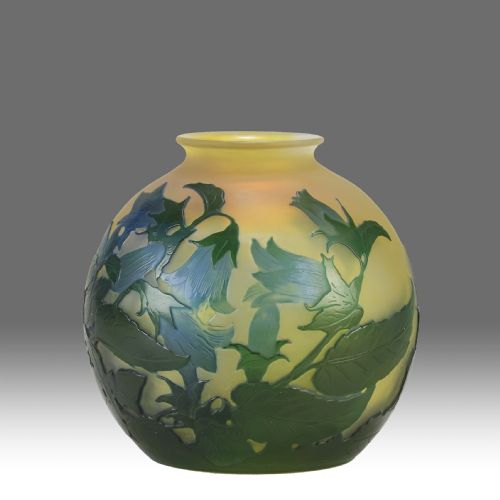
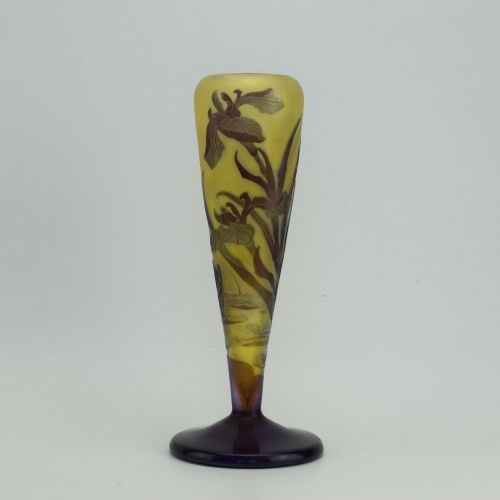
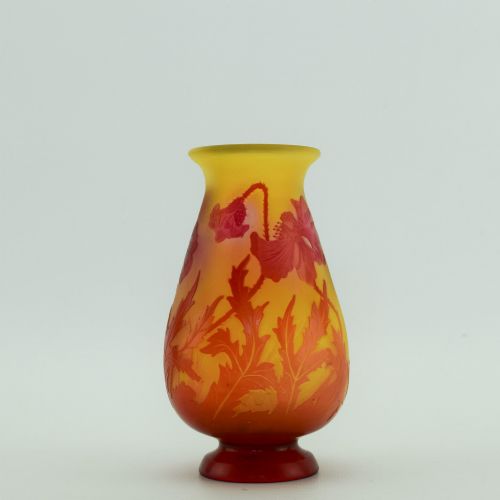
When you search for a galle floral cameo vase, you are looking at early 20th century French glassware created during the Art Nouveau period. These vases display botanical designs such as campanula, poppy, iris, cornflowers, apple blossom, honeysuckle, hydrangea, begonias, clematis, fern, and blue flowers. Most examples date from nineteen hundred to nineteen twenty, featuring distinct floral forms.
The pieces on this page span several decades of production, incorporating styles characteristic of Emile Gallé. You will encounter various vase shapes, including footed vessels, banjo vases, and large decorative formats. Each piece showcases the signature cameo technique applied to glass vessels.
How they were made
Makers utilised blown glass as the base, layering different colours of glass to build up the body before shaping the vessel. Frosted glass often served as a background to contrast with the coloured design elements.
Acid-etched glass techniques ate away the outer layers of glass to reveal the floral cameo patterns in relief. This chemical and mechanical removal allowed precise control over the depth and shade of the floral motifs.
Galle Floral Cameo Vase Retail Price Guide 2026
Typical asking prices for galle floral cameo vase among the pieces listed under this phrase on Sellingantiques today, from the lower quarter to the upper quarter. They describe what is for sale here now, not the wider market.
Clematis and hydrangeas share shelf space with ferns, proving glass plants require no watering at all.
What varies in quality
The clarity of the acid-etching defines the sharpness and relief of the floral details against the background. Deeper carving and more complex colour shading elevate the visual impact of the piece.
The complexity of the glass structure, such as blown or souffle variants, changes the character of the object. Larger formats and intricate botanical subjects demand greater technical skill from the maker.
Emile Gallé
The Galle Floral Cameo Vase Glossary
- Cameo Glass
- Glass vessels formed with multiple layers of contrasting colours, carved or etched to create a raised design. This technique requires precise control during the acid-etching process.
- Acid-Etched Glass
- Glass decorated by applying acid to eat away specific areas of the surface. It creates tactile depth and matte textures on the vessel.
- Frosted Glass
- Glass treated to have a textured, translucent appearance rather than a clear finish. It provides a soft background for coloured cameo motifs.
- Blown Glass
- Glass shaped by inflating molten glass using a blowpipe. This foundational method forms the primary vessel before decoration begins.
- Art Nouveau
- An international style of art and architecture prominent around nineteen hundred. It is characterised by intricate floral and plant-inspired motifs.
Galle Floral Cameo Vase: Frequently Asked Questions
What is a galle floral cameo vase?
It is an early 20th century glass vessel featuring botanical designs created through multi-layered acid-etching.
These pieces represent the Art Nouveau movement and display various floral subjects like clematis and iris.
How do I date these vases?
Most pieces date from nineteen hundred to nineteen twenty based on stylistic indicators and production methods.
Makers utilised specific glass layering and etching techniques during these decades to achieve distinct botanical reliefs.
Where were these pieces made?
These glass vessels originate from France during the height of the Art Nouveau period.
French workshops produced them using blown and acid-etched glass techniques.
How should I display them?
Place them where natural light can pass through the frosted and coloured glass layers.
Their botanical forms suit rooms furnished with complementary period antiques.