


Full Length Portrait
A full length portrait captures a subject from head to toe, offering a complete view of posture, costume and stance.
Full Length Portrait
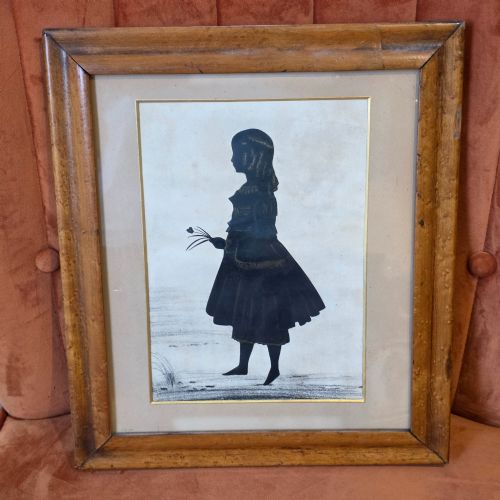
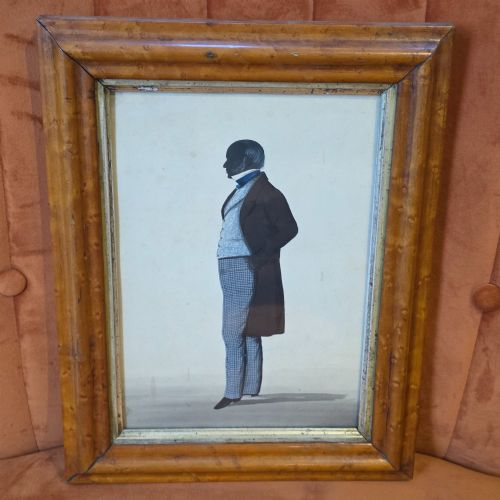
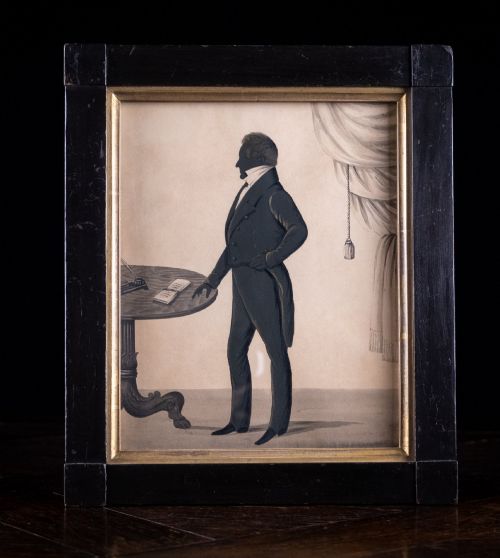
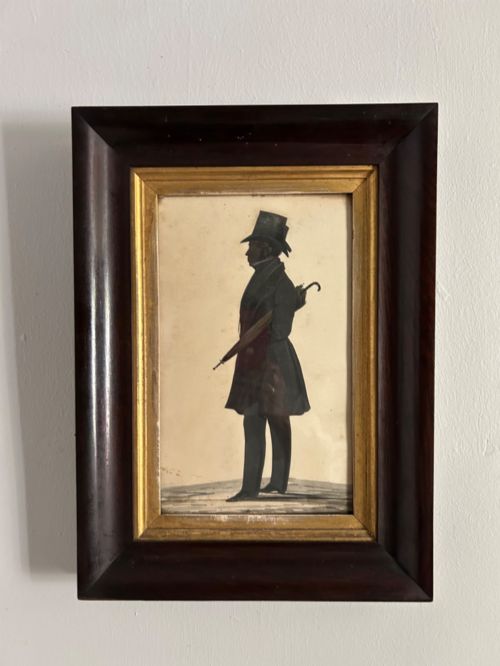
A full length portrait depicts the entire figure of a subject rather than just the head, bust or torso. These works range from grand oils on canvas to delicate cut-paper silhouettes.
The versions most commonly met on this page span the eighteenth, nineteenth and early twentieth centuries. They encompass oil paintings, framed wall art and intricate paper silhouettes mounted in gilt frames.
Subjects include gentlemen, elegant ladies, military figures and historical personalities, rendered in styles stretching from Regency and Victorian realism to Elizabethan and Dutch Golden Age revivals.
Materials and techniques
Many works utilise oil paint applied to canvas, often framed in gilt wood to highlight the scale and presence of the composition. Paper and ink appear frequently in silhouette works.
Silhouettes employ hand-cut paper and watercolour, sometimes enhanced with gold leaf to delineate costume details and accessories. Frames incorporate glass for protection and wood for structural support.
Several subjects wear striking blue coats, bonnets or military uniforms, ensuring the figures retain their nineteenth-century flair.
Distinctions in quality
Quality rests upon the precision of the handwork and the fidelity of the proportions across the entire standing figure. In painted works, handling of fabric, facial expression and depth set the finest examples apart.
For paper works, the crispness of the cutting and the delicacy of any added ink or watercolour details define the upper tier. The preservation of the original framing materials also influences the standing of a piece.
Augustin Edouart·Philip Mercier·Edward Alcock·William Salter·Thomas Gainsborough
The Full Length Portrait Glossary
- Silhouette
- A portrait represented as a solid shape of a single colour, usually black, showing the profile or full figure. These were typically cut from paper or painted onto card.
- Gilt frame
- A wooden frame coated with gold leaf or metallic paint. Such frames provide decorative borders suited to grand oil paintings and fine silhouettes.
- Canvas
- A heavy woven fabric used as a surface for oil painting. It is stretched over a wooden frame to support the pigment.
- Charcoal
- A form of dry carbon used for sketching and drawing. It produces dark, velvety marks on paper surfaces.
Full Length Portrait: Frequently Asked Questions
What is a full length portrait?
A full length portrait is an artwork showing the human subject entirely from head to toe. This format reveals posture, gesture and complete costume.
Examples on this page include both oil paintings on canvas and delicate hand-cut paper silhouettes.
How were silhouettes made?
Silhouettes were produced by cutting paper with small scissors or knives to form the likeness of a subject. Artists sometimes added ink or watercolour highlights.
Many fine examples were then mounted against contrasting backgrounds and placed within protective frames.
How should I hang these works?
These vertical compositions require adequate wall height to display the full figure properly. Placing them at eye level allows the viewer to appreciate the details of the subject's stance.
Keep them away from direct sunlight to protect painted surfaces and delicate paper silhouettes from fading.
How do I identify the period?
Dating relies on the style of clothing, hair and framing materials used in the piece. Regency, Victorian and eighteenth-century works each display distinct aesthetic conventions.
Signatures, inscriptions on the reverse and framing techniques also offer clues to the date of creation.