




British Historical Portrait
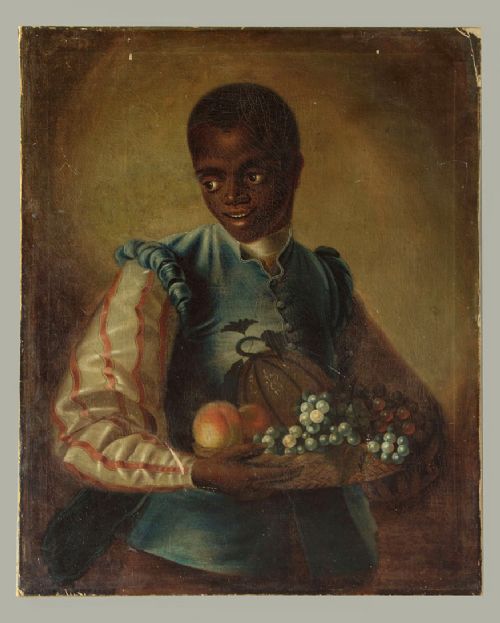
A british historical portrait captures centuries of notable figures, military officers, and nobility in oil on canvas and delicate miniature forms.
British Historical Portrait
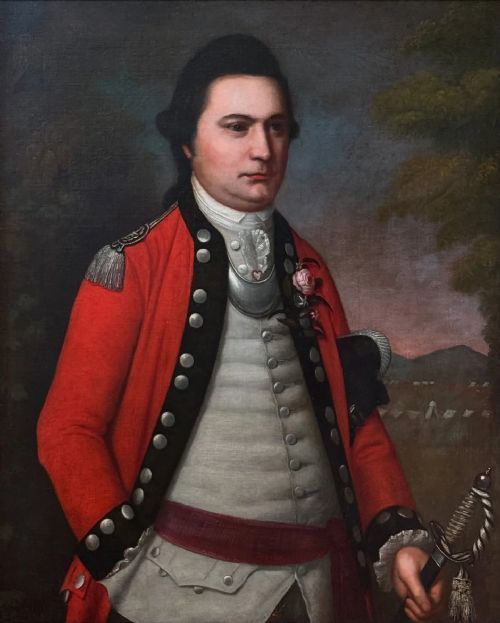
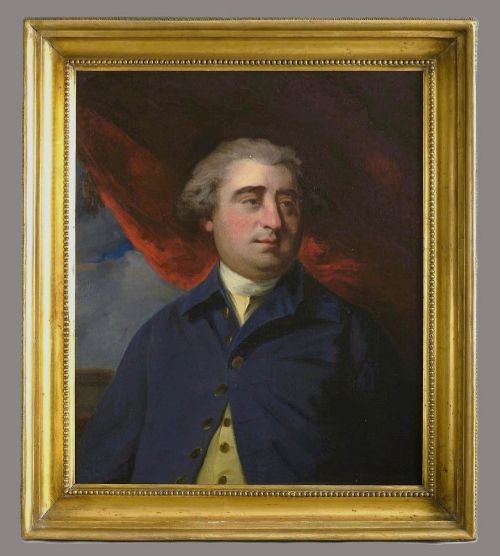
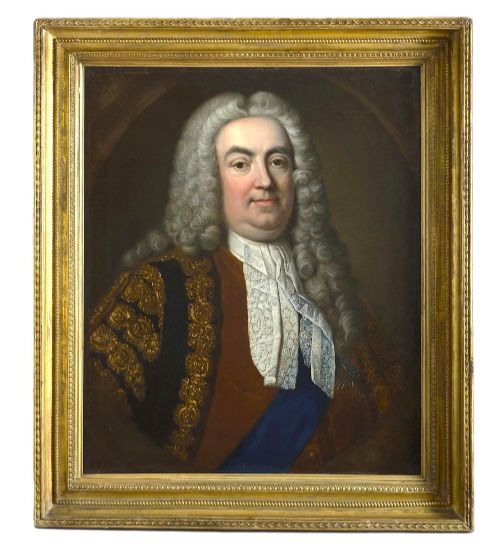
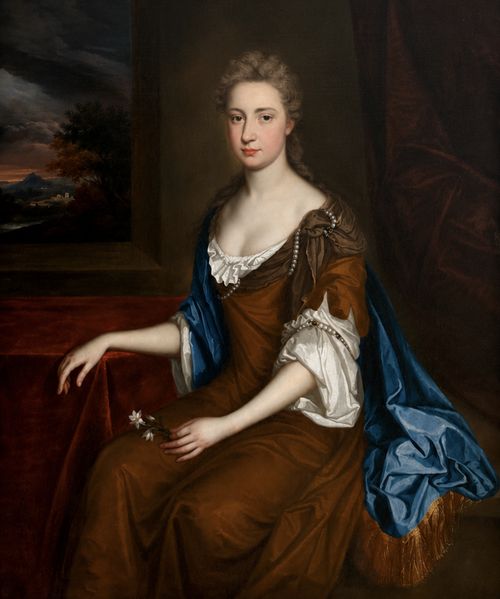
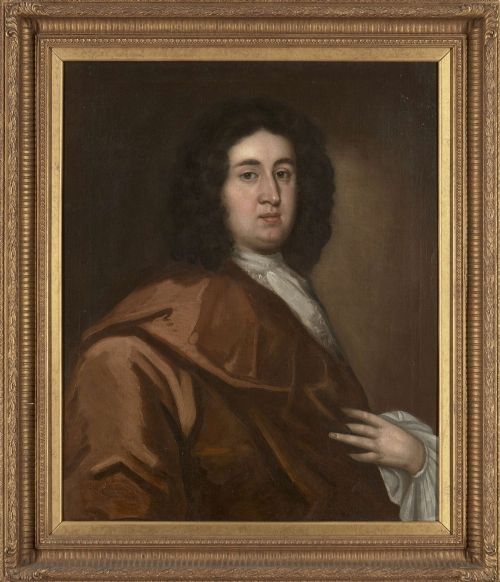
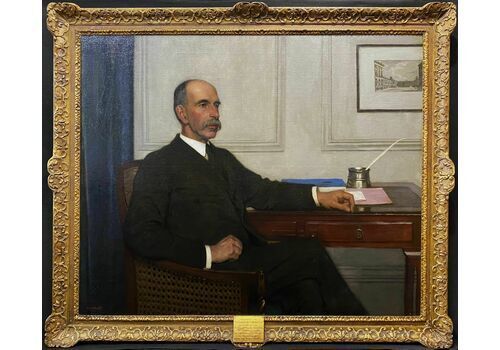
A british historical portrait brings together centuries of notable figures, military commanders, and nobility rendered in oil on canvas. Collectors encounter seventeenth-century court sitters, Georgian politicians, and Victorian military officers preserved within the selection.
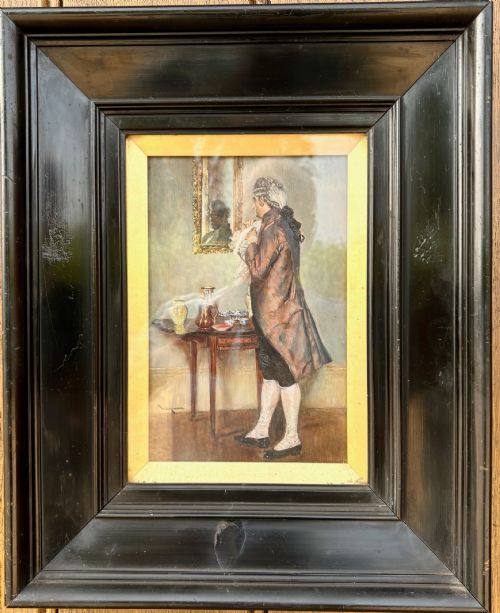
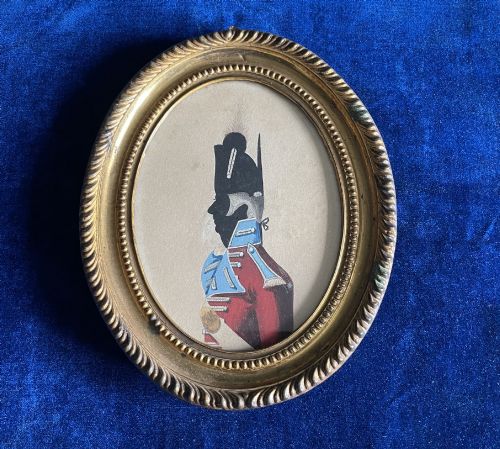
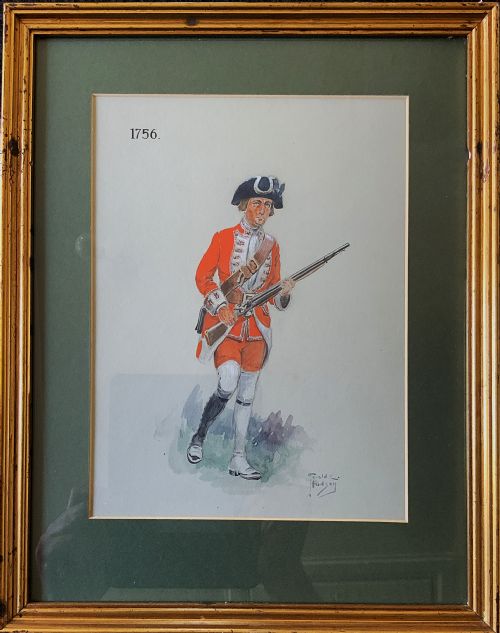
The works span media from large oil paintings to delicate watercolour miniatures and framed prints. Subjects range from aristocratic ladies in sumptuous attire to generals and statesmen associated with pivotal national events.
Pieces emerge from named studios, regional schools, and anonymous hands working across the seventeenth, eighteenth, and nineteenth centuries. Each canvas reflects the aesthetic priorities and social hierarchies of its specific period.
How they were made
Artists built these works using oil paint applied to stretched canvas or panel supports, often finishing compositions with layered glazes to achieve depth in drapery and flesh tones. Giltwood frames provided structural support and visual weight, accentuating the status of the sitter.
Studio workshops employed assistants to prepare grounds and paint secondary elements like backgrounds and clothing before the master applied the final touches to the face. This collaborative approach defined much of British portraiture production.
Gentlemen occasionally had their morning shaving rituals interrupted by unexpected marital disputes on canvas.
What varies in quality
The skill of the hand dictates the primary division in quality, separating fluid, anatomically assured brushwork from stiff, formulaic studio copies. Master portraitists captured individual psychology and convincing textures in lace and armour, whereas lesser hands produced static likenesses.
The distinction between a direct work from a recognised master's studio and a later follower's interpretation significantly influences the standing of a piece. Original seventeenth-century execution carries greater depth in pigment layering than subsequent revival interpretations.
Frame integration and overall preservation of the original paint surface contribute substantially to a piece's integrity. Canvases retaining their early stretchers and period giltwood frames maintain a stronger historical coherence.
John Smith·Thomas Murray·Stickland Lowry·Sir Joshua Reynolds·Thomas Beach·Jean Baptiste Van Loo·John Greenhill·John Closterman·Sir Allan Ramsay·William Jones of Bath·John Watkins Chapman·Cornelius Johnson·Harold Knight·Alfred Holst Tourrier·Thomas Gainsborough·William Robert Dickinson·Mary Beale·Ernest Crofts·Robert Frampton·Rolinda Sharples·Sir Thomas Lawrence·George Hayter·Francis Russell Flint
The British Historical Portrait Glossary
- Mezzotint
- A printmaking process where the copper plate is roughened to achieve rich dark tones and subtle gradations of light. This technique gained popularity for reproducing famous oil paintings.
- Studio of
- A designation indicating the work was produced under the direct supervision of a master artist, often incorporating assistance from workshop pupils. These pieces reflect the style and standards of the primary painter.
- Giltwood
- Timber that has been carved and coated with a thin layer of gold leaf or gilt pigment. It frequently surrounds historical oil paintings to enhance their visual prominence.
- Portrait miniature
- A small-scale painting executed with high precision on materials like vellum, paper, or ivory. These intimate items were often housed in protective cases or lockets.
- Provincial school
- Art produced by regional practitioners outside major metropolitan centres. These works often display distinct local characteristics and unpretentious charm.
British Historical Portrait: Frequently Asked Questions
What is a british historical portrait?
A british historical portrait is a painted or printed likeness of a notable figure from Britain's past, created to record their appearance and status.
These works range from seventeenth-century nobility in armour to Victorian military commanders and statesmen.
How were these portraits displayed?
Historical portraits traditionally hung in country houses, institutional halls, and private drawing rooms to project family lineage and civic authority.
Today, collectors place them in period interiors and study spaces where their gilt frames complement traditional decor.
How do I date an antique portrait?
Stylistic clues such as costume, lace collars, uniform insignia, and periwigs provide the most reliable indicators of a portrait's creation period.
Frame design and inscriptions on the reverse or stretcher bars also offer vital evidence for dating.
What is the difference between an oil and a miniature?
Oil portraits are typically executed on large canvas or panel supports designed for prominent wall display in public or private rooms.
Miniatures are intimate, portable works on paper or ivory meant for close inspection and personal keeping.