
Fruit Still Life Painting
Fruit still life painting captures natural abundance on canvas, offering enduring visual richness for any room.
What They Are
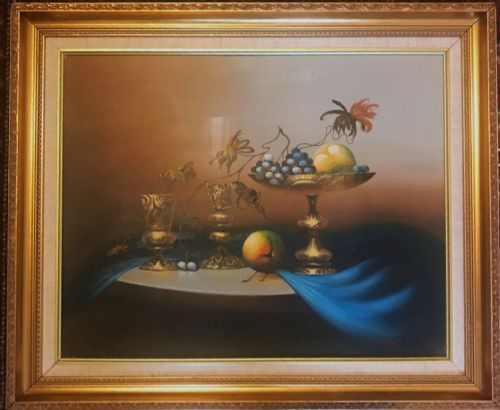
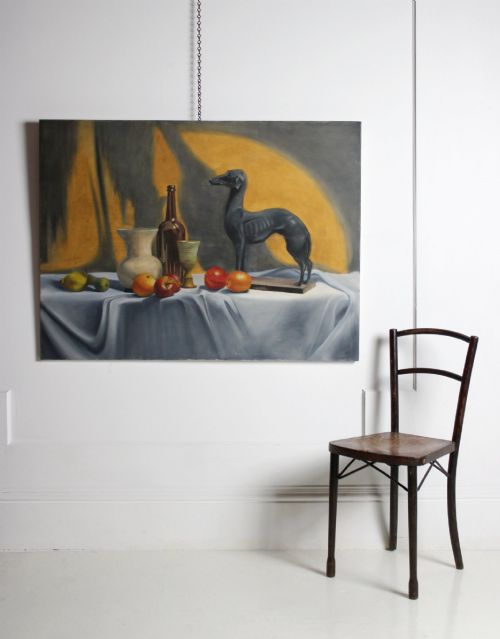
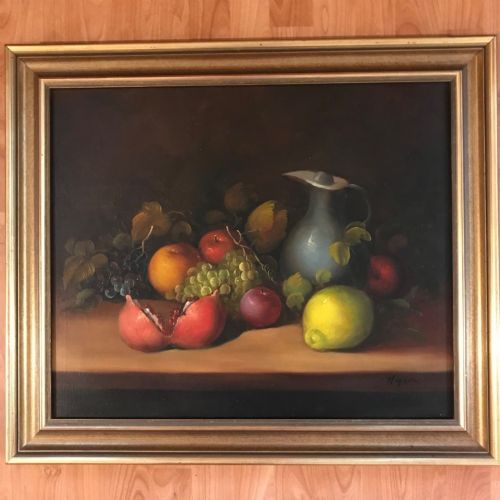
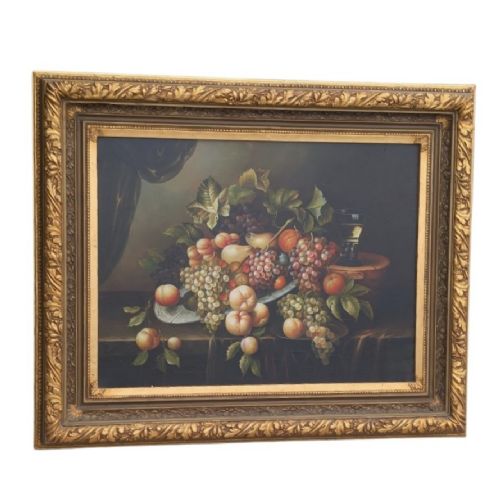
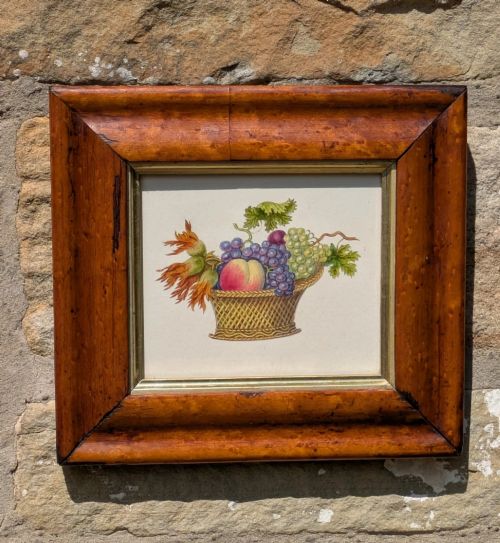
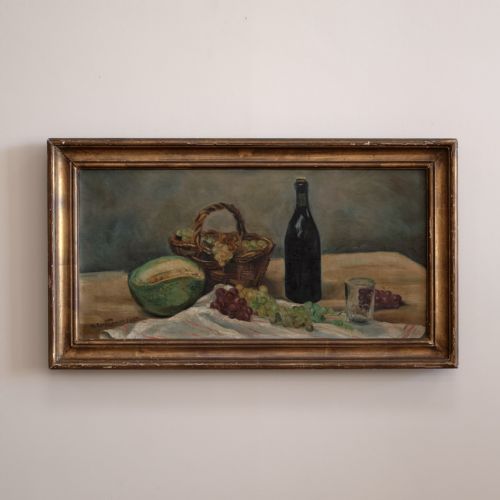
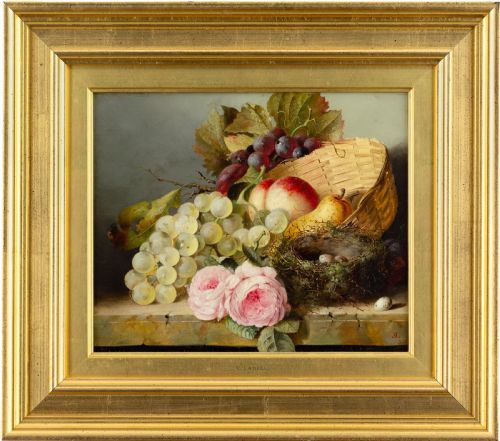
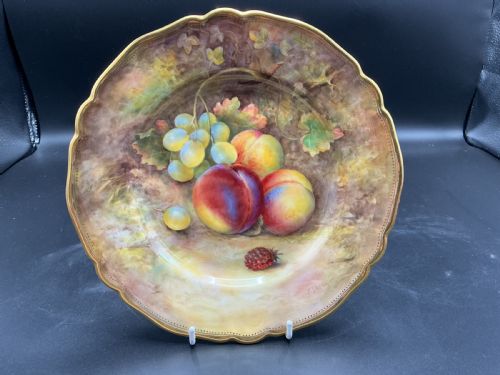
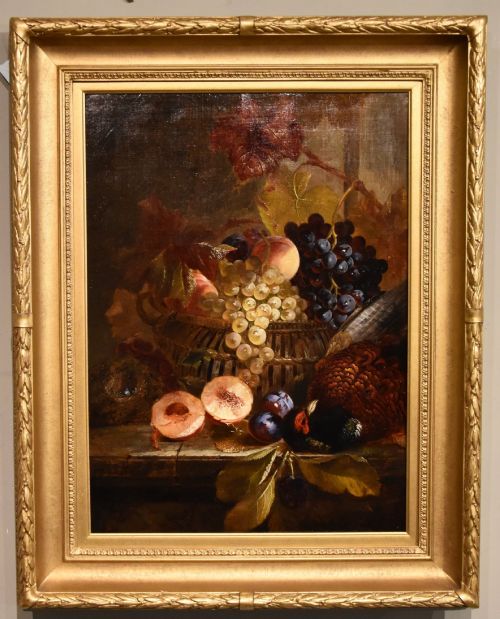
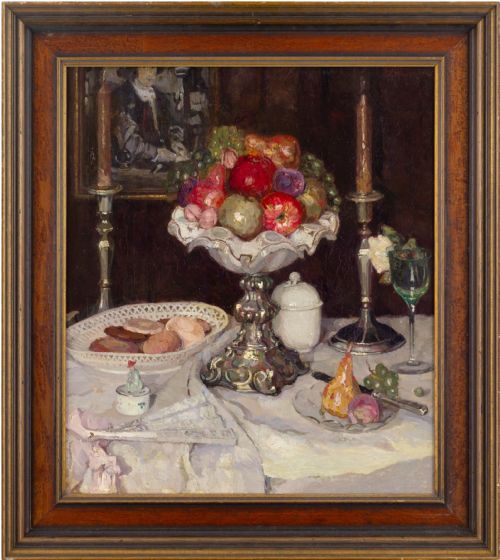
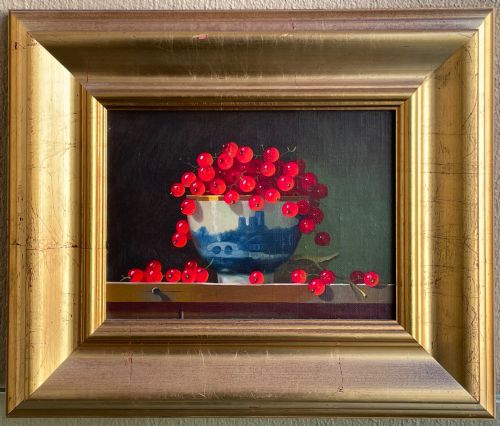
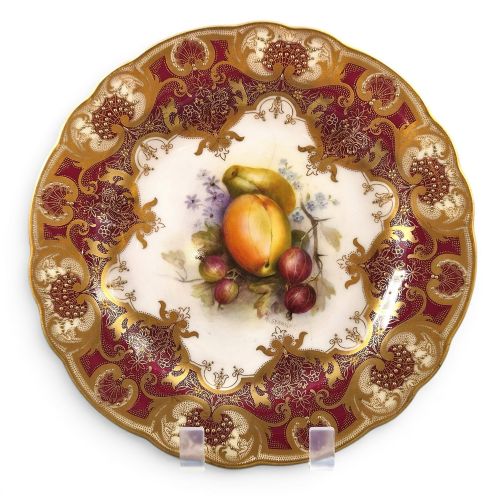
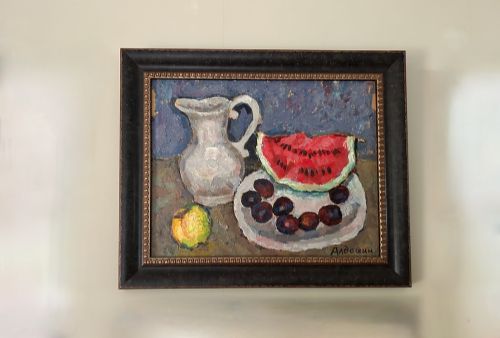
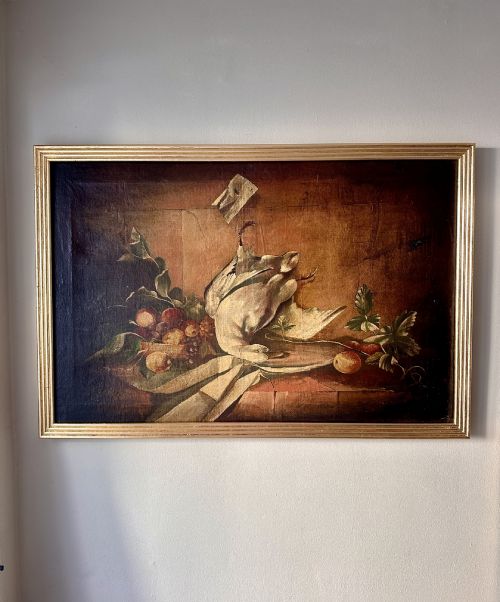
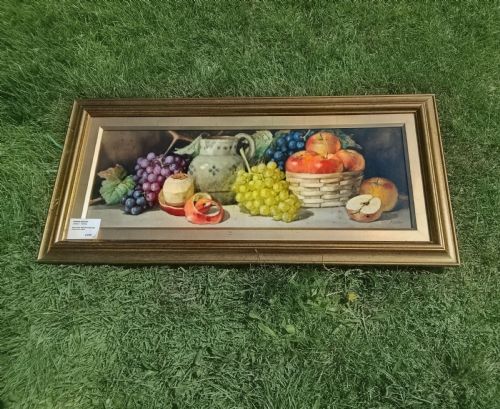
A fruit still life painting depicts arranged subjects such as apples, grapes, plums, and pineapples, often accompanied by flowers, jugs, or glassware. These works span centuries of European and British artistry, reflecting both classical realism and mid-century interpretations.
The pieces available on this page most frequently include oil paintings executed on canvas or wood panel, originating from the nineteenth and twentieth centuries. Buyers encounter compositions that range from intimate tabletop studies to large decorative canvases.
Schools of painting represented across these collections include Dutch Master style, Victorian realism, and continental European works. Each piece preserves a domestic or fantastical arrangement of produce frozen in time.
How They Were Made
Artists applied oil paint to stretched canvas, wooden panels, board, or milk glass, utilising brushes to build up layers of colour and texture. Some works incorporate impasto techniques to give tactile depth to fruit skins and foliage.
Completed artworks were commonly housed in wooden frames embellished with gesso, gold leaf, and gilt details. Decorative framing often enhances the visual weight of the central canvas.
Retail Price Guide 2026
Typical UK retail prices for fruit still life painting, calculated from the Sellingantiques database of over a million retail prices indexed since 2003. This retail price guide relies exclusively on Sellingantiques data; no external sources or auction records are used, so the figures do not describe the wider market.
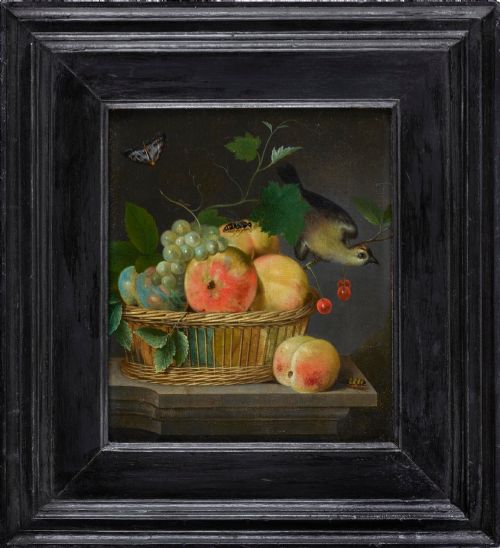
Certain late nineteenth-century canvases casually sneak a stray cat, dog, or busy beetle into the harvest feast.
What Varies in Quality
The distinction between standard works and exceptional examples lies in the precision of brushwork and the lifelike rendering of light upon reflective surfaces like glassware and fruit skins. Superior compositions balance tonal contrast and colour harmony with confident, deliberate strokes.
The preservation of the original paint layer and its surrounding gilt wood frame also contributes to the standing of a piece. Works that retain their original integration of canvas, pigments, and ornate housing command greater appreciation.
William Henry Ward·Edward Ladell·George Clare·Evelyn Chester
The Fruit Still Life Painting Glossary
- Canvas
- A heavy woven fabric stretched across a wooden frame to serve as a foundation for oil painting. It provides a durable and flexible support favoured by artists since the Renaissance.
- Gesso
- A plaster-like mixture applied to wood panels or frames as a base for gilding or painting. This white surface prepares the substrate for decorative finishes.
- Impasto
- A technique where paint is laid onto a canvas in very thick layers that stand out from the surface. This method adds a palpable physical dimension to the painted elements.
- Gilt
- A thin layer of gold or gold-like material applied to wood or gesso surfaces. It provides a decorative metallic sheen to frames and ornaments.
Frequently Asked Questions
What periods do these paintings come from?
The works span from seventeenth-century continental interpretations through to mid-century European compositions. Nineteenth-century Victorian pieces and twentieth-century examples also appear frequently.
This broad chronological range allows collectors to select works reflecting distinct historical artistic movements and regional schools.
How should I hang a framed oil painting?
Ensure the wall fixings match the weight of the wooden and gilt frames, which can be substantial. Position the work away from direct sunlight and fluctuating heat sources to protect the canvas and pigments.
Stable indoor conditions help preserve both the structural integrity of the wooden support and the stability of the oil paint layer.
What subjects accompany the fruit?
Common companion elements include cut flowers, wine glasses, jugs, baskets, and occasionally small animals or insects. These additions create narrative depth and compositional balance.
Artists used such objects to explore textures like woven wood, polished metal, and translucent glass alongside organic produce.
Are these paintings original works?
The selections comprise original hand-painted works created on canvas, wood panel, or board. Each piece represents an individual artist's direct application of oil paint.
Signatures appear on several examples, connecting specific historical creators and regional schools to their surviving output.