



Frosted Glass Vessel
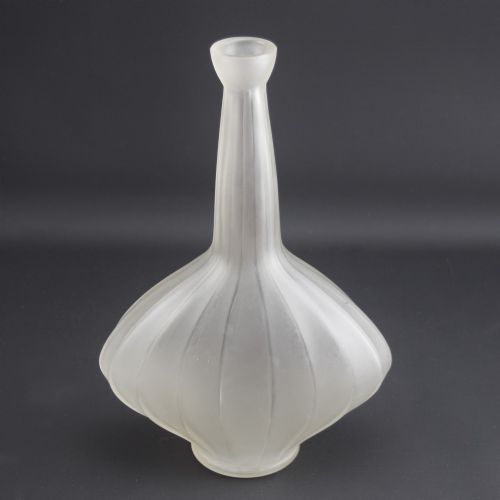
A frosted glass vessel brings tactile depth and sculptural weight to a room, turning simple light into a soft diffusion across botanical and geometric surfaces.
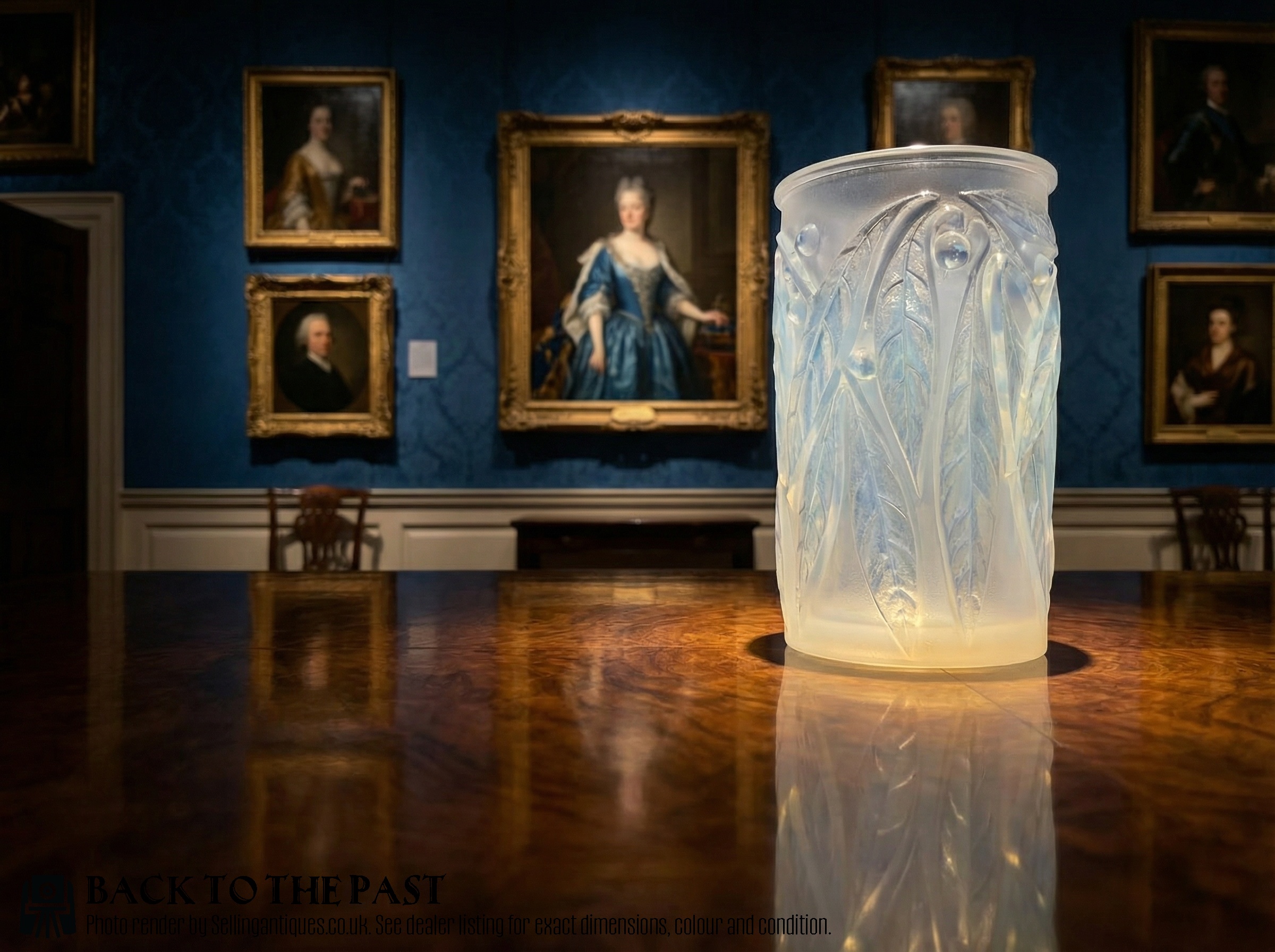
Frosted Glass Vessel
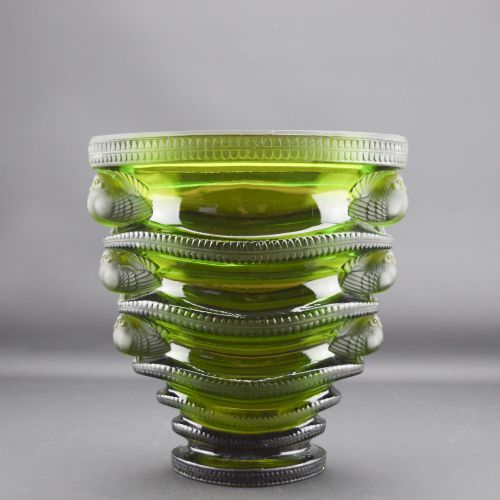
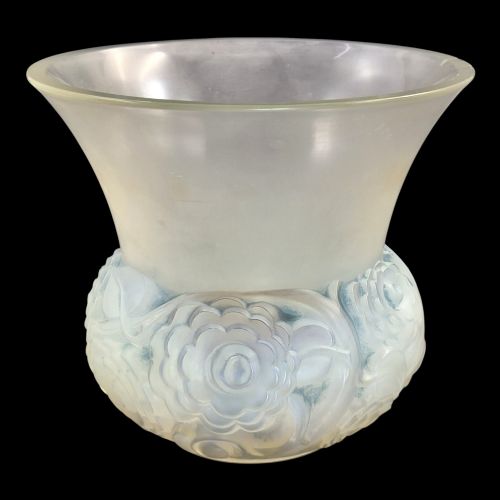
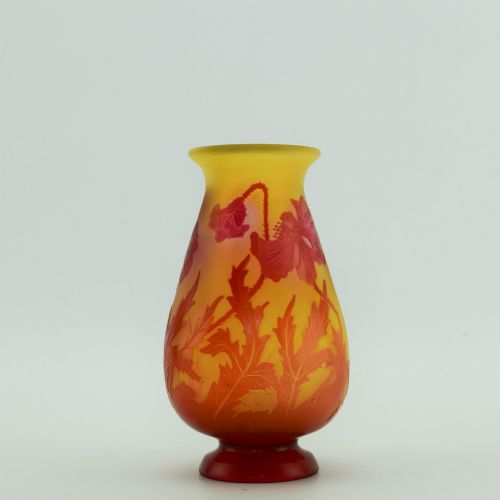
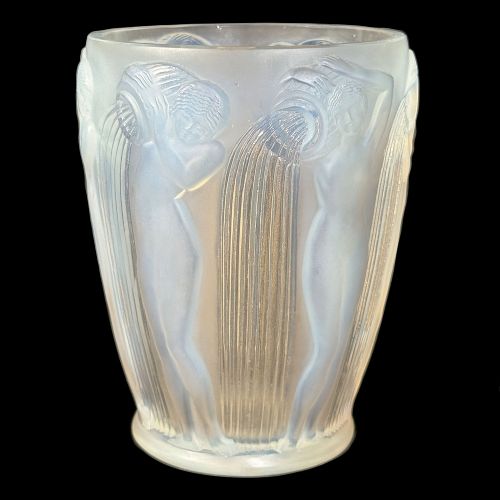
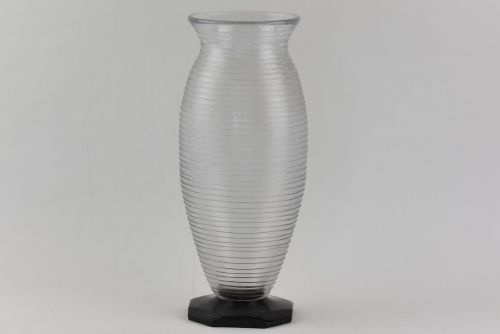
When you search for a frosted glass vessel, you encounter decorative objects designed primarily across the late nineteenth and early twentieth centuries. The selection centres heavily on French production, spanning the transition from organic Art Nouveau curves to clean Art Deco geometry.
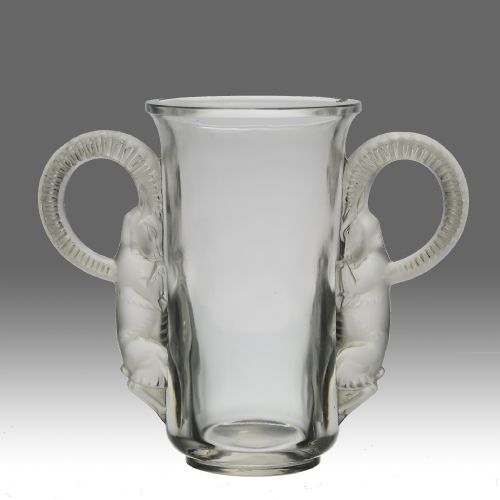
Vases dominate the available forms, accompanied by decanters, decorative bowls, and cigarette holders. These pieces utilise various treatments of translucency, ranging from gentle surface satinting to deep relief moulding.
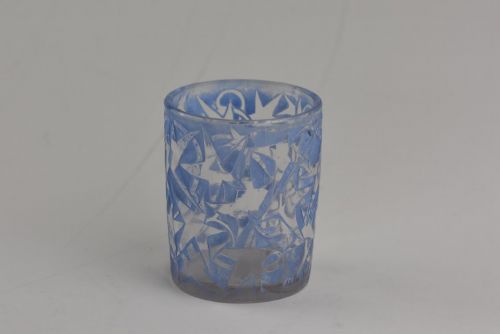
The aesthetic vocabulary draws heavily from nature and classical structure, presenting floral motifs, aquatic scenes, winter landscapes, and repeating geometric patterns. Most examples originate from prominent French glassworks and independent designers working between eighteen-ninety and nineteen-thirty.
Methods and materials in production
Makers achieved the characteristic matte surface of a frosted glass vessel through chemical treatment, most notably acid-etching, or by mechanical pressing in metal moulds. Opalescent and crystal glass bodies allowed light to catch the raised portions of a design while settling softly into the recessed areas.
Cameo glass pieces required multiple layers of coloured glass fused together before being carved or etched back by hand to reveal contrasting designs. Enamel work and staining were frequently added by hand to highlight specific botanical details or geometric borders.
Blow-out and souffle techniques pushed hot glass outward into rigid iron cages or moulds to create high-relief vessels with remarkably thin walls. These labour-intensive processes required precise temperature control to maintain structural integrity across complex sculptural forms.
Frosted Glass Vessel Retail Price Guide 2026
Typical asking prices for frosted glass vessel among the pieces listed under this phrase on Sellingantiques today, from the lower quarter to the upper quarter. They describe what is for sale here now, not the wider market.
Several cigarette holders join the lineup, proving that early twentieth-century smokers required their nicotine delivered via frosted French crystal.
Distinguishing tiers of craftsmanship
Quality in a frosted glass vessel lies in the crispness of the relief work and the subtlety of the surface finish. Superior pieces demonstrate meticulous hand-finishing that removes mould lines and softens transitions without losing the sharpness of the original design.
The interaction between light and the glass body separates standard production from exceptional work. Premium examples use opalescence, staining, or layered cameo glass to create a shifting play of colour and shadow that changes depending on the ambient light in the room.
Rene Lalique·Emile Galle·Daum Freres·Legras
The Frosted Glass Vessel Glossary
- Cameo glass
- A form of glass vessel created by fusing two or more distinct layers of colour and carving away the outer layer to form raised designs. This demanding technique creates strong contrasts between the background and the motif.
- Acid-etched glass
- Glass treated with hydrofluoric acid to eat away the surface and create a matte, frosted texture. This method allowed makers to replicate the effect of wheel-carving with greater speed and consistency.
- Opalescent glass
- Glass containing ingredients that scatter light to produce a milky, bluish glow when illuminated from the front and an amber tone from the back. It adds considerable visual depth to moulded relief vessels.
- Enamel
- Opaque glass paint applied to the surface of a vessel and fired in a kiln to bond permanently. It adds vibrant spots of colour to floral and geometric motifs.
- Moulded glass
- Glass shaped by pressing molten material into an iron or wooden die to produce repeating patterns and high-relief decoration. It allowed complex sculptural forms to be produced with uniform dimensions.
Frosted Glass Vessel: Frequently Asked Questions
How do I clean frosted glass safely?
Wash the vessel gently in lukewarm water using a mild, non-abrasive liquid soap. Avoid submerging mounted pieces or using harsh chemical cleaners that might strip delicate enamel highlights.
Dry the surface immediately with a soft, lint-free cloth to prevent water spots from settling into the textured pores of the frosted finish.
Where should I display my vessel?
Place your piece where natural light can pass through or across the frosted surface. Windowsills, open shelving, and illuminated cabinets allow the opalescence and relief details to stand out clearly.
Keep the vessel away from direct edges where heavy foot traffic or vibration might cause accidental knocks, particularly with taller vase forms.
How do I tell Art Nouveau from Art Deco?
Art Nouveau pieces feature flowing, asymmetrical lines inspired by plants, flowers, and natural water forms. You will often see iris, poppy, and aquatic motifs rendered with soft, undulating contours.
Art Deco works rely on strict symmetry, clean geometric lines, and stylized repetitions. These pieces embrace architectural shapes and modern industrial influences.
Are these vessels signed?
Many French production pieces bear signatures or factory marks etched, moulded, or enamelled directly onto the base or side. Signatures can appear as script names, initials, or stamped factory ciphers depending on the maker and period.
Unsigned pieces do occur, particularly where signatures were placed on removable bases or lost through wear over the decades.