




Frosted French Cameo Glass
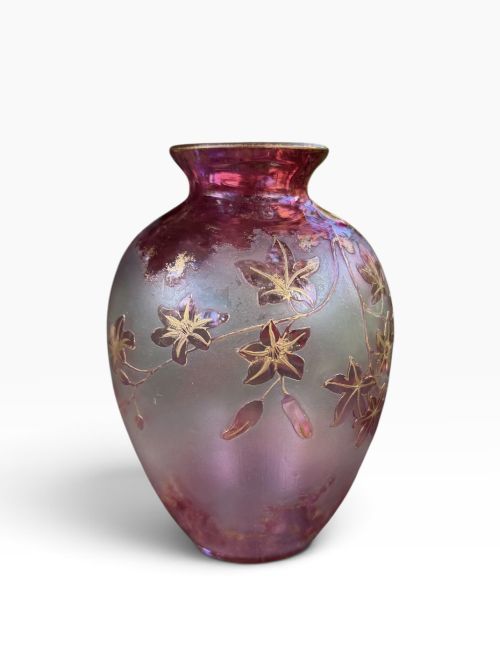
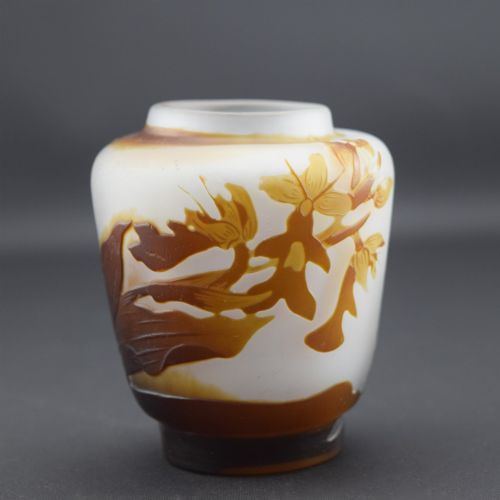
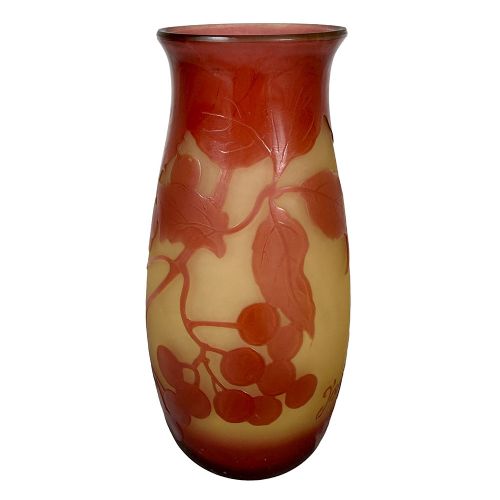
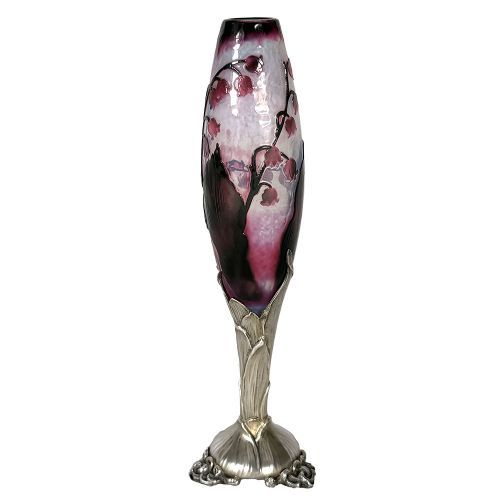
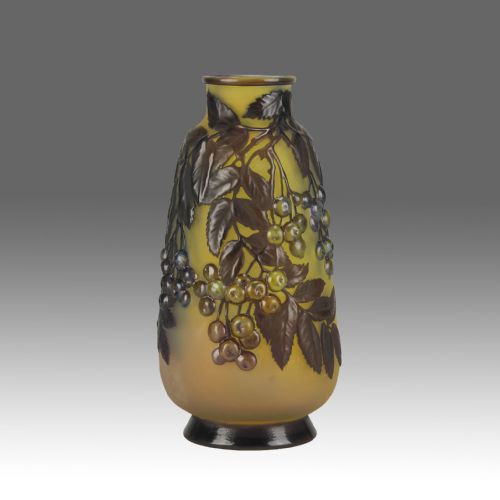
Frosted French cameo glass objects are sophisticated art glass vessels sought after for their intricate botanical and landscape motifs.
Frosted French Cameo Glass
When you search for frosted french cameo glass, you are looking at layered art glass vessels created primarily during the late nineteenth and early twentieth centuries. These pieces display distinct botanical, floral, or winter landscape motifs rendered through multi-layered glass techniques.
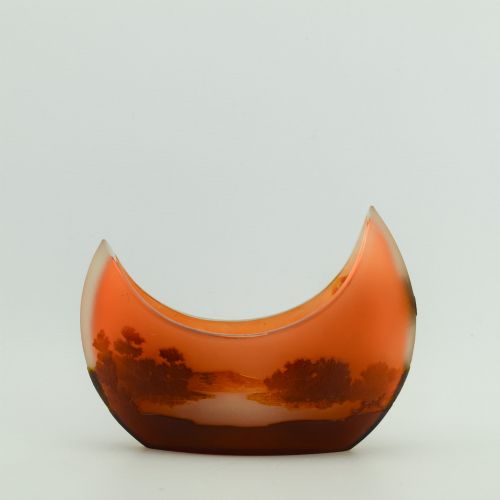
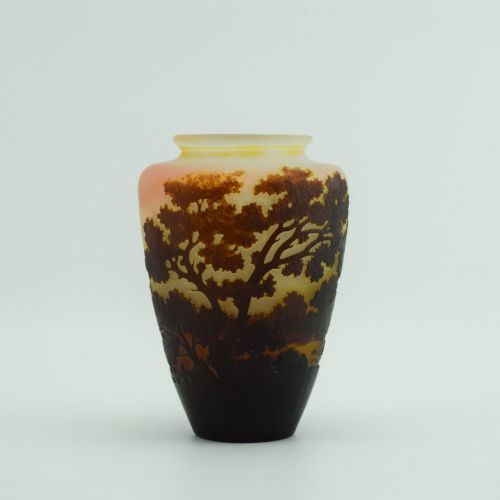
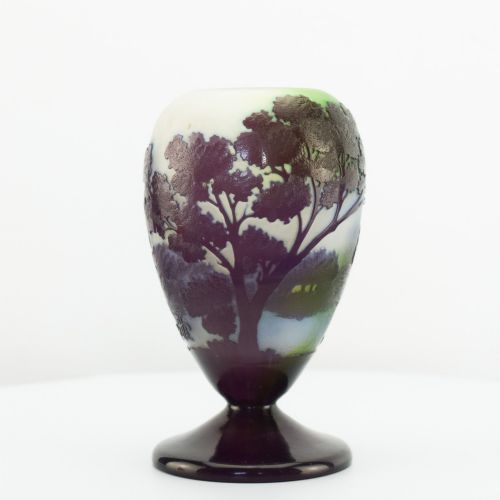
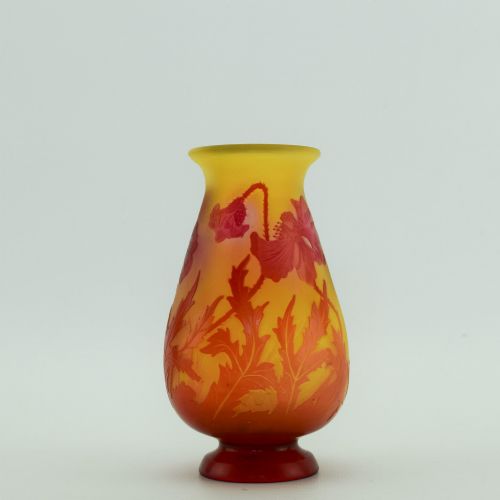
The version you are most likely to meet on this page is the vase, appearing in various forms such as footed, banjo, oviform, and crescent shapes. These objects originate from the Art Nouveau period and embody organic lines and naturalistic subjects.
The offerings span several decades around the turn of the twentieth century, capturing a specific era of decorative glass artistry. Each piece reflects the aesthetic priorities of French glassmakers working in styles inspired by nature.
How frosted french cameo glass was made
Makers utilised blown glass foundations combined with applied layers of coloured glass to build depth into each vessel. Acid-etching techniques were then employed to cut back the outer layers and reveal the contrasting design beneath against a frosted background.
Enamel and gold leaf details were sometimes added to specific designs to highlight botanical elements like iris, cornflowers, or sweet pea flowers. The acid-etched process allowed artisans to control the opacity and texture of the frosted surface surrounding the raised cameo decoration.
Frosted French Cameo Glass Retail Price Guide 2026
Typical asking prices for frosted french cameo glass among the pieces listed under this phrase on Sellingantiques today, from the lower quarter to the upper quarter. They describe what is for sale here now, not the wider market.
Listings span the periods from 1890 through the 1930s, showcasing cameo glass, acid-etched glass, and enamel materials in Art Nouveau styles.
What varies in quality
Quality in these glass pieces rests upon the crispness of the acid-etching and the complexity of the layered glass colours. Finer examples display precise depth transitions that give floral and landscape scenes a distinct sculptural presence.
Gallé·Daum Nancy·Legras·Daum Frères·Paul Nicolas
The Frosted French Cameo Glass Glossary
- Cameo Glass
- A form of glass art created by etching or carving through fused layers of different coloured glass to produce a raised design. This technique requires considerable skill to avoid cutting through the background.
- Acid-Etched Glass
- Glass treated with acid to eat away exposed surfaces and create frosted or textured patterns. This method allowed makers to achieve fine detail without manual wheel-carving.
- Frosted Glass
- Glass rendered translucent and non-shiny through acid treatment or sandblasting. It provides a soft contrasting background for the coloured cameo motifs.
- Art Nouveau
- An international style of art and architecture that flourished around 1900, characterised by sinuous lines and motifs inspired by natural forms. This aesthetic heavily influenced French cameo glass design.
- Soufflé
- A technique where glass is blown into a metal mould to create puffed or voluminous shapes with integrated cameo layers. It produces a distinct tactile surface texture.
Frosted French Cameo Glass: Frequently Asked Questions
What is frosted french cameo glass?
These pieces are layered glass vessels produced in France during the late nineteenth and early twentieth centuries. They feature raised designs created by etching away outer layers of glass.
Artisans utilised techniques involving acid-etching and enamelling to depict natural subjects like flowers, trees, and landscapes against frosted surfaces.
How do I identify Art Nouveau glass?
Art Nouveau glass is recognised by its organic forms, flowing lines, and motifs drawn directly from the natural world. Look for depictions of botanical subjects such as clematis, honeysuckle, and ferns.
The style prioritises asymmetry and graceful curves over rigid geometric symmetry, reflecting contemporary artistic movements of the period.
Where were these pieces made?
These glass objects were manufactured in France by prominent workshops and glasshouses operating during the early twentieth century and late nineteenth century. Centres of production included Nancy, a key region for French art glass.
Master glassmakers in these workshops developed distinct methods for layering and chemically treating glass to achieve characteristic frosted textures.
How should I display my vase?
Display these vases in spaces with adequate natural light to accentuate the layered glass colours and frosted backgrounds. Placing them near a light source helps reveal the depth of the acid-etched cameo details.
Ensure they rest on stable, level surfaces away from heavy traffic areas to protect the delicate blown glass structures from accidental impacts.
What subjects appear on these vessels?
The decoration on these glass objects focuses predominantly on botanical and natural themes. Common subjects include flowers like poppies, cornflowers, hydrangeas, and irises, alongside seasonal landscape scenes.
Artists also depicted aquatic plants and climbing foliage, capturing the naturalistic interests characteristic of French glass production at the time.