
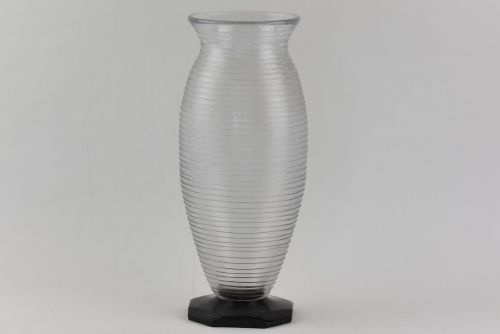

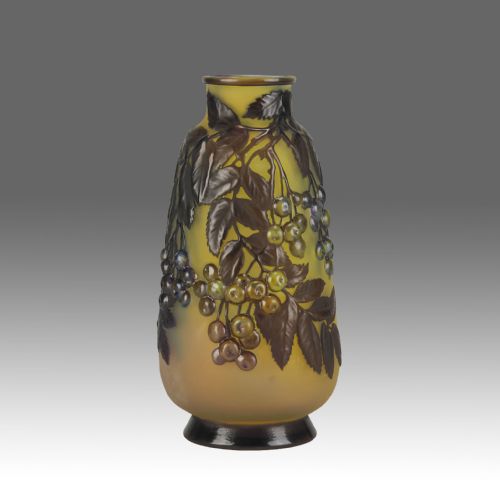


Frosted Etched Glass Vase
A frosted etched glass vase brings tactile depth and botanical imagery to a room, especially when shaped by early twentieth century French glassmakers.
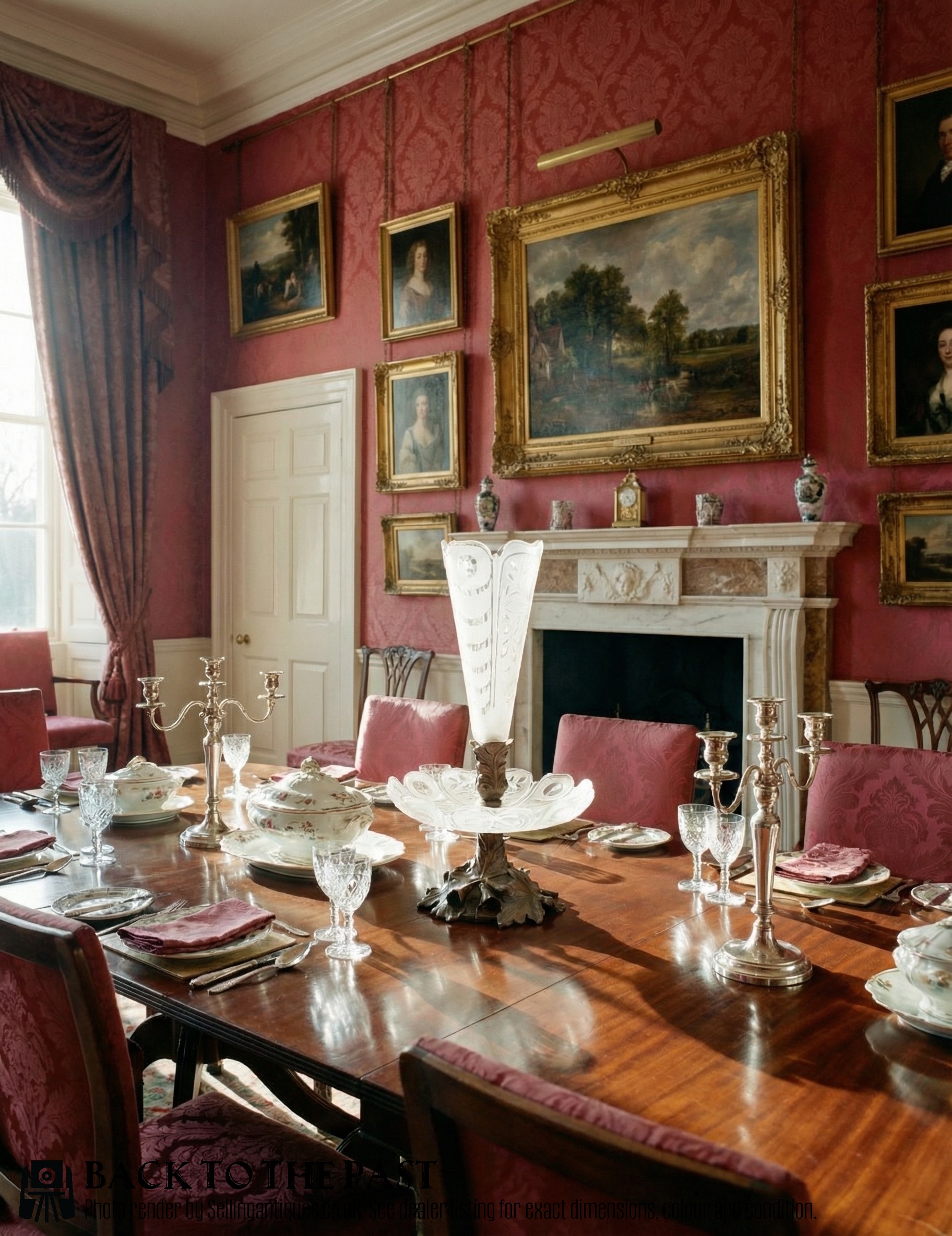
Frosted Etched Glass Vase
When you search for a frosted etched glass vase, you encounter vessels defined by textured, matte surfaces and carved floral or landscape motifs. The most common examples on this page date from the late nineteenth century through the nineteen-thirties, spanning Victorian, Art Nouveau, and Art Deco aesthetics.
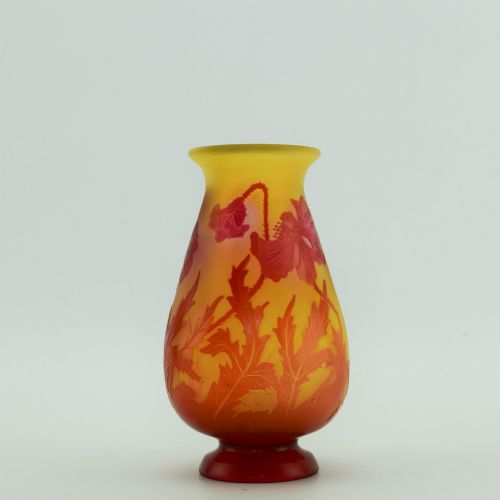
These pieces primarily take the form of mantle and table vases, incorporating botanical subjects such as poppies, hydrangeas, cornflowers, and sweet peas. French glassworks dominate the selections, alongside contributions from British and Black Forest makers.
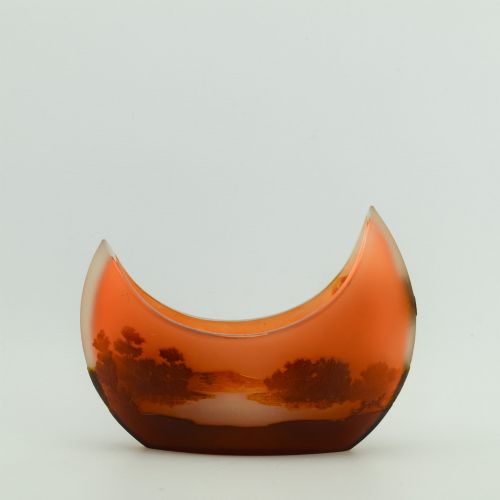
The silhouettes range from slender crescent and banjo shapes to large floor-standing vessels and table centrepieces. Each piece utilises surface treatment to diffuse light across carved or enamelled details.
How they were made
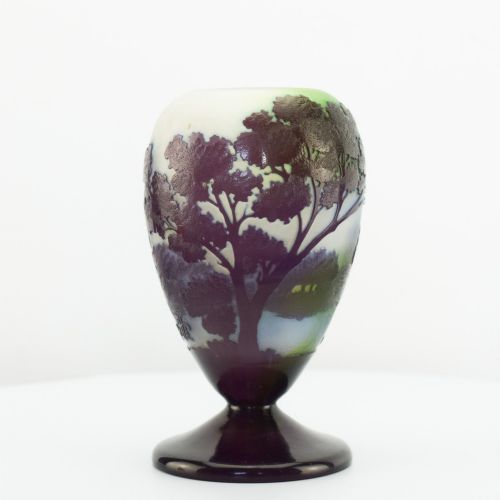
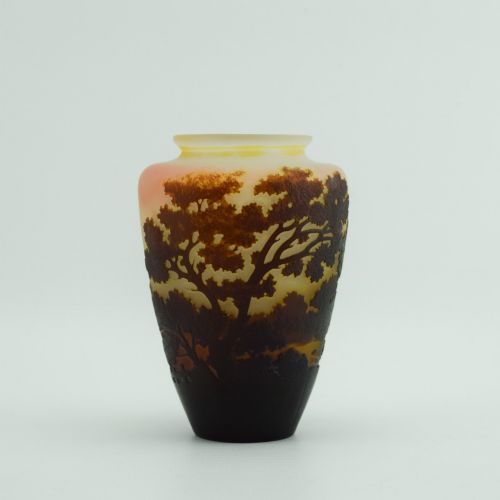
The creation of these vessels relies on blown glass techniques combined with acid-etching, cameo carving, and enamel detailing. Layers of coloured glass are fused together before acid eats away the surface to reveal contrasting designs.
Makers achieve the characteristic frosted texture by treating the exterior with acid or mechanical abrasion, which scatters light across the glass. Hand-enamelling is frequently added to accentuate botanical motifs like ferns, irises, and thistles.
Listings span the nineteenth century, the Victorian era, and decades from nineteen-hundred through nineteen-thirty, focusing on French cameo glass and cut crystal.
What varies in quality
The distinction between standard examples and exceptional works lies in the depth of the cameo carving and the complexity of the glass layering. Pieces featuring multiple colours of glass demand greater skill from the glassblower and cutter.
Subtlety of shading and precision in the acid-etching separate ordinary production from masterworks by prominent French houses. The integration of botanical forms with the natural contours of the vessel also dictates the overall artistic merit.
Emile Galle·Daum·Daum Freres·Thomas Webb and Sons·Paul Nicolas
The Frosted Etched Glass Vase Glossary
- Cameo Glass
- Glass vessels made with two or more fused layers of contrasting colours, where portions of the outer layer are carved away to create a raised design. This technique requires meticulous hand-carving or acid-cutting.
- Acid-Etched Glass
- Glass treated with hydrofluoric acid to eat away exposed surfaces, creating frosted textures or recessed patterns. It allows for intricate detail without manual cutting.
- Enamel
- Opaque glass paint applied to the surface of a vase and fired to fuse it permanently. It adds colour and definition to botanical subjects.
- Epergne
- An ornamental centrepiece featuring a central bowl with branching holders for vases or fruit. They often combine cut crystal with carved wood or metal mounts.
- Blown Glass
- Molten glass inflated into a bubble using a blowpipe, forming the foundational shape of the vessel. Artisans then refine the contour before applying surface treatments.
Frosted Etched Glass Vase: Frequently Asked Questions
How do I clean an etched glass vase safely?
Wash the vessel by hand using lukewarm water and mild soap, avoiding harsh scrubbing brushes that might damage delicate enamel work.
Dry the piece thoroughly with a soft cloth to prevent water spots from settling into the matte or frosted texture.
What is the difference between Art Nouveau and Art Deco vases?
Art Nouveau examples feature fluid, organic lines inspired by plants, flowers, and natural landscapes. These pieces emphasise asymmetry and soft, romantic colour palettes.
Art Deco designs lean towards geometric precision, stylised motifs, and structured symmetry that reflect early twentieth century industrial modernisation.
How can I tell if a piece is cameo glass?
Examine the surface of the vessel closely to see if the design elements stand in physical relief above the background layer. You should be able to feel the distinct layers of glass rising from the body.
Check for colour transitions where the top layer has been carved or etched away to reveal the contrasting glass underneath.
Where were most of these glass vases produced?
The majority of the pieces originate from workshops in France, particularly centres like Nancy where glassmaking flourished during the late nineteenth and early twentieth centuries.
British and regional European makers also contributed notable variations, combining cut crystal and enamelled decoration.