


Victorian Crystal Table Centrepiece
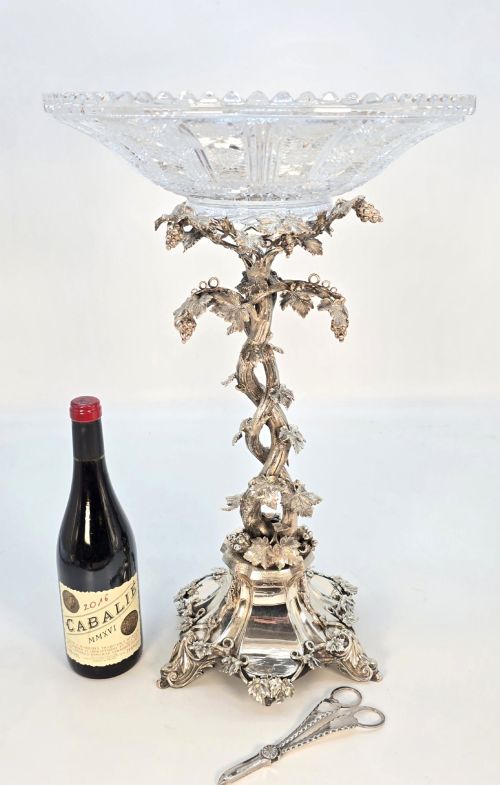
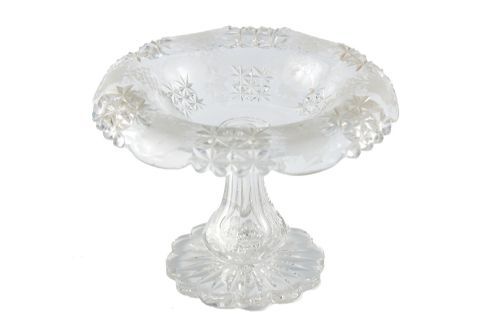
A victorian crystal table centrepiece anchors a formal dining room with sparkling glass and metalwork, designed to hold fruit or flowers at the middle of the table.
Victorian Crystal Table Centrepiece
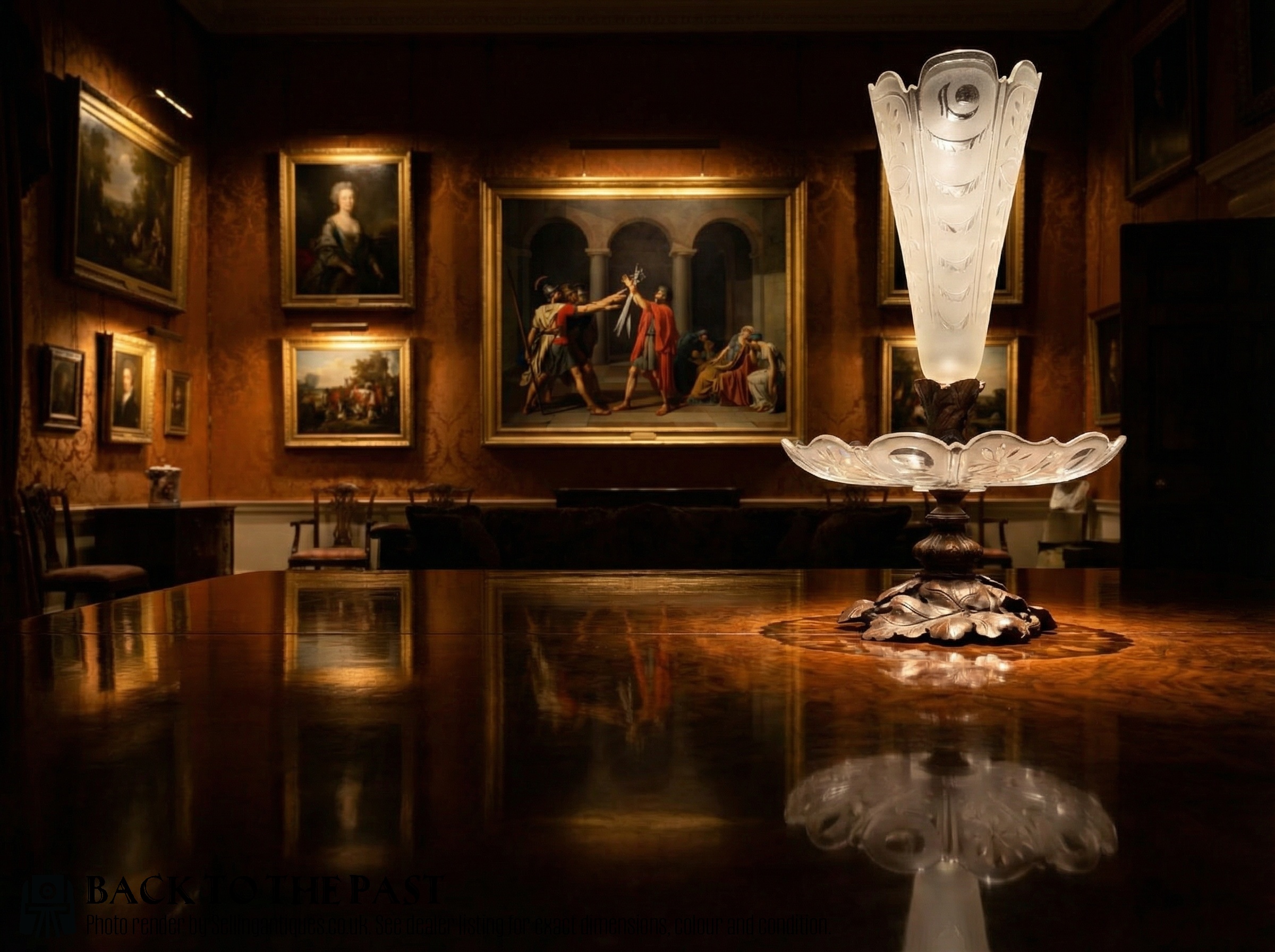
A victorian crystal table centrepiece brings monumental nineteenth-century presence to a dining room, combining large glass bowls or baskets with elaborate metal stands. These dramatic arrangements served both ornamental and practical purposes during grand meals, often holding seasonal fruits, sweet dishes, or floral displays.
The pieces on this page span the nineteenth century and into the early twentieth century, showing influences from English, French, and Black Forest workshops. Forms range from simple cut glass dishes to elaborate multi-bottle cruet sets and sculptural epergnes with gilt bronze or silver plated mounts.
Buyers will encounter various configurations, including single pedestal bowls, paired dishes, and complex frames featuring carved wood or nautical motifs. Each example demonstrates the Victorian appetite for heavily ornamented, highly reflective table decorations that commanded attention from guests.
Materials and construction
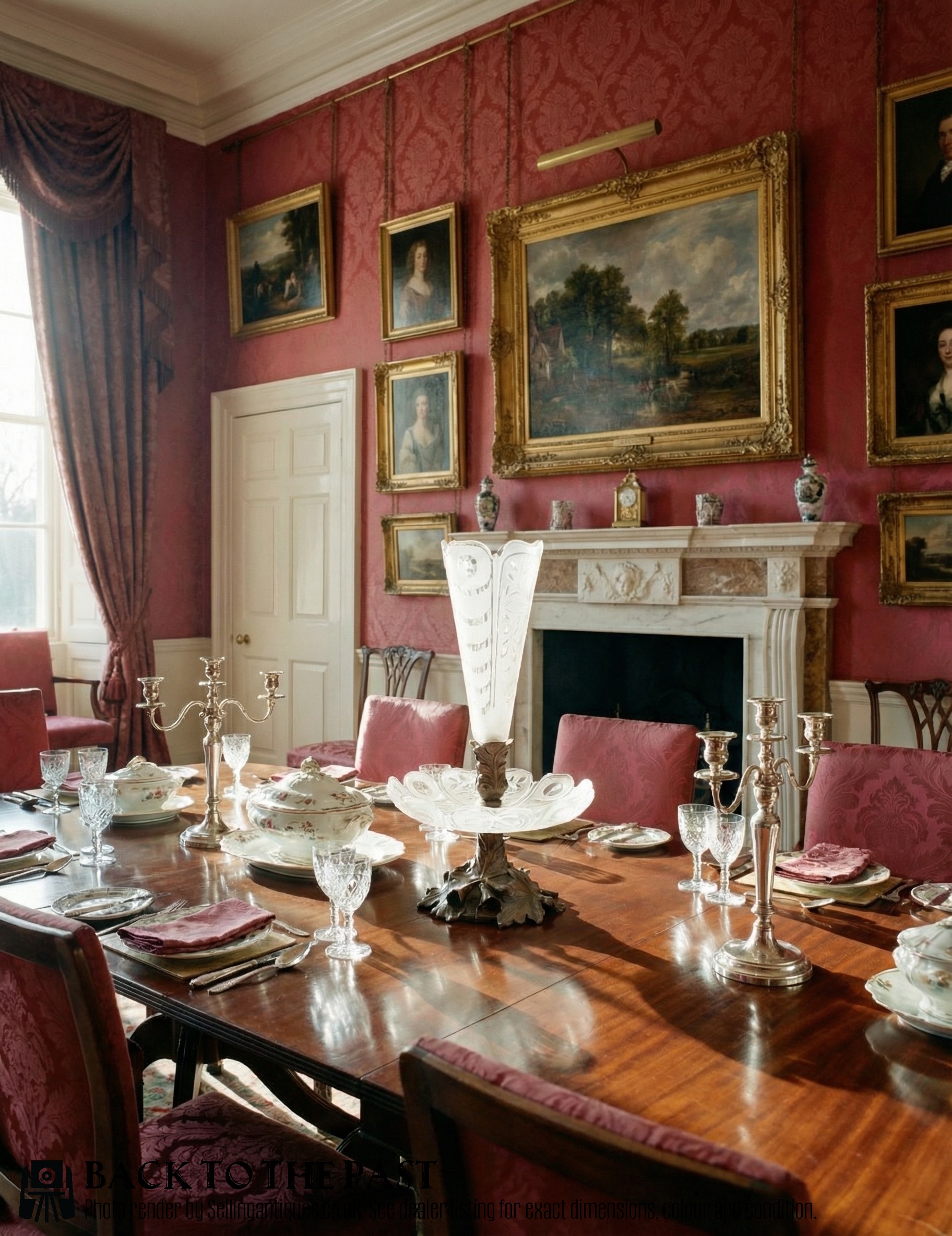
Cut crystal and lead crystal form the sparkling upper portions of these arrangements, shaped through heavy cutting, moulding, and polishing to maximise light reflection. Artisans combined this brilliant glassware with silver plate, gilt bronze, or carved wood to construct sturdy frames and mounting hardware that supported the heavy glass vessels.
Specialised techniques such as Baccarat crystal production and Black Forest wood carving appear alongside traditional silversmithing methods for the plated mounts. Metal components were cast, chased, and plated to provide a durable foundation for the intricate glass bowls, baskets, and cruet bottles.
Listings here feature items spanning the nineteenth century, incorporating cut crystal, silver plate, frosted glass, and carved wood across diverse forms from bowls to epergnes.
Assessing the execution
Quality in a victorian crystal table centrepiece rests on the crispness of the glass cutting and the weight of the metal mount. Deeper, sharper facets on the crystal and heavier gauge silver plate or gilt bronze distinguish superior examples from simpler production pieces.
The integration between the glass vessel and its support structure reveals the maker's skill. Finer pieces feature custom-fitted glass that sits securely within tailored metal bezels or frames, showing careful hand-finishing across every visible surface.
Baccarat
The Victorian Crystal Table Centrepiece Glossary
- Epergne
- A large table centrepiece featuring a central dish with multiple branching arms supporting smaller hanging baskets or vases. These towers of glass created elaborate multi-tiered displays for fruit or flowers.
- Cruet set
- A matched collection of glass bottles fitted with stoppers, held together in a metal frame for condiments at the dining table. They frequently incorporate cut crystal and silver plated stands.
- Baccarat
- A renowned French crystal manufacturer known for heavy, brilliant glass production during the nineteenth century. Pieces bearing this association command strong interest for their exceptional clarity and weight.
- Silver plate
- A base metal, often copper or white metal, coated with a thin layer of silver through electroplating or older processes. This technique allowed makers to create affordable luxury dining wares.
- Gilt bronze
- Bronze metal treated with a gold wash or mercury gilding to produce a rich, durable golden surface. It provides an ornate, warm contrast to clear cut crystal.
Victorian Crystal Table Centrepiece: Frequently Asked Questions
What were crystal centrepieces used for?
These large objects stood in the middle of formal dining tables to display fruits, sweetmeats, or fresh flowers during elaborate nineteenth-century meals.
They served as conversational centrepieces that reflected candlelight through their cut crystal surfaces while demonstrating the host's social standing.
How do I clean an antique centrepiece?
Wash the crystal components gently by hand in lukewarm water using mild detergent, avoiding abrasive sponges that might scratch the surface.
Polish metal mounts carefully with a soft cloth, keeping silver dip away from glass elements and organic materials like carved wood.
Are these pieces safe for daily dining use?
While structurally sound, antique glass and silver plate require careful handling due to their age and the delicate nature of their decorative mounts.
Many owners choose to use them for special occasions or display them permanently on sideboards and dining tables rather than risking daily wear.
How do I date a Victorian centrepiece?
Examine the style of the metal mounts, the depth of the glass cutting, and any maker's marks or registration stamps stamped onto the base.
Stylistic shifts from mid-century English silver plate to late nineteenth-century French gilt bronze or Black Forest carving help narrow down the production period.