


Carved Wood Table Centrepiece
A carved wood table centrepiece brings sculptural weight and rich grain to a dining surface, offering a natural focal point for any room.
Carved Wood Table Centrepiece
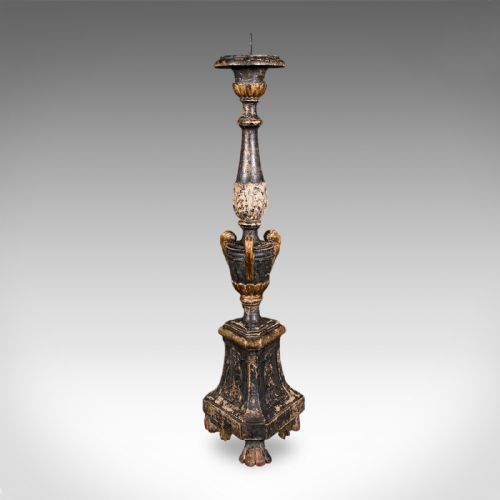
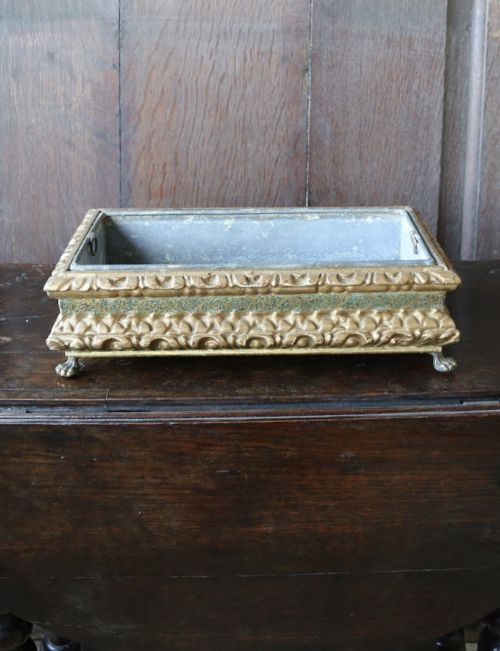
A carved wood table centrepiece takes several distinct forms across the periods represented here, ranging from rotating lazy susans and tiered epergnes with crystal inserts to decorative bowls and Italian gilt wood boxes. These items serve to anchor a dining table or sideboard, functioning primarily as decorative displays or functional servers.
The pieces on this page span the seventeenth, eighteenth, and nineteenth centuries, with Victorian Black Forest works appearing alongside Georgian and Italian Baroque items. Buyers encounter dark ebonised woods, mahogany, and rustic country designs that reflect the domestic tastes of their respective eras.
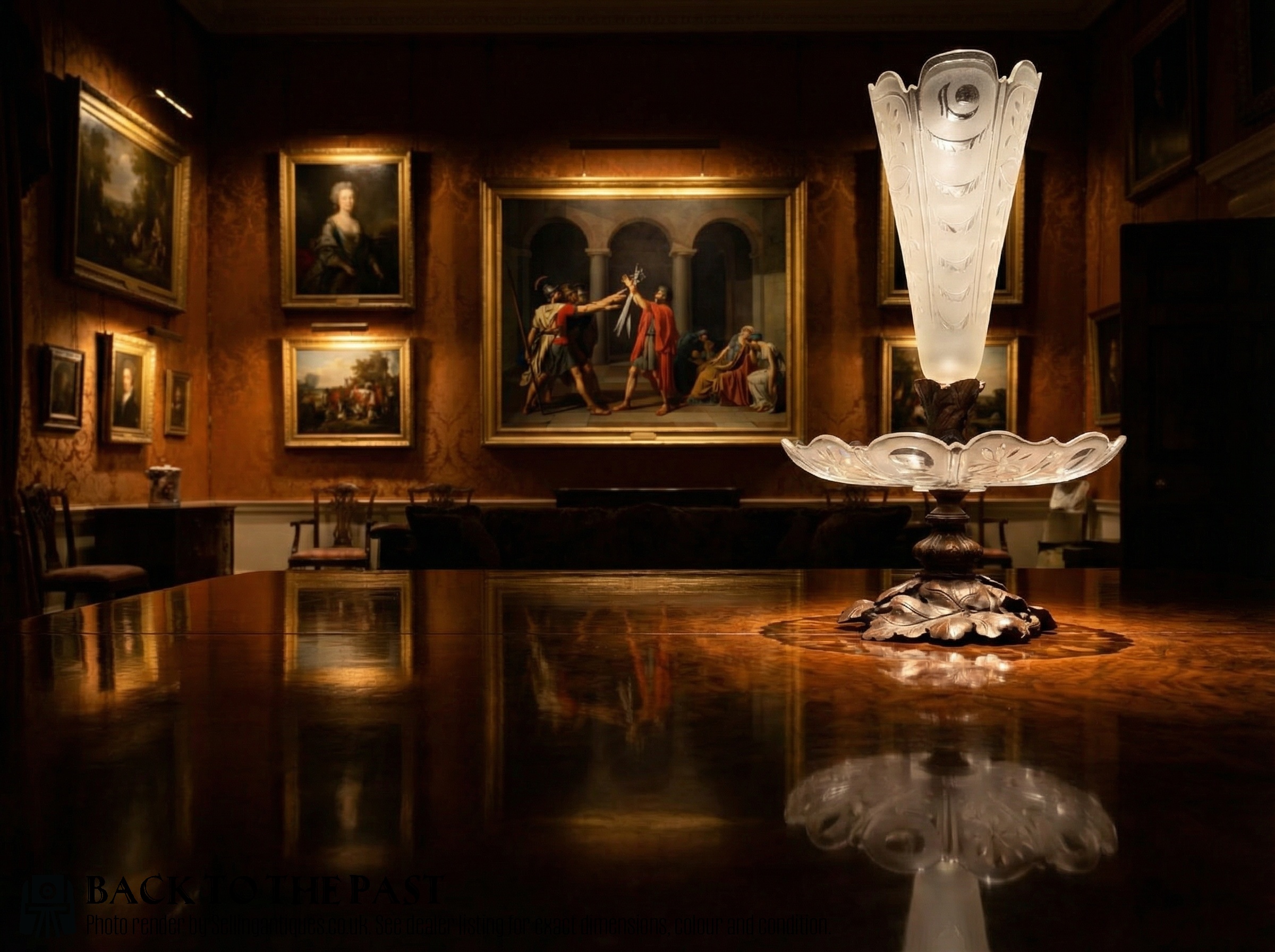
While some examples are straightforward carved bowls or prickets, others incorporate complex tiered structures or Baccarat crystal components. Each variant shows the adaptability of carved wood in domestic settings over three centuries.
Materials and construction methods
Makers utilised solid timbers such as mahogany and various woods shaped through manual carving, often pairing the natural material with applied gesso and gold leaf to create gilded surfaces. Ebonised finishes appear on specific pieces to mimic more costly exotic woods or to suit Victorian aesthetic preferences.
Composite pieces combine carved timber with glass or metal elements, as seen in the integration of Baccarat crystal inserts held within wooden frameworks. Rotating mechanisms on lazy susans rely on functional internal engineering hidden beneath the turned and carved platforms.
Several pieces feature carved bears attempting to climb table centrepieces, proving that nineteenth-century dining could occasionally feature woodland wildlife.
Distinguishing quality in older woodwork
Quality rests upon the crispness and depth of the carving, where confident tool marks and undercut details separate superior artisanal work from mechanical or hasty production. The handling of the wood grain relative to the form dictates how well the piece retains its structural integrity.
Surface treatments also define the tier of a piece, distinguishing genuine gold leaf and aged gesso from later repainting. Original patination accumulated through age provides a visual depth that modern refinishing cannot replicate.
The Carved Wood Table Centrepiece Glossary
- Black Forest
- A style of wood carving originating in the Swiss region, typically depicting naturalistic animals and foliage in dark linden or walnut.
- Epergne
- An ornamental centrepiece for a table, featuring multiple tiered dishes or branches for holding fruit or sweets.
- Gesso
- A plaster-like mixture applied to wood as a base for gilding or painting, providing a smooth ground for gold leaf.
- Pricket
- A sharp metal spike on a candlestick or pricket stand designed to hold a candle upright.
- Lazy Susan
- A rotating tray placed on a table to assist in moving food or items easily between diners.
Carved Wood Table Centrepiece: Frequently Asked Questions
How do I care for an antique wooden centrepiece?
Keep wooden items away from direct heat sources and sudden humidity changes to prevent the timber from splitting or warping.
Dust gently with a dry, soft cloth and avoid commercial polishes that can build up and dull the original patination.
Were these pieces used for dining?
Many items, such as the revolving lazy susans and tiered epergnes, were designed specifically to hold food or fruit during formal meals.
Other variants like decorative boxes and gilt carvings served strictly as ornamental displays on sideboards and tables.
What is Black Forest carving?
Black Forest refers to heavily detailed wooden ornaments, often featuring bears, foliage, and naturalistic scenes produced in Europe during the nineteenth century.
These pieces are typically carved from single blocks of timber with a dark, hand-polished finish.
How do I distinguish eighteenth-century pieces from Victorian ones?
Eighteenth-century items often show Georgian or Baroque influences with hand-applied gilding and classical motifs.
Victorian pieces frequently lean towards rustic country styles, ebonised finishes, or the naturalistic fauna associated with Black Forest production.