






Carved Leaf Wood Base
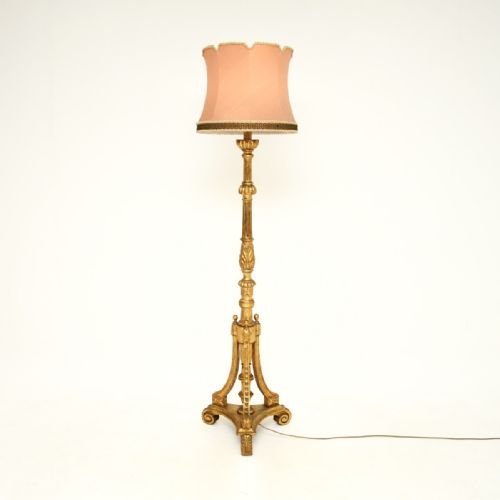
These pieces known as carved leaf wood base support displays and lighting through shaped timber and gilt finishes.
Carved Leaf Wood Base
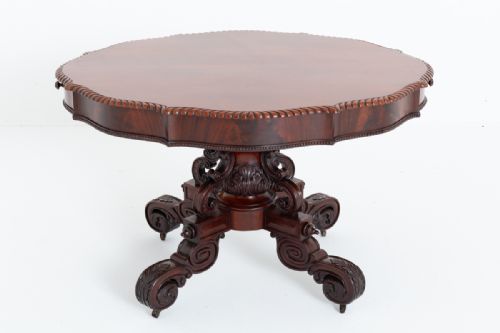
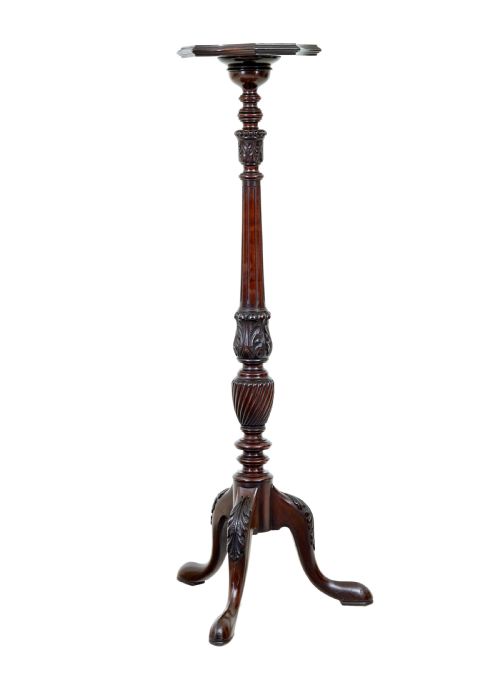
A carved leaf wood base takes several forms across the inventory, appearing principally as lamp bases, table stands, and supports for figures or candlesticks. These items span the eighteenth, nineteenth, and early twentieth centuries, drawing on Regency, Neoclassical, Baroque, and Victorian styles.
The objects combine timber structures with decorative carving, often integrating giltwood, gesso, or brass elements to elevate the visual weight of the mount. Pieces range from Italian and French table lamps to mahogany sofa tables and stools resting on carved supports.
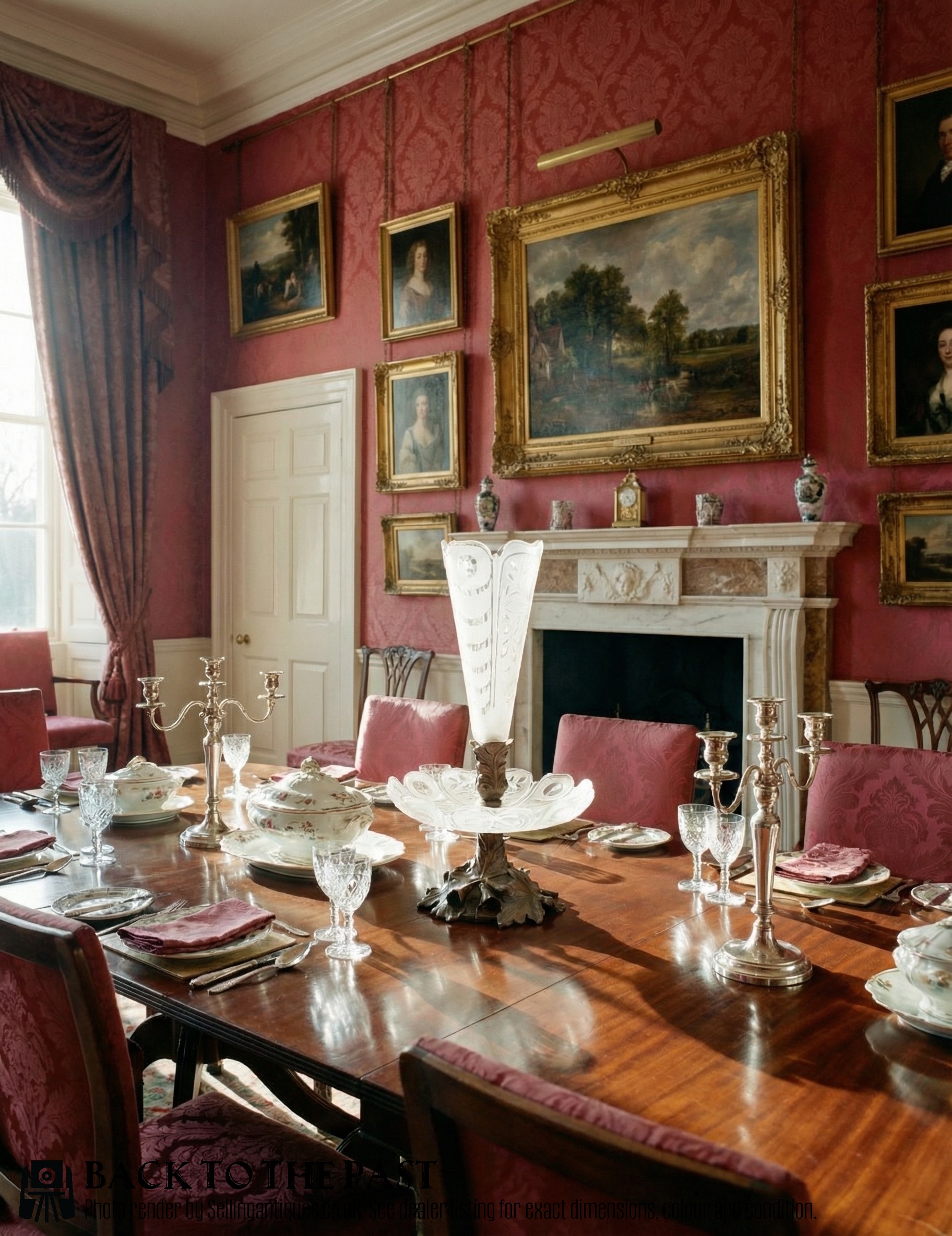
Buyers seeking a carved leaf wood base will encounter diverse origins, including English mahogany pieces alongside continental giltwood and Black Forest works. Each object serves to anchor a decorative element, whether supporting a crystal epergne, a shabti figure, or an oil lamp.
How they were made
Craftsmen shaped these items from woods such as mahogany, rosewood, oak, and giltwood, employing hand-carving techniques to define the foliage and architectural details. Gesso and silver leaf were frequently applied over timber to build up relief ornamentation before gilding.
The construction relies on traditional joinery suited to the period, pairing solid timber bases with metal components like brass fittings where lamps or candle holders are concerned. Surface finishes range from polished mahogany to applied gold leaf and marble combinations.
One exceptional nineteenth-century piece combines a carved Black Forest wooden support with a sparkling Baccarat crystal epergne centrepiece.
What varies in quality
The crispness and depth of the hand-carving separate standard utility work from finer decorative examples, particularly in the rendering of foliage and scrollwork. Depth of relief and the integration of the carved elements with the underlying timber dictate the visual success of the piece.
The preservation of original surface finishes, such as period gilding, gesso, and polished mahogany, influences the integrity of the object. High-quality examples maintain harmonious proportions between the support and the decorative items they were built to carry.
The Carved Leaf Wood Base Glossary
- Giltwood
- Wood that has been coated with gold leaf or gold paint. This finish appears frequently on Neoclassical and Baroque revival pieces.
- Gesso
- A plaster-like mixture applied to wood as a base for paint or gilding. It allows for sharp, moulded relief details before the application of leaf.
- Sofa table
- A rectangular occasional table designed to stand in front of a sofa. These often feature decorative timber bases and drop leaves.
- Curule stool
- An ancient Roman style of folding stool revived in later periods. Examples often incorporate carved timber and giltwood details.
- Epergne
- An ornamental centrepiece used for holding fruit, flowers, or sweetmeats. They sometimes combine carved wooden stands with crystal bowls.
Carved Leaf Wood Base: Frequently Asked Questions
What holds up a carved leaf wood base?
These pieces stand on timber feet or integrated plummets designed to distribute weight evenly across a table or floor.
Heavier versions incorporate dense woods like mahogany or oak to maintain stability when supporting lamps or figures.
Are these bases wired for modern lamps?
Many lamp bases have been adapted over time to accommodate modern electrical wiring and fittings.
Buyers should inspect the cord entry points and consult an electrician to ensure compliance with current safety standards.
How can I tell a Regency base from a Victorian one?
Regency pieces often display restrained Neoclassical lines with rosewood or mahogany grains, referencing classical antiquity.
Victorian and later items tend toward heavier ornamentation, incorporating Baroque revival motifs and extensive giltwood or gesso layers.