
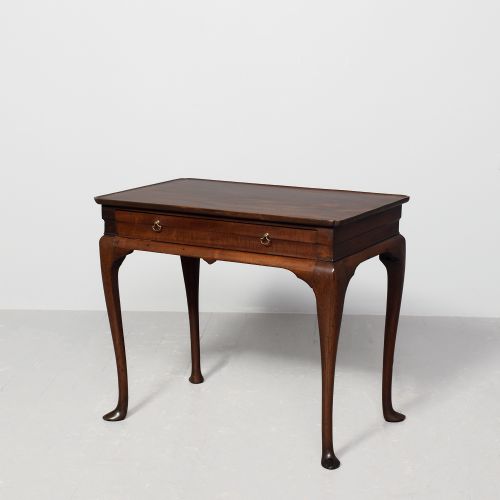
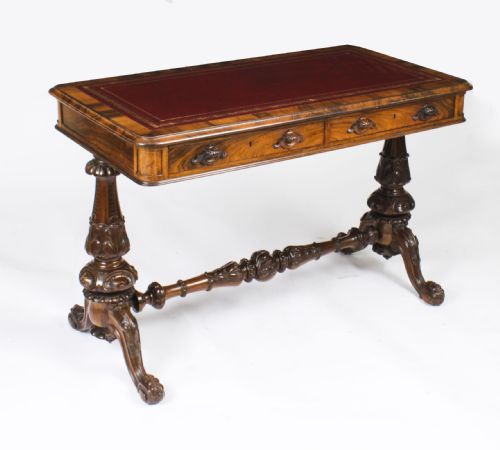
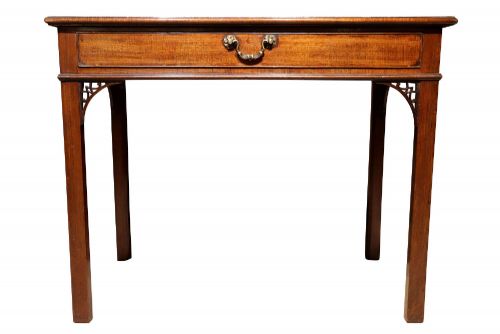

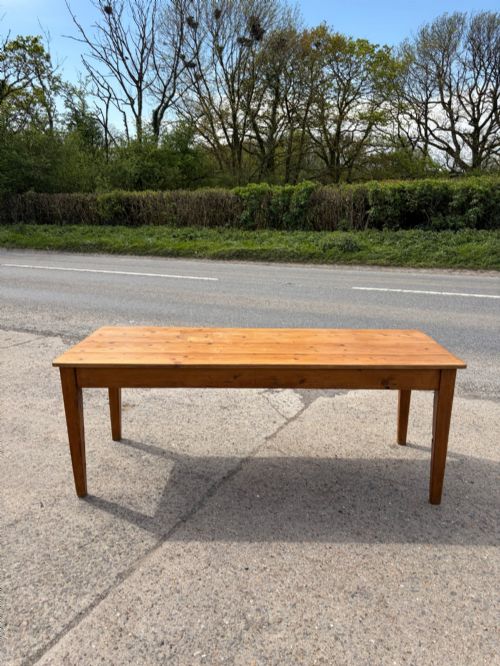
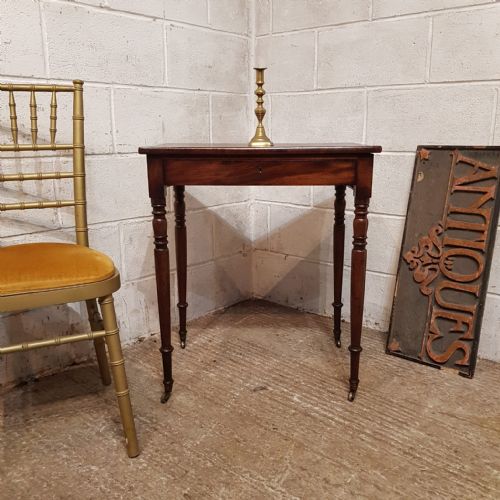


Frieze Drawer Side Table
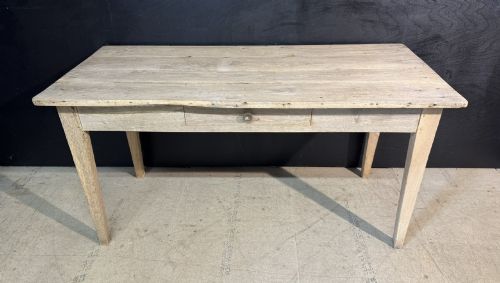
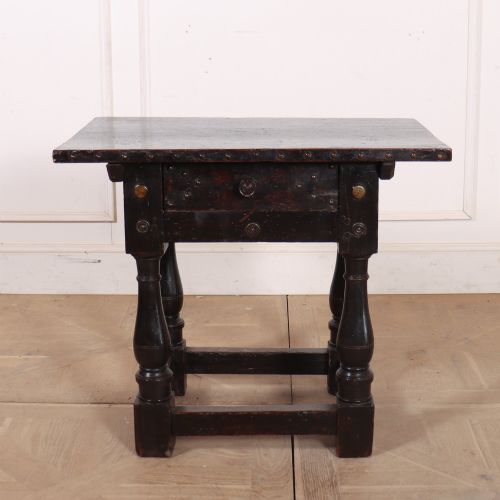
A frieze drawer side table offers a practical surface combined with discreet storage set neatly beneath the top.
Frieze Drawer Side Table
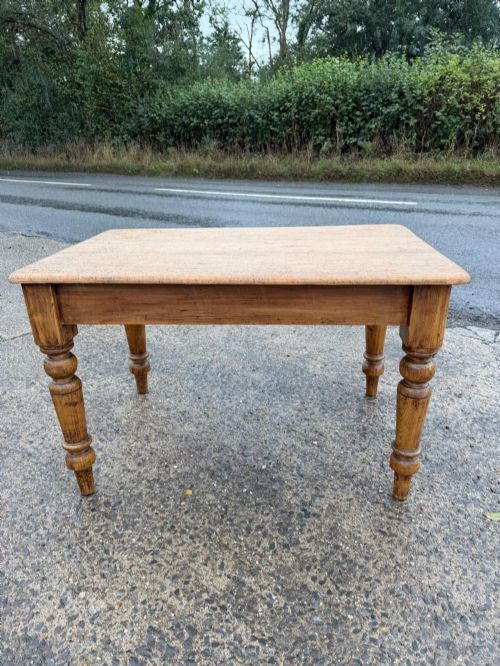
A frieze drawer side table provides a flat surface for display or writing alongside a built-in drawer incorporated directly into the wooden framework beneath the top. When you search for a frieze drawer side table, you encounter practical items designed for everyday utility across various historical periods.
The pieces appearing on this page span several centuries, featuring examples from the 17th, 18th, and 19th centuries, alongside Victorian and Georgian eras. Forms range from lowboys and writing tables to console tables and Pembroke variants.
Oak and mahogany dominate the selection, often accompanied by walnut, rosewood, and pine. These tables serve multiple domestic functions, functioning equally well in hallways, libraries, and bedrooms.
Materials and construction
Cabinet makers utilised dense hardwoods such as mahogany, oak, and walnut to construct the primary frames and drawer structures. Softer timbers like pine frequently appear in secondary components and structural linings.
Factors of quality
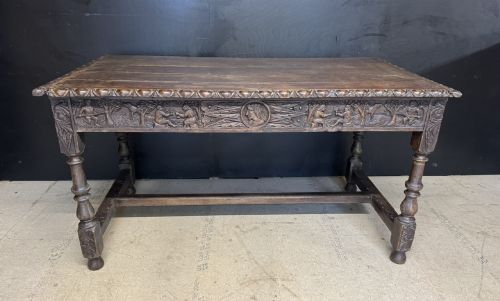
The refinement of timber selection dictates visual appeal, with well-figured grains and matching veneers elevating the status of a piece. Finer examples display meticulous hand-carving, subtle inlay work, and balanced proportions.
Original hardware, smooth drawer action, and intact structural elements distinguish superior specimens from simpler utility furniture. The presence of documented workshop signatures further separates standard regional items from high-status commissions.
Edwards and Roberts·Gillows of Lancaster
The Frieze Drawer Side Table Glossary
- Frieze
- The central horizontal band situated directly beneath the top surface of a table where drawers are typically housed.
- Lowboy
- A small oak or mahogany dressing or side table featuring one or more drawers and relatively tall legs.
- Pembroke table
- A small occasional table featuring hinged drop leaves on either side and often a single frieze drawer.
- Console table
- A table designed to be placed flat against a wall, frequently supported by wall brackets or console legs.
- Sofa table
- A rectangular occasional table traditionally placed in front of or behind a sofa, equipped with drop leaves and frieze drawers.
Frieze Drawer Side Table: Frequently Asked Questions
What is a frieze drawer side table used for?
These tables provide a convenient surface for lamps, books, or decorative objects while keeping small items concealed in the drawer below. They function effectively in hallways, living rooms, and studies.
Historically, they served as writing surfaces or dressing tables depending on their specific period and proportions.
How do I identify a Georgian side table?
Georgian pieces typically feature mahogany or oak construction with clean architectural lines, bracket feet, or tapering legs. Details such as pierced brackets and fine dovetailing help confirm the period.
Proportions remain balanced and restrained, reflecting the prevailing neoclassical or early revival tastes of the 18th century.
Are these tables suitable for modern laptops?
Many writing and side tables provide adequate surface area and comfortable knee clearance for contemporary laptop use. The built-in drawer also offers convenient storage for electronic accessories.
Checking the internal clearance of the frieze drawer ensures it accommodates modern working habits without compromising the piece.
What is the difference between a side table and a console table?
Side tables are generally freestanding items designed to stand against any wall or beside seating furniture. Console tables traditionally rely on wall fixings or specific leg configurations for stability.
Both variants frequently incorporate the signature frieze drawer for concealed storage.