
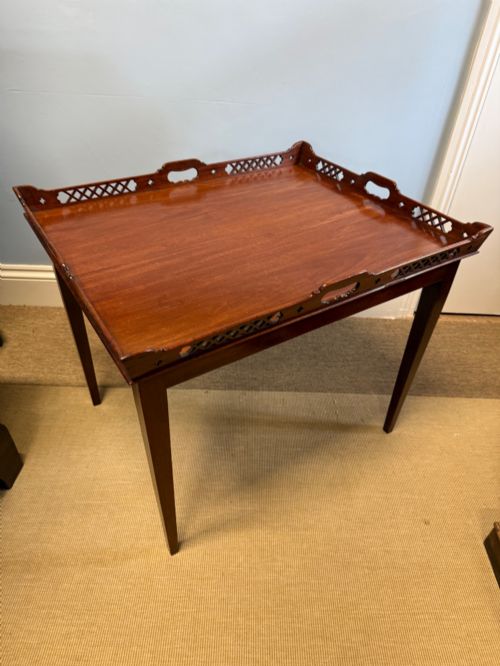

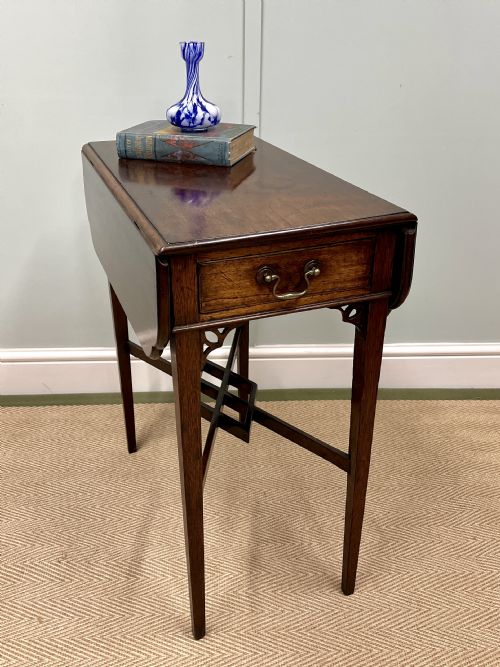

Fretwork Occasional Table
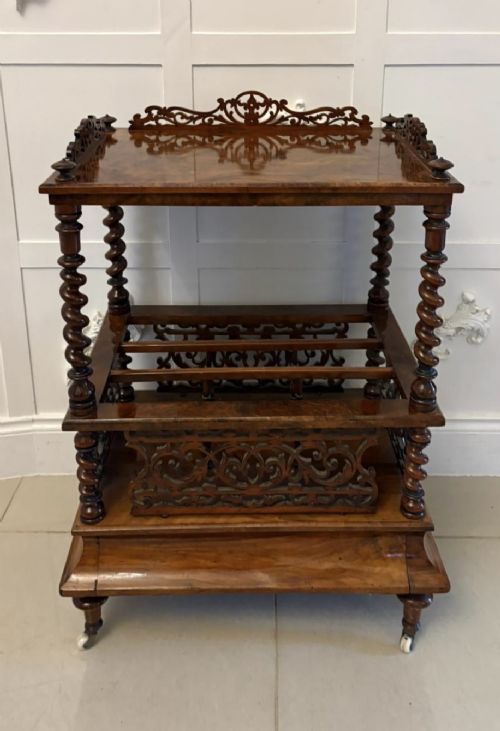
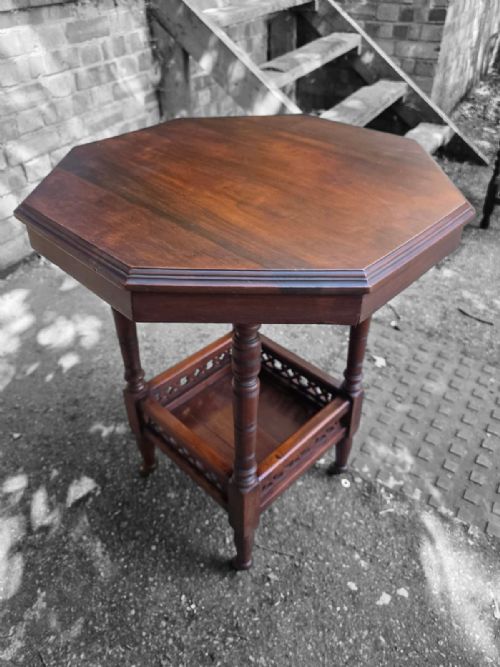
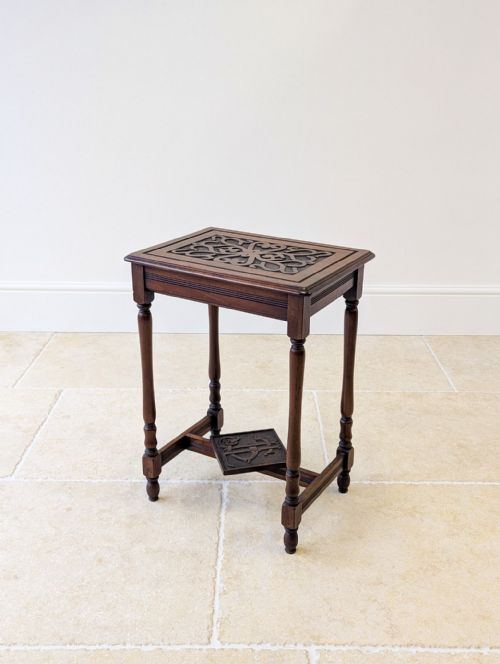
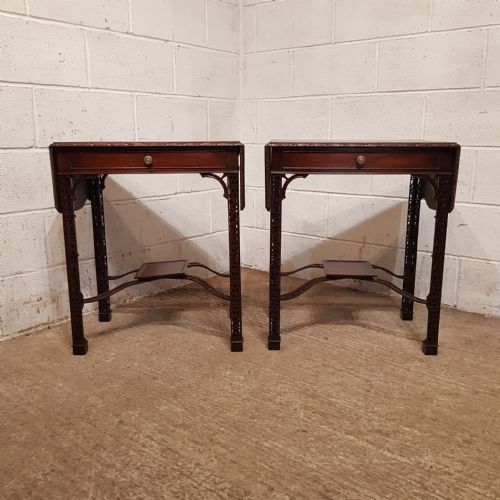
These fretwork occasional table pieces combine intricate pierced woodwork with convenient portability, offering a versatile surface that instantly elevates a corner of any room.
Fretwork Occasional Table
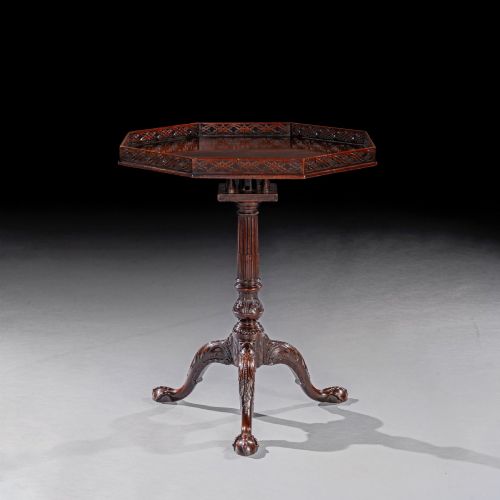
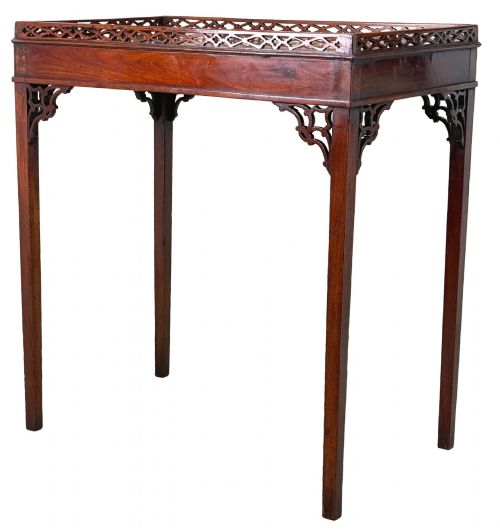
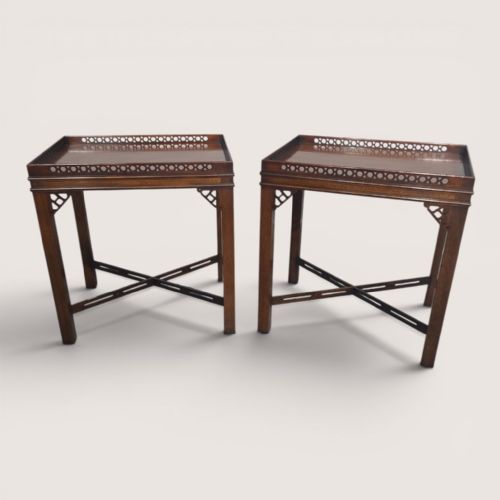
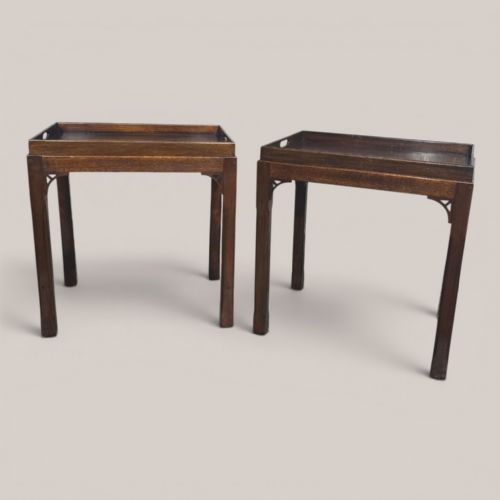
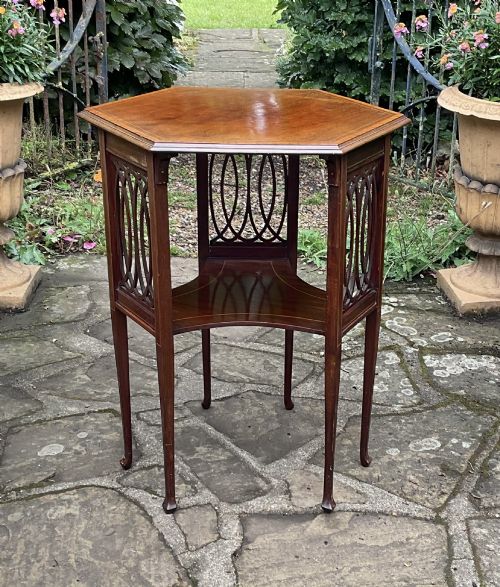
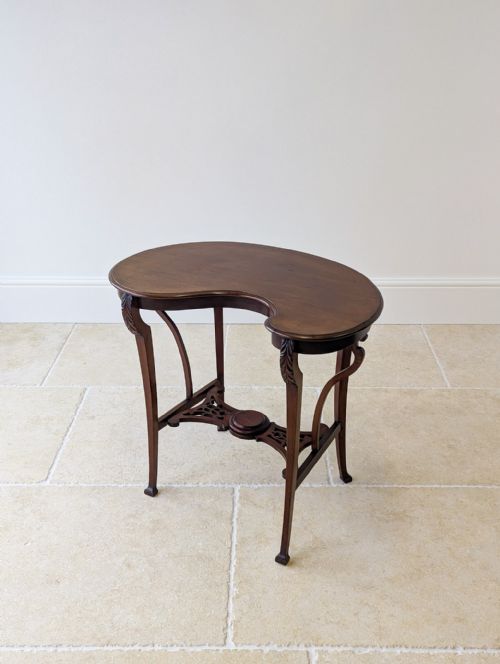
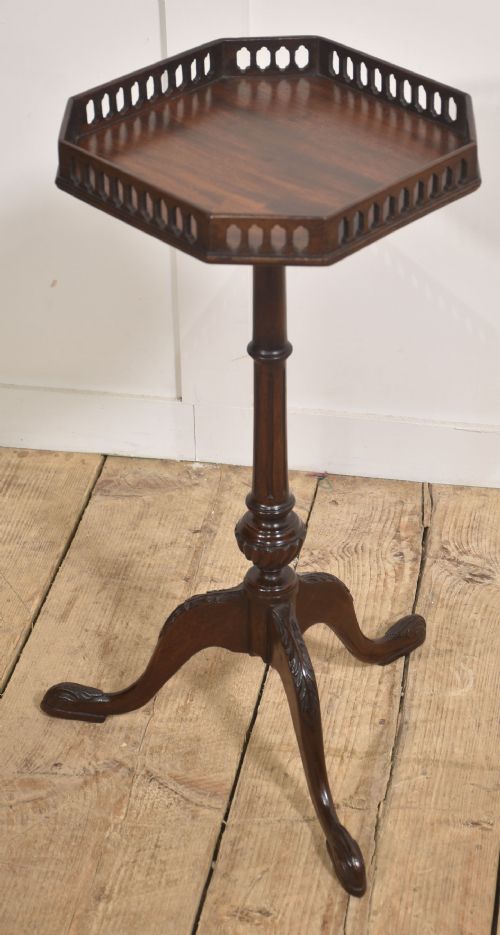
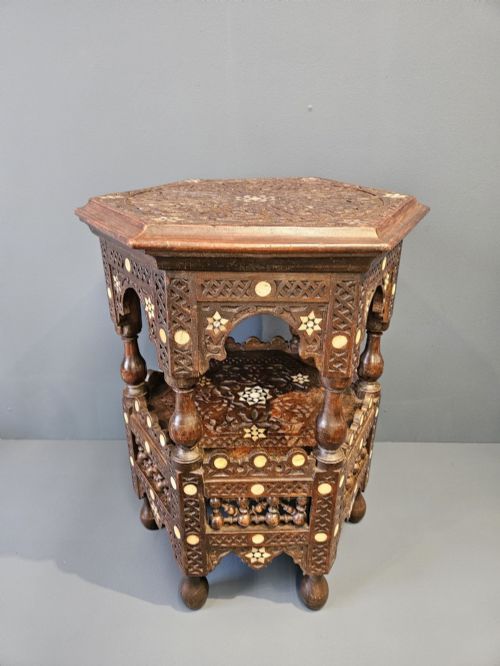
When you search for a fretwork occasional table, you encounter small, light tables designed to be moved easily around a room for specific tasks. The pieces appearing here span the eighteenth, nineteenth, and early twentieth centuries, encompassing Georgian origins and later Victorian, Edwardian, and Arts and Crafts revivals. You are most likely to meet mahogany examples reflecting Chippendale revival styles, alongside Anglo-Indian and Moorish pieces featuring pierced decoration.
The form embraces various uses, including lamp tables, wine tables, writing tables, and side tables designed to sit beside chairs or sofas. Some pieces take an octagonal shape, while others adopt square, round, or heart-shaped tops, occasionally incorporating multiple tiers or folding mechanisms like drop leaves. This diversity reflects how makers adapted lightweight occasional furniture for drawing rooms and parlours across successive decades.
What Varies in Quality
The crispness of the pierced fretwork separates standard examples from finer works. Superior pieces display sharply defined cut-outs and smooth interior edges free of splintering or hasty tool marks, reflecting the hand of a skilled artisan rather than hurried production.
The choice and figuring of the timber also dictate standard. Tables constructed from deeply grained burr walnut or carefully selected mahogany with rich natural patination outrank simpler utility pieces made from plain secondary hardwoods.
One listed piece comes shaped like a heart, proving that nineteenth-century woodworkers occasionally traded strict geometry for romance.
The Fretwork Occasional Table Glossary
- Fretwork
- Woodwork cut into decorative patterns using a fretsaw. This pierced ornamentation often appears on the brackets and galleries of occasional tables.
- Pembroke table
- A small drop-leaf table with hinged flaps on either side. These pieces offered expandable surface area for writing or breakfasting.
- Tripod table
- A small round or octagonal table supported by a central pillar resting on three legs. This construction allowed the table to stand stable on uneven floors.
- Lowboy
- A small seventeenth or eighteenth-century table with one or more drawers and cabriole or straight legs. They served variously as dressing tables or side tables.
- Sutherland table
- A narrow drop-leaf table where the leaves fold down almost vertically. When closed, the table occupies minimal floor space.
Fretwork Occasional Table: Frequently Asked Questions
Where should I place a fretwork occasional table?
These pieces suit positions beside armchairs, in narrow hallways, or serving as lamp stands in reception rooms. Their light construction allows them to be shifted easily as household needs change.
Avoid placing them in areas of damp or direct sunlight, which can dry out older mahogany and walnut timbers or damage delicate pierced sections.
How do I care for antique mahogany surfaces?
Maintain the wood by dusting with a dry, soft cloth and applying a traditional beeswax sparingly to nourish the grain. Avoid modern silicone sprays that can build up a sticky residue over time.
Keep tables away from direct heat sources such as radiators to prevent the timber from warping or splitting along historical joints.
What is the difference between Georgian and revival pieces?
Eighteenth-century Georgian tables represent original period craftsmanship made for contemporary domestic use. Revival pieces date from the Victorian and Edwardian eras, copying earlier eighteenth-century Chippendale styles.
Revival furniture often employs machine-assisted cutting techniques alongside traditional hand assembly, whereas eighteenth-century items relied entirely on manual woodworking methods.
How do I identify Anglo-Indian tables?
Anglo-Indian tables typically feature dense hand-carvings, intricate pierced motifs, and sometimes brass inlay work executed by craftsmen in the Indian subcontinent for British export. They frequently utilise exotic regional hardwoods and take octagonal forms.
These pieces reflect nineteenth and early twentieth-century trade and aesthetic exchanges, differing significantly in decorative vocabulary from standard English cabinetmaking.