



French Walnut Tallboy
A french walnut tallboy brings vertical storage and rich grain to a room, offering practical elegance through traditional cabinet-making.
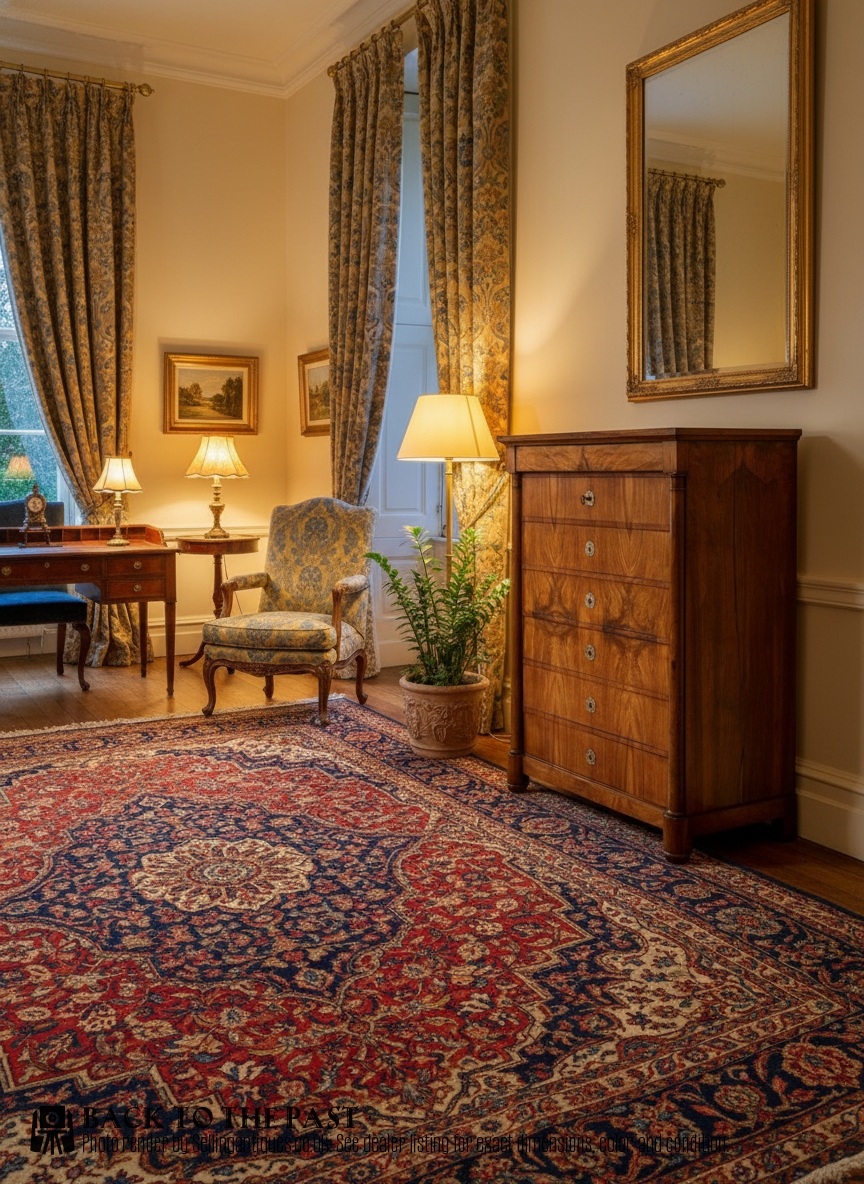
French Walnut Tallboy
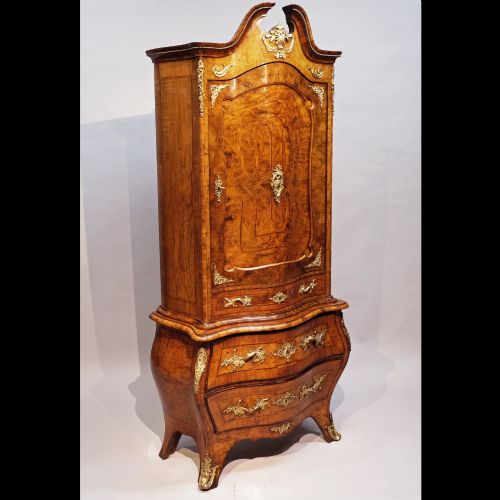
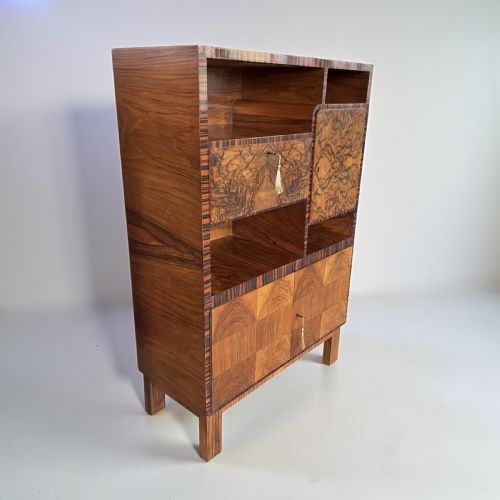
A french walnut tallboy combines height with a compact footprint, serving as a primary storage piece for clothing and personal items. These pieces frequently appear in styles such as French Empire, Louis XV, and Art Deco, reflecting craftsmanship from the eighteenth century through to the mid-twentieth century.
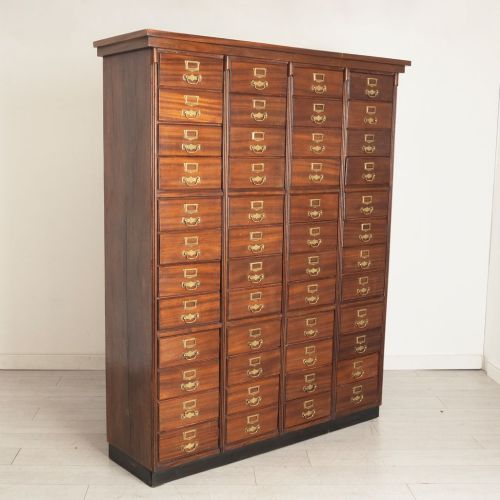
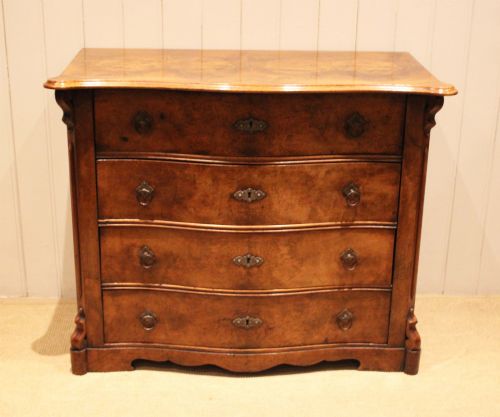
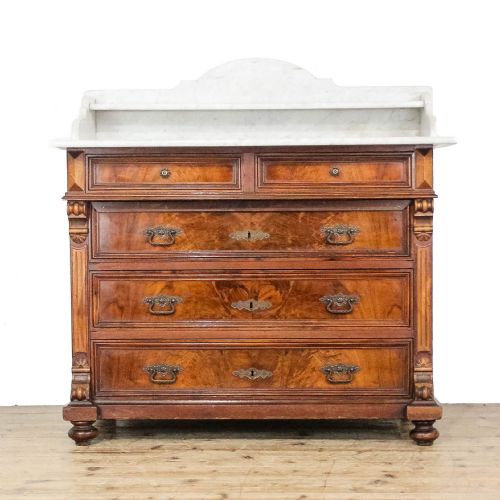
Buyers encounter forms ranging from traditional seven-drawer semainiers and secretaire cabinets to marquetry-inlaid chests and marble-topped bedside tables. Walnut and burr walnut dominate the construction, often enhanced by bookmatched veneers and parquetry patterns.
Originating predominantly from continental workshops, these tall chests bridge decorative appeal and daily utility. The selection spans neoclassical symmetry to streamlined art deco geometries, accommodating diverse interior schemes.
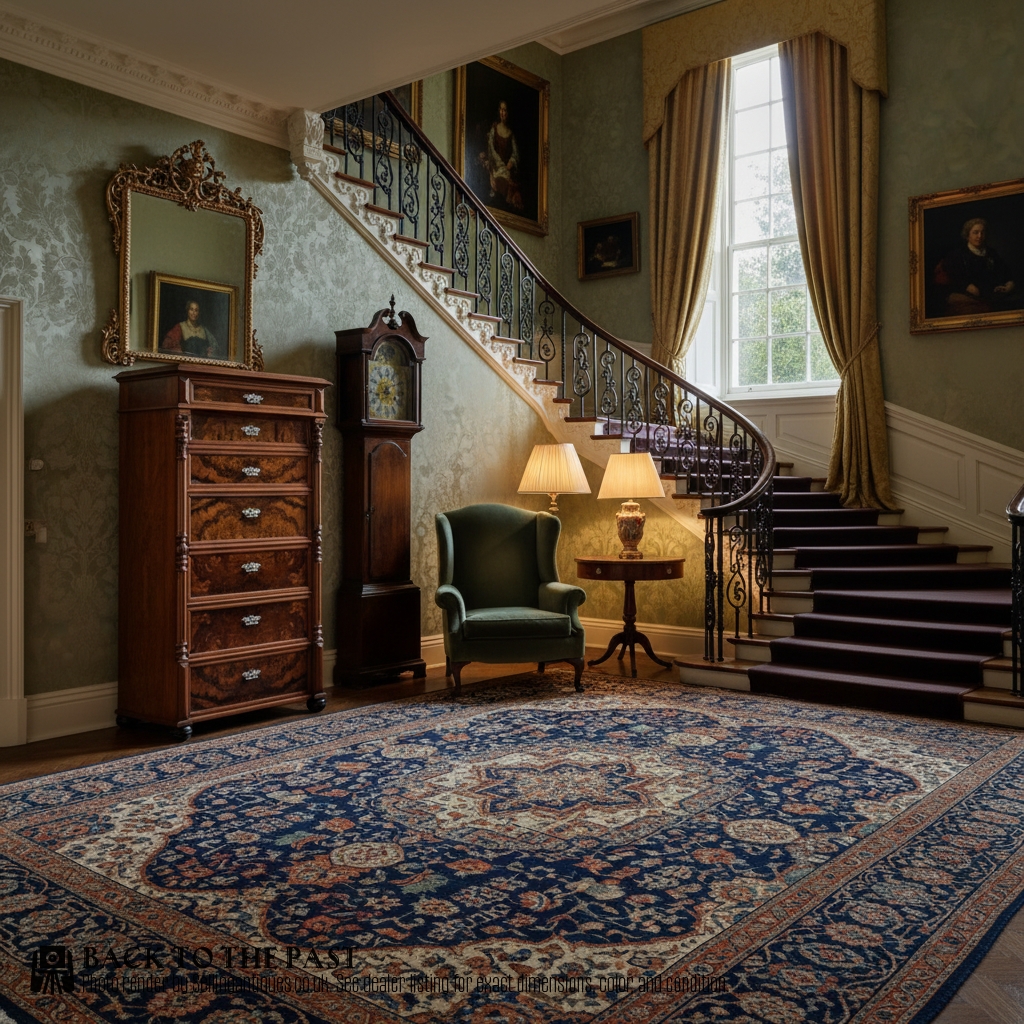
Materials and construction methods
Cabinet-makers utilised solid walnut and decorative walnut veneer over secondary timbers, selecting burr sections for highly figured drawer fronts and bookmatched panels. Surface decoration frequently incorporates intricate marquetry and parquetry geometric arrangements.
Metal accents in ormolu, brass, and gilt bronze provide structural mounts, key escutcheons, and decorative trims. Selected pieces integrate heavy marble tops, requiring sturdy carcase construction to support the stone safely.
Cabinet styles span French Empire, Louis XV, Art Deco, and Rococo Revival, encompassing tall chests, secretaires, and semainiers.
Factors determining quality
Excellence in a tall chest rests upon the selection and matching of wood veneers, where symmetrical grain patterns and seamless parquetry indicate superior joinery. The crispness of cast ormolu mounts and the integration of fitted marble slabs further separate standard examples from finer commissions.
Internal construction details, such as drawer linings, dovetail joints, and the retention of original brass hardware, dictate the overall integrity and historical value of the furniture.
The French Walnut Tallboy Glossary
- Semainier
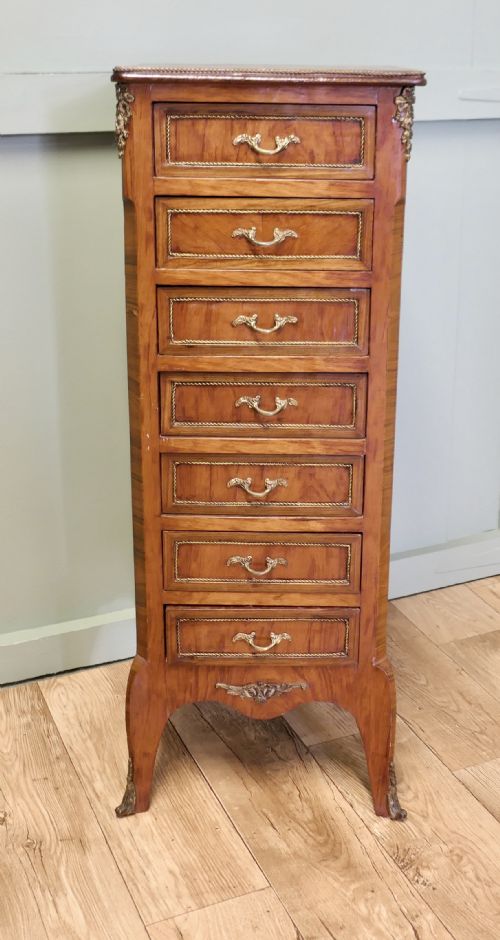
- A tall seven-drawer chest traditionally designed to hold a week of undergarments or daily attire. This form is common among continental pieces.
- Secrétaire
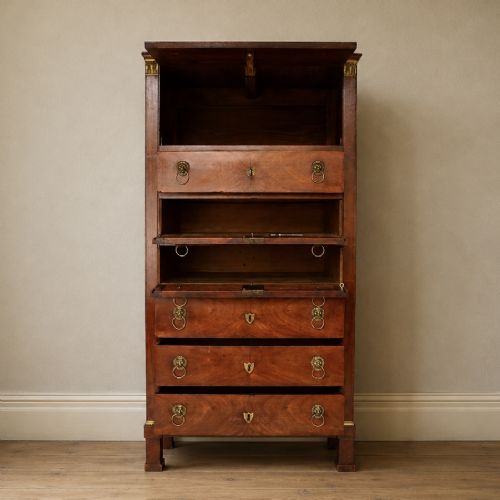
- A tall cabinet featuring a pull-down writing flap that conceals smaller compartments and pigeonholes. It merges desk functionality with vertical chest storage.
- Ormolu
- Gilded bronze mounts applied to furniture for decoration and edge protection. These elements reflect the neoclassical and rococo tastes of French cabinet-making.
- Parquetry
- Geometric wood-mosaic work used for surface decoration on drawer fronts and tops. Artisans arranged contrasting veneer blocks to create visual depth.
French Walnut Tallboy: Frequently Asked Questions
Where does a tallboy work best?
A french walnut tallboy suits bedrooms and dressing rooms where floor space is limited yet vertical storage capacity is required. Its slender proportions allow it to fit between windows or into alcoves.
In living areas or hallways, the piece functions as a striking focal point while keeping clutter concealed behind multiple drawers.
How do I care for walnut furniture?
Maintenance involves dusting with a soft, dry cloth and avoiding placement near direct heat sources or strong sunlight. Walnut timber responds well to occasional application of quality beeswax to nourish the grain.
Marble tops require prompt wiping of spills to prevent staining, particularly from acidic liquids.
What is a semainier?
A semainier is a specific type of tall chest featuring seven distinct drawers, historically associated with holding a week of clothing. The form prioritises height over width.
These pieces often include a locking mechanism securing all drawers simultaneously when the side or top is engaged.
How do I identify French Empire style?
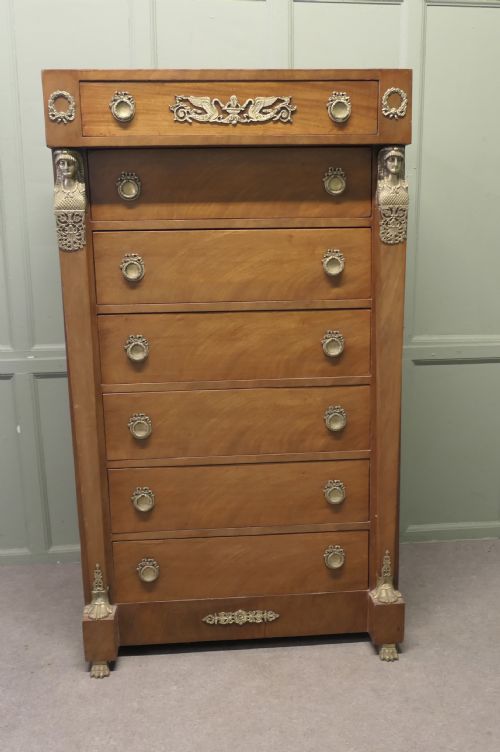
French Empire pieces display neoclassical influences, featuring symmetrical lines, column details, and restrained ornamentation. Ormolu mounts often depict military, classical, or floral motifs.
Darker walnut veneers and bookmatched grain patterns emphasise architectural dignity rather than playful curves.