




Warm Brown Secretaire
A warm brown secretaire combines a writing surface with deep storage, offering the rich timber tones and practical design that collectors seek.
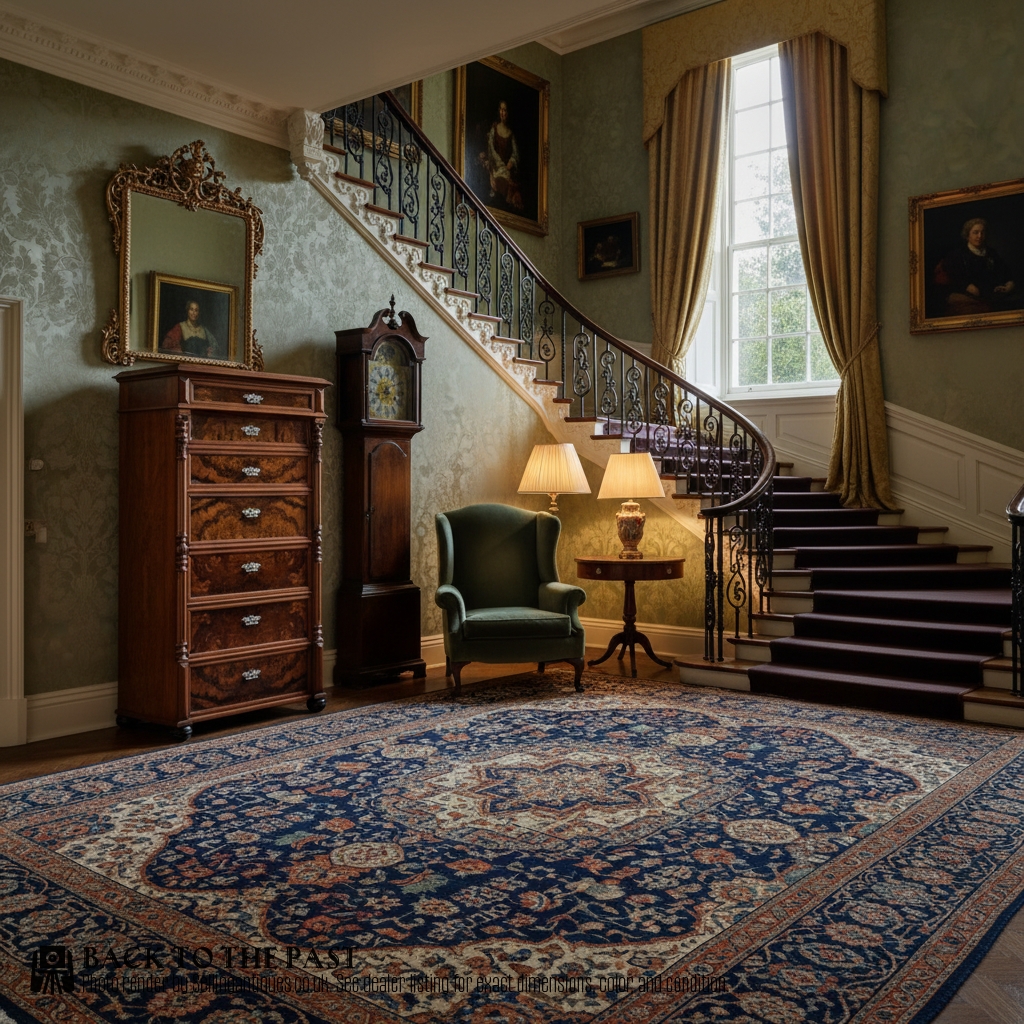
Warm Brown Secretaire
When you search for a warm brown secretaire, you are looking at utilitarian writing furniture designed for both domestic use and travel. These pieces combine a pull-down writing drawer or fitted bureau compartment with sets of drawers or tall bookcase shelving, offering an integrated workspace and storage unit.
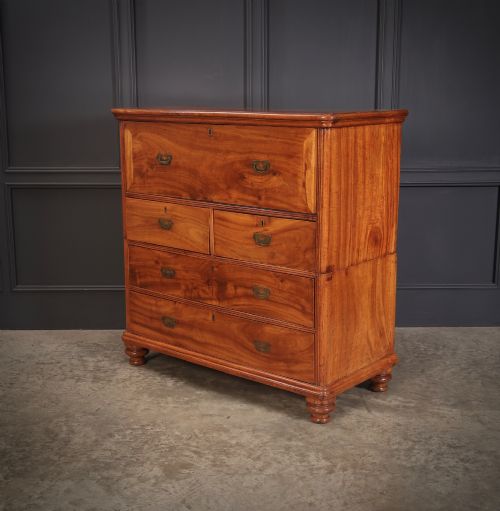
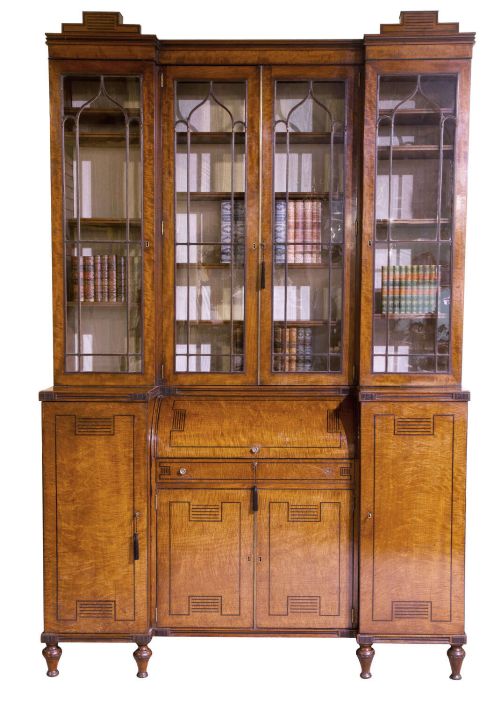
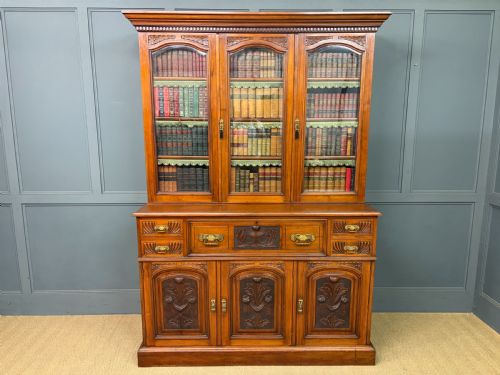
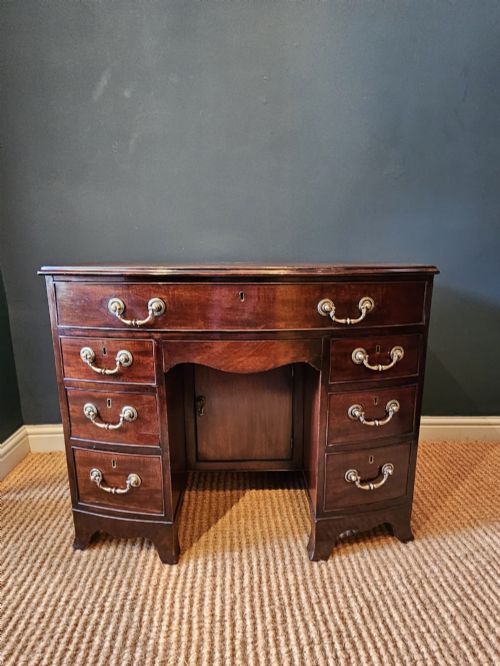
On this page, you are most likely to meet examples from the Victorian and Georgian eras, spanning the eighteenth and nineteenth centuries. These include campaign chests built in sections, tall chests of drawers, and large secretaire bookcases finished in mahogany, walnut, and camphor wood.
How they were made
Cabinet makers utilised dense hardwoods such as mahogany and walnut, frequently selecting burr veneers and satinwood stringing to create rich, dark surfaces. Camphor wood appears regularly, particularly in military and campaign pieces valued for its aromatic and resilient properties in transit.
Metal hardware plays a functional role in construction, incorporating brass corners, flush handles, and bracket feet. Structural elements like fitted interior pigeonholes and drop-down writing flaps demonstrate traditional joinery designed to withstand regular use.
Warm Brown Secretaire Retail Price Guide 2026
Typical asking prices for warm brown secretaire among the pieces listed under this phrase on Sellingantiques today, from the lower quarter to the upper quarter. They describe what is for sale here now, not the wider market.
Listings feature eighteenth and nineteenth-century pieces, spanning Georgian and Victorian periods in mahogany, walnut, and camphor wood.
What varies in quality
The degree of refinement in the interior pigeonholes and small drawers dictates the distinction between standard utilitarian items and bespoke examples. Finer pieces display meticulous secondary timbers, secret compartments, and balanced proportions across the facade.
The selection and matching of wood veneers significantly influence visual depth, where continuous grain patterns and intact brass mounts elevate a piece above simpler, plain-timber constructions.
The Warm Brown Secretaire Glossary
- Secretaire
- A desk or chest of drawers featuring a pull-down writing flap that conceals small compartments and pigeonholes. This form allows a piece of case furniture to double as a writing desk.
- Campaign chest
- A portable chest of drawers built in two or more stacking sections for easy transport by military officers. These items typically feature recessed brass handles and reinforced corner brackets.
- Bracket foot
- A furniture foot shaped like a bracket, commonly seen on Georgian case pieces. It supports the weight of the chest while elevating the base off the floor.
- Camphor wood
- An aromatic timber utilised in colonial and campaign furniture to deter insects. Its distinctive grain and warm tone age gracefully over time.
Warm Brown Secretaire: Frequently Asked Questions
What is a secretaire chest?
A secretaire chest is a form of case furniture that looks like a standard chest of drawers from the outside. The top drawer pulls down and unfolds to reveal a writing surface and small storage compartments.
This design saves space by combining a desk with traditional drawer storage. It became popular in the eighteenth and nineteenth centuries for studies and bedrooms.
Why are some secretaire chests called campaign furniture?
Campaign chests were built in modular sections with recessed brass hardware so officers could pack and move them easily during military campaigns. The materials, such as camphor wood and mahogany, were chosen for durability.
These pieces feature sturdy bracket feet and heavy-duty corners to withstand rough travel. Today, they remain distinct for their functional hardware and sectional design.
How do I care for a mahogany secretaire?
Keep wooden furniture away from direct sunlight and heat sources to prevent the timber and veneers from drying out. Regular dusting with a soft, dry cloth preserves the polished finish.
Avoid using silicone-based polishes that build up over time. Natural wax applied sparingly helps maintain the lustre of nineteenth-century surfaces.