



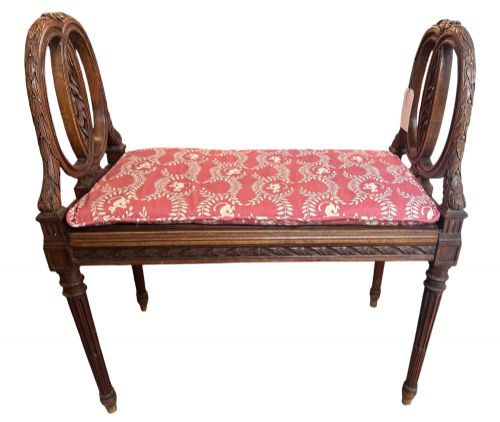


French Walnut Stool
These pieces of french walnut stool combine robust timber framing with tactile coverings, offering practical seating and decorative presence.
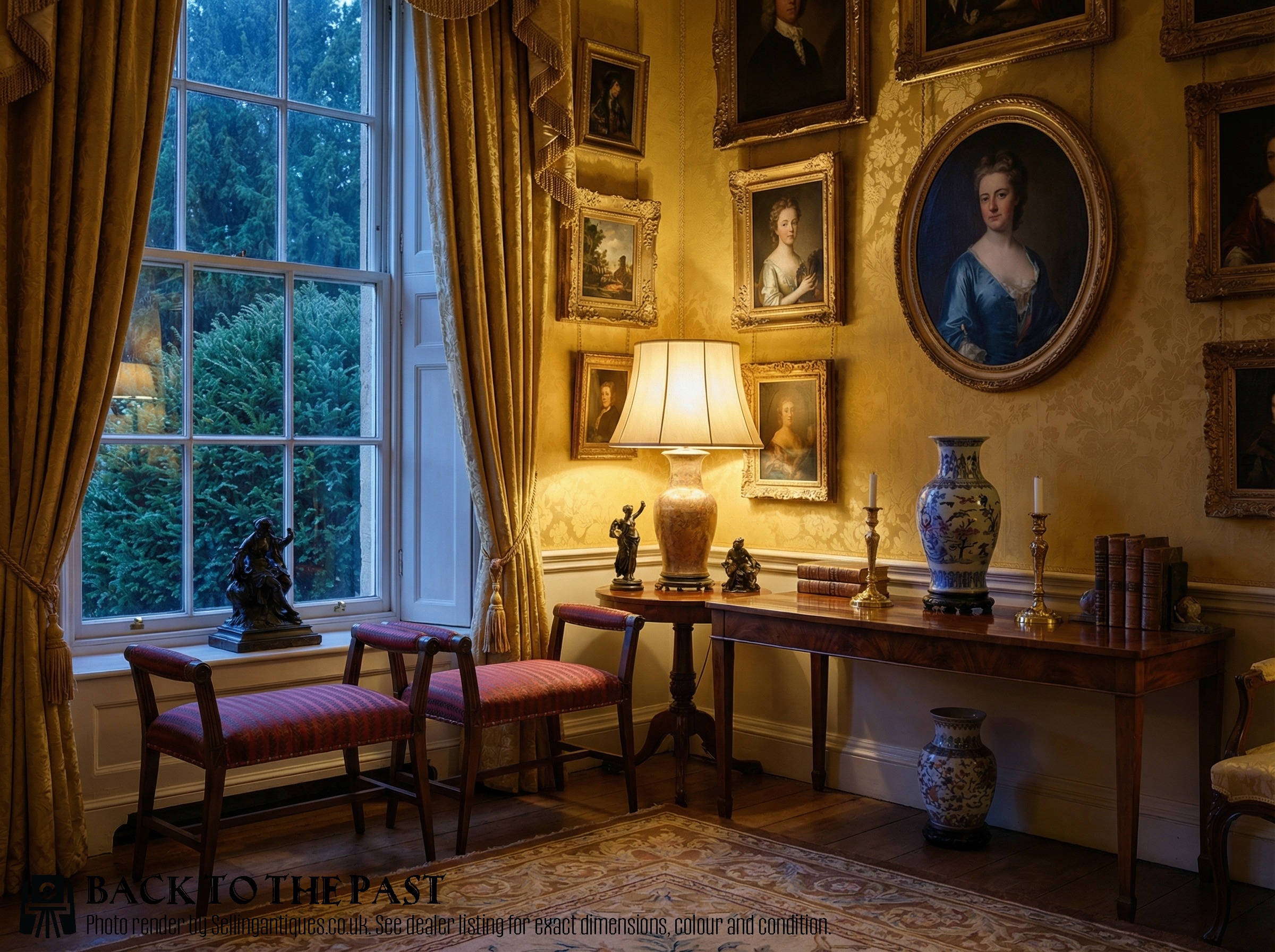
French Walnut Stool
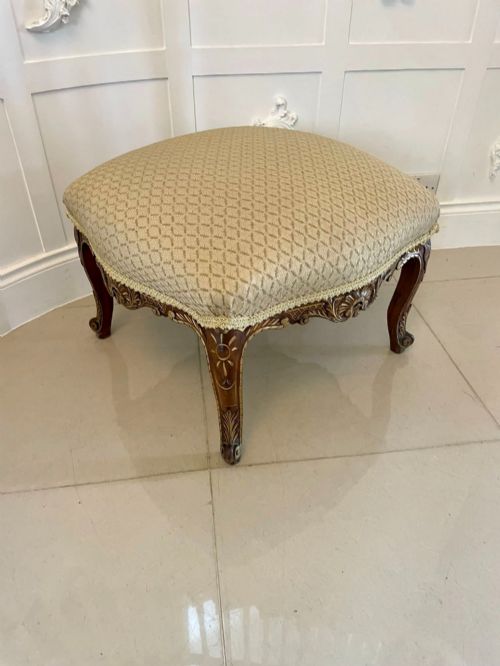
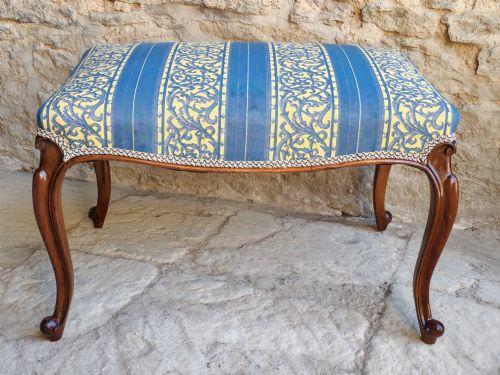
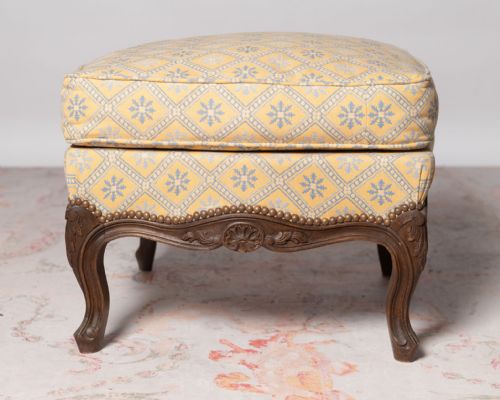
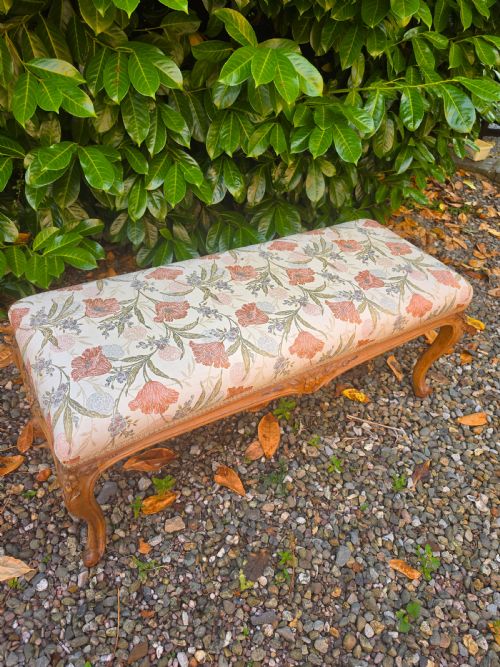
A french walnut stool is a domestic seating piece constructed from walnut timber, appearing across styles such as Victorian, Rococo Revival, and Louis XV Revival. These items range from compact footstools and piano stools to larger window seats and duet stools originating in the nineteenth and early twentieth centuries.
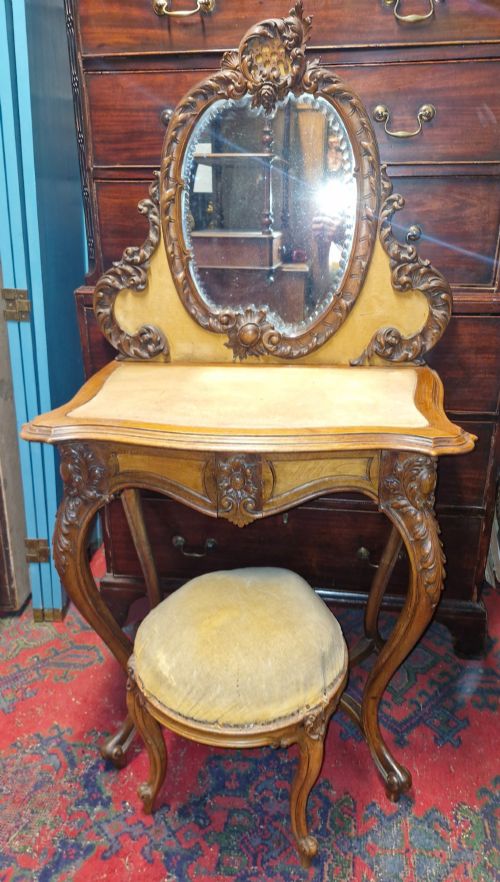
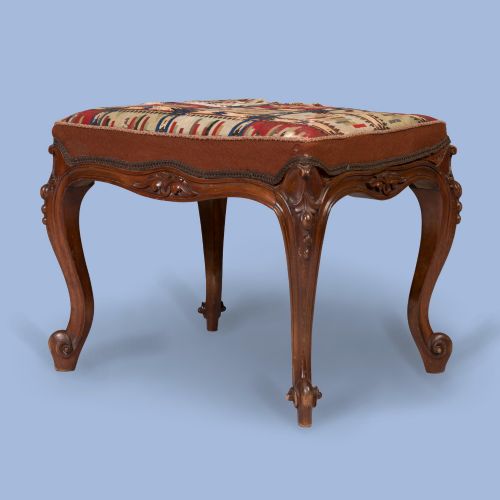
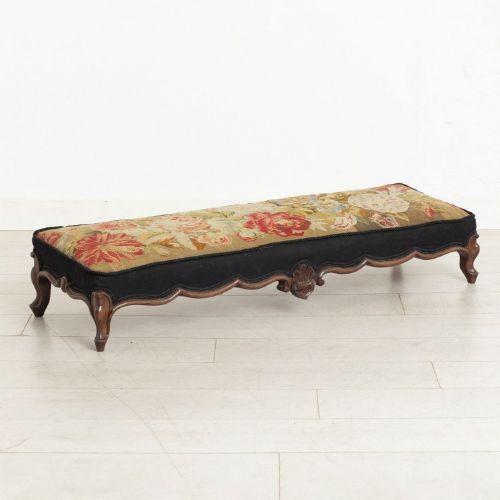
Buyers encountering this page will frequently see low footstools, cabriole leg designs, and carved salon stools upholstered in various textiles. The selection includes individual pieces as well as matched pairs, often accompanied by historical fabric or left ready for new upholstery.
How They Were Made
Makers utilised solid walnut timber for the structural frames, shaping supports with cabriole legs, carved ornamentation, and occasional giltwood or ormolu accents. Joinery relied on traditional methods to ensure stability across frequent domestic use.
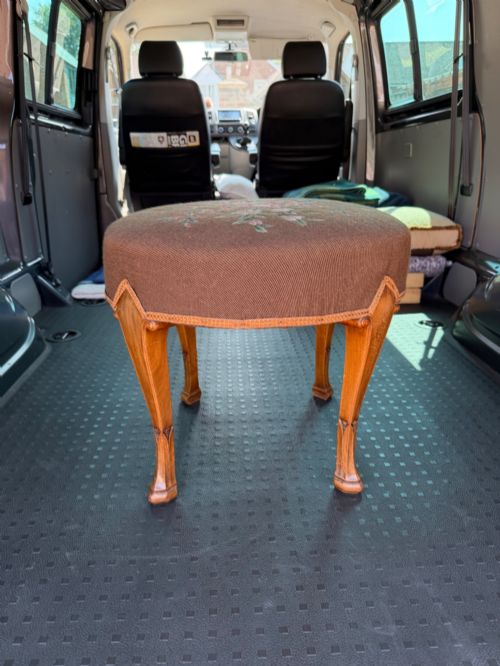
Upholstery techniques incorporated fabric, velvet, tapestry, and needlework inserts, secured with buttoning or trim. Adjustable mechanisms appeared on specific piano and duet variants to alter height during use.
Listings feature walnut frames paired with tapestry, velvet, and brass details across Victorian and 1900s periods.
What Varies in Quality
The standard of carving distinguishes individual examples, with hand-carved floral and scroll motifs displaying greater depth and crispness than simpler production models. Timber selection also matters, as dense grain patterns and well-maintained patination elevate the visual weight of the frame.
The integrity of the upholstery foundation contributes significantly to the overall execution, particularly where original needlework, tapestry, or deep buttoning remains intact. Proportion and balance across the legs and seat frame separate standard utilitarian seating from decorative salon pieces.
The French Walnut Stool Glossary
- Cabriole leg
- A furniture leg featuring a double curve, typically swelling outward at the knee and tapering inward to a foot. This form draws on classical motifs revived extensively during the nineteenth century.
- Duet stool
- An elongated seating form designed for more than one person, frequently associated with piano playing or window placement. These pieces often feature extended timber frames and generous upholstery.
- Giltwood
- Timber treated with a thin layer of gold leaf or metallic gilt finish. It accentuates carved details on decorative frames.
- Needlework
- Stitched textile decoration worked by hand on canvas or fabric mesh. It appears frequently as a durable seat covering on period stools.
- Prie-Dieu
- A devotional chair or low seating form equipped with an upper rest. It relates closely to ecclesiastical and domestic Victorian interiors.
French Walnut Stool: Frequently Asked Questions
Where were these stools used?
These stools served primarily in domestic reception rooms, bedrooms, and music rooms as auxiliary seating or footrests. Long variants often sat beneath windows or at the foot of beds.
Shorter footstools paired easily with armchairs and fireside chairs to provide added comfort during colder months.
How do I identify the period?
Dating relies on stylistic markers such as cabriole legs, revival influences, and specific timber treatments. Victorian and nineteenth-century examples often display deep carving and heavy frames.
Later pieces from the early twentieth century shift toward simpler lines while retaining traditional walnut construction methods.
Are original fabrics common?
Some pieces retain historical textiles, tapestry panels, or needlework seats applied during the nineteenth century. These coverings show signs of age consistent with regular domestic use.
Other examples arrive bare or ready for new upholstery to suit contemporary interior colour schemes.
How do I care for walnut frames?
Walnut timber benefits from dusting with a dry cloth and occasional treatment with suitable furniture wax to maintain the surface finish. Avoiding direct sunlight prevents timber drying and fading.
Upholstered sections require gentle vacuuming or specialist textile cleaning depending on the fabric type.